Low‑maintenance Garden Ideas for a Beautiful Backyard With Less Work

When the backyard feels more like a chore than a retreat, the urge to simplify can be overwhelming. You might love the idea of a green oasis but dread the endless watering, pruning, and seasonal clean‑ups. The good news is that a well‑designed garden can stay inviting while demanding only occasional attention. Below are seven ideas that blend visual appeal with practical ease, so you can spend more time relaxing and less time pulling weeds.
1. Embrace native plant palettes
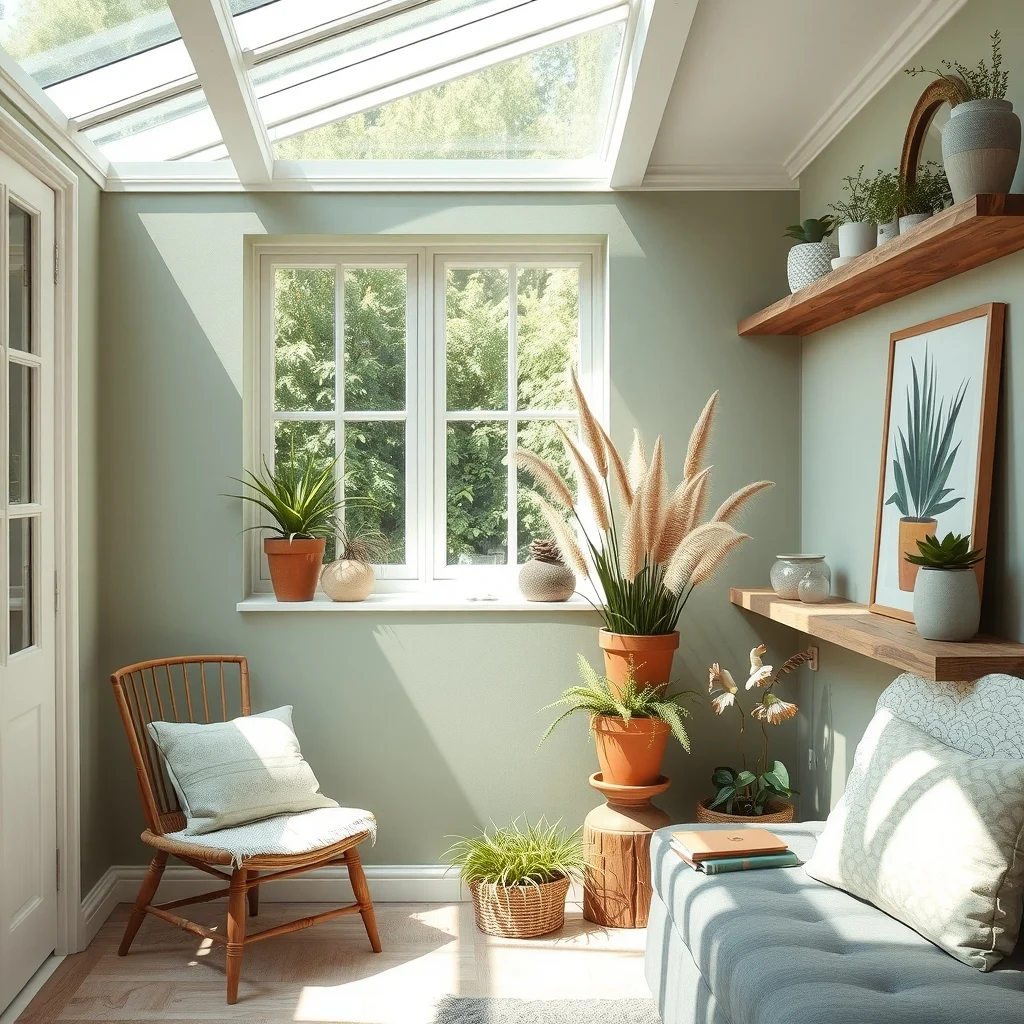
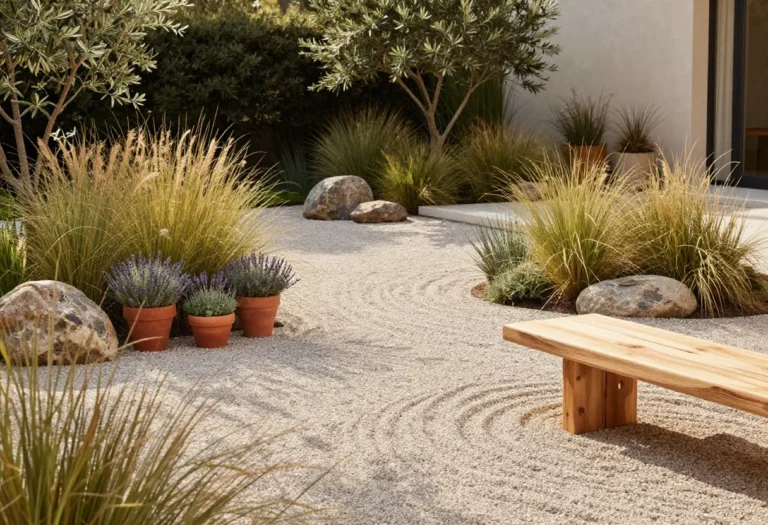
Choosing plants that have evolved to thrive in your climate eliminates the need for constant fertilizing and supplemental watering. A mix of low‑lying sedges, hardy ornamental grasses, and flowering perennials such as coneflower or black-eyed Susan creates texture that changes with the seasons without extra effort. Because these species are adapted to local soil and rainfall patterns, they resist disease and require minimal pruning. Pair the planting beds with a modest layer of mulch—shredded bark or pine needles—to retain moisture and suppress weeds. The result is a garden that feels intentional, with colour shifting from soft greens in spring to warm amber tones in autumn, all while staying largely self‑sufficient.
2. Install a simple drip‑irrigation system
Even the hardiest plants benefit from consistent moisture, especially during dry spells. A basic drip‑irrigation layout, consisting of a few main lines and emitters placed at the base of each planting group, delivers water directly where it is needed. Because the water is applied slowly, evaporation is reduced and the soil stays evenly moist. The system can be tied to a timer that runs for a few minutes each morning, freeing you from daily hose work. Using pressure‑compensating emitters ensures each zone receives the same flow, preventing over‑watering in one area and dryness in another. Once set up, the only maintenance is an occasional check for clogged emitters, a task that takes a few minutes twice a year.
3. Choose hard‑scaping over dense planting
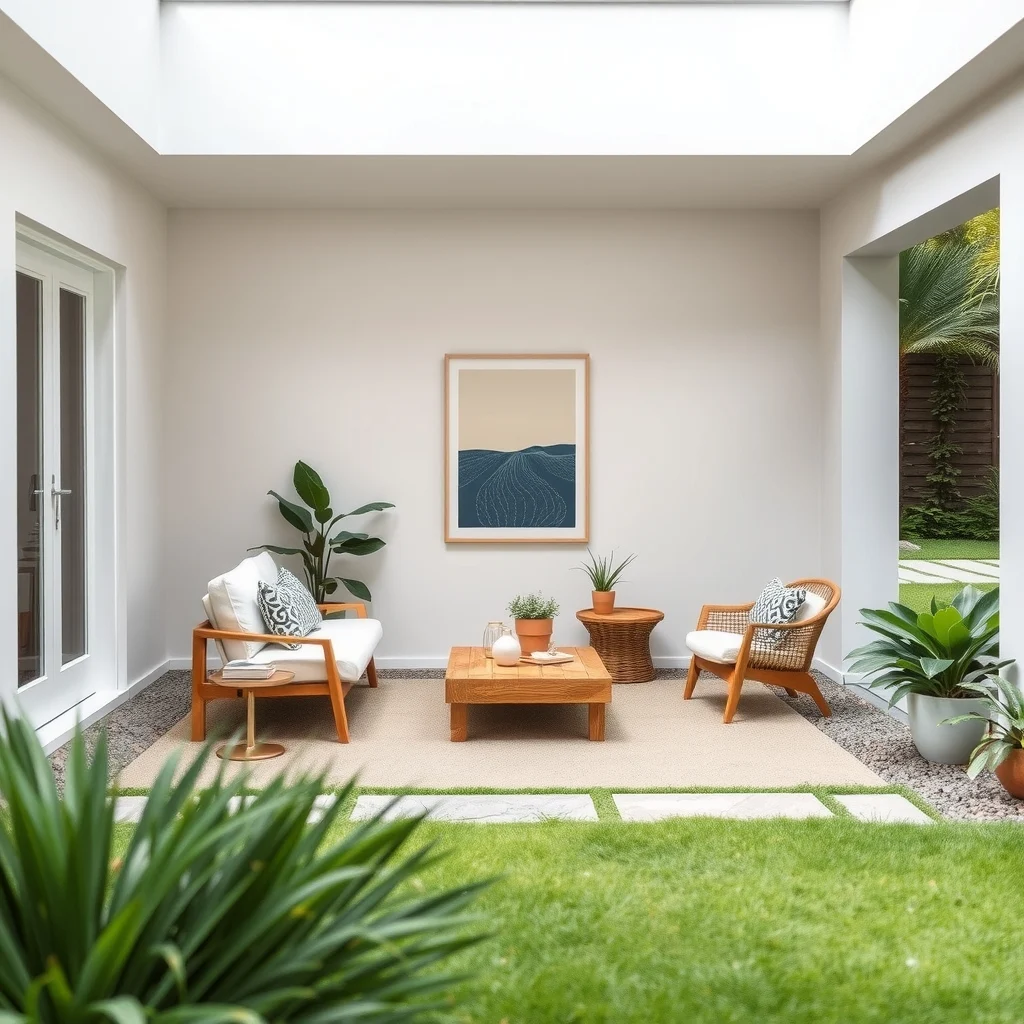
Replacing sections of lawn with paved pathways, gravel beds, or large stone slabs instantly cuts down on mowing and fertilizing. A rectangular flagstone patio edged with low‑profile concrete pavers creates a clean backdrop for a few strategic plantings, while also providing a durable surface for outdoor furniture. The contrast between the cool, matte stone and the soft foliage adds visual interest without the need for a full‑sized garden. Adding a few large, slow‑growing shrubs—such as dwarf Japanese maple or evergreen boxwood—offers structure and colour year‑round, and their compact form means pruning is only required once or twice annually.
4. Incorporate container gardens on wheels
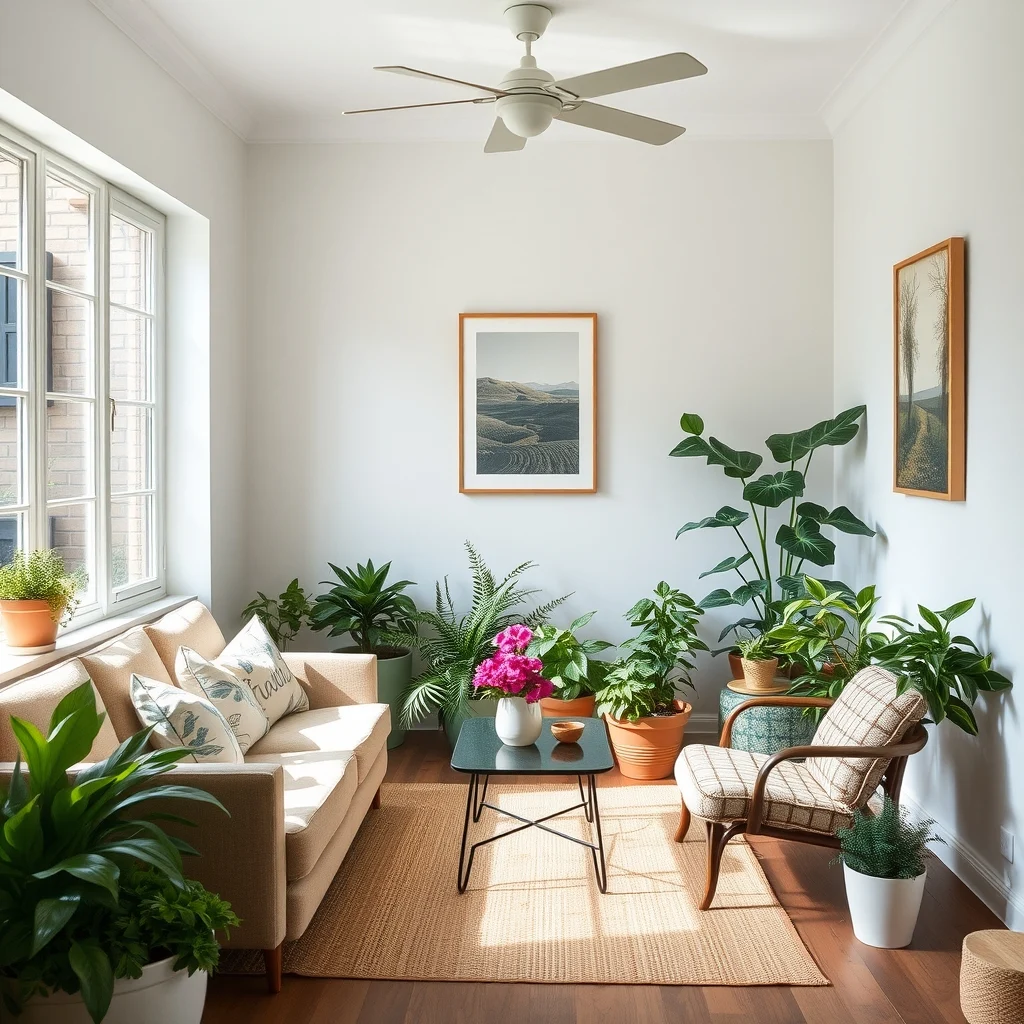
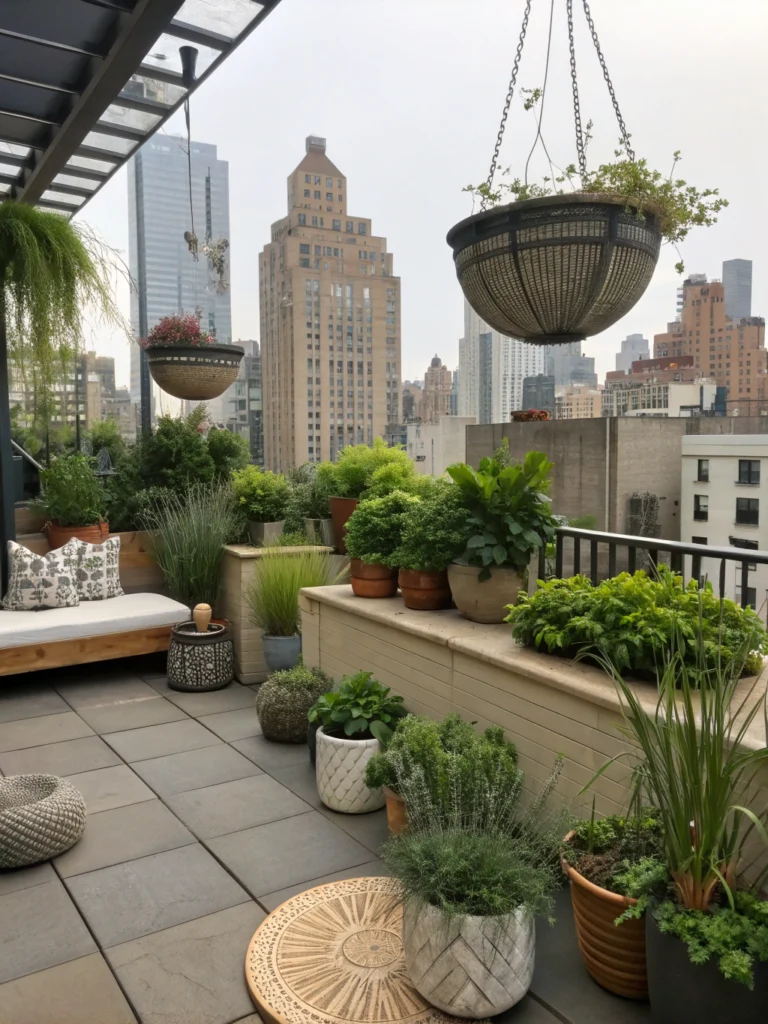
Mobility gives you control over sunlight, soil conditions, and seasonal changes without digging up permanent beds. Large, weather‑resistant containers made of resin or glazed ceramic can hold a mix of herbs, dwarf tomatoes, or trailing begonias. Because the pots sit on rolling casters, you can shift them to catch the morning sun in summer and protect them from frost in winter. Containers also limit the spread of weeds and simplify soil replacement—once a season ends, you can dump the old mix and start fresh. The visual appeal lies in the varied heights and textures, especially when you group pots of different shades, such as deep teal, muted terracotta, and soft ivory.
5. Add a low‑maintenance water feature
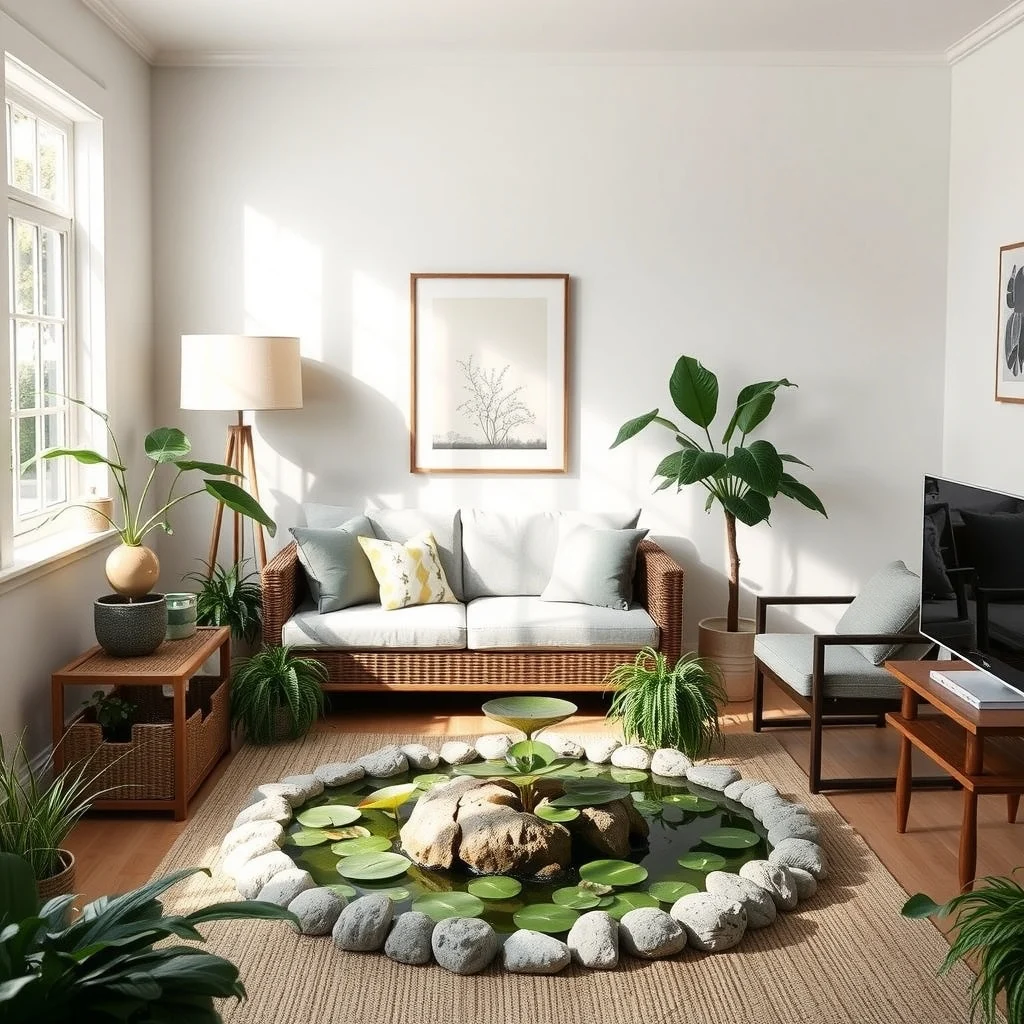
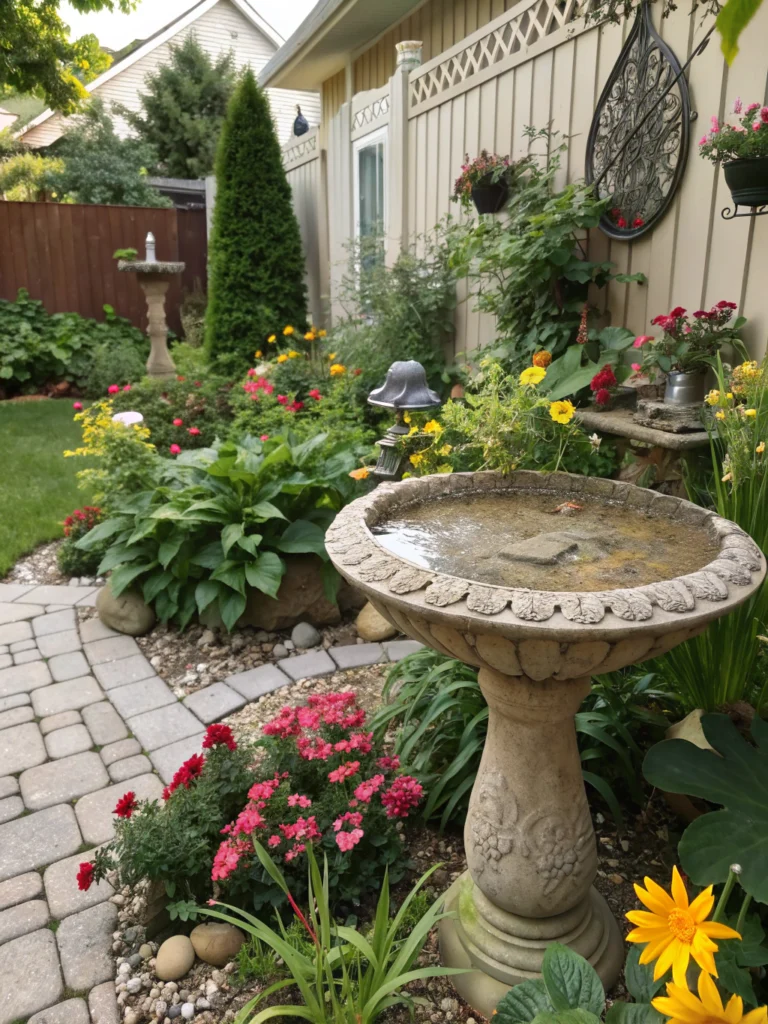
A modest recirculating fountain or a shallow pond liner filled with water lilies provides soothing sound without demanding extensive upkeep. Opt for a solar‑powered pump that runs during daylight, eliminating the need for electrical wiring and reducing energy costs. A simple stone or concrete basin lined with a waterproof membrane keeps the water clear, while a few hardy aquatic plants, like water lettuce, help control algae naturally. Because the system recirculates, you only need to top up the water occasionally and clean the pump filter once a year. The gentle ripple and soft gurgle create a focal point that draws the eye, making the garden feel larger and more inviting.
6. Use groundcover that suppresses weeds
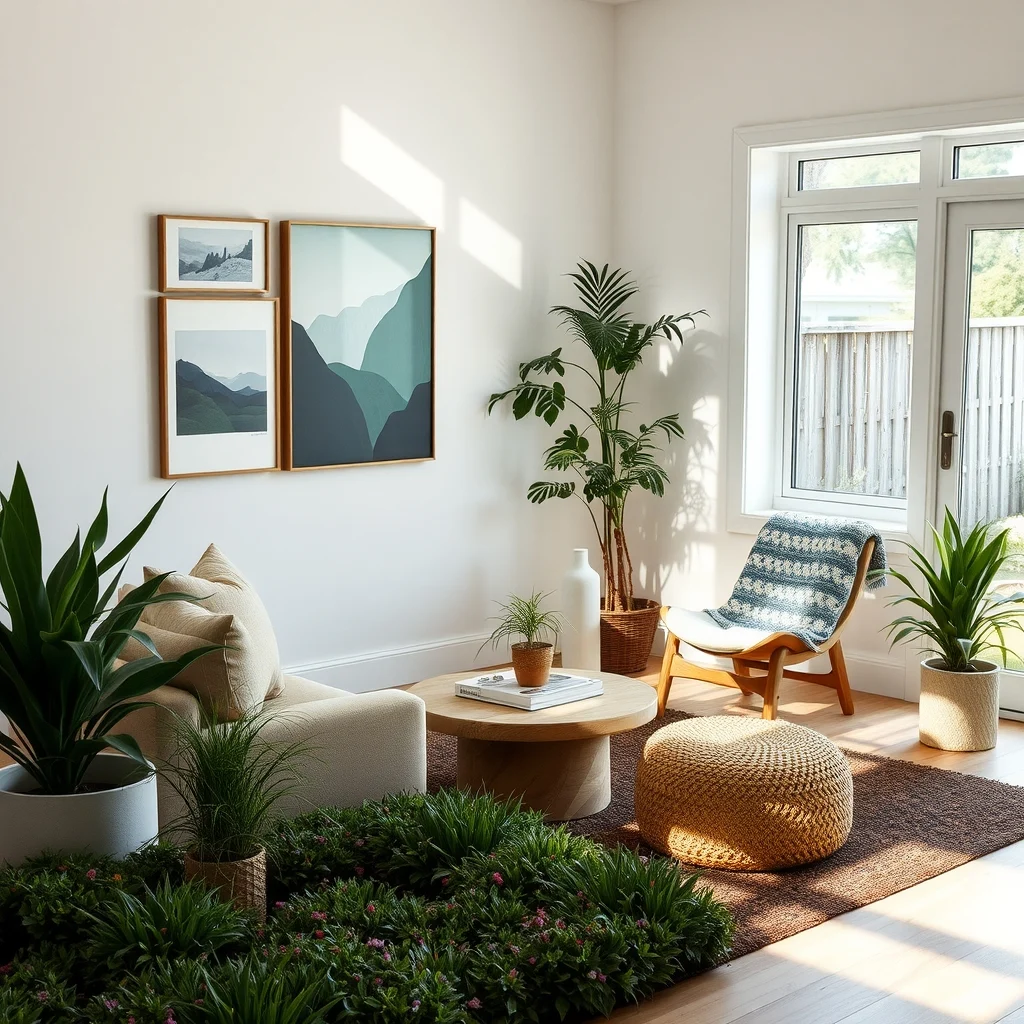
Replacing bare soil with low‑growing groundcovers such as creeping thyme, sedum, or dwarf mondo grass reduces the need for hand‑weeding and creates a uniform carpet of colour. These plants spread quickly, forming a dense mat that blocks sunlight from reaching weed seeds. Many varieties release a pleasant scent when stepped on, adding a sensory layer to the garden. Because they are drought‑tolerant, watering can be limited to the occasional deep soak during prolonged dry periods. A thin layer of decorative gravel or river stone on top of the groundcover adds visual contrast and further discourages unwanted growth.
7. Create defined seating zones with built‑in storage
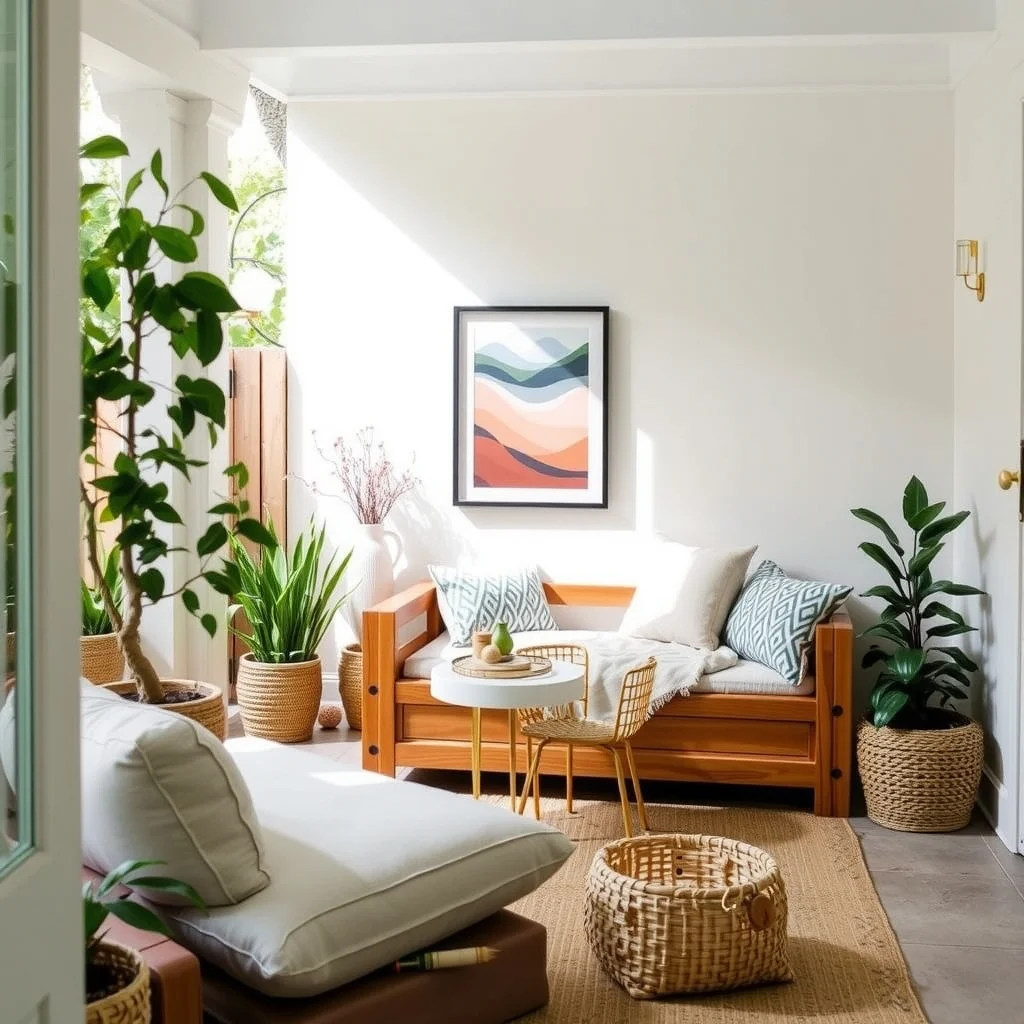
Designating a small alcove for relaxation—perhaps a bench tucked beneath a pergola or a low‑profile daybed—provides a place to enjoy the garden without clutter. Building a bench with a hidden storage compartment allows you to stash cushions, gardening tools, or outdoor blankets out of sight, keeping the area tidy. Choose weather‑resistant wood such as teak or a powder‑coated metal frame to withstand the elements. Adding soft, weather‑proof cushions in muted sage or warm greige invites you to linger, while subtle uplighting—like low‑profile LED strips tucked along the bench frame—extends usability into the evening without the need for bright floodlights.
FAQ
How often should I mulch my garden beds?
Refresh the mulch once a year, typically in early spring, to maintain a 2‑3 inch layer that conserves moisture and blocks weeds.
Can I install a drip‑irrigation system myself?
Yes, a basic system can be set up with a kit from a garden center; just follow the manufacturer’s instructions and test for leaks before connecting to a timer.
What are the best low‑maintenance plants for a shady backyard?
Ferns, hostas, and shade‑tolerant heuchera varieties thrive in low light and require minimal watering once established.
Is a container garden suitable for cold climates?
In regions with freezing winters, choose frost‑hardy containers and move them to a sheltered spot or use insulated blankets to protect the roots.
Do water features attract insects?
They can attract beneficial insects like dragonflies, but regular cleaning of the pump and water surface prevents mosquito breeding.
Final Thoughts
Designing a backyard that looks polished while demanding little upkeep is entirely achievable with thoughtful plant choices, smart irrigation, and strategic hard‑scaping. By focusing on native species, efficient watering, and versatile elements such as containers and built‑in seating, you create a space that feels curated without the constant pressure of maintenance. The key is to let the garden’s natural rhythms guide your decisions, allowing you to step outside, relax, and enjoy the outdoors on your own terms.