Backyard Seating Area Ideas for Small and Large Outdoor Spaces

Finding a place to sit outdoors can feel like a puzzle, especially when the yard is either cramped or sprawling. The right seating solution should invite conversation, accommodate the weather, and reflect personal style without overwhelming the space. Below are seven ideas that work in both modest corners and generous lawns, each with practical details to help you move from concept to a functional retreat.
1. Compact Corner Nook with Built‑In Bench
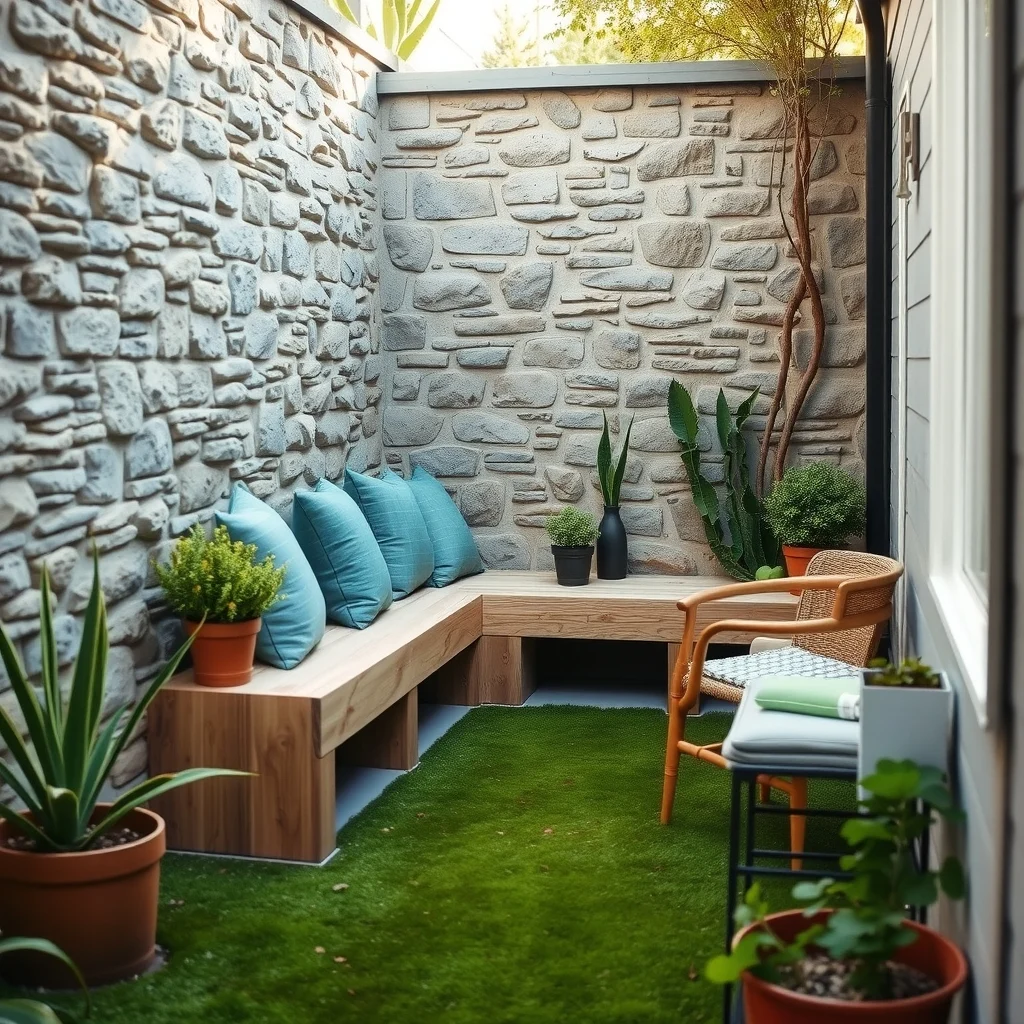
When a backyard has a shy angle or a narrow side, a built‑in bench tucked into the corner can turn dead space into a welcoming perch. Construct the seat from reclaimed pine or cedar, allowing the natural grain to soften the surrounding landscape. A thin, water‑resistant cushion in a muted greige adds comfort while resisting mildew. Flank the bench with a narrow side table made of powder‑coated steel; the metal resists rust and offers a stable surface for a glass of iced tea. A short string of warm‑white LED bulbs draped along the top edge provides a gentle glow after sunset without the need for hard‑wired fixtures. The main trade‑off is that the bench occupies a permanent footprint, so be sure the corner will remain usable for the long term.
2. Portable Rattan Sectional with Weather‑Proof Cushions
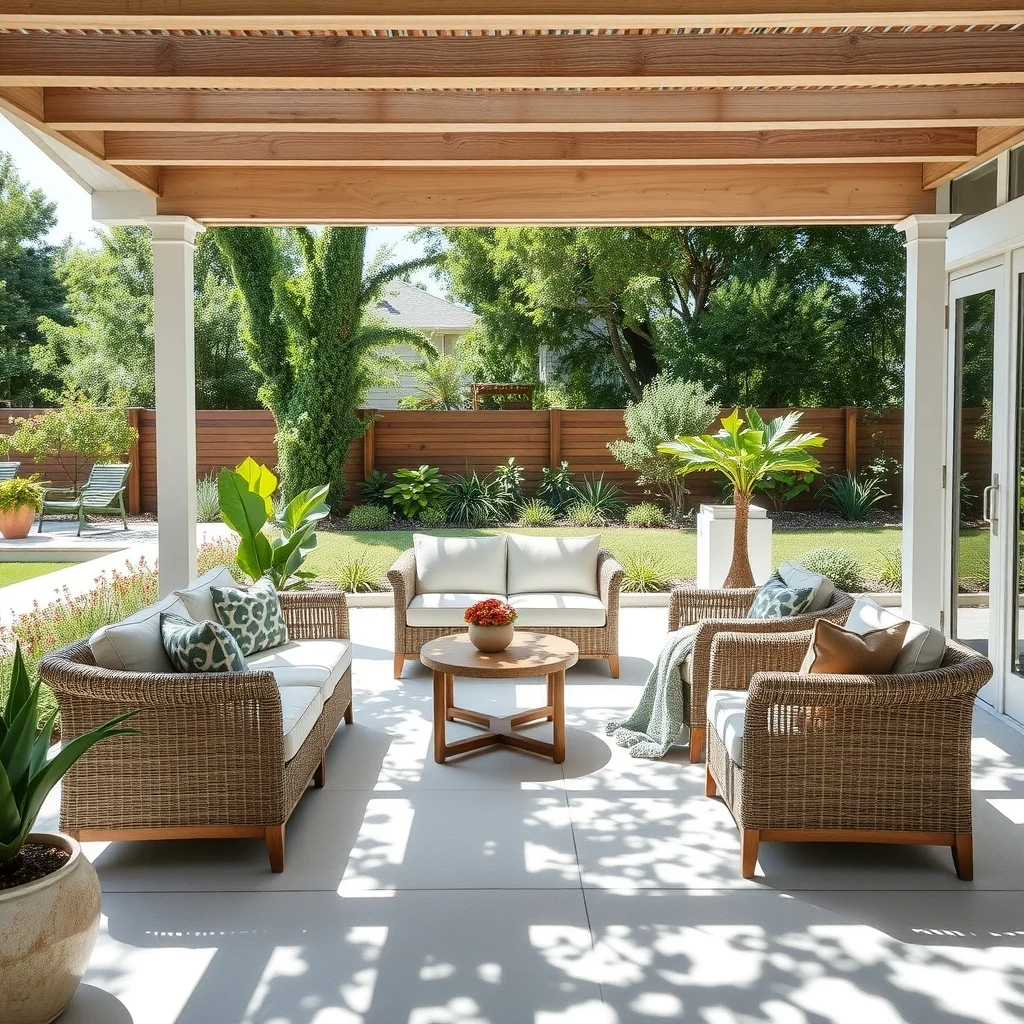
For yards that host gatherings of varying size, a modular rattan sectional offers flexibility without sacrificing style. Choose a frame finished in a light‑stained teak hue; the wood weathers gracefully and can be sanded if needed. Cushions crafted from solution‑dye‑dyed polyester resist fading and repel water, making them ideal for occasional rain. Lay a low‑pile outdoor rug in a soft terracotta to define the seating zone and add a tactile layer underfoot. A compact coffee table in brushed brass anchors the arrangement while providing a place for snacks. Because each piece is lightweight, you can rearrange the layout for a movie night or a quiet afternoon, though the individual components may require occasional tightening of hardware.
3. Pergola‑Enclosed Swing Chair
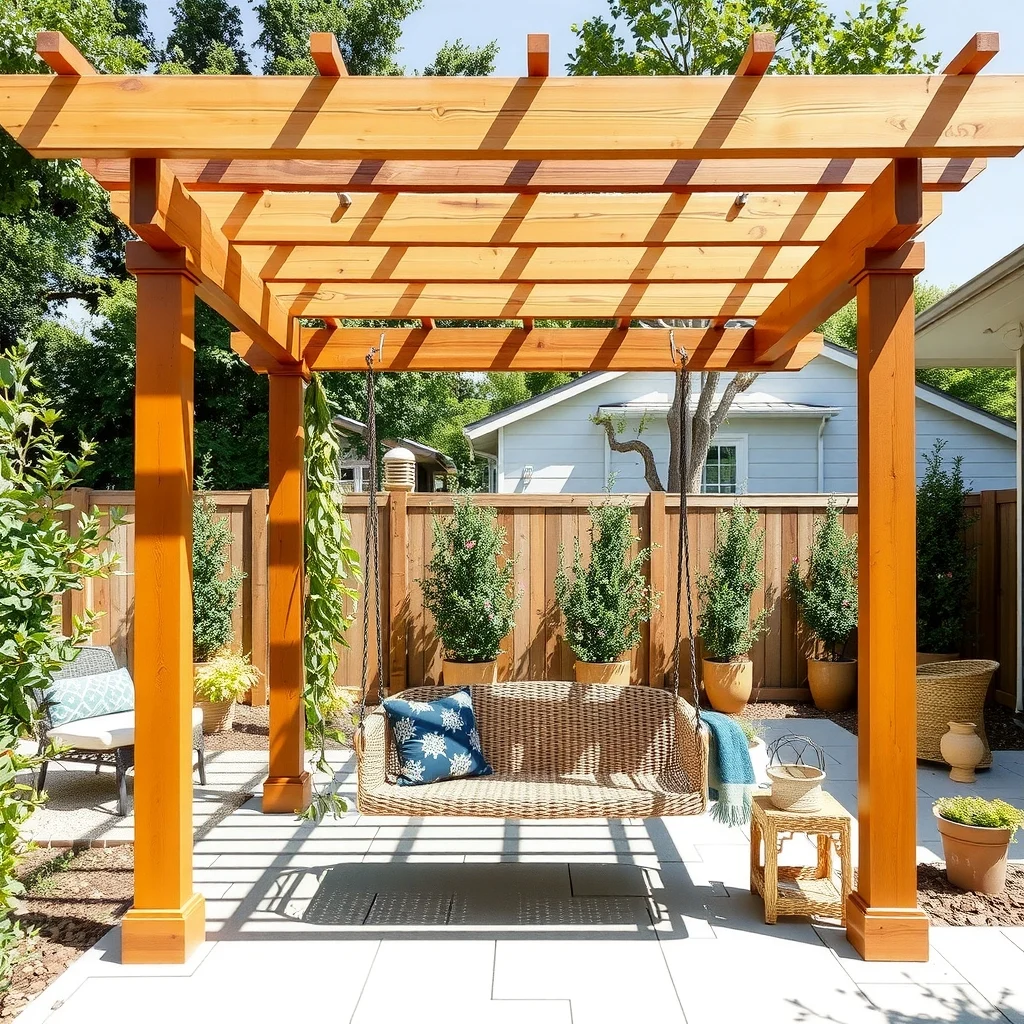
A pergola built from cedar slats creates a semi‑private canopy that frames a single swing chair, turning a simple seat into a focal point. The swing, suspended from stainless‑steel hardware, should feature a seat made of quick‑dry wicker with a thick, UV‑protected cushion in a deep olive. Adding sheer, weather‑grade curtains along the pergola sides allows you to soften harsh sunlight while preserving airflow. Incorporate recessed, low‑voltage spotlights along the beams for evening ambiance; these fixtures are easy to install with a plug‑in transformer and avoid the complexity of hard wiring. While the pergola offers shelter, it also adds a visual bulk that may dominate a very small yard, so consider a scaled‑down version if space is limited.
4. Raised Deck with Modular Daybed and Storage
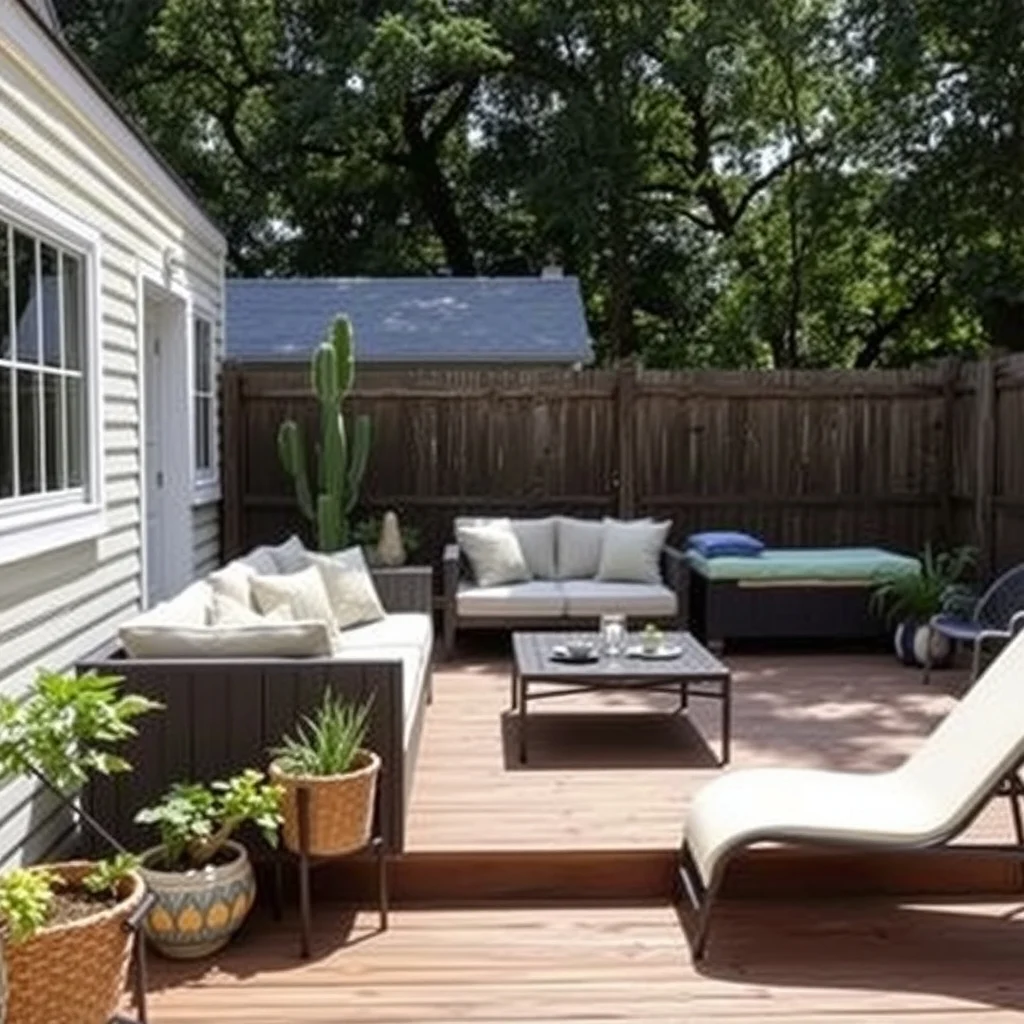
A raised deck built from composite decking provides a level platform that can host a low‑profile daybed. Choose a frame of aluminum slats that resist corrosion, and top it with a thick, water‑repellent mattress covered in a slip‑resistant fabric. Underneath, incorporate a shallow drawer system painted in a soft white; the drawers store outdoor blankets and games, keeping the area tidy. Flank the daybed with two narrow side tables in a matching finish, and hang a pair of solar‑powered lanterns from the deck railing for sustainable lighting. The deck adds a defined perimeter, which is ideal for larger lawns, but the added height may require a small step or ramp for accessibility.
5. Garden Wall with Integrated Seating and Vertical Planting
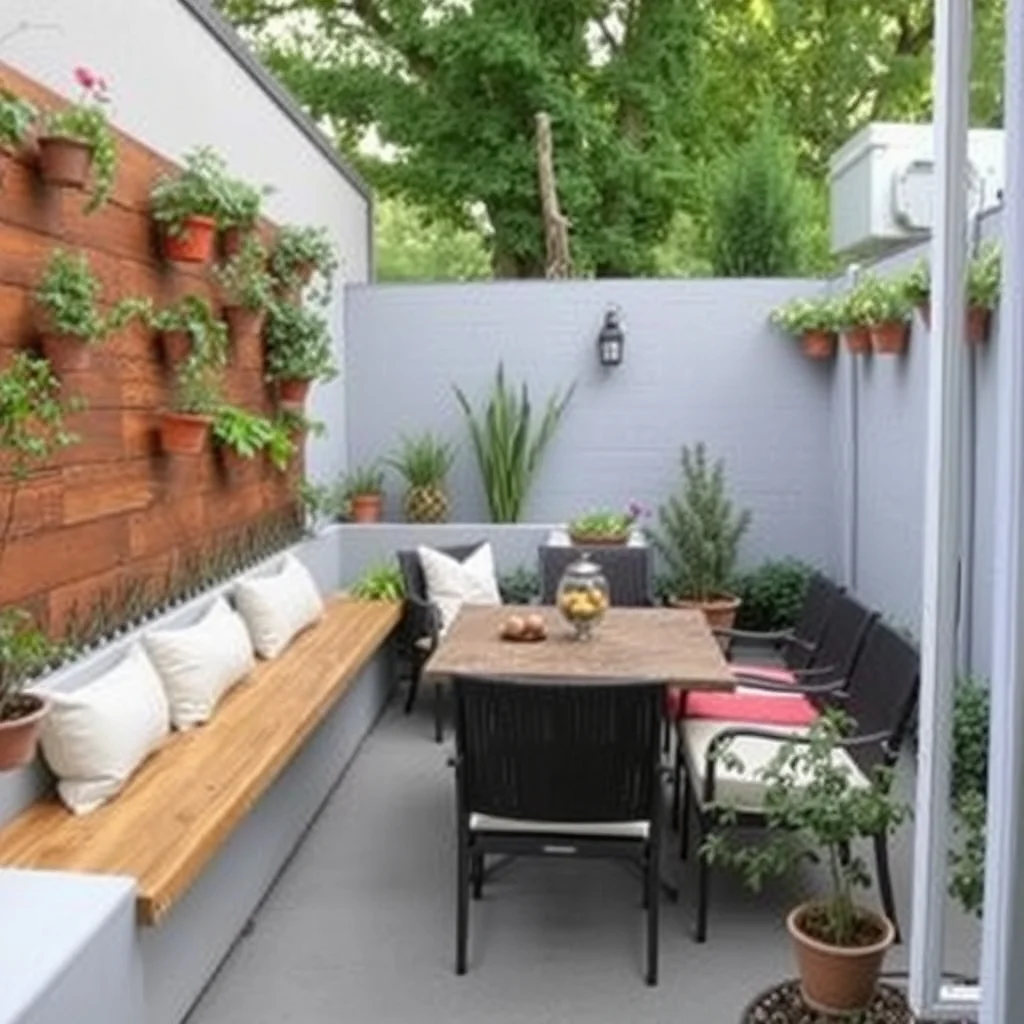
When a property includes a retaining wall or a tall fence, integrating seating into the structure maximizes utility. Carve a shallow recess into the wall and line it with a teak bench that follows the wall’s contour. Add a cushion in a warm sand tone that can be removed for cleaning. Above the bench, install a vertical garden of drought‑tolerant succulents in modular pocket planters; the greenery softens the hard surface and creates a sense of enclosure. A low‑profile LED strip hidden behind the planter pockets offers subtle illumination without glare. The main limitation is the need for a sturdy wall that can support the additional weight of the bench and plants.
6. Fire‑Pit Circle Surrounded by Low‑Profile Chairs
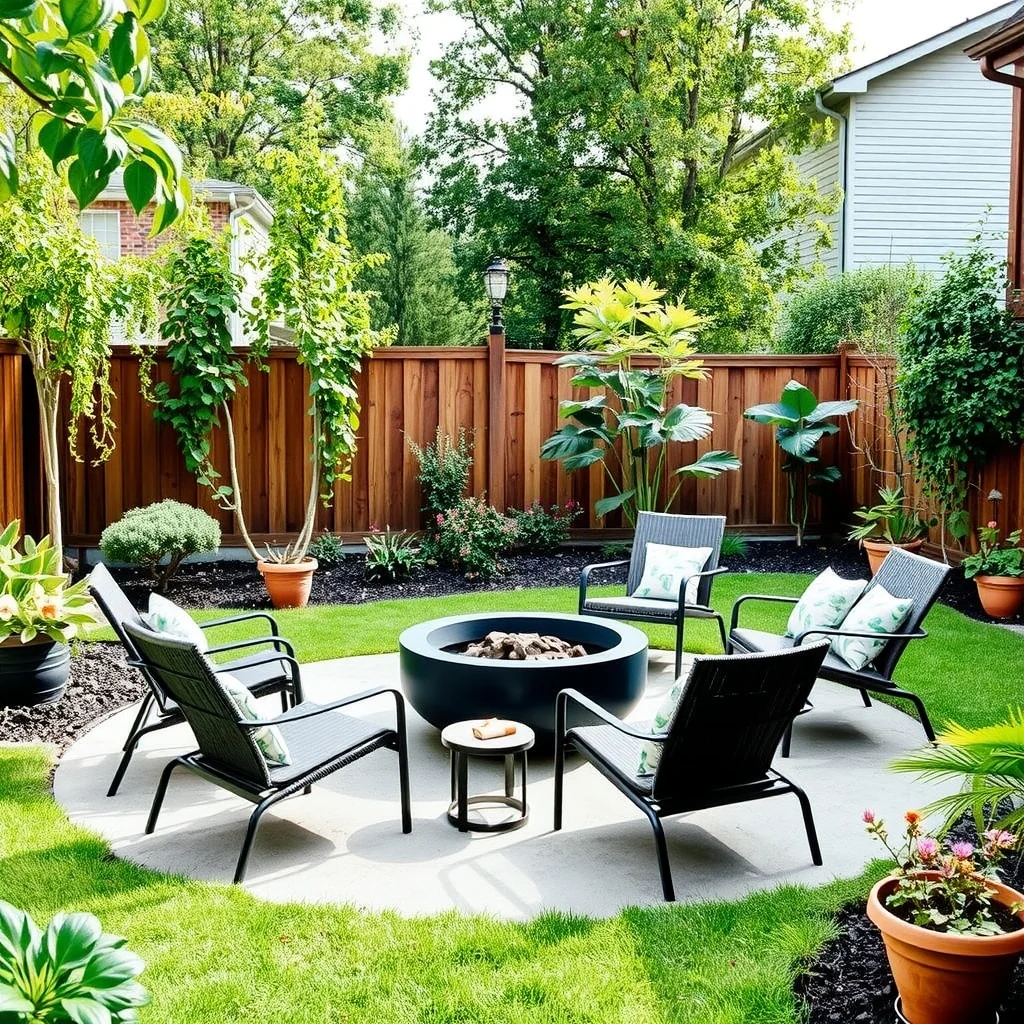
A circular fire pit invites lingering conversation, and pairing it with low‑profile chairs keeps the gathering intimate. Choose a steel fire bowl with a matte black finish for a modern look, and surround it with four chairs that feature a powder‑coated aluminum frame and heat‑resistant fabric in a muted slate hue. The chairs sit low to the ground, allowing the fire’s glow to reach every guest without obstruction. Accent the area with a ring of stone pavers that direct foot traffic away from the flame. For evenings, place a few battery‑operated lanterns on the pavers; they provide light without adding electrical complexity. The fire pit requires a safe clearance zone, so ensure there is enough room on the lawn to meet local fire‑safety guidelines.
7. Multi‑Level Lounge with Integrated Planters
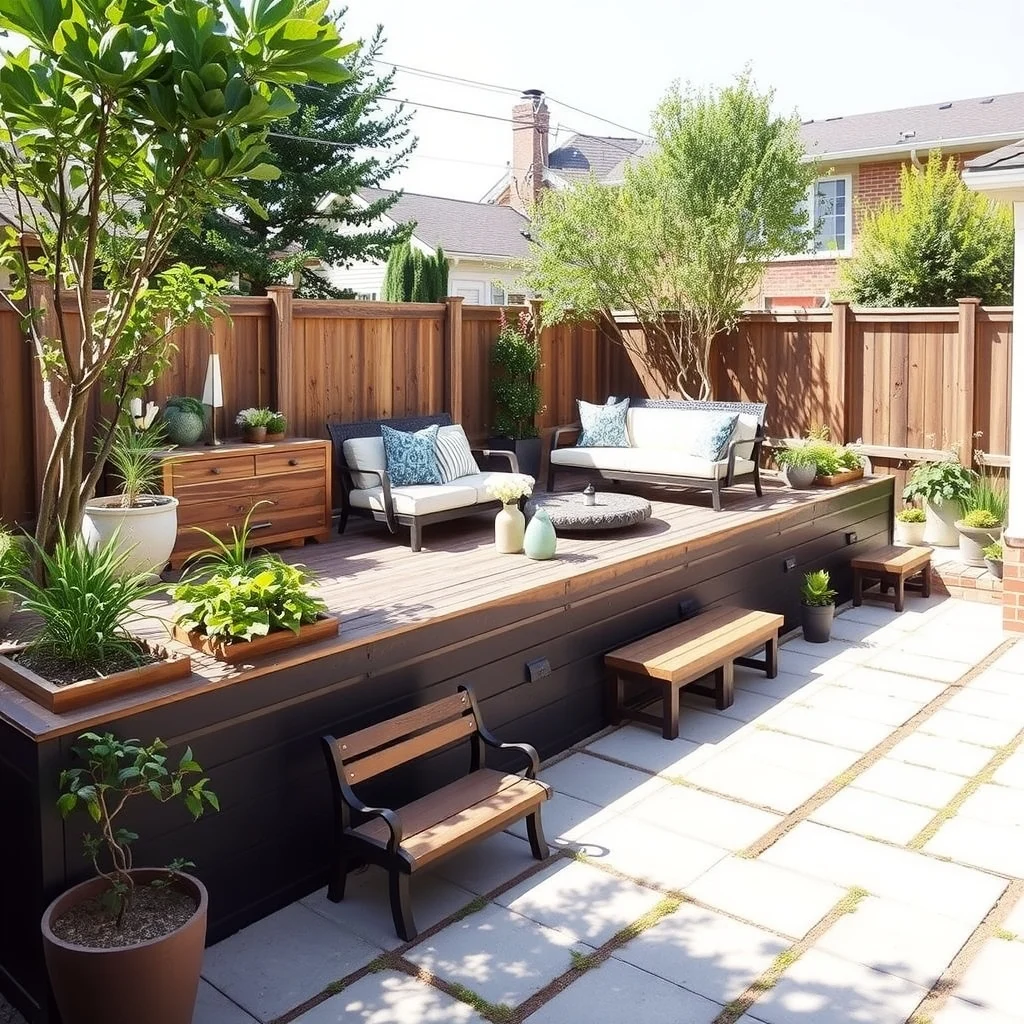
On expansive yards, a tiered lounge creates visual interest while offering multiple seating heights. Build a two‑step platform using a combination of weathered steel framing and reclaimed hardwood decking. The lower level holds a deep sofa with plush cushions in a muted teal, while the upper level features a pair of lounge chairs that face outward toward the garden. Incorporate built‑in planters along the outer edge of each level, filled with fragrant herbs or seasonal blooms; the greenery softens the steel lines and adds scent to the space. Overhead, string a series of dimmable LED globes on a simple wire arch to provide adjustable lighting for both dinner and stargazing. This arrangement delivers a luxurious feel, but the construction requires a solid foundation and may involve a higher budget than single‑level solutions.
FAQ
What cushion material works best for outdoor furniture?
Solution‑dye‑dyed polyester is the most durable choice for outdoor cushions because the color penetrates the fibers, preventing fading and resisting moisture. This fabric also dries quickly, which helps prevent mold growth after rain.
Can I install outdoor lighting myself safely?
Yes, plug‑in or low‑voltage LED fixtures are designed for DIY installation and eliminate the need for hard wiring. Always follow the manufacturer’s instructions, keep connections off the ground, and use weather‑rated enclosures to protect against moisture.
How should I protect wooden seating from rain?
Applying a marine‑grade spar varnish to the wood creates a water‑resistant barrier that allows the grain to breathe. Reapply the finish every year or after a harsh season to maintain protection.
Is mixing metal and wood in the same seating area advisable?
Combining metal frames with wooden accents works well when the finishes complement each other; for example, brushed steel pairs nicely with warm‑stained timber. Ensure the metal components are powder‑coated or stainless to avoid rust, especially in humid climates.
How can I make a small backyard feel larger with seating?
Choosing low‑profile furniture and keeping the color palette light helps maintain an open feel. Mirrors or reflective surfaces on a side table can bounce light around, while strategic placement of a single, well‑shaped bench avoids crowding the area.
Final Thoughts
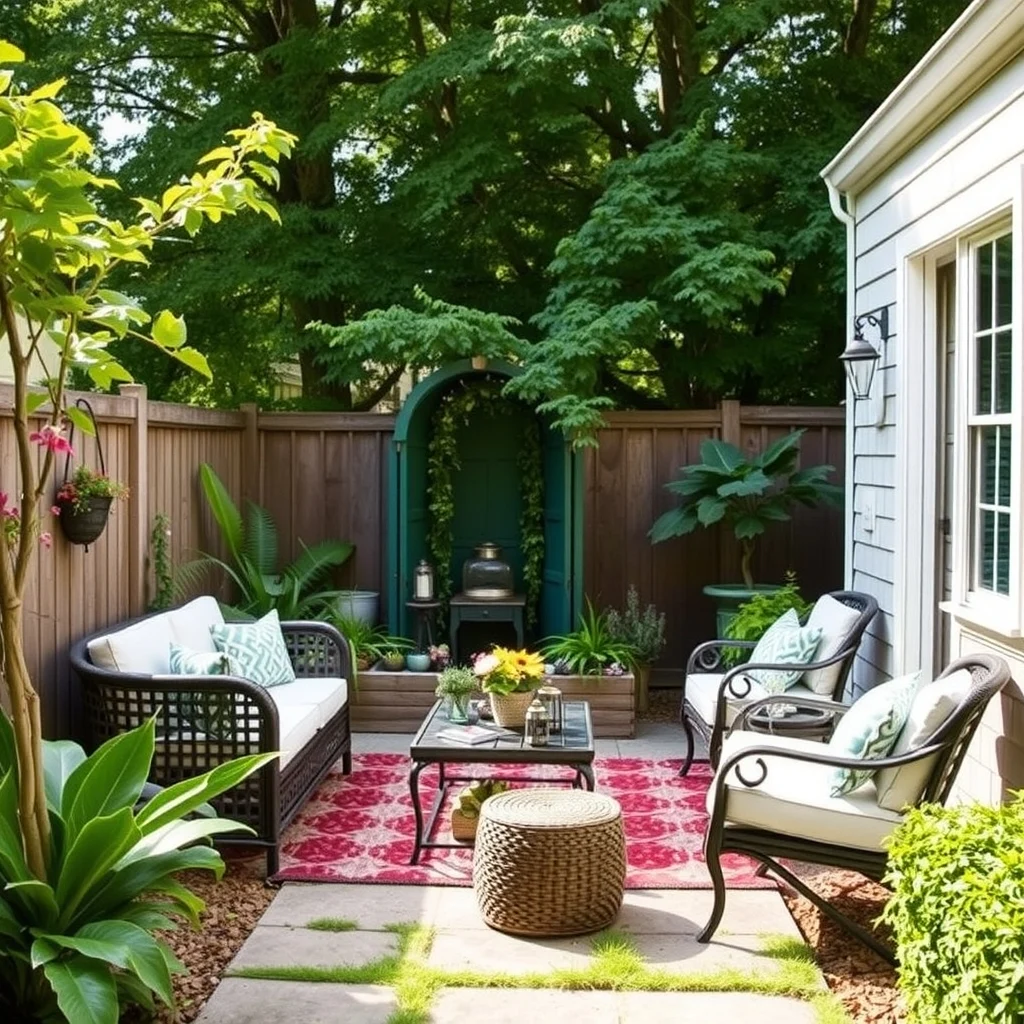
Whether your yard stretches across a city lot or nestles behind a suburban home, the right seating arrangement can transform it from a functional space into a personal retreat. By considering scale, material durability, and the way light interacts with each element, you can create an outdoor lounge that feels intentional and inviting. Remember to balance aesthetics with practicality—choose fabrics that breathe, frames that withstand the elements, and lighting that enhances rather than overwhelms. With a thoughtful plan, your backyard will become a place where everyday moments and special gatherings alike find a comfortable seat.