Small Closet Organization Ideas to Maximize Every Shelf and Corner

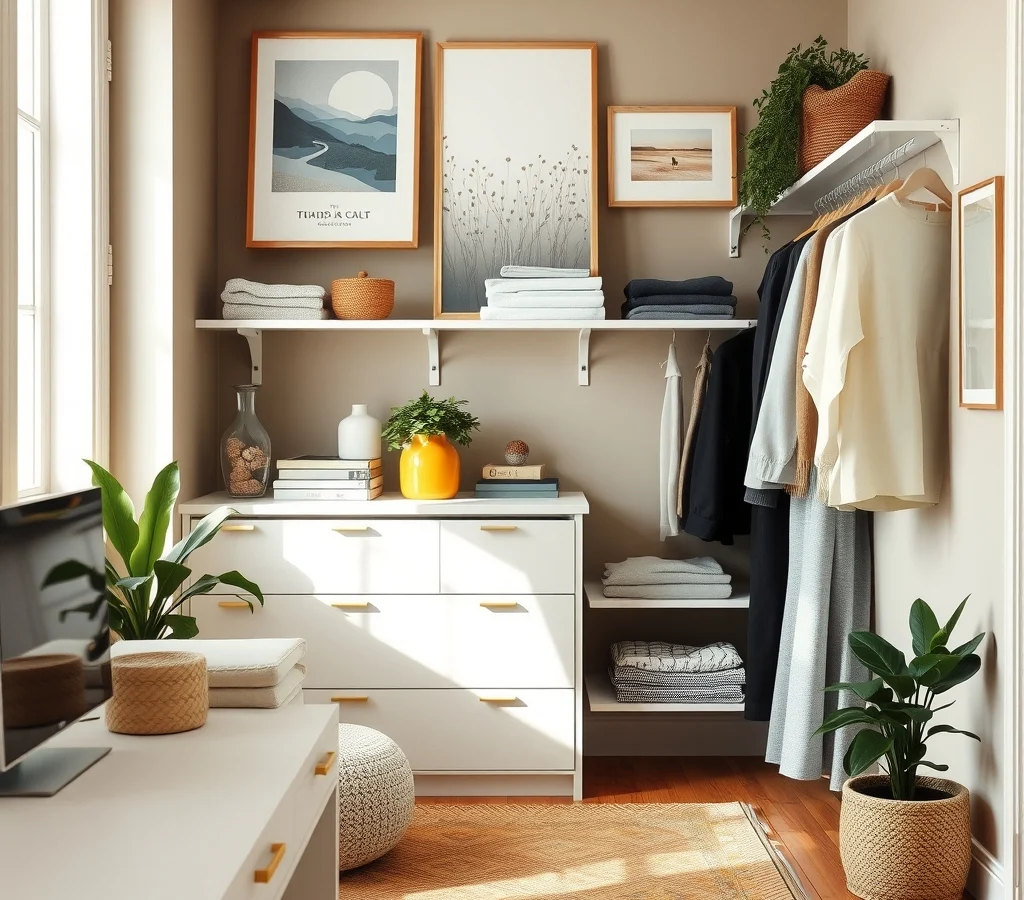
When a narrow hallway closet feels more like a cramped storage closet, the first thought is often to buy a bigger wardrobe. Yet a few thoughtful adjustments can turn even the tiniest closet into a functional, pleasant space. Below are seven ideas that treat every shelf, door, and corner as an opportunity for order, style, and ease of use. You’ll discover how simple changes in layout, accessories, and lighting can make a noticeable difference without a major renovation.
1. Install Adjustable Shelf Supports
© 2026 AI Illustrator — Inspiration Only
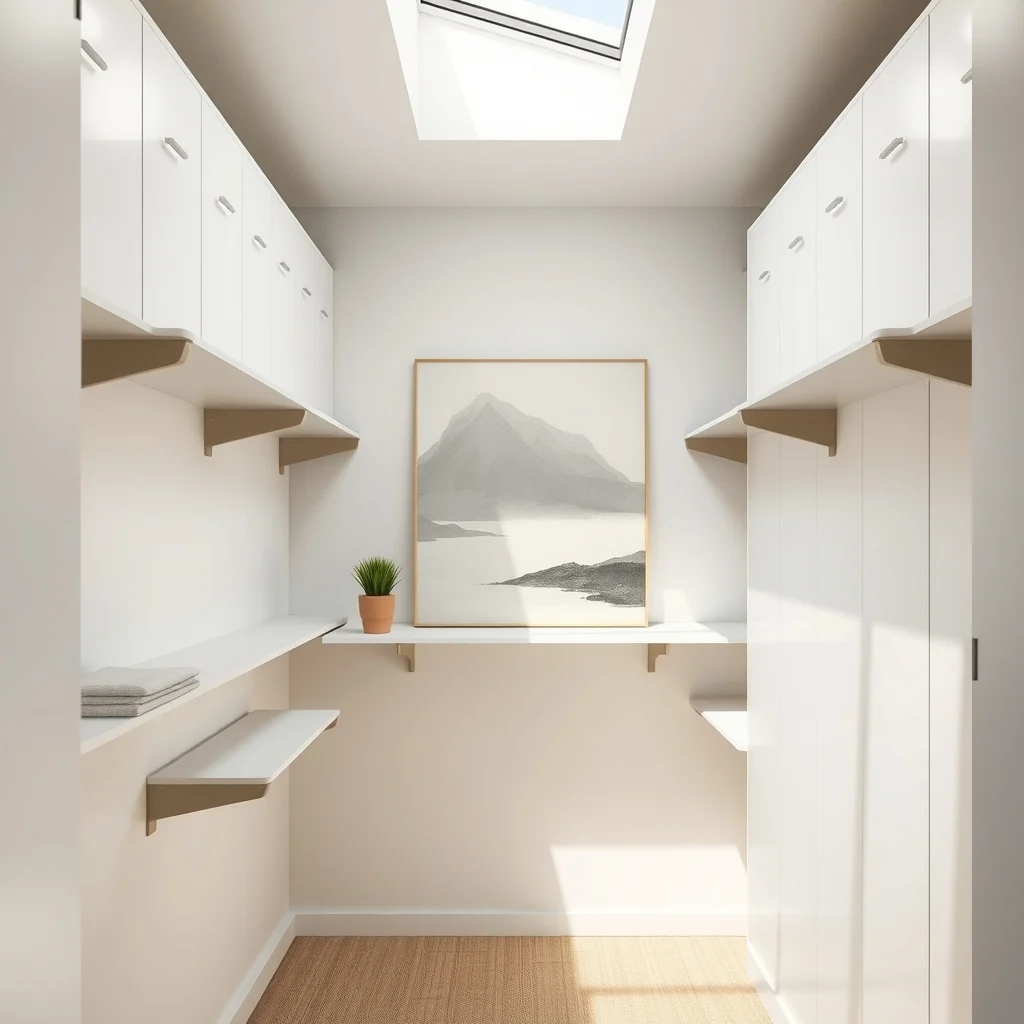
Fixed shelves are a common source of wasted vertical space. By replacing them with adjustable metal or wooden supports, you gain the freedom to set each level exactly where your items fit best. For example, a row of folded sweaters can occupy a taller compartment, while a stack of shoes fits nicely on a lower shelf. The ability to move the supports also means you can re‑configure the closet as your wardrobe changes through the seasons. When installing, make sure the brackets are securely anchored to the side walls; this prevents sagging over time. The modest cost of a set of supports is offset by the extra storage they create, and the process can be completed with a screwdriver and a level.
2. Add Pull‑Out Bins for Small Accessories
© 2026 AI Illustrator — Inspiration Only
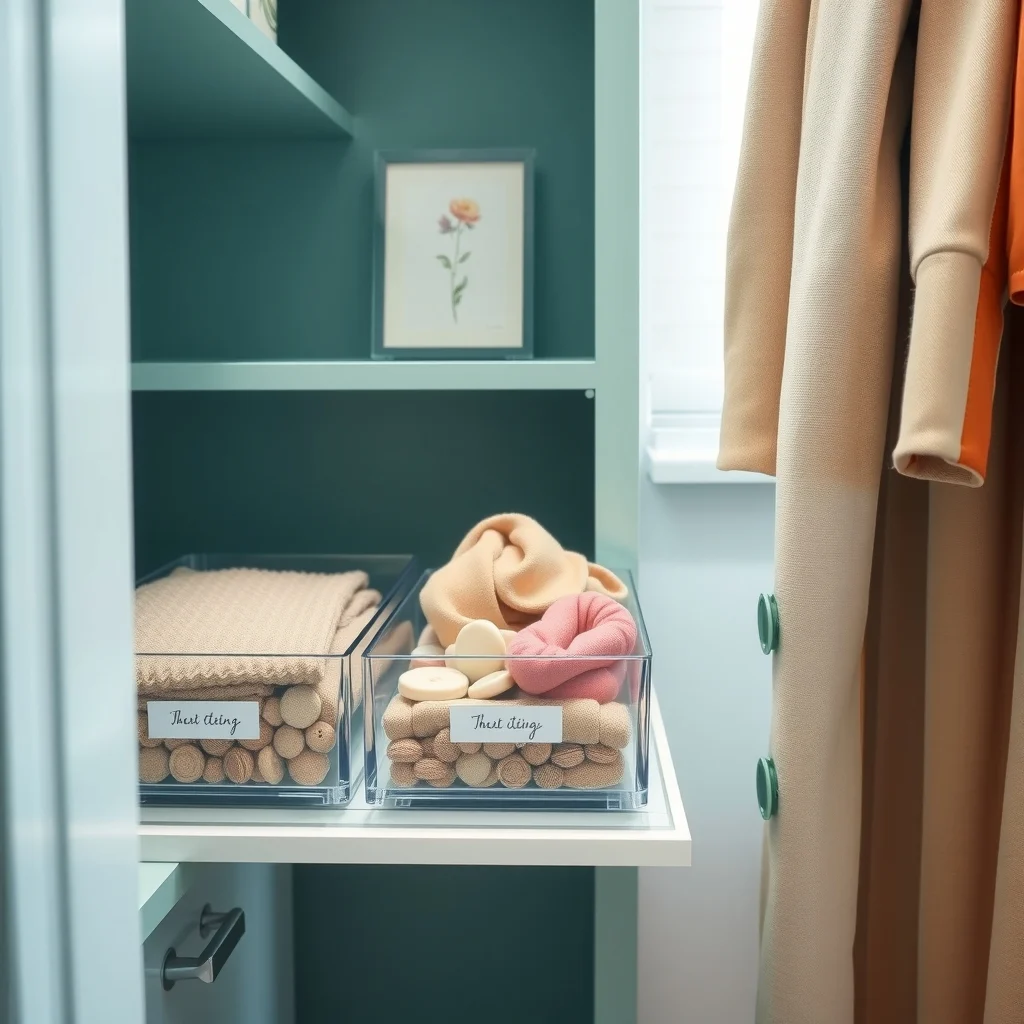
Buttons, scarves, and seasonal accessories often disappear into the back of a drawer or tumble on the floor. Pull‑out bins that slide on low‑friction runners keep these items visible and reachable. Choose clear acrylic bins for a light look, or woven fabric bins that add texture while still allowing you to see the contents. Position the bins on the lowest shelf so they can be pulled out fully without obstruction. One trade‑off is that the bins occupy some shelf depth, so they work best when the shelf is deeper than the bin itself. Regularly emptying and reorganizing the bins prevents them from becoming another source of clutter.
3. Use a Hanging Organizer on the Closet Door
© 2026 AI Illustrator — Inspiration Only
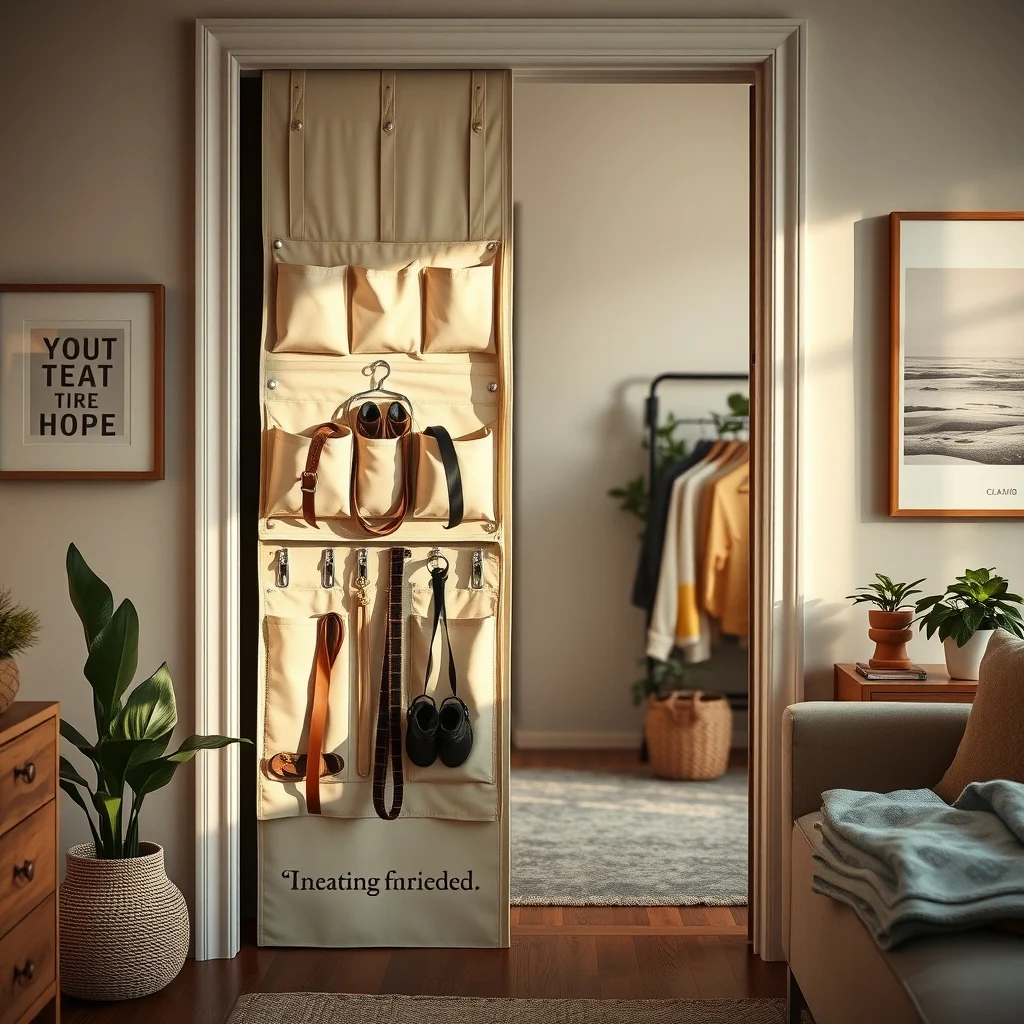
The interior side of the door is an often‑overlooked surface that can hold a surprising amount of weight. A fabric or canvas hanging organizer with multiple pockets provides dedicated spots for shoes, belts, and even small bags. Because the organizer hangs from the door’s top rail, it does not interfere with hanging clothes on the rod. Opt for a design with reinforced stitching to avoid tearing when the door is opened and closed frequently. If the door is a sliding type, a pocket system that attaches with adhesive hooks can be a practical alternative. Keep the organizer’s color neutral so it blends with the closet’s existing palette.
4. Incorporate a Tiered Shoe Rack
© 2026 AI Illustrator — Inspiration Only
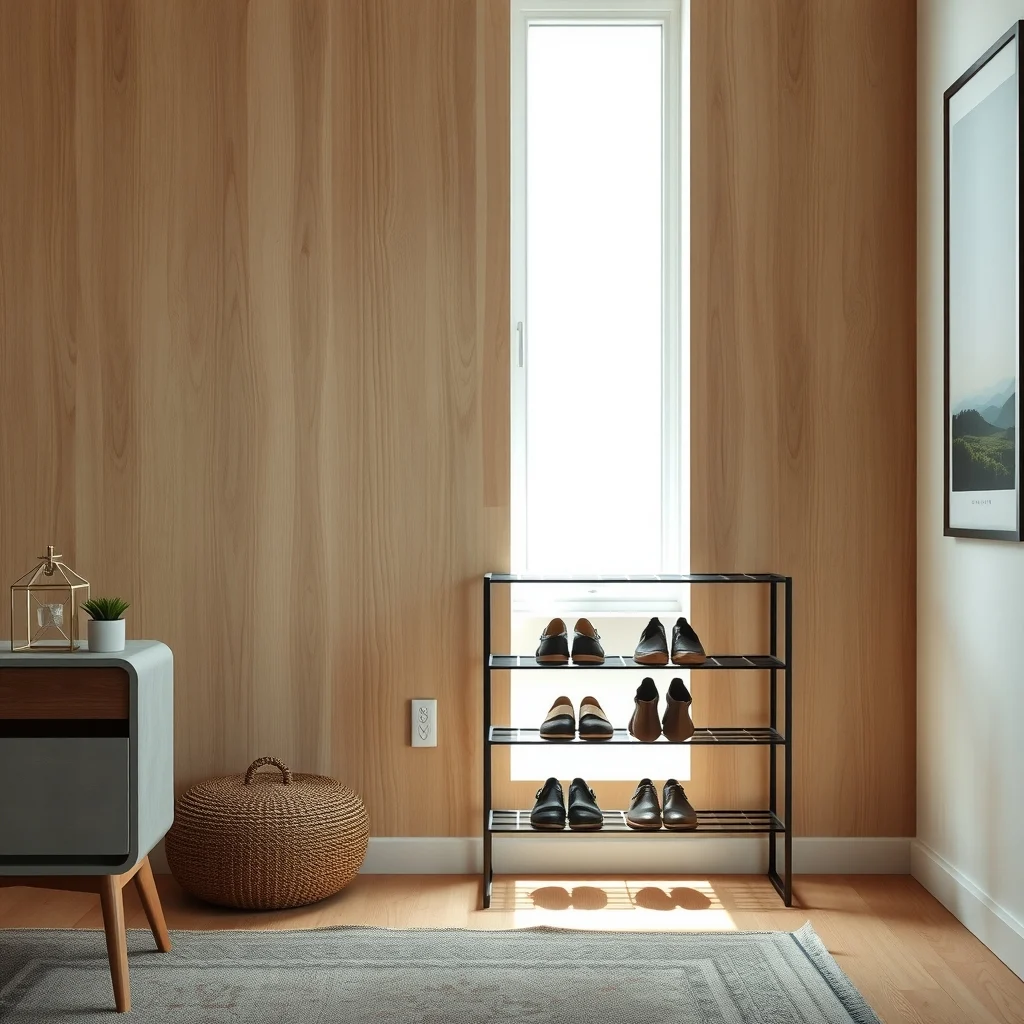
Shoes take up a lot of floor space, but a tiered rack can turn that vertical volume into usable storage. A three‑tier rack made from brushed metal or powder‑coated steel adds a modern touch while holding everything from flats to boots. Place the rack against a back wall so the open side faces the closet interior, making each pair easy to pull out. The open design encourages airflow, reducing the chance of odor buildup. Be aware that a tall rack may limit headroom near the top shelf, so position it where you don’t need to reach high items.
5. Attach a Slim Pull‑Out Drawer to the Side Wall
© 2026 AI Illustrator — Inspiration Only
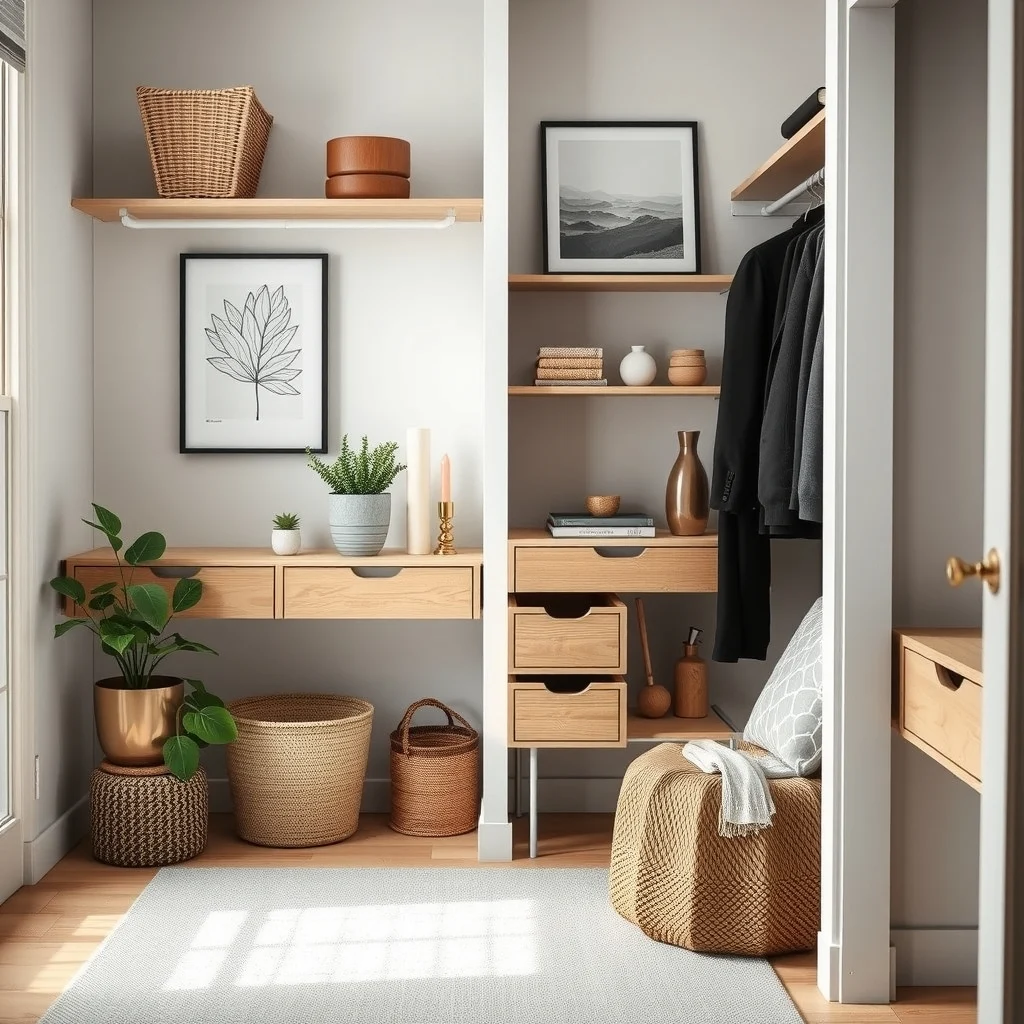
Many closets have a narrow side wall that is rarely used. Installing a slim, shallow pull‑out drawer there creates a hidden compartment for items like jewelry, watches, or delicate fabrics. The drawer can be built from the same wood finish as the existing shelves for a cohesive look. Because it slides out on a single rail, you can reach the back without having to empty the entire shelf. The main limitation is the drawer’s depth; it works best for thin items rather than bulky sweaters. A simple handle or recessed pull keeps the drawer’s surface sleek.
6. Add Battery‑Operated LED Strips for Better Light
© 2026 AI Illustrator — Inspiration Only
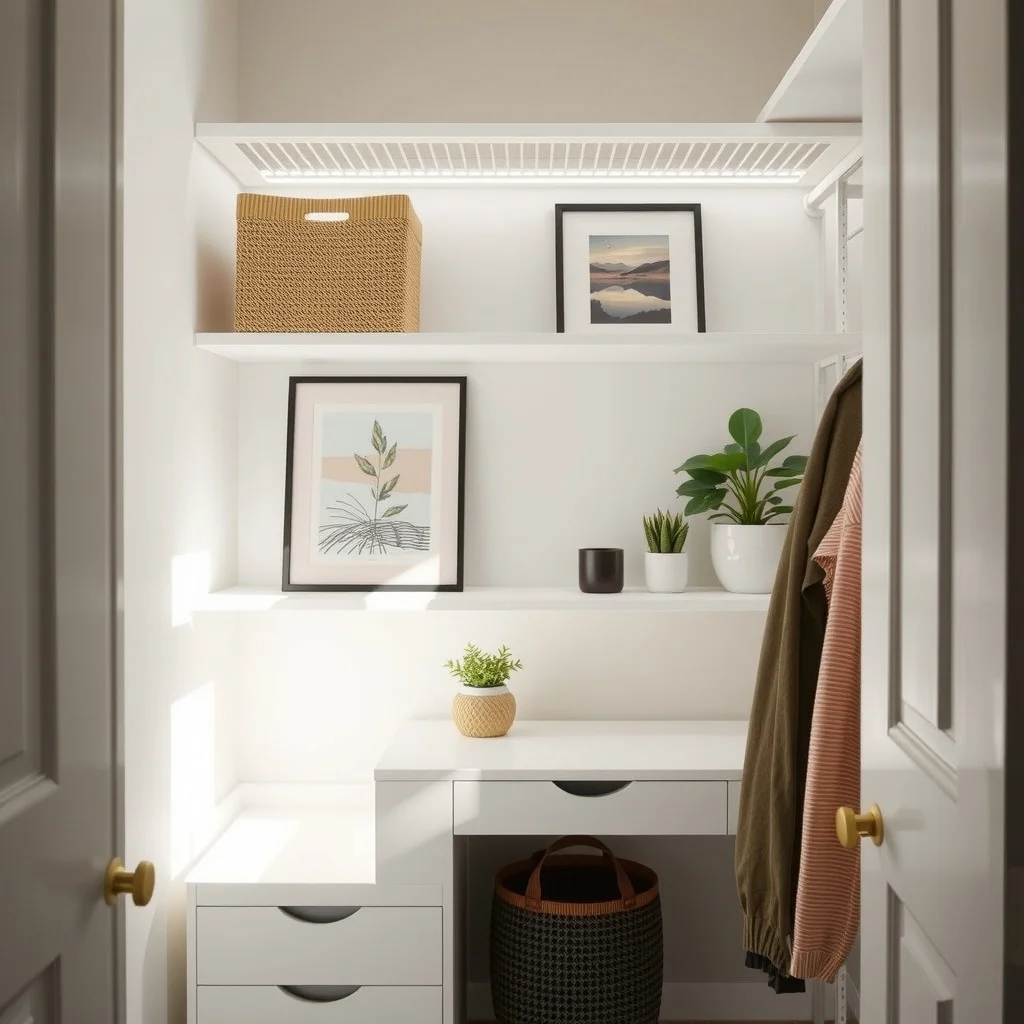
Insufficient lighting makes it hard to see what’s stored on the back shelf, leading to forgotten pieces. A thin LED strip that adheres to the inner top edge of the closet provides uniform illumination without wiring. Choose a warm‑white color temperature to complement the natural tones of clothing and avoid harsh glare. The battery‑powered option eliminates the need for electrical work, and the strip can be removed or repositioned if you rearrange the closet. One consideration is that the batteries will need replacement every year or so, depending on usage.
7. Use Velvet or Felt Shelf Liners
© 2026 AI Illustrator — Inspiration Only
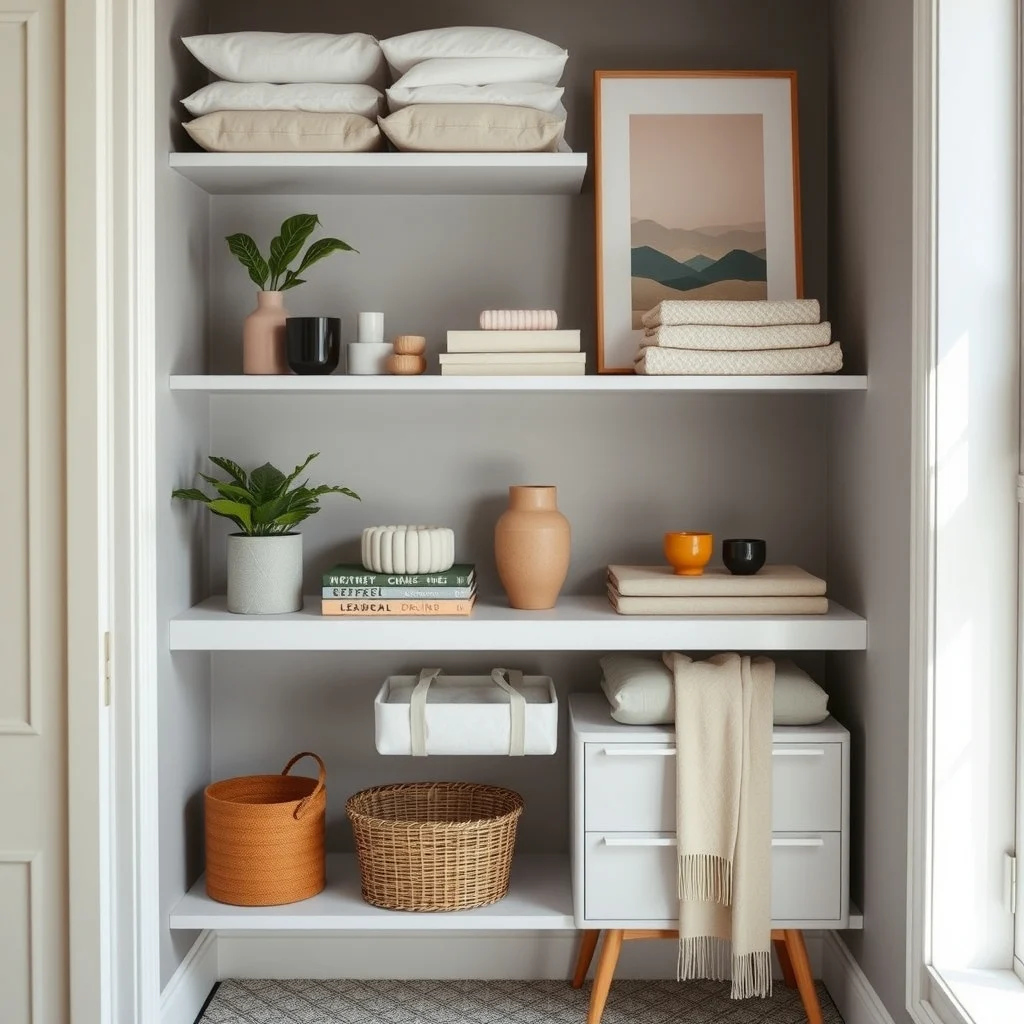
Beyond aesthetics, shelf liners protect surfaces and give a subtle cushion that keeps delicate items from sliding. Velvet or felt liners in a soft neutral shade add a touch of comfort while preventing scarves from slipping off the edge. Because the material is slightly textured, it also helps you feel the items without pulling them out, which can reduce the urge to rummage through the entire shelf. The liners are inexpensive and can be cut to fit any shelf size. If you prefer a more polished look, a thin cork liner offers a natural finish and additional sound‑absorbing qualities.
FAQ
© 2026 AI Illustrator — Inspiration Only
How can I keep my closet organized without buying expensive furniture?
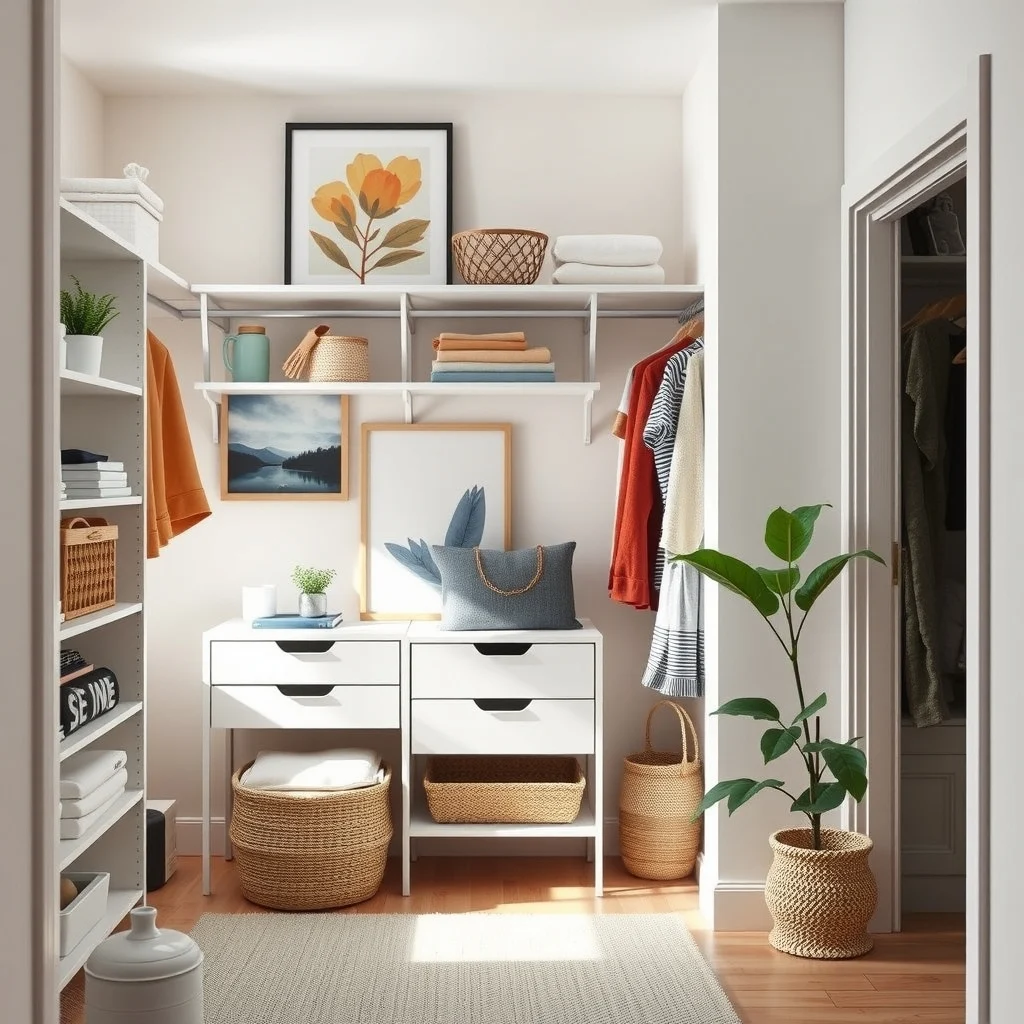
You can achieve a tidy closet by using adjustable shelf supports, pull‑out bins, and simple door organizers, all of which are affordable and easy to install.
What is the best way to store seasonal clothing in a small closet?
Rotate seasonal items to the highest or lowest shelves using adjustable supports, and keep out‑of‑season pieces in clear storage boxes on the floor or under the bed.
Are battery‑operated LED strips safe for a closet environment?
Yes, they are safe because they do not require wiring and generate little heat. Just follow the manufacturer’s instructions for battery replacement.
Can I use a hanging organizer on a sliding closet door?
A hanging organizer can be attached with adhesive hooks designed for smooth surfaces, providing pocket storage without interfering with the door’s movement.
How often should I replace shelf liners?
Shelf liners typically last a few years; replace them when they become worn or stained to maintain a clean appearance.
Final Thoughts
© 2026 AI Illustrator — Inspiration Only
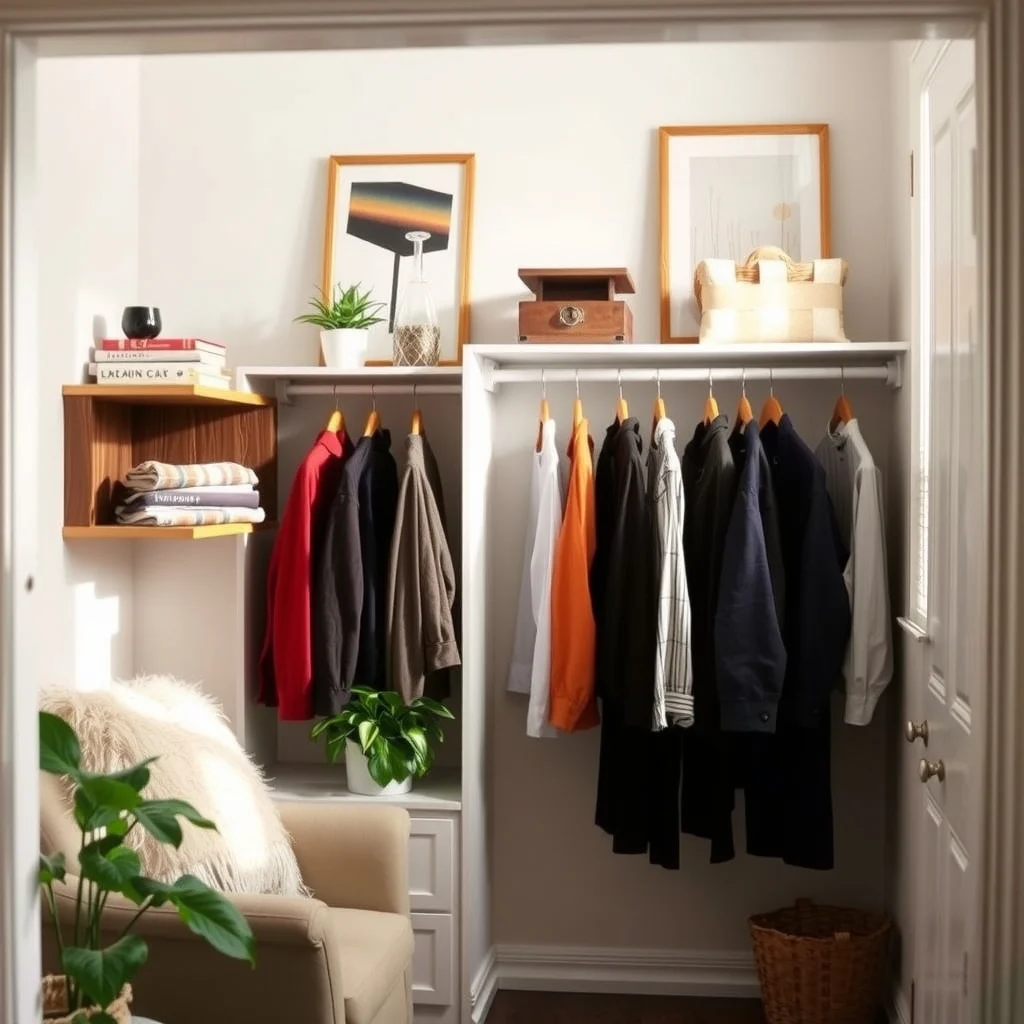
Even the most modest closet can become a well‑ordered space when you treat each shelf, wall, and door as a functional surface. By combining adjustable hardware, thoughtful accessories, and a touch of illumination, you create a system that adapts to changing wardrobes and makes daily routines smoother. The effort spent on these small upgrades pays off in the form of easier outfit selection, less frustration, and a closet that feels intentionally designed rather than improvised.