Decluttering Ideas for Small Homes That Make Everyday Life Easier

Living in a compact space often means every square foot feels contested. A stack of mail on the hallway console, a coat rack that doubles as a shoe shelf, or a kitchen island that crowds the cooking zone can turn daily routines into a series of small frustrations. The good news is that thoughtful organization doesn’t require a complete overhaul; a handful of intentional tweaks can free up room, improve flow, and make the home feel more welcoming. Below are seven practical ideas that fit naturally into a small‑home lifestyle, each explained with the reasoning behind it and tips for making the change work for you.
1. Choose Multi‑functional Furniture That Serves Two Purposes
© 2026 AI Illustrator — Inspiration Only
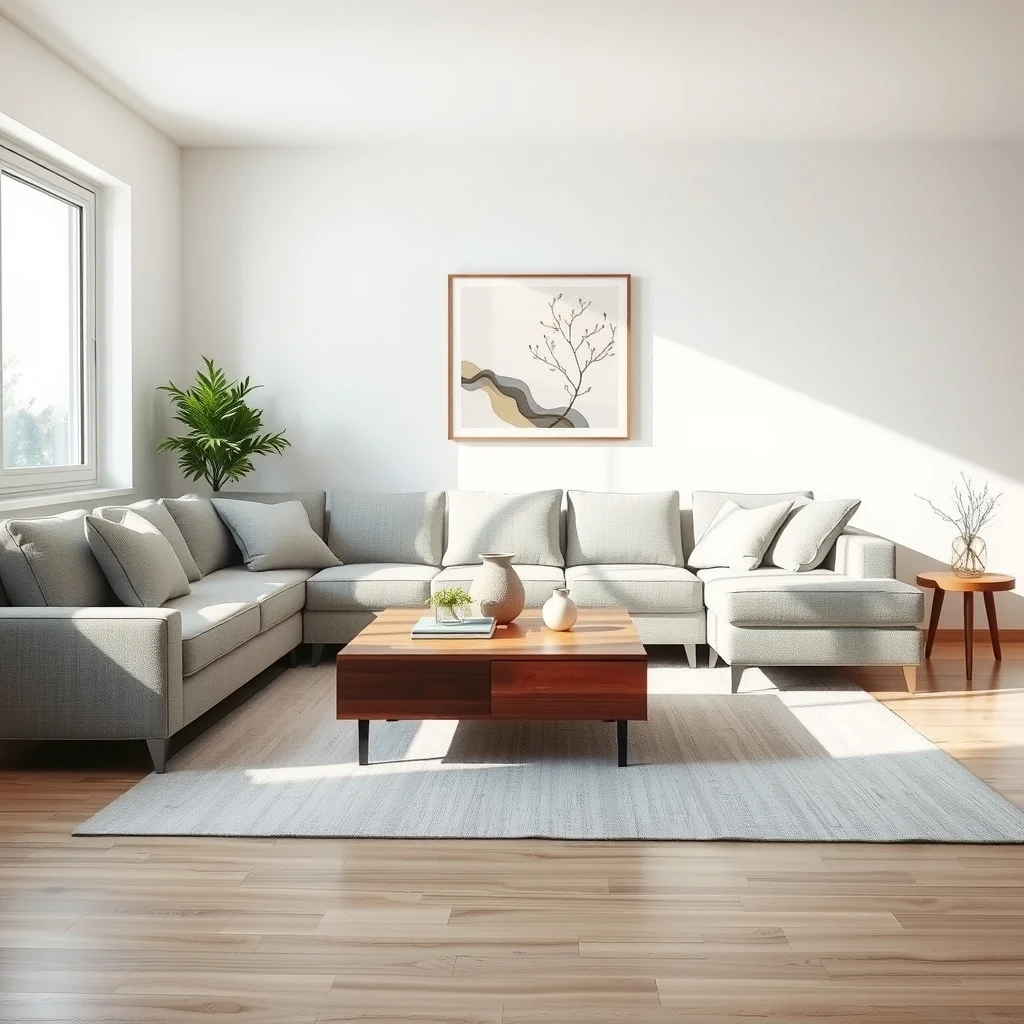
When a piece of furniture can do double duty, the floor plan instantly gains breathing space. A sofa with a hidden storage compartment underneath, for example, lets you tuck away blankets, board games, or seasonal items without needing a separate chest. The key is to select items whose secondary function aligns with the room’s primary activity. In a studio, a daybed with a pull‑out mattress can transition from a seating area to a sleeping zone without the visual disruption of a separate bed frame. Opt for sturdy materials like kiln‑fired oak or powder‑coated metal to ensure durability, especially if the piece will be moved frequently. While the added functionality is a win, be mindful that the extra mechanisms—such as lift‑top hinges—may require occasional maintenance to keep them smooth.
2. Install Vertical Storage Solutions That Draw the Eye Upward
© 2026 AI Illustrator — Inspiration Only
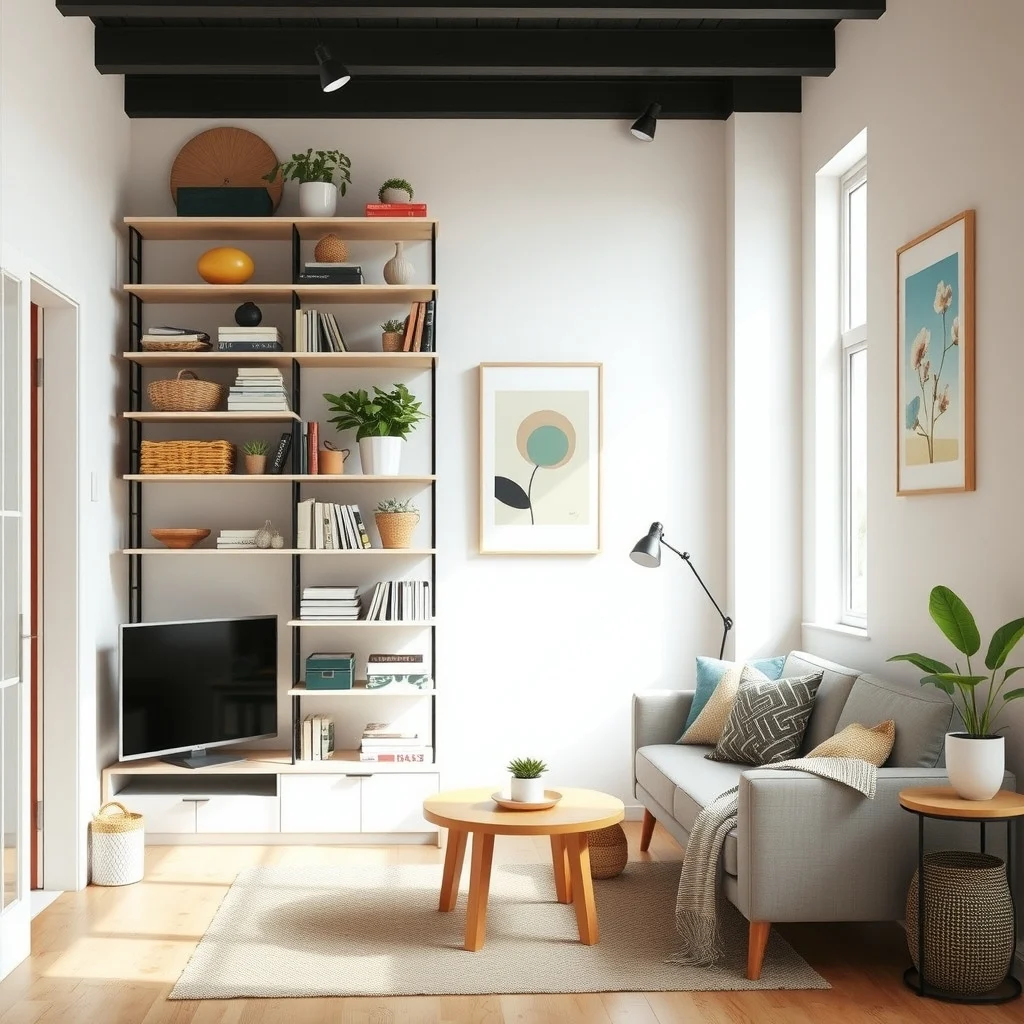
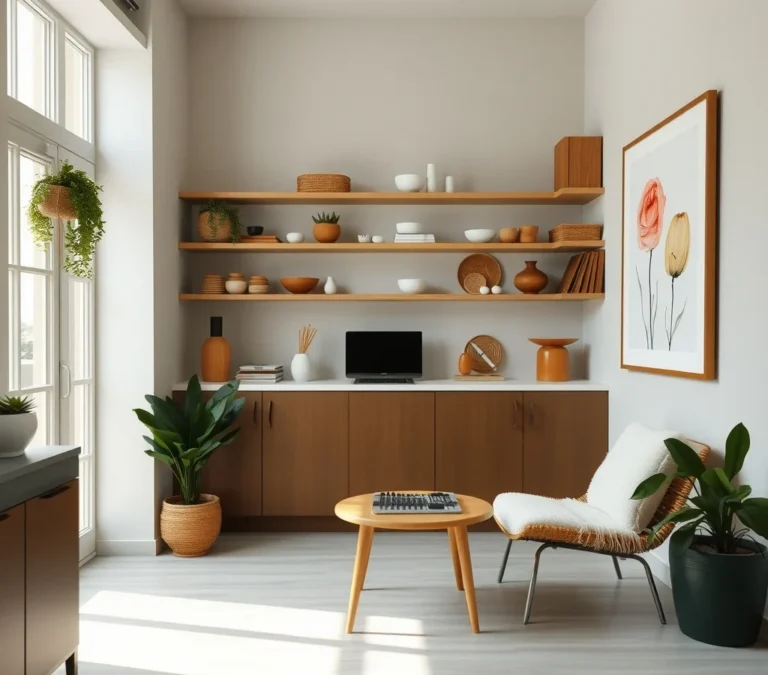
Floor space is at a premium, but walls often remain underutilized. Tall, narrow shelving units that reach toward the ceiling can hold books, decorative boxes, or pantry staples, freeing the lower levels for everyday use. A vertical ladder shelf painted in a soft matte white can blend into a light‑filled living room, allowing the eye to travel upward and create a sense of height. Pairing these shelves with woven baskets in natural fibers adds texture while keeping smaller items out of sight. The trade‑off is that reaching the top shelves may be inconvenient for some; placing a small step stool nearby solves the issue without cluttering the floor.
3. Use Clear or Light‑Tinted Containers for Visible Organization
© 2026 AI Illustrator — Inspiration Only
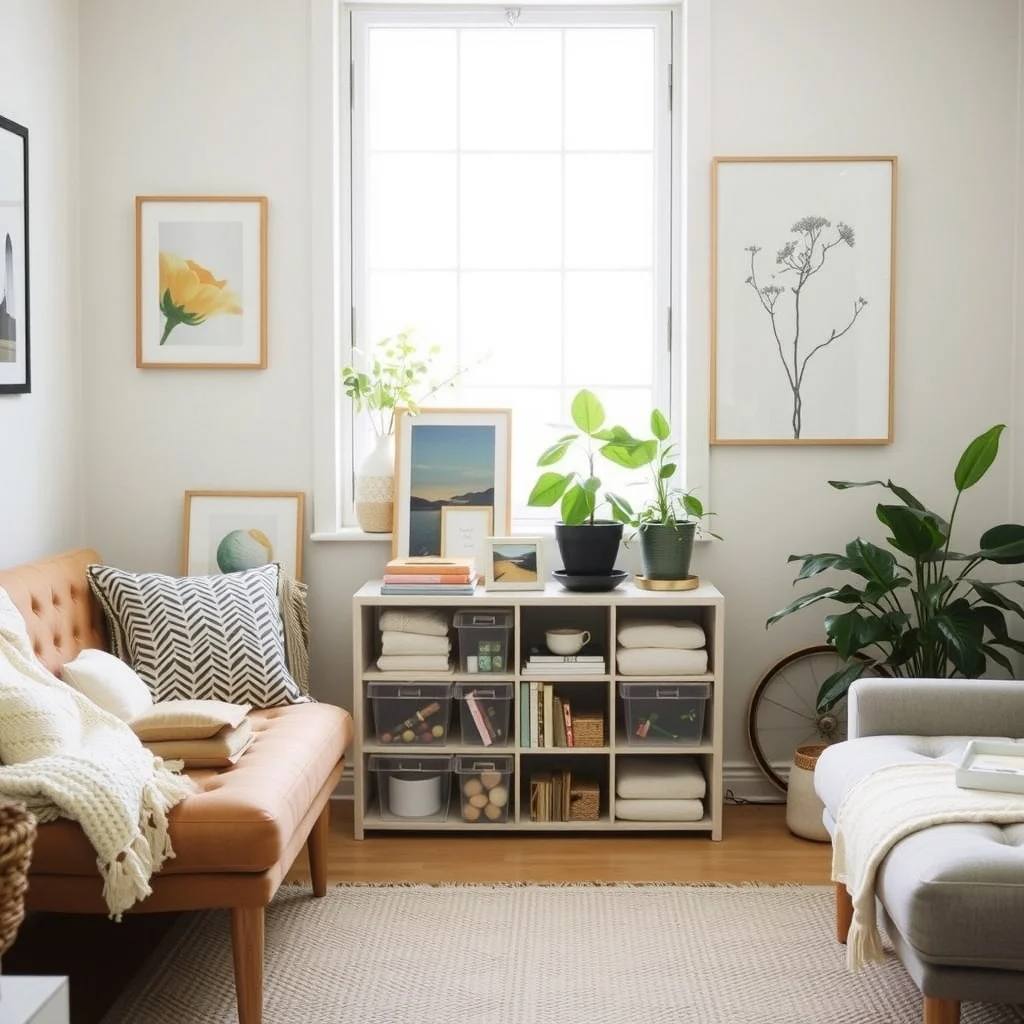
When you can see the contents of a bin at a glance, you spend less time hunting for what you need. Clear acrylic boxes placed on a kitchen counter can hold spices, baking supplies, or snack packets, while still looking sleek against a marble surface. If clear plastic feels too clinical, frosted glass jars in a soft greige hue provide the same visibility with a warmer aesthetic. The advantage of these containers is that they reduce the temptation to over‑accumulate—once you see an empty space, you’re more likely to refill it mindfully. However, glass can be heavier, so reserve it for items that won’t need frequent relocation.
4. Adopt a “One In, One Out” Rule for Personal Items
© 2026 AI Illustrator — Inspiration Only
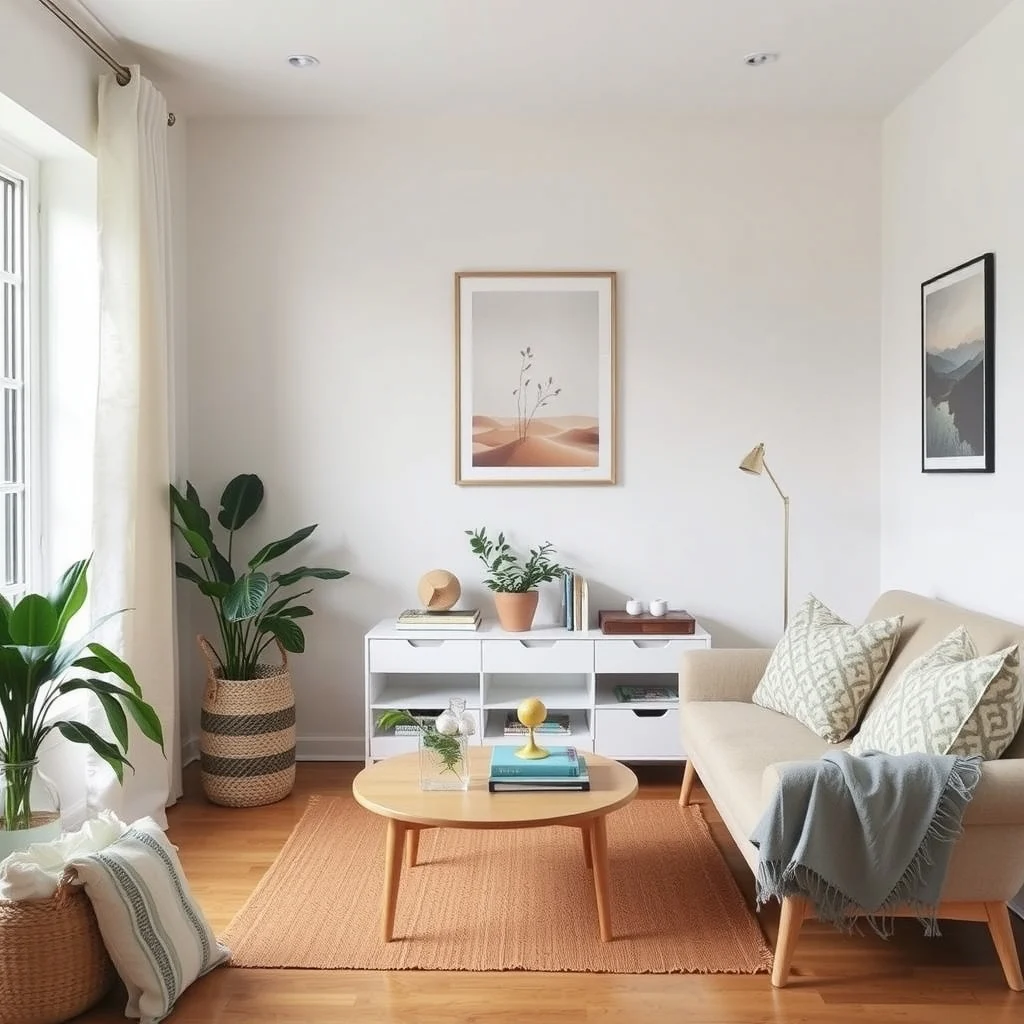
Maintaining balance in a small home often hinges on a simple habit: whenever you bring a new piece of clothing, a book, or a decorative object inside, you remove an older item of the same category. This practice prevents the gradual buildup that can choke a closet or a bookshelf. To make it easier, keep a designated donation bin in the hallway; when it fills, drop it off at a local charity. The rule works best when you apply it consistently across all rooms, from the entryway coat rack to the bathroom vanity. The only downside is the emotional decision‑making involved; setting a timer to give yourself a few minutes to decide can reduce the stress of parting with beloved items.
5. Create Dedicated Drop Zones for Everyday Essentials
© 2026 AI Illustrator — Inspiration Only
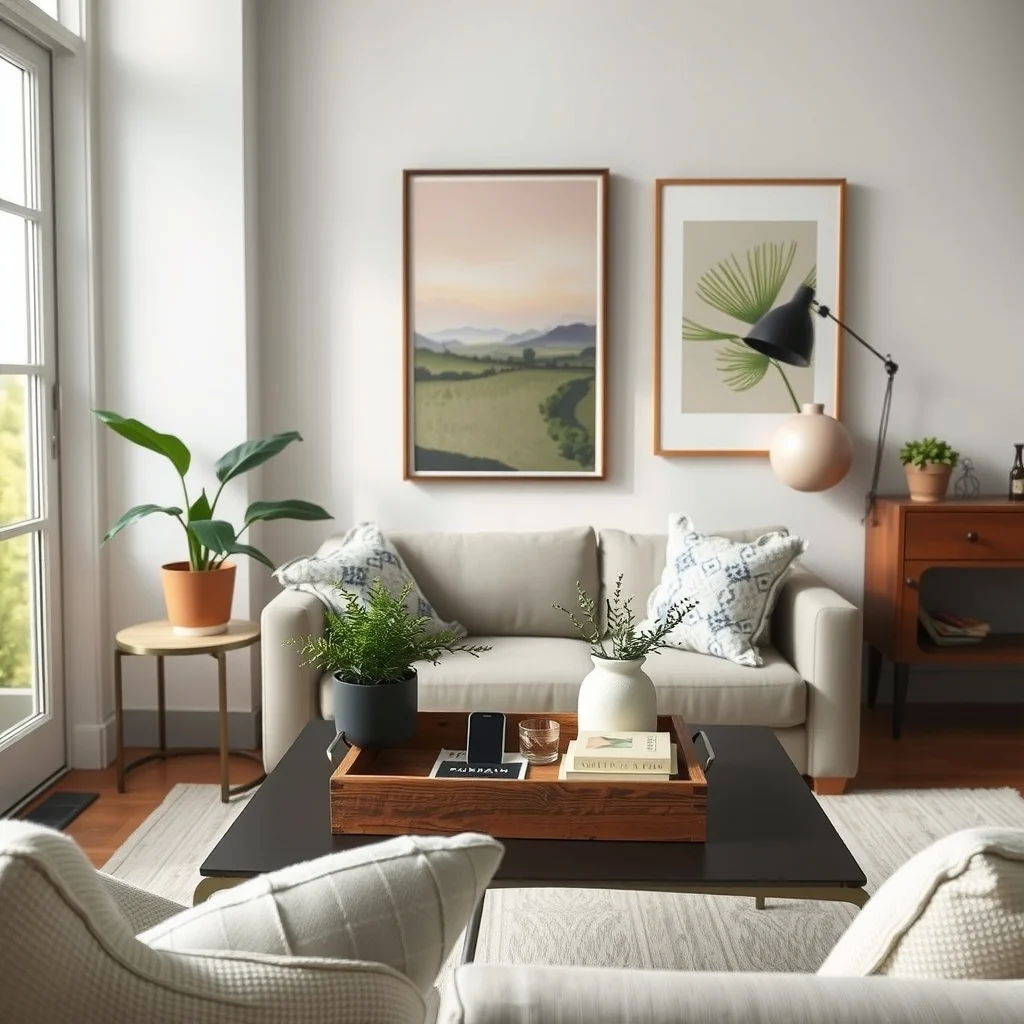
Designating a small tray on the entry table for keys, wallets, and phones stops those items from scattering across countertops and coffee tables. Choose a tray made of reclaimed wood or brushed brass to add a subtle decorative touch while keeping the surface functional. In the kitchen, a narrow rail mounted near the stove can hold frequently used utensils, freeing drawer space for larger cookware. The purpose of a drop zone is to channel high‑traffic items into a single, predictable spot, which reduces visual clutter and the time spent searching. If the chosen location interferes with traffic flow, relocate the tray to a wall niche or a floating shelf instead.
6. Re‑think Your Closet Layout With Adjustable Rods and Hooks
© 2026 AI Illustrator — Inspiration Only
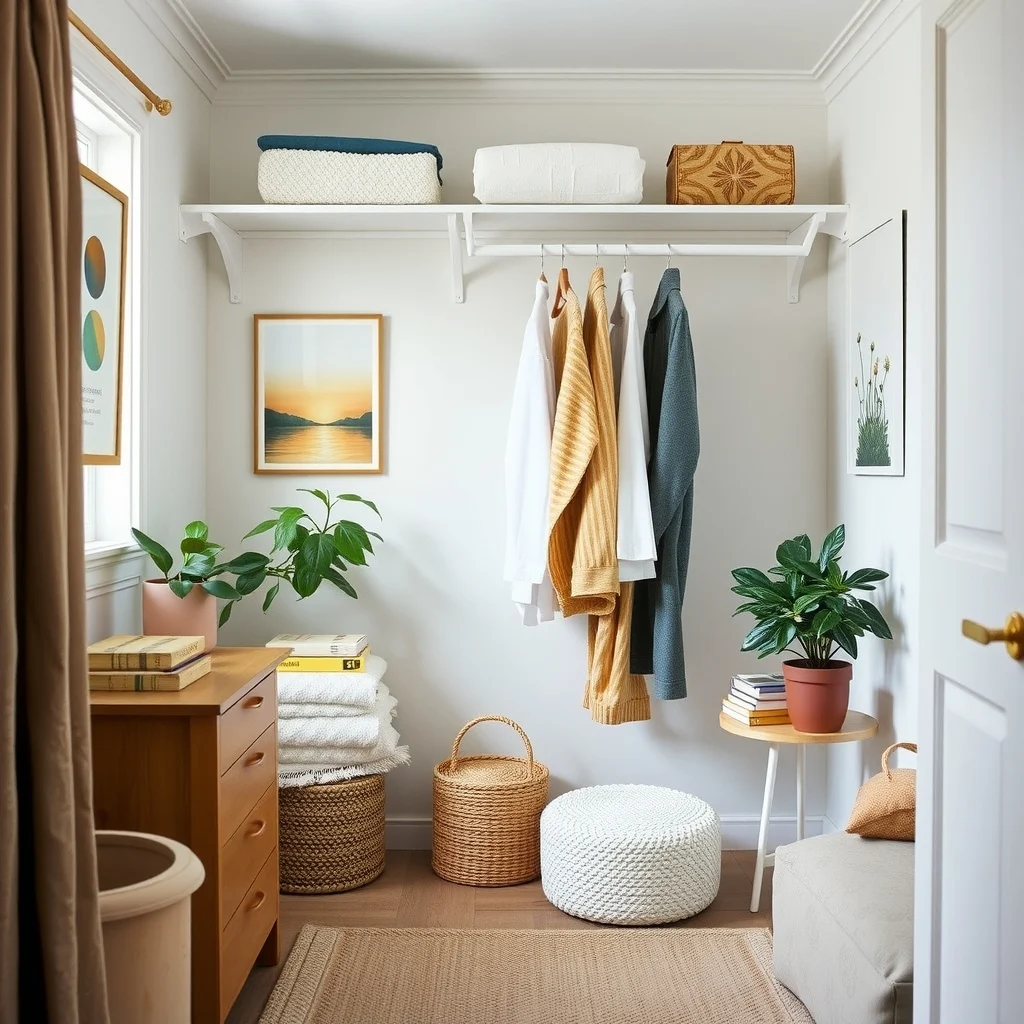
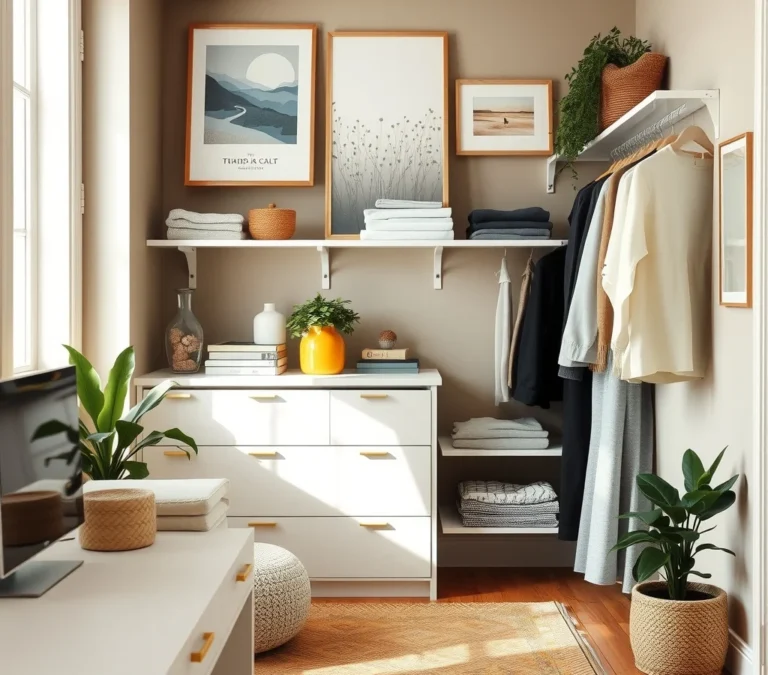
Standard closet rods often leave a lot of dead space between hanging garments. Installing a set of double rods—one at waist height and another near the ceiling—doubles the hanging capacity without expanding the closet’s footprint. Adding slim, stainless‑steel hooks on the interior side of the closet door provides a place for belts, scarves, or a weekly tote. Pair these hardware upgrades with a handful of slim, fabric storage bins that slide neatly onto the lower shelf. While the installation requires a screwdriver and a level, the result is a more organized wardrobe that makes selecting outfits quicker. The only limitation is that very bulky coats may still need a separate garment rack if the closet height is restricted.
7. Embrace Minimalist Wall Treatments to Reduce Visual Load
© 2026 AI Illustrator — Inspiration Only
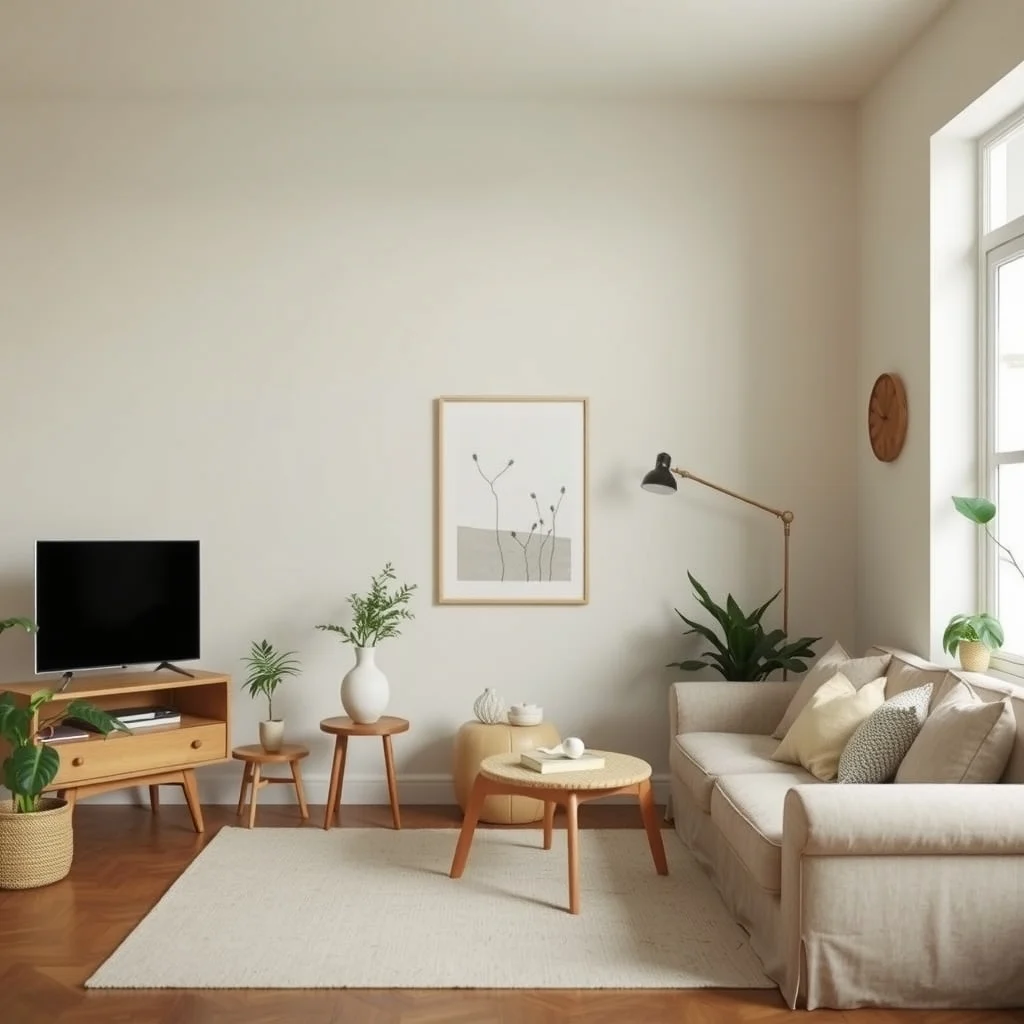
Heavy wallpaper patterns or dark paint can make a small room feel cramped. Opting for a light, neutral wall finish—such as a warm greige or soft sage—creates an airy backdrop that lets furniture and décor breathe. When you do want a splash of personality, consider a single accent wall finished with a subtle textured plaster or a narrow band of muted geometric tiles. This approach adds interest without overwhelming the senses, allowing the room’s proportions to feel balanced. Keep artwork to a few well‑chosen pieces rather than a gallery wall; too many frames compete for attention and shrink the perceived space. The trade‑off is that a minimalist palette may feel less “cozy” to some, but layering in natural textiles—linen cushions, woven throws—reintroduces warmth without adding visual clutter.
Frequently Asked Questions
© 2026 AI Illustrator — Inspiration Only
How can I keep my small kitchen organized without buying expensive storage systems?
Start by using what you already have: repurpose mason jars for dry goods, install a simple tension rod under the sink for cleaning supplies, and group similar items in a single tray on the counter. These low‑cost adjustments free up space and create clear zones for cooking, prep, and cleanup.
What type of lighting works best in a compact living area?
Layered lighting—combining a central ceiling fixture with a floor lamp or table lamp—adds depth without crowding the ceiling. Choose fixtures with a slim profile and a warm‑white LED bulb to keep the room feeling inviting while providing enough illumination for reading or working.
Is it okay to store seasonal clothing in the same closet as everyday wear?
It’s better to separate them. Use vacuum‑sealed bags stored under the bed or on a high shelf for out‑of‑season items, and keep current pieces within easy reach. This prevents the closet from becoming a jumble of folded fabrics and makes daily dressing faster.
Can I use decorative items as storage without looking cluttered?
Yes, when the décor serves a purpose. A stylish woven basket can hold magazines, while a decorative box on a console can store remote controls. Selecting pieces that match the room’s color scheme ensures they blend in rather than stand out as “extra.”
What’s the best way to manage mail and paperwork in a tiny apartment?
Designate a shallow tray near the entryway for incoming mail, and set a weekly reminder to sort it. For documents you need to keep, use a slim filing cabinet that slides under a desk or a wall‑mounted accordion folder. This habit prevents paper piles from spreading across surfaces.
Final Thoughts
© 2026 AI Illustrator — Inspiration Only
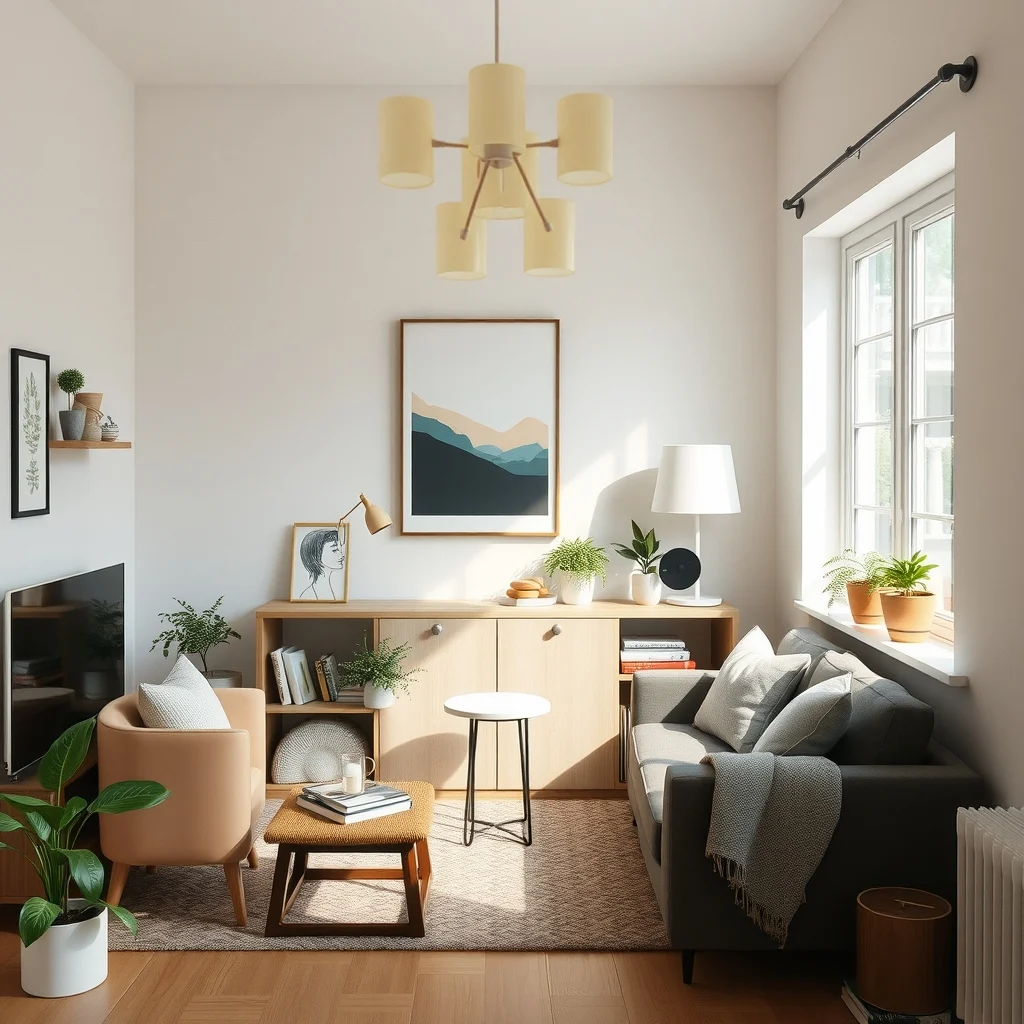
Small homes thrive on intentional choices. By selecting furniture that multitasks, elevating storage to the walls, and cultivating habits that limit excess, you can transform a cramped layout into a functional, pleasant environment. Each idea presented here is adaptable; experiment with the details that suit your style, budget, and daily rhythm. When the space feels organized, the everyday moments—cooking a meal, slipping into bed, or simply relaxing on the couch—become smoother and more enjoyable. Embrace these strategies one step at a time, and watch your home gradually become the calm, efficient haven you deserve.