Small Courtyard Garden Ideas for a Private Outdoor Retreat

Living in a city often means that the only outdoor space you own is a modest courtyard tucked behind the house. When that space feels cramped, it can be hard to picture a place where you can unwind after a long day. The good news is that a few thoughtful design choices can turn even the smallest courtyard into a personal sanctuary. Below are seven ideas that blend planting, structure, and ambiance, each explained with enough detail to help you adapt the concept to your own layout, budget, and lifestyle.
1. Vertical Planting to Maximize Greenery
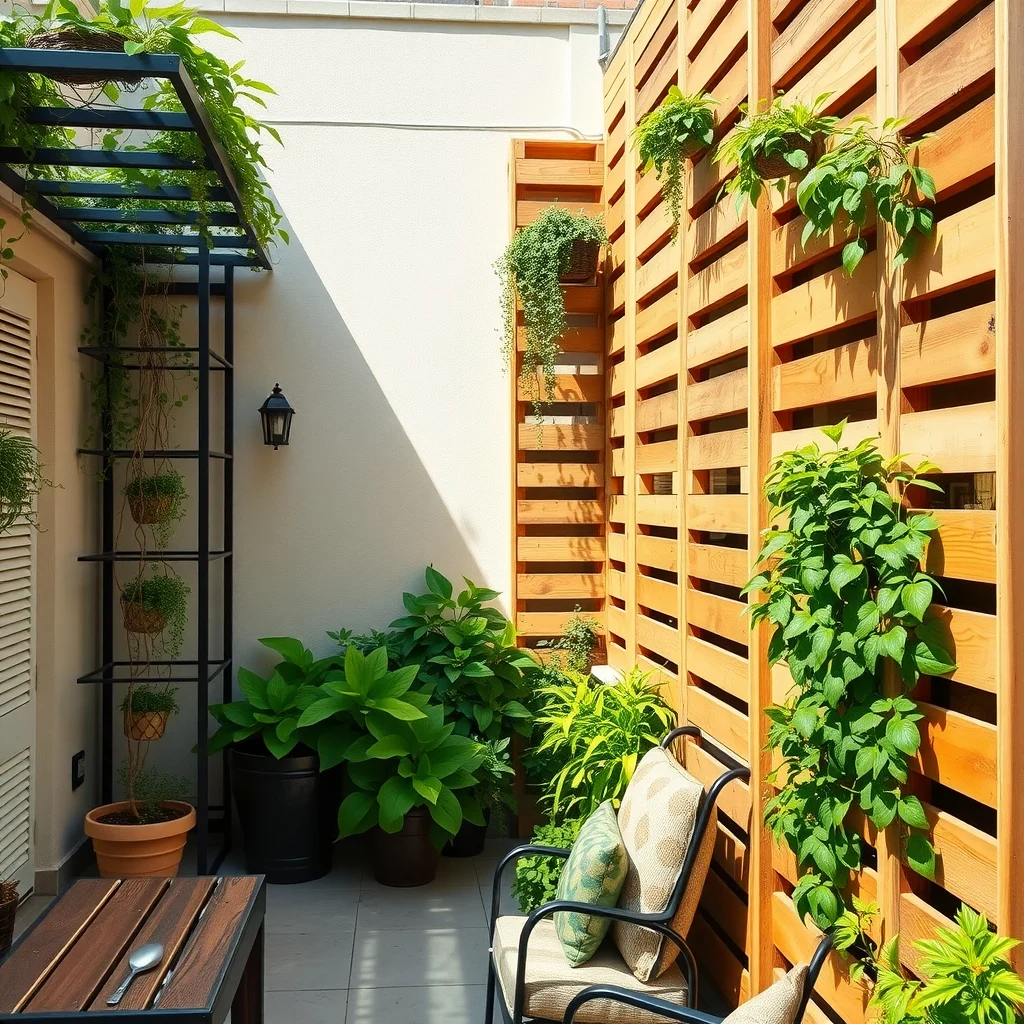
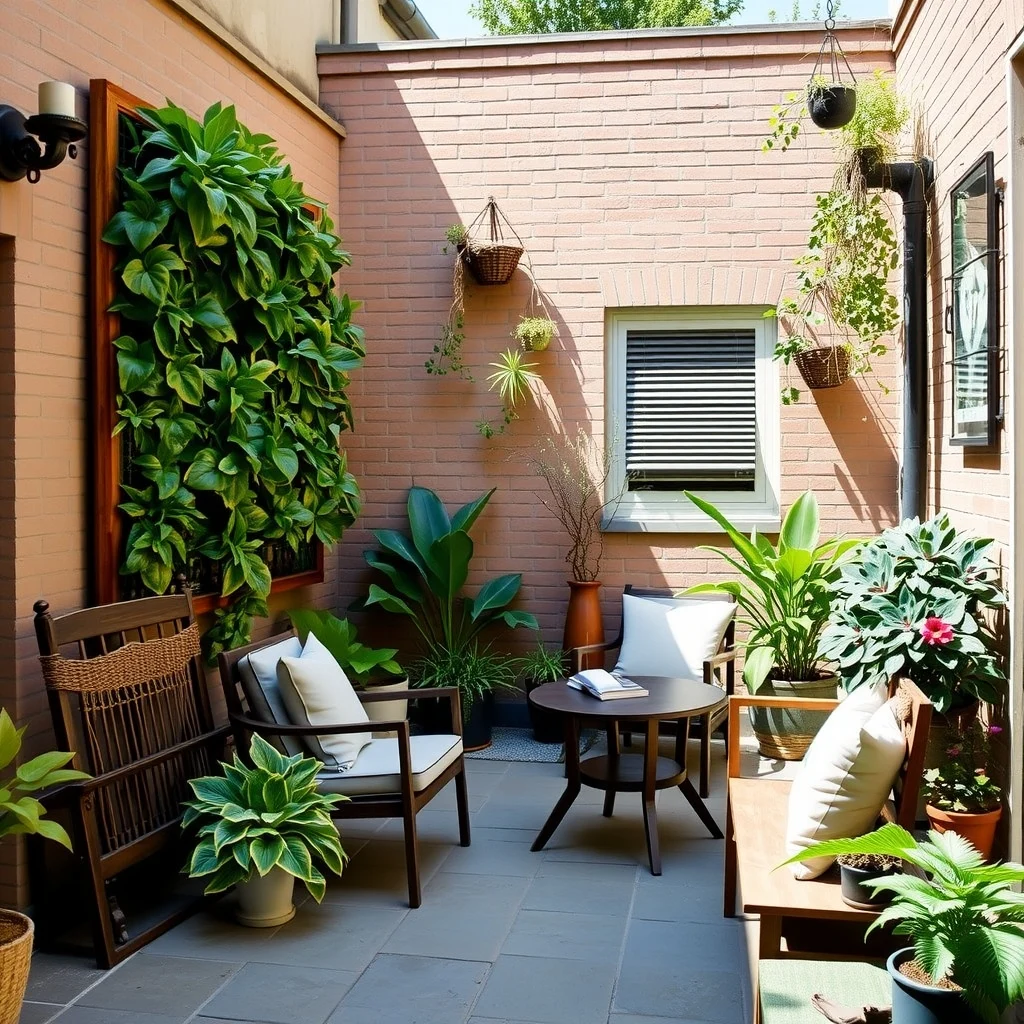
When floor area is limited, the walls become the most valuable real estate for foliage. Installing a series of wooden pallets, metal trellises, or modular planting panels allows you to grow herbs, trailing vines, and compact shrubs upward rather than outward. The visual effect is a lush backdrop that softens concrete and adds a sense of depth. Choose plants with similar water needs to simplify irrigation; for example, pair rosemary with lavender for a drought‑tolerant mix, or combine ferns and hostas for a shade‑loving wall. A vertical garden also creates a natural screen for privacy, shielding the courtyard from neighboring windows. Keep the structure anchored securely, especially if you live in a windy area, and consider a drip‑line system to deliver water directly to the roots without over‑wetting the surrounding paving.
2. A Compact Water Feature for Calm
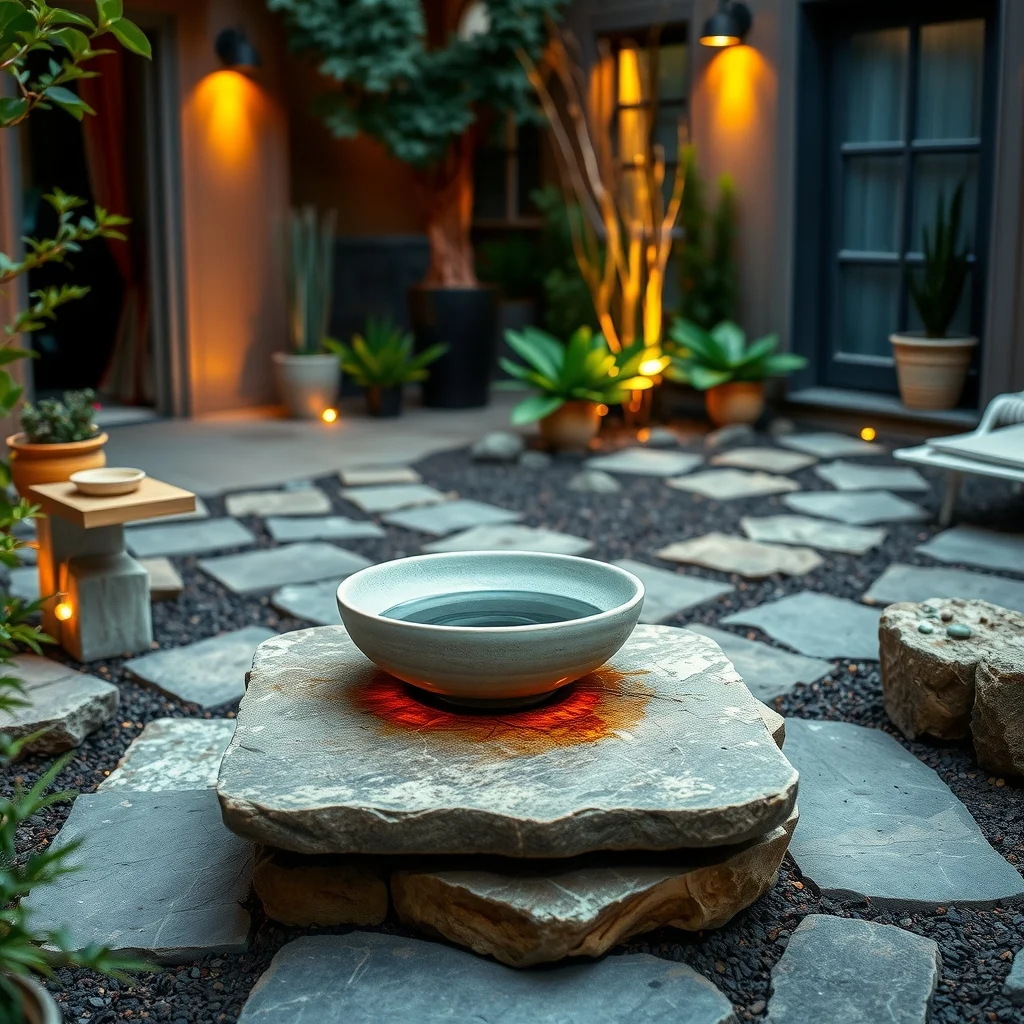
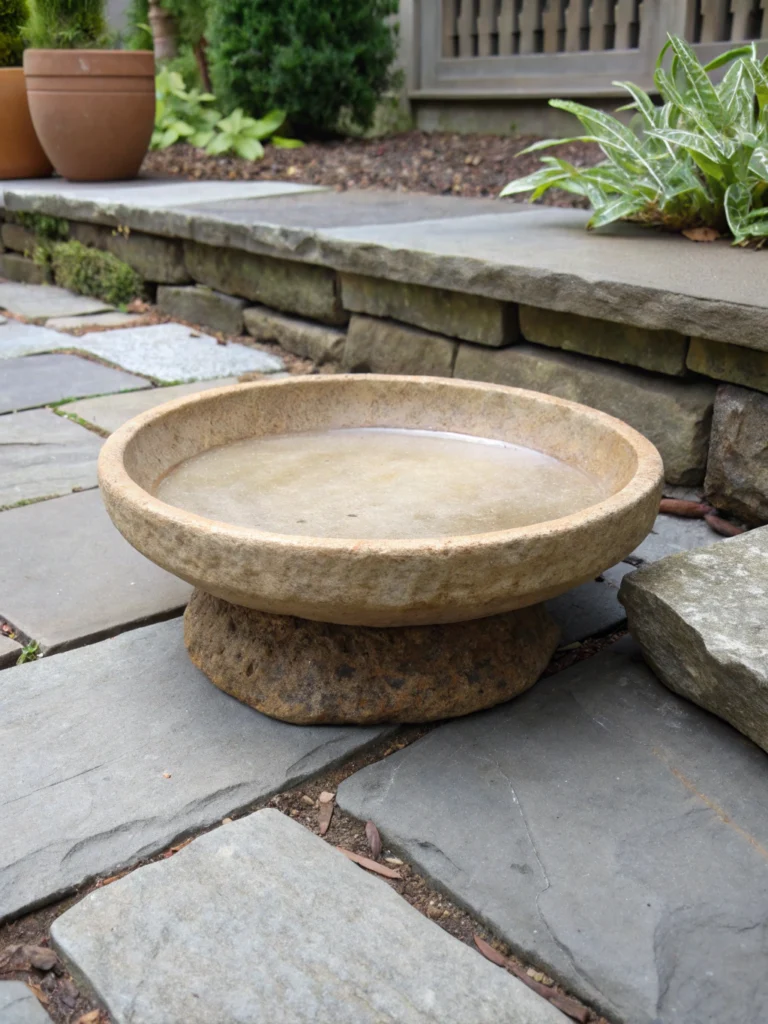
A small fountain or a recirculating pond can introduce the soothing sound of moving water without demanding a large footprint. Ceramic or stone basins placed on a raised platform become focal points, while a low‑flow pump ensures the water circulates quietly. The gentle murmur helps mask street noise and encourages a slower pace. Selecting a feature with a simple geometric shape—such as a round basin or a rectangular trough—makes it easier to integrate with existing paving patterns. To keep maintenance manageable, choose a model with a removable filter and use a water‑tolerant liner that resists algae. Adding a few water‑loving plants, like iris or water lettuce, around the edge enhances the natural feel and reduces evaporation.
3. Multi‑Level Decking for Defined Zones
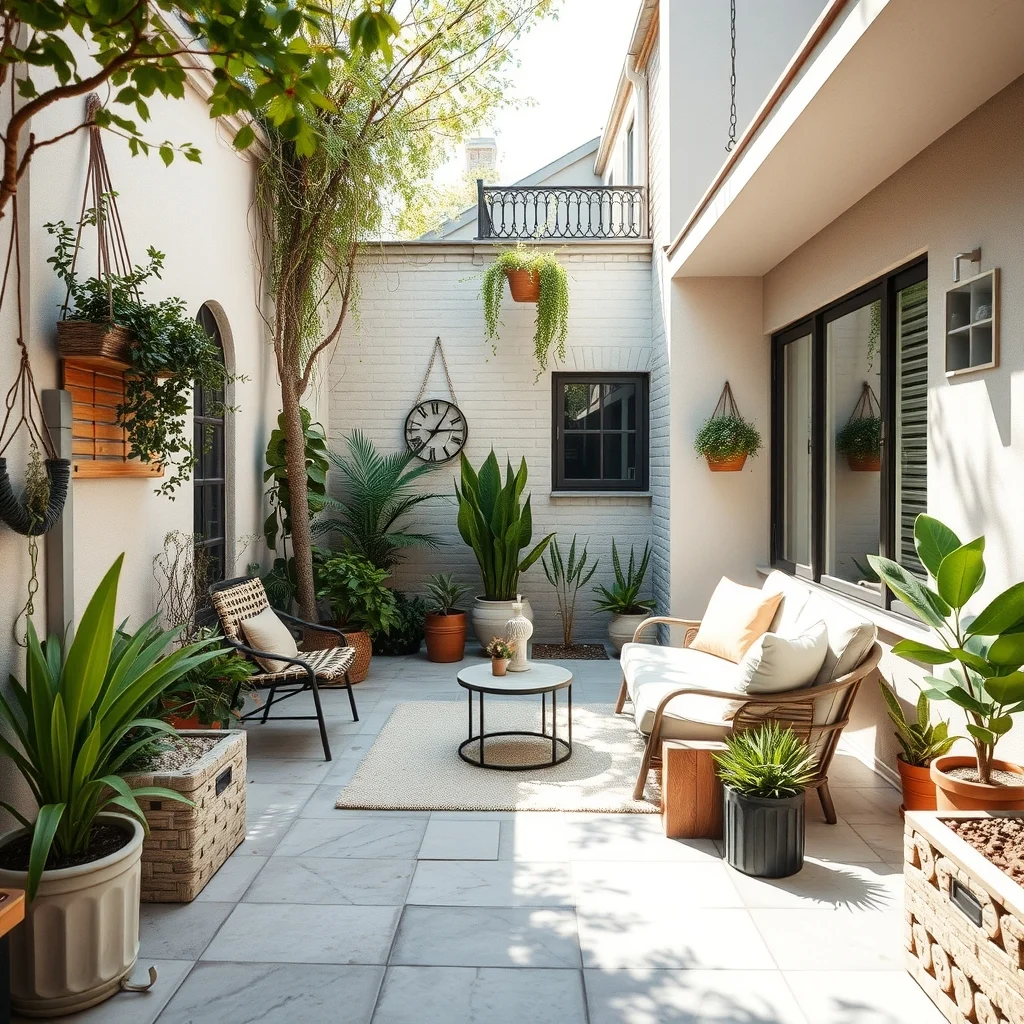
Introducing a raised deck or a set of staggered platforms can divide a narrow courtyard into distinct functional areas without erecting walls. A low deck, built from weather‑treated hardwood or composite decking, can serve as a dining surface, while a slightly lower step creates a lounge nook. The change in height adds visual interest and makes the space feel larger because the eye is drawn upward. Incorporate built‑in planters along the edges of each level to keep greenery close at hand and to soften the transition between hardscape and softscape. Ensure that the deck complies with local building codes regarding load capacity and that the joists are properly anchored to prevent movement over time.
4. Cozy Seating with Weather‑Resistant Textiles
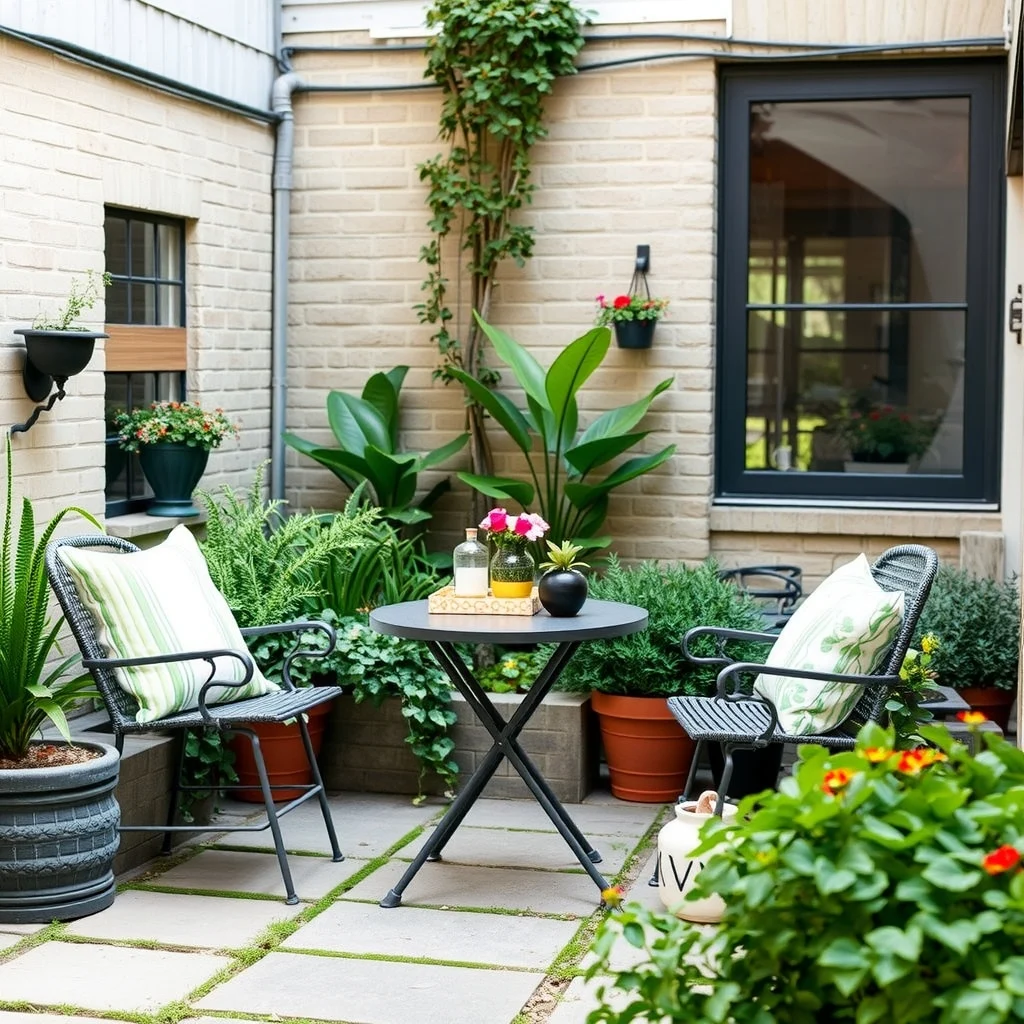
Comfortable seating is essential for a courtyard that you intend to use regularly. A compact bistro set made of powder‑coated aluminum offers durability while remaining lightweight enough to rearrange for seasonal events. Pair the chairs with cushions upholstered in solution‑dyed acrylic fabric; this material resists fading from sun exposure and dries quickly after rain. Adding a small, low‑profile side table creates a place for a cup of tea or a stack of books, reinforcing the sense of a private retreat. If space permits, a narrow bench with a built‑in storage compartment can hold blankets for cooler evenings, keeping the area tidy while providing extra comfort.
5. Integrated Storage Solutions
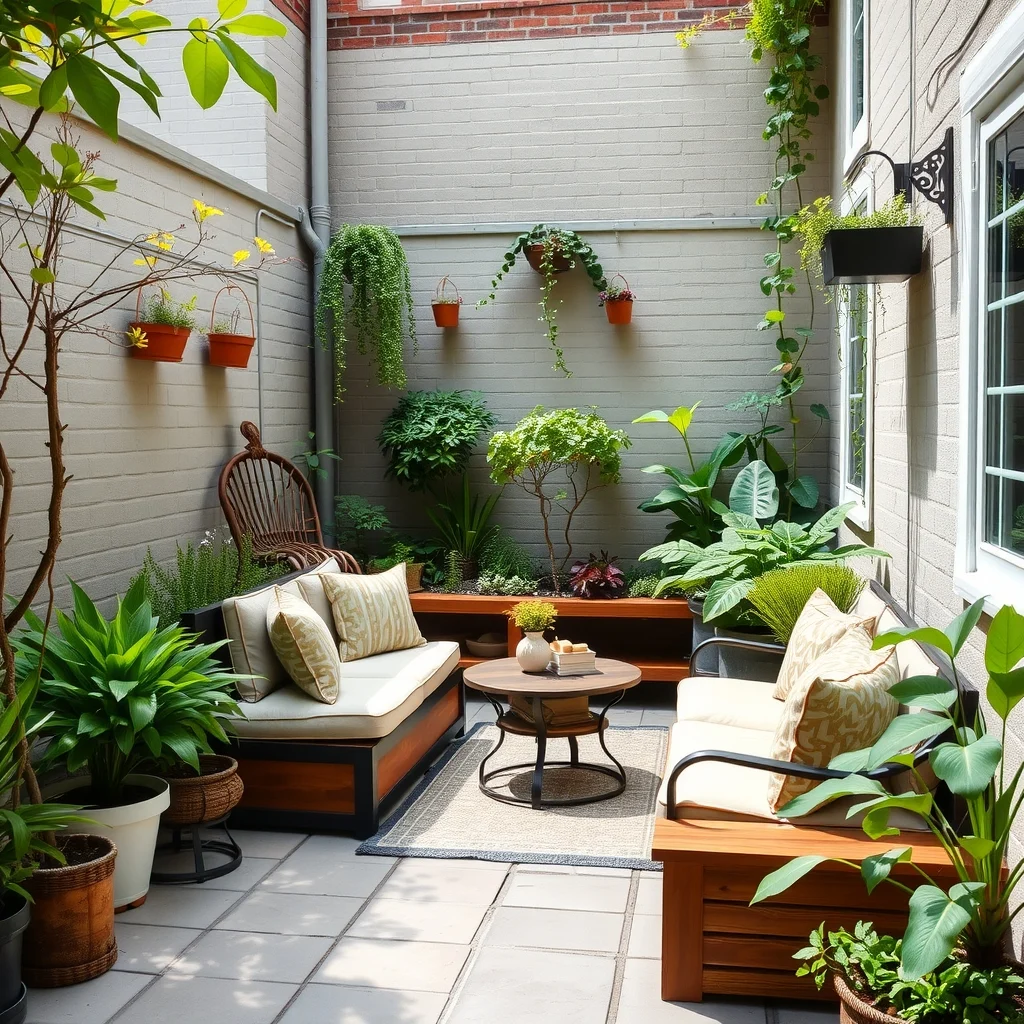
Even the most well‑planned courtyard can become cluttered if tools, cushions, and gardening supplies have nowhere to go. Designing a slim storage bench or a recessed cabinet beneath a raised deck utilizes otherwise wasted space. Choose a finish that matches the decking material to maintain a cohesive look, and incorporate ventilation slots to prevent moisture buildup inside. A lockable latch keeps items secure, while removable trays inside the bench make it easy to sort small pots, seed packets, and garden gloves. By consolidating these necessities, the courtyard remains inviting and free of visual distraction.
6. Layered Lighting for Evening Use
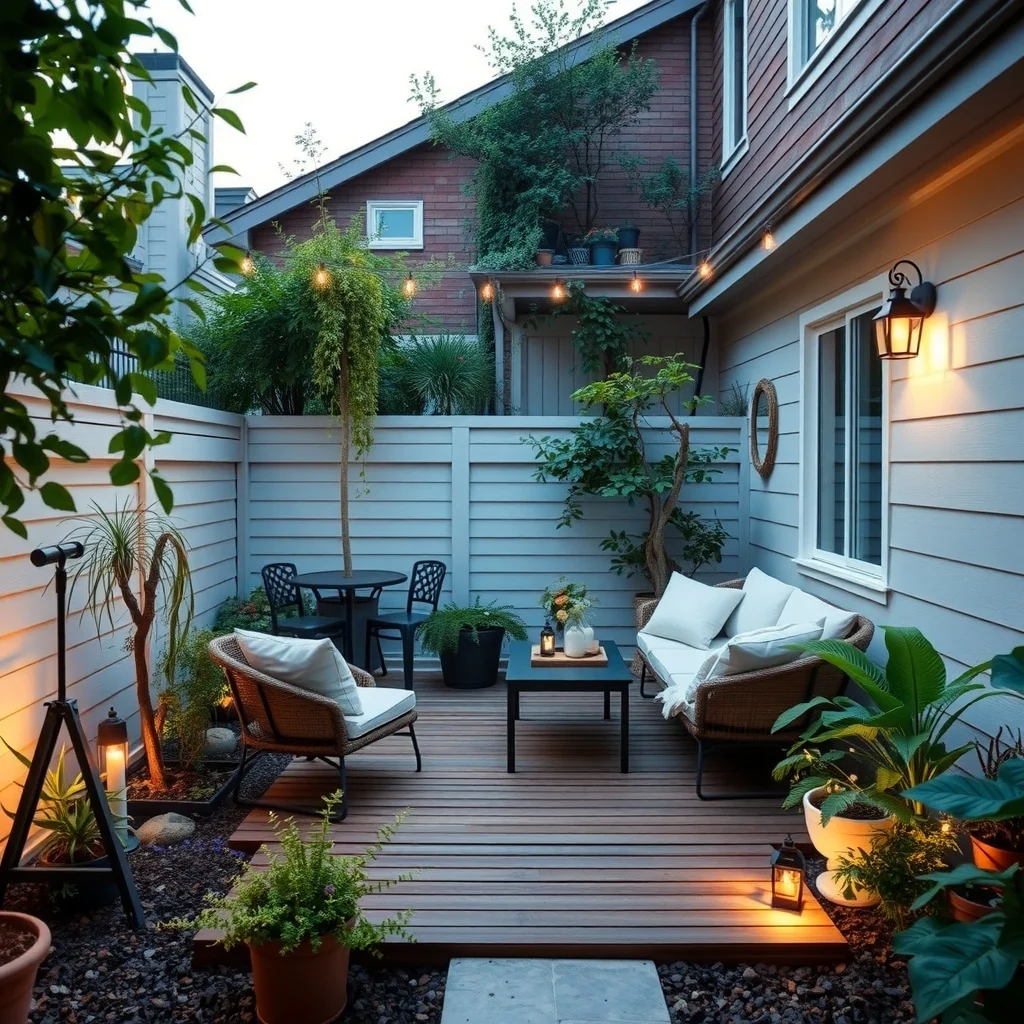
Lighting transforms a courtyard from a daytime garden into an inviting night‑time lounge. Begin with soft, ambient illumination from low‑profile LED strip lights installed along the perimeter of a deck; these provide a gentle wash that outlines the space without glaring. Add a pair of solar‑powered lanterns on the table or hanging from a pergola to create pools of light for reading or dining. Finally, consider a few spotlights aimed at key plants or the water feature; this highlights texture and adds depth after dark. Choose fixtures with a warm color temperature to complement the natural tones of stone and wood, and ensure that any electrical work follows local safety regulations.
7. Seasonal Planting Scheme for Year‑Round Interest
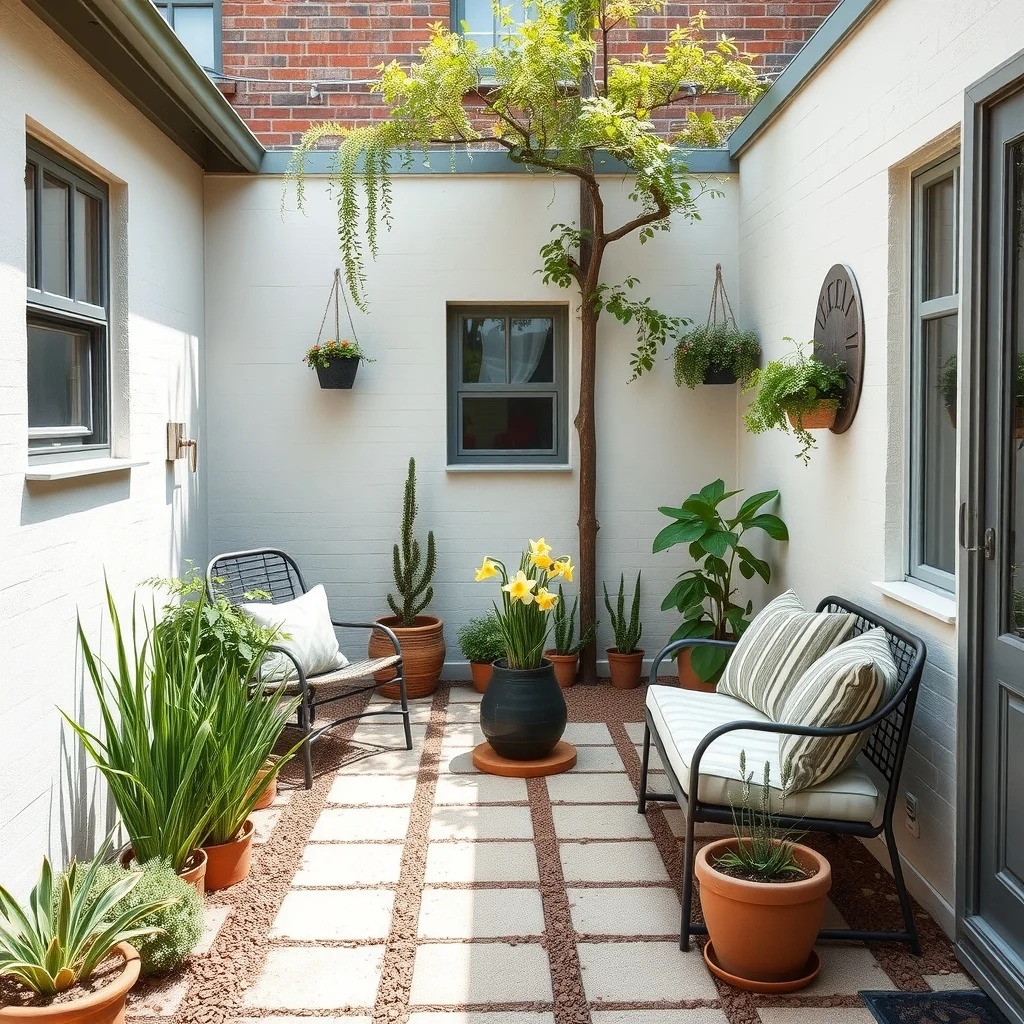
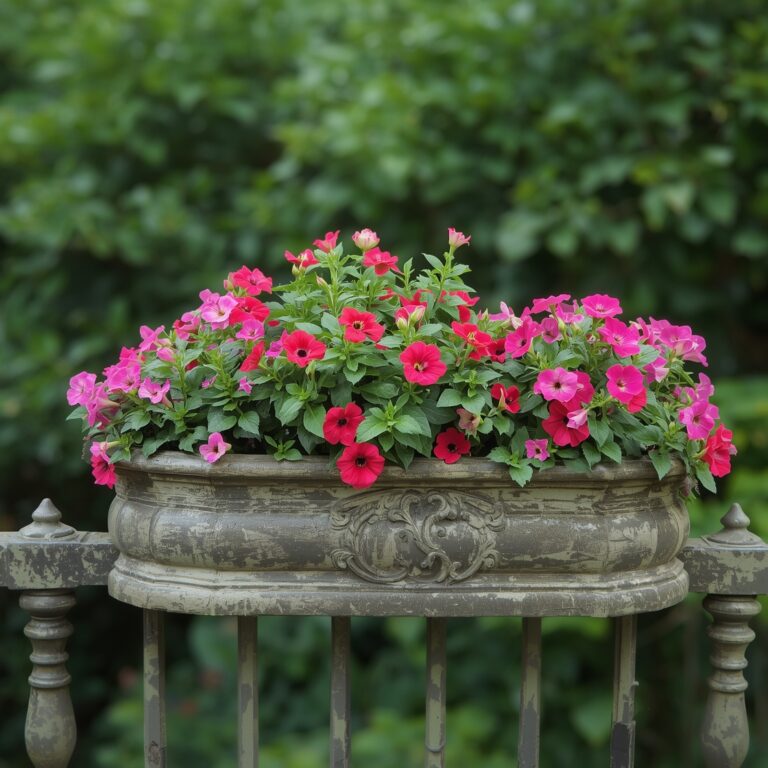
Planning a planting schedule that offers color and texture throughout the year prevents the courtyard from looking barren during off‑season months. In spring, plant early‑blooming bulbs such as crocus and daffodil in shallow containers that can be moved as needed. Summer brings heat‑loving annuals like petunias and marigolds, which thrive in full sun and provide bright accents. Autumn is an ideal time for ornamental grasses and foliage plants with deep reds or oranges, such as Japanese maple or sedum. Finally, winter‑hardy evergreens—boxwood, dwarf conifers, or holly—maintain structure when other plants have faded. By rotating containers and using a mix of perennials and annuals, you can keep the courtyard lively without requiring extensive replanting each year.
FAQ