
Winter Front Porch Decorating Ideas for a Welcoming Entrance

When the first snowflakes settle and the days grow short, the front porch becomes the first impression of a home’s warmth. A thoughtfully styled entrance can soften the chill, guide visitors inside, and set a cozy tone for the rooms beyond. Below are seven ideas that blend practicality with seasonal charm, each explained with enough detail to help you adapt the concept to your own doorway.
1. Embrace a Seasonal Color Palette
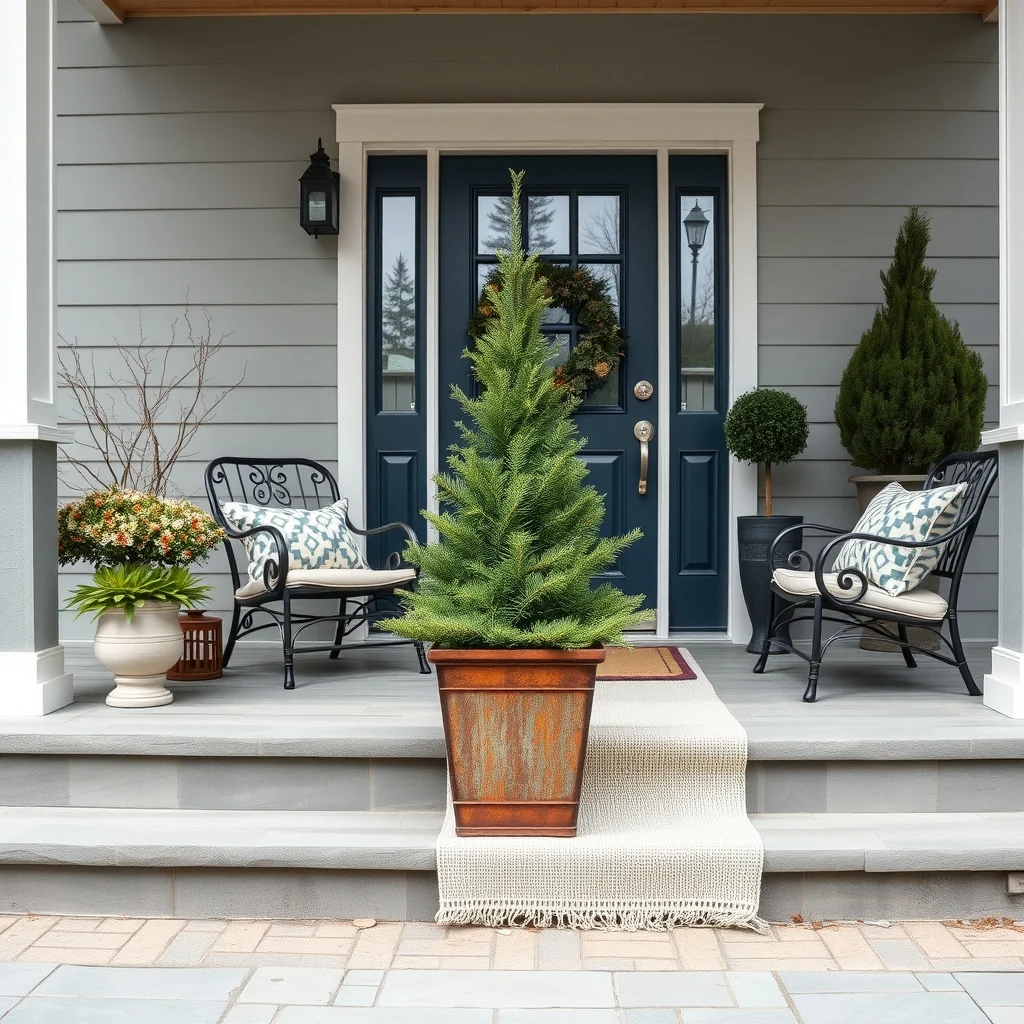
Choosing hues that echo winter’s muted landscape creates a calm backdrop for decorative pieces. Soft greys, deep navy, and warm ivory work well together, while a splash of pine green or muted rust adds visual interest without overwhelming the space. The advantage of a restrained palette is that it allows textures and accessories to shine without competing for attention. When selecting paint or stain, opt for finishes that resist moisture, especially on exposed trim. If you prefer a non‑paint approach, consider a weather‑resistant fabric in a complementary shade for a swing‑away door cover. The result is a porch that feels cohesive even after a snowfall, and the colors can be carried inside through pillows or a rug for continuity.
2. Layer Textured Rugs for Warmth and Grip
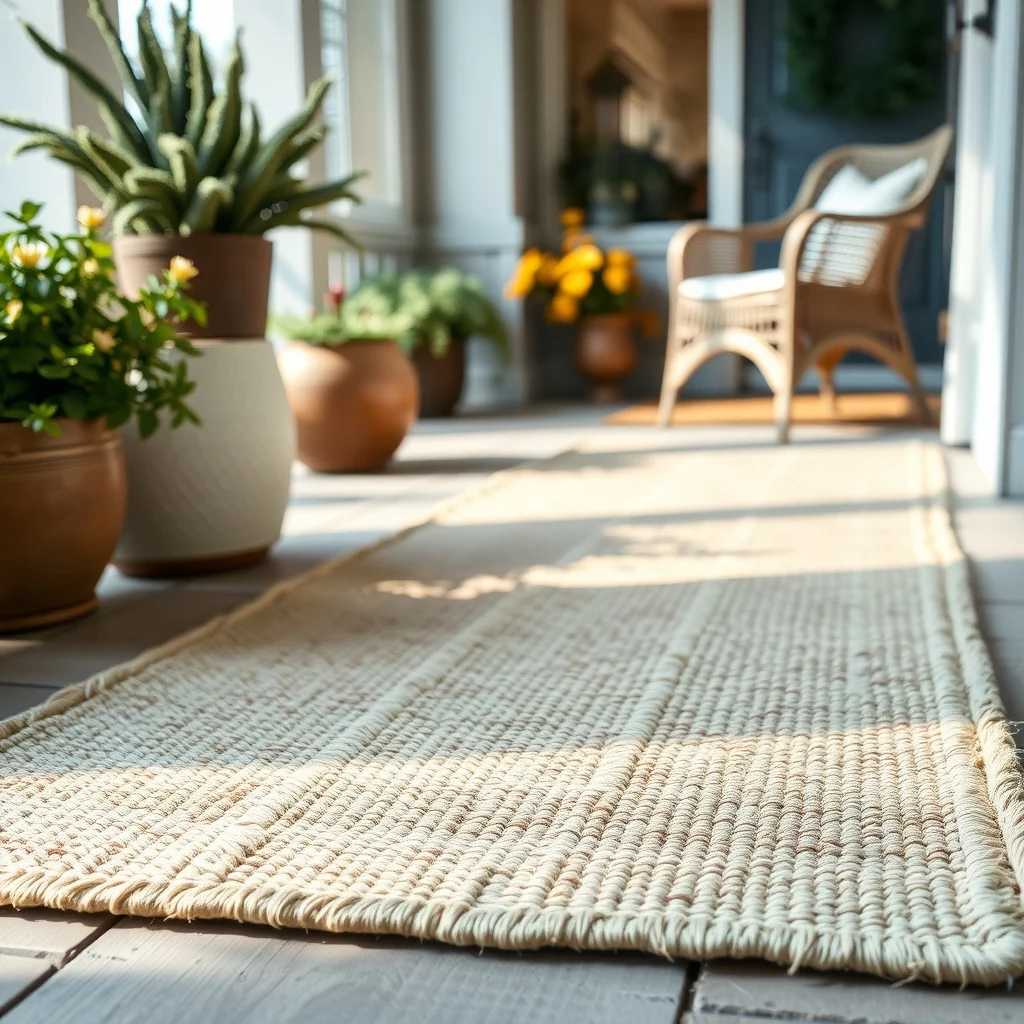
A rug not only softens cold stone or wood but also provides traction on icy mornings. Start with a low‑pile, outdoor‑rated mat in a neutral tone to protect the floor, then add a larger woven runner in a natural fiber such as jute or sisal. The contrast between the sturdy base and the softer top layer adds depth while keeping the surface safe for bare feet. Choose a rug with a subtle pattern—like a herringbone or chevron—to hide specks of dirt that inevitably appear during winter. Because the runner sits on top of the base mat, you can easily roll it up for cleaning or storage when the weather warms. This layered approach offers both comfort and practicality without sacrificing style.
3. Add Low‑Profile Seating with Weather‑Resistant Fabrics
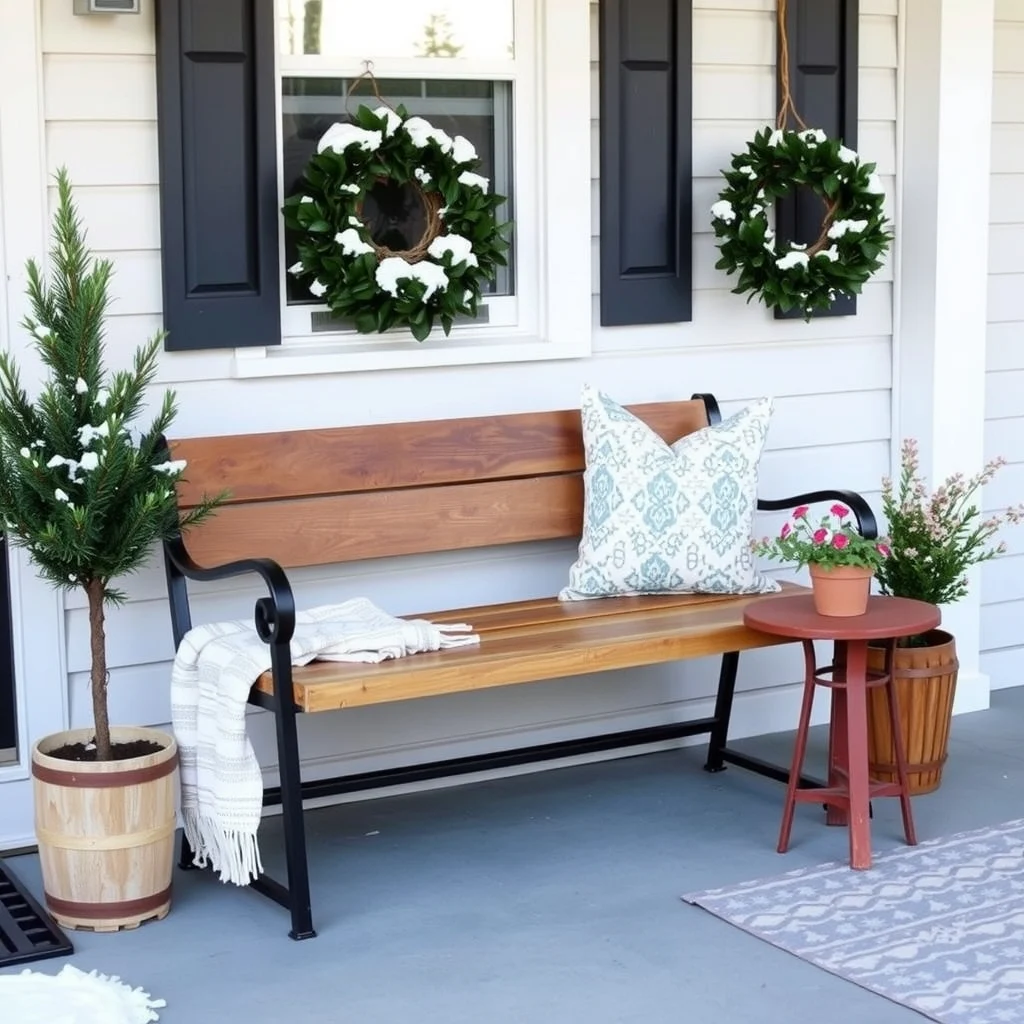
A small bench or a pair of folding chairs invites guests to pause, remove boots, or simply enjoy a quiet moment. Look for frames made of powder‑coated metal or reclaimed wood, both of which hold up against snow and salt. The seating cushion should be covered in a fabric treated for water resistance—think acrylic blends in a muted plaid or a subtle stripe. These textiles dry quickly and resist mildew, a common issue in damp climates. Adding a few plush throw pillows in coordinating colors introduces softness, while the low profile ensures the furniture does not obstruct the walkway. When winter storms arrive, the cushions can be stored inside, preserving their shape and extending their lifespan.
4. Incorporate Soft Lighting That Greets the Night

Winter evenings arrive early, so a well‑lit porch feels inviting long before sunset. Wall‑mounted sconces with frosted glass diffuse light gently, reducing harsh shadows on the entryway. Choose LED bulbs with a warm color temperature; they mimic the glow of a fireplace without consuming excess electricity. For added ambiance, a battery‑operated lantern placed on a side table can be moved as needed, allowing you to highlight a decorative wreath or a potted plant. Ensure any outdoor fixtures are rated for wet locations and that wiring follows local codes. Thoughtful lighting not only improves safety but also creates a welcoming atmosphere that feels like a warm handshake.
5. Create a Simple Greenery Display Using Hardy Plants
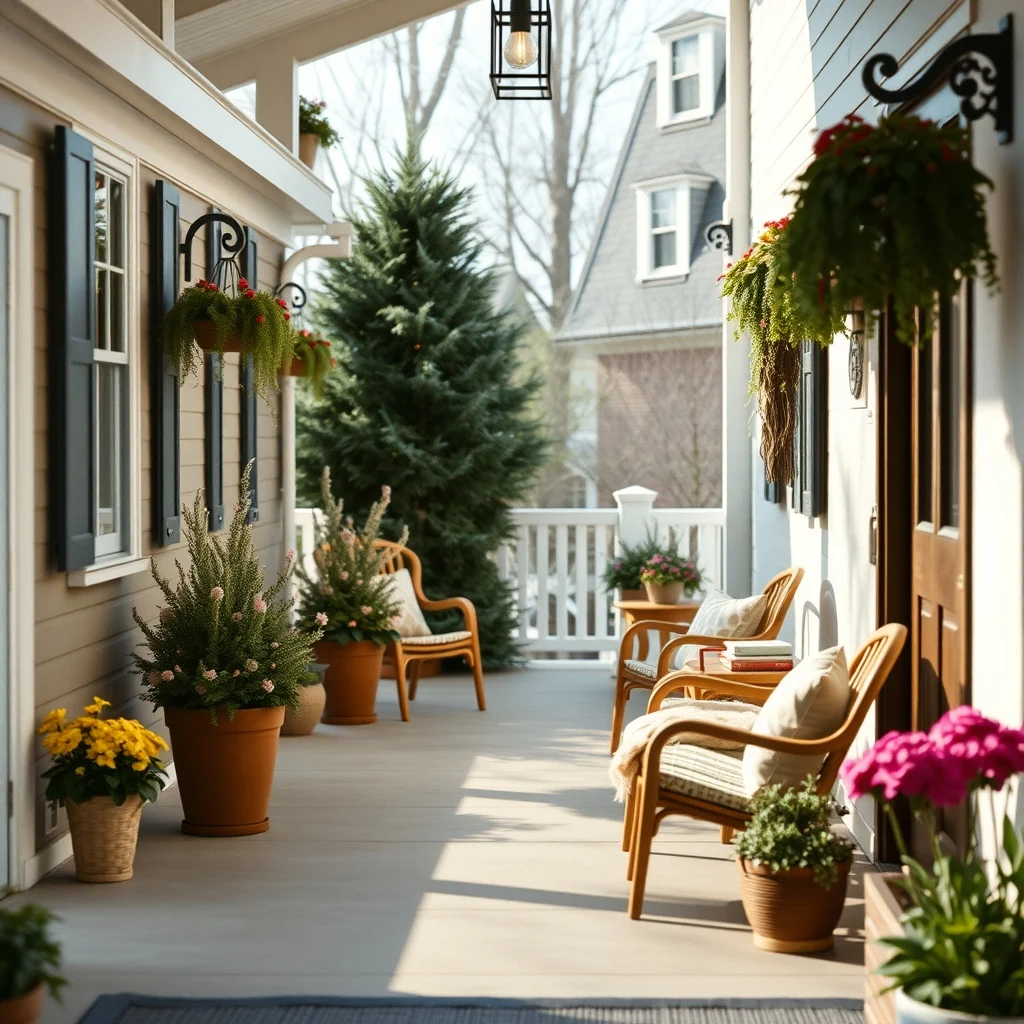
Even in the coldest months, a touch of green can soften hard surfaces. Select plants that thrive in low light and can tolerate brief frosts, such as evergreen boxwoods, dwarf spruce, or ornamental kale. Arrange them in ceramic or metal containers with a matte finish to avoid glare. Grouping two or three pots of varying height adds visual rhythm while keeping the arrangement manageable. If space is limited, a vertical garden—mounted on the wall—allows you to enjoy foliage without sacrificing floor area. Remember to place the containers on a raised tray or saucer to catch water runoff and protect the porch floor from moisture damage.
6. Use Decorative Storage That Doubles as Style
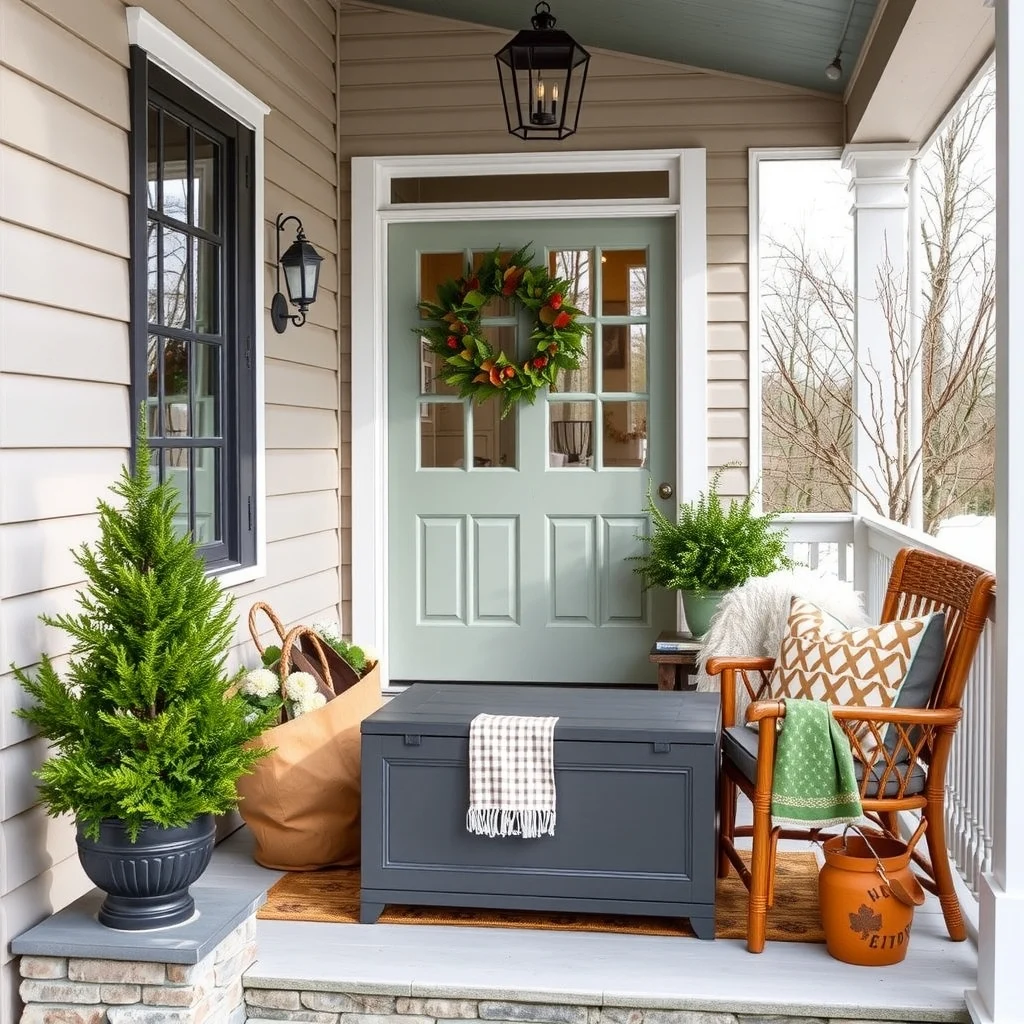
Winter gear—boots, scarves, umbrellas—needs a home of its own, and a well‑designed storage piece can serve both function and form. A weather‑proof chest with a hinged lid, finished in a muted charcoal or natural wood, offers a concealed space for larger items while presenting a clean silhouette. For smaller accessories, consider a set of wicker baskets with waterproof liners; the woven texture adds visual interest without clashing with the seasonal palette. Position the storage units near the door so guests can easily deposit wet coats, yet keep them far enough from the entry to avoid blocking foot traffic. By integrating storage into the décor, you reduce clutter and maintain the porch’s tidy appearance throughout the season.
7. Highlight Architectural Details with Subtle Accents

Many porches feature trim, columns, or a railing that can be accentuated without a major remodel. Applying a thin coat of matte black or deep charcoal paint to these elements draws the eye and frames the overall design. If painting is not an option, consider wrapping the base of a column with a rope or a narrow band of reclaimed wood for texture. Adding a decorative metal plaque with a simple winter motif—such as a stylized snowflake—provides a focal point without overwhelming the space. These modest touches celebrate the porch’s existing architecture while reinforcing the seasonal theme.
FAQ

How can I protect my porch furniture from snow and rain?
Covering pieces with a waterproof tarp or a custom‑fit furniture cover is the most reliable method. Choose a cover that breathes to prevent condensation, and secure it with straps or bungee cords so wind cannot lift it.
What type of lighting is safest for a wet porch?
Select fixtures labeled for “wet locations,” which are sealed against moisture. LED bulbs are a safe choice because they generate less heat and are less likely to cause damage in damp conditions.
Can I use indoor rugs outdoors during winter?
Indoor rugs are not designed for exposure to moisture and can develop mold quickly. Opt for outdoor‑rated rugs that are specifically treated to resist water, fading, and mildew.
How often should I clean the plants on my porch?
Remove fallen leaves and dust the foliage weekly to keep the plants healthy and looking tidy. During a thaw, check the pots for excess water that may have collected and empty it to avoid root rot.
Is it okay to store a heavy snow shovel on the porch?
A lightweight, collapsible shovel is preferable for the porch because it reduces the risk of damage to flooring or railings. If you must keep a full‑size shovel, store it in a corner away from foot traffic and secure it to a wall hook.
Final Thoughts

Winter décor for the front porch should balance aesthetic appeal with durability. By selecting a harmonious color scheme, layering textures, and incorporating practical lighting and storage, you create an entrance that feels both inviting and resilient to the season’s challenges. Small adjustments—such as highlighting architectural features or adding hardy greenery—can make a noticeable difference without a large budget. With these ideas in mind, your porch will welcome guests with warmth and style, even as the temperature drops outside.