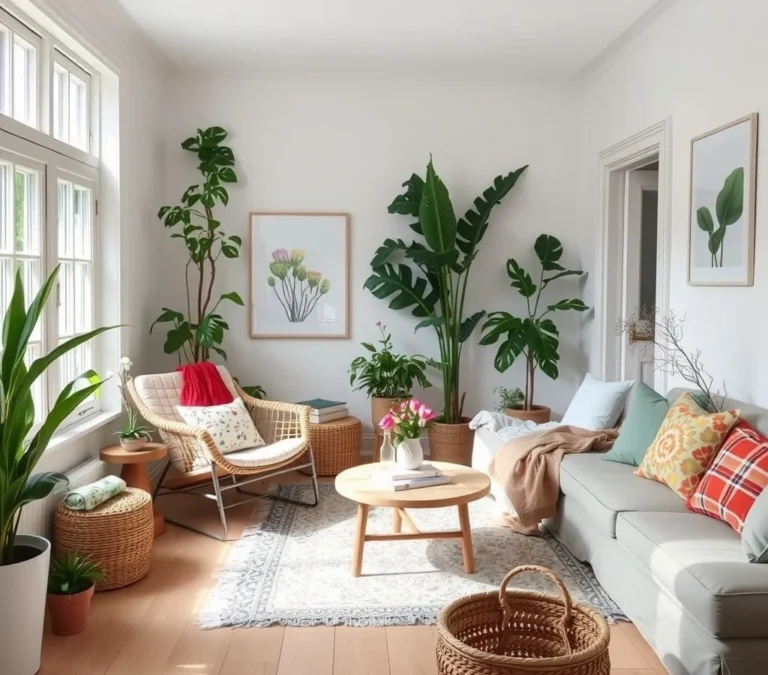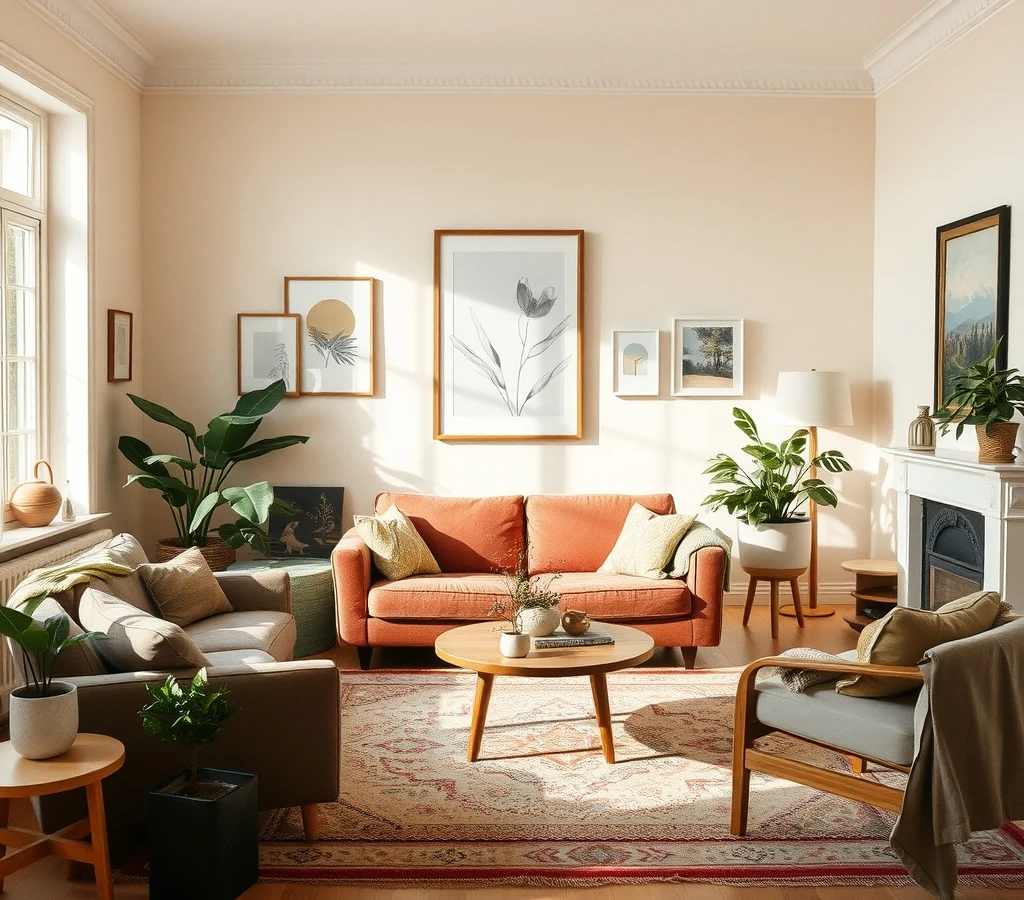
Cozy Vintage Living Room Ideas for a Warm and Timeless Home

When a living room feels both lived‑in and inviting, it often carries the quiet confidence of a space that has been cared for over years. Vintage elements can provide that sense of continuity without looking dated, especially when they are paired with thoughtful layout and soft lighting. Below are seven ideas that blend classic charm with modern comfort, helping you create a room that welcomes you back day after day.
1. Embrace Weathered Wood Frames and Shelving
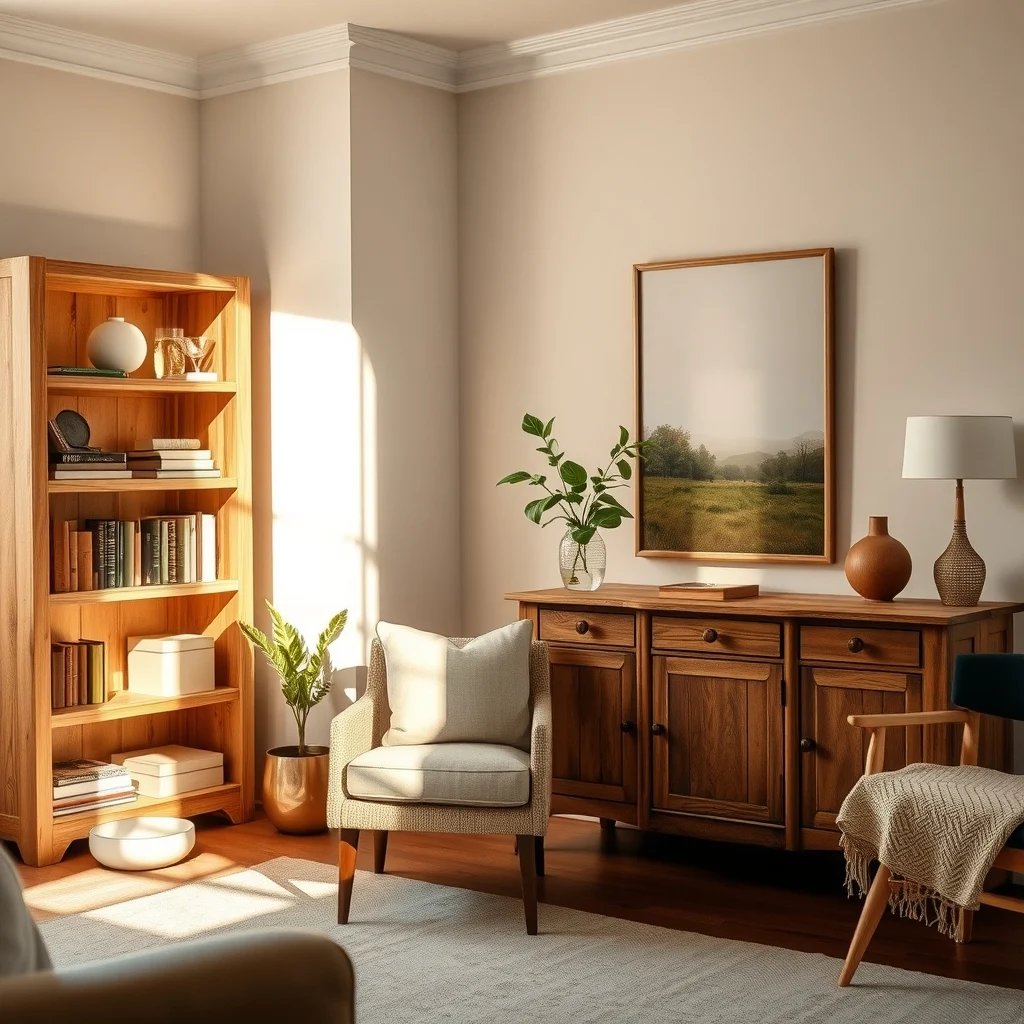
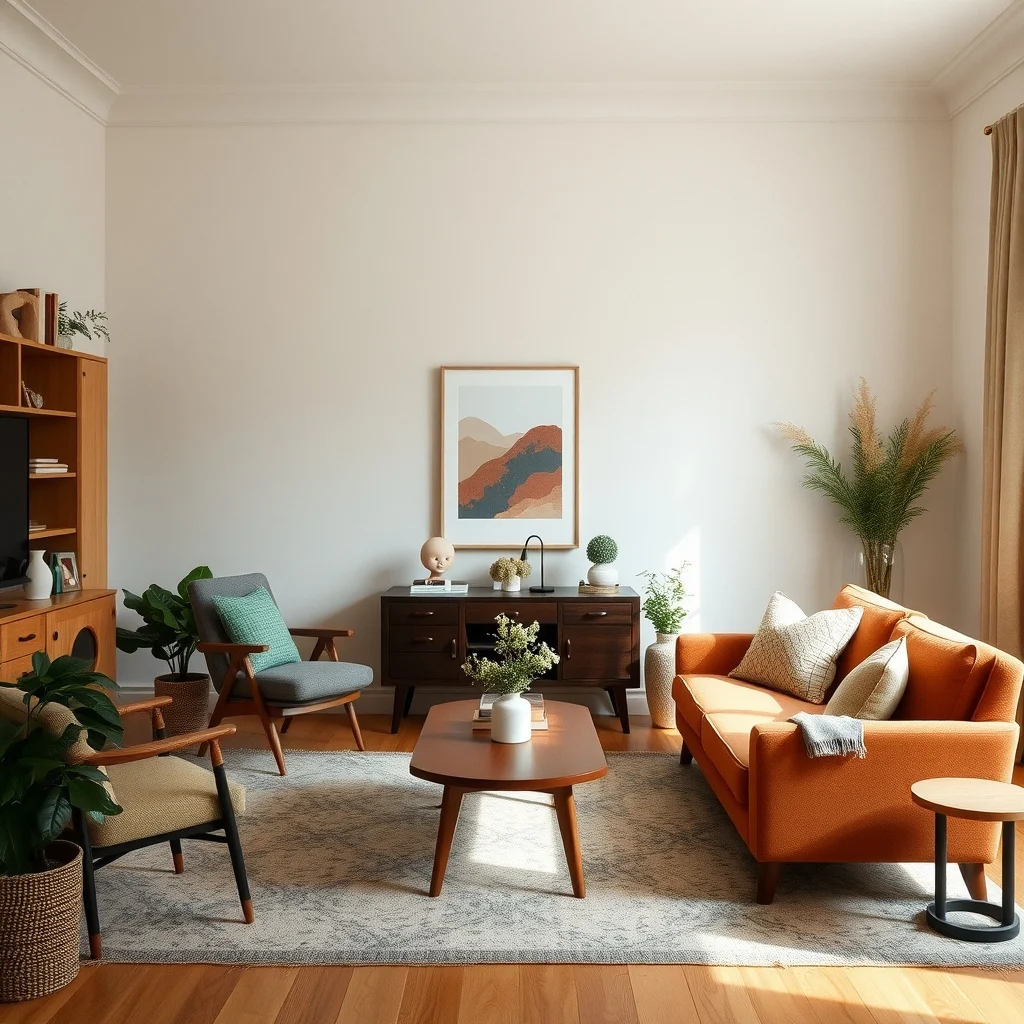
Weathered wood instantly adds depth, because the natural grain tells a story of time and use. A reclaimed pine bookshelf or a low, distressed oak sideboard can serve as both storage and a visual anchor. Position a piece against a wall that receives indirect daylight; the light will highlight the subtle cracks and patina, making the wood appear richer. Pair the piece with a handful of well‑chosen objects—perhaps a brass clock or a stack of vintage books—to keep the look curated rather than cluttered. If the floor feels too stark, place a soft rug underneath to protect the wood and soften footfalls. The trade‑off is that reclaimed pieces can be heavier, so be sure the floor can support them before moving them into place.
2. Layer Soft Textiles in Muted Hues
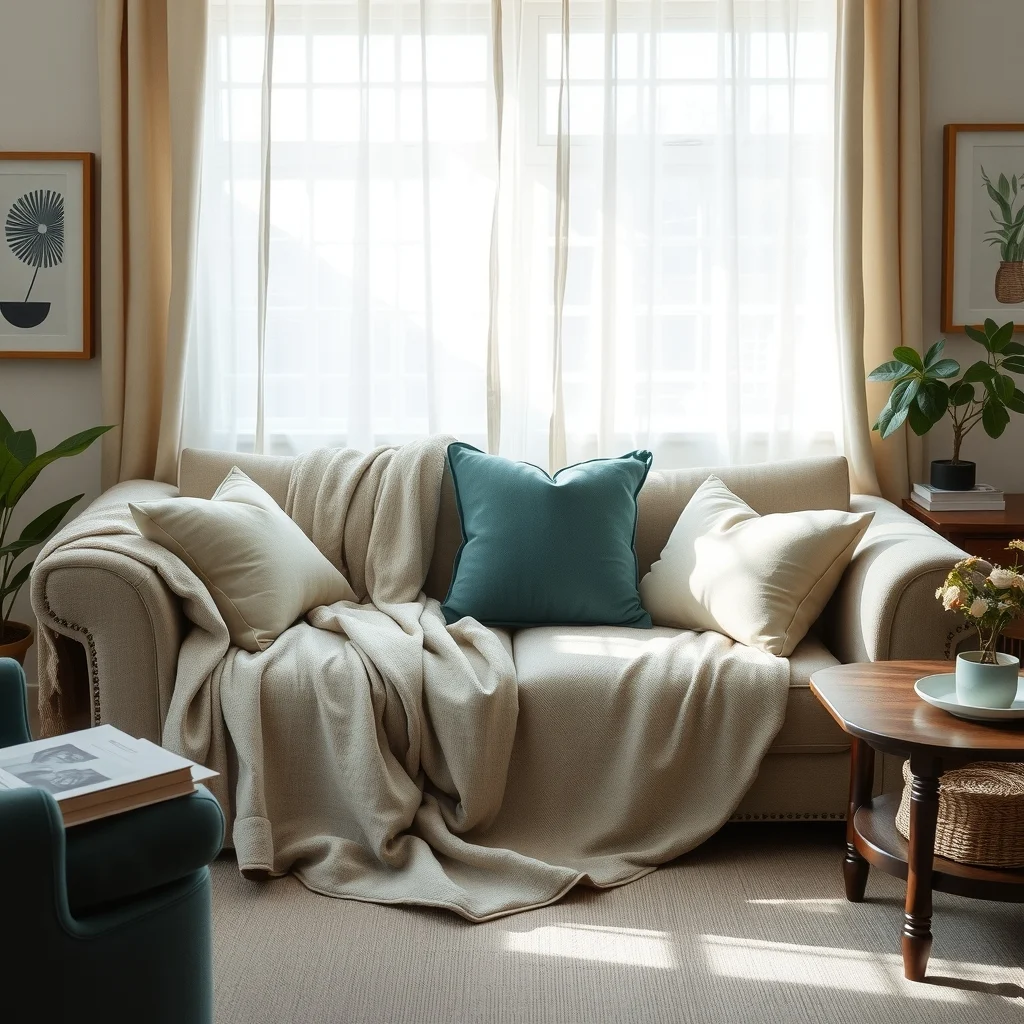
Texture is the silent hero of a cozy vintage room. A linen throw in a warm greige draped over the arm of a sofa invites a hand to linger, while a set of velvet cushions in muted olive or dusty rose adds a subtle splash of color. Choose fabrics that show a slight wear—faded edges or a gentle fray—because those details suggest lived comfort. When arranging the layers, start with a larger blanket that covers the back of the seating, then add smaller pillows that can be rotated seasonally. This approach lets you refresh the room without a major purchase. Keep in mind that delicate fabrics may require gentle cleaning, so select at least one machine‑washable piece to balance practicality with elegance.
3. Choose Classic Curved Sofas with Tailored Upholstery
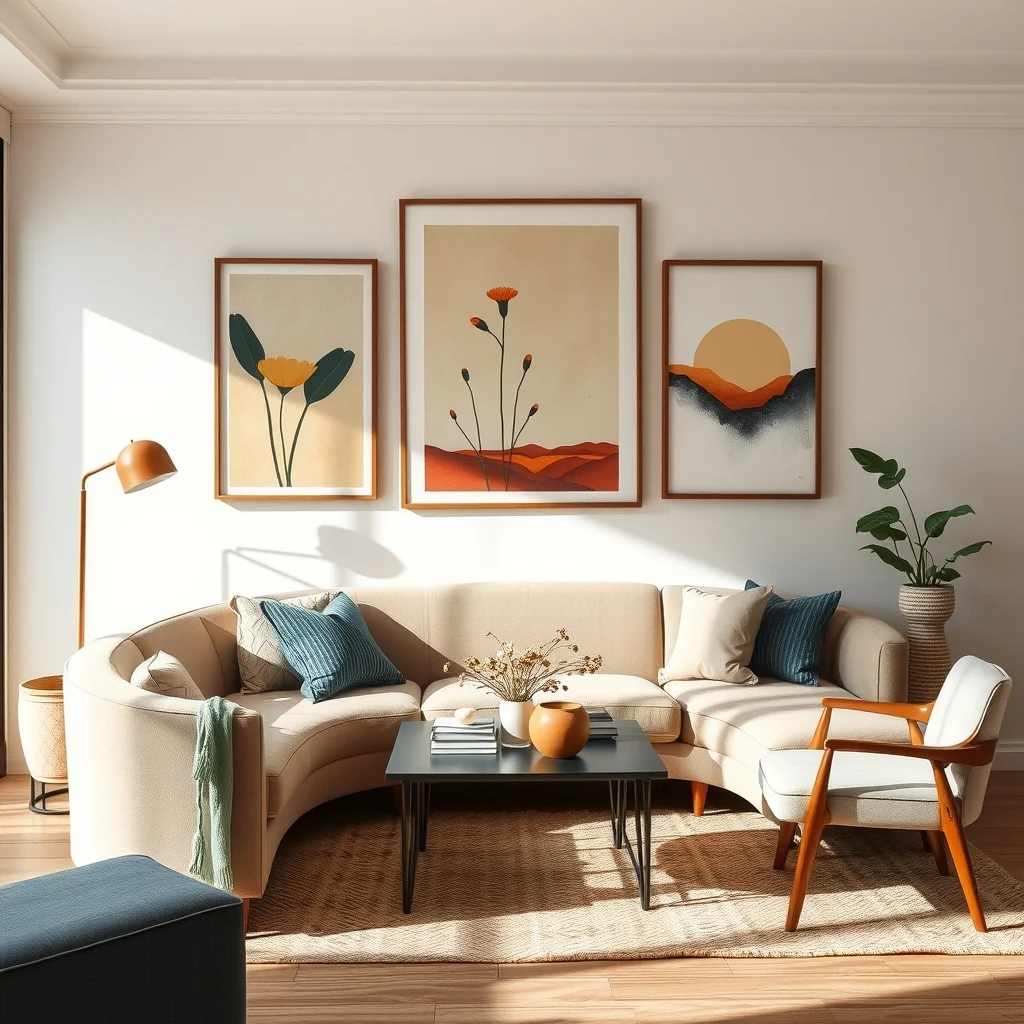
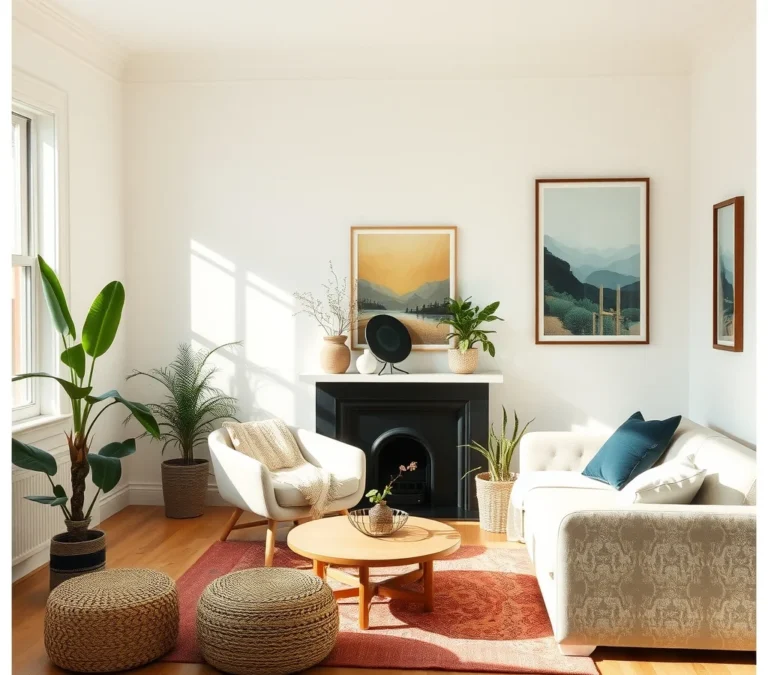
A curved sofa creates a gentle enclosure that feels both intimate and spacious. Opt for a silhouette that references mid‑century design but is upholstered in a fabric that has a slight sheen, such as brushed boucle or a tightly woven cotton blend. The curvature encourages conversation, while the tailored upholstery prevents the piece from looking overly casual. Position the sofa opposite a focal point—perhaps a fireplace or an artwork—so the room feels balanced. If the space is narrower, a loveseat with a subtle curve can achieve the same effect without overwhelming the floor plan. The main consideration is the depth of the seat; deeper cushions feel more relaxed but may be harder for some guests to sit in comfortably.
4. Incorporate Antique Lighting with Warm Glows
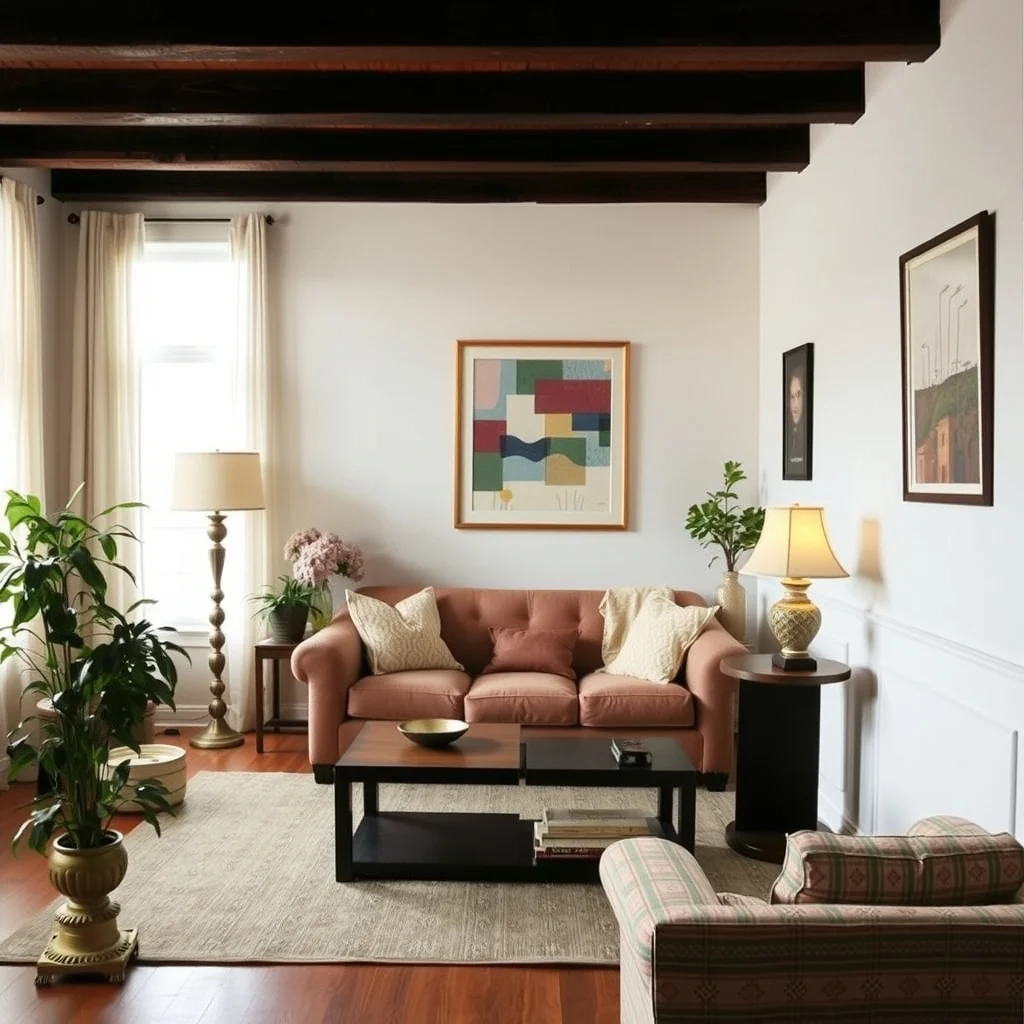
Lighting defines mood, and an antique brass floor lamp or a pair of vintage table lamps can soften harsh overhead light. Look for fixtures that feature a frosted glass shade or a fabric drum; these diffusers spread a gentle amber glow that mimics the warmth of early evening. Place a floor lamp beside a reading chair, allowing the light to fall directly on the pages without glare. A table lamp on a sideboard can highlight a decorative object while adding layered illumination. Because older wiring may not meet current standards, have an electrician verify that any vintage fixture is safely rewired before it powers on.
5. Use Vintage‑Inspired Rugs to Anchor the Space
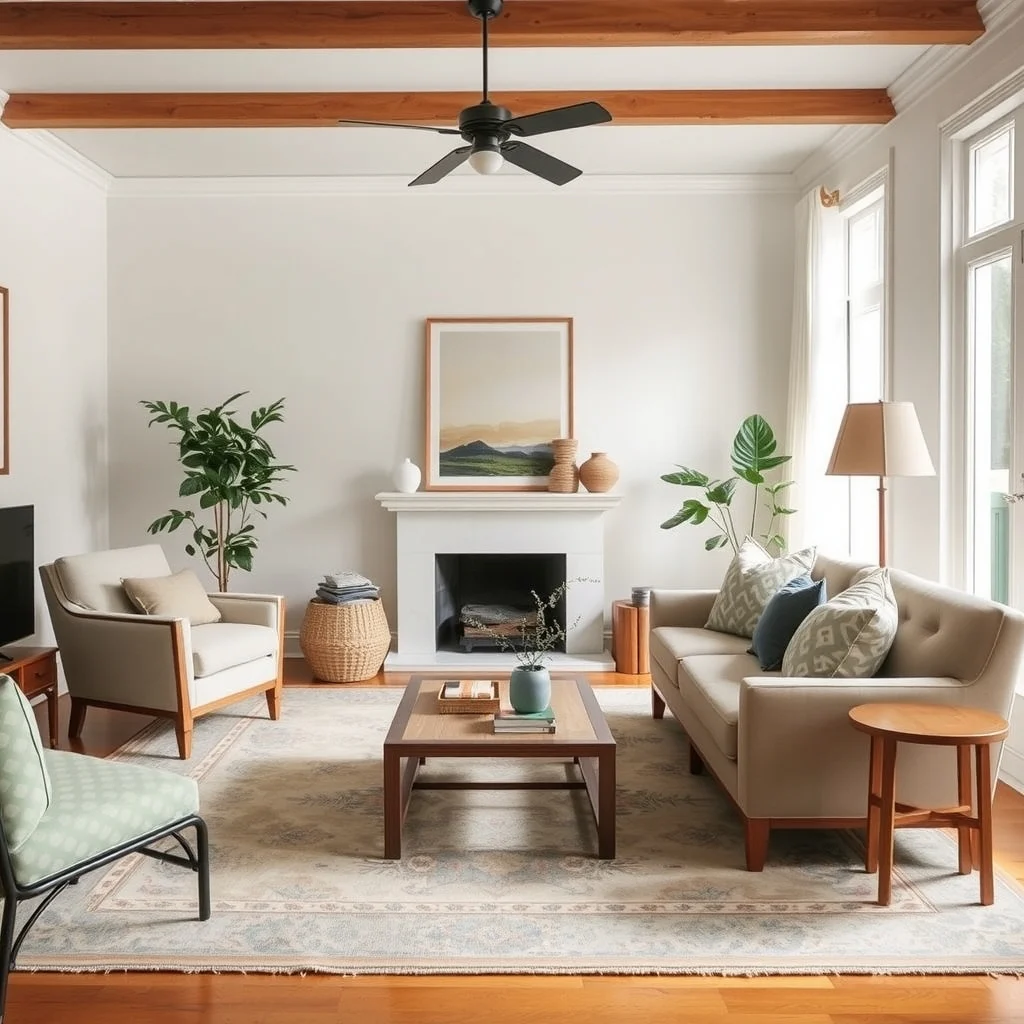
A rug with a subtle, aged pattern—think muted Persian or a faded kilim—grounds the seating area and introduces a tactile layer underfoot. Choose a size that extends at least twelve inches beyond the furniture, which creates a visual border and protects hardwood from foot traffic. Natural fibers like wool handle spills better than synthetic blends, though they may require occasional dry cleaning. If you have pets, a low‑pile version is easier to maintain while still delivering the vintage aesthetic. The main limitation is that larger rugs can be heavy; consider a rug pad to prevent slipping and to add extra cushioning.
6. Add Curated Collections on Open Walls
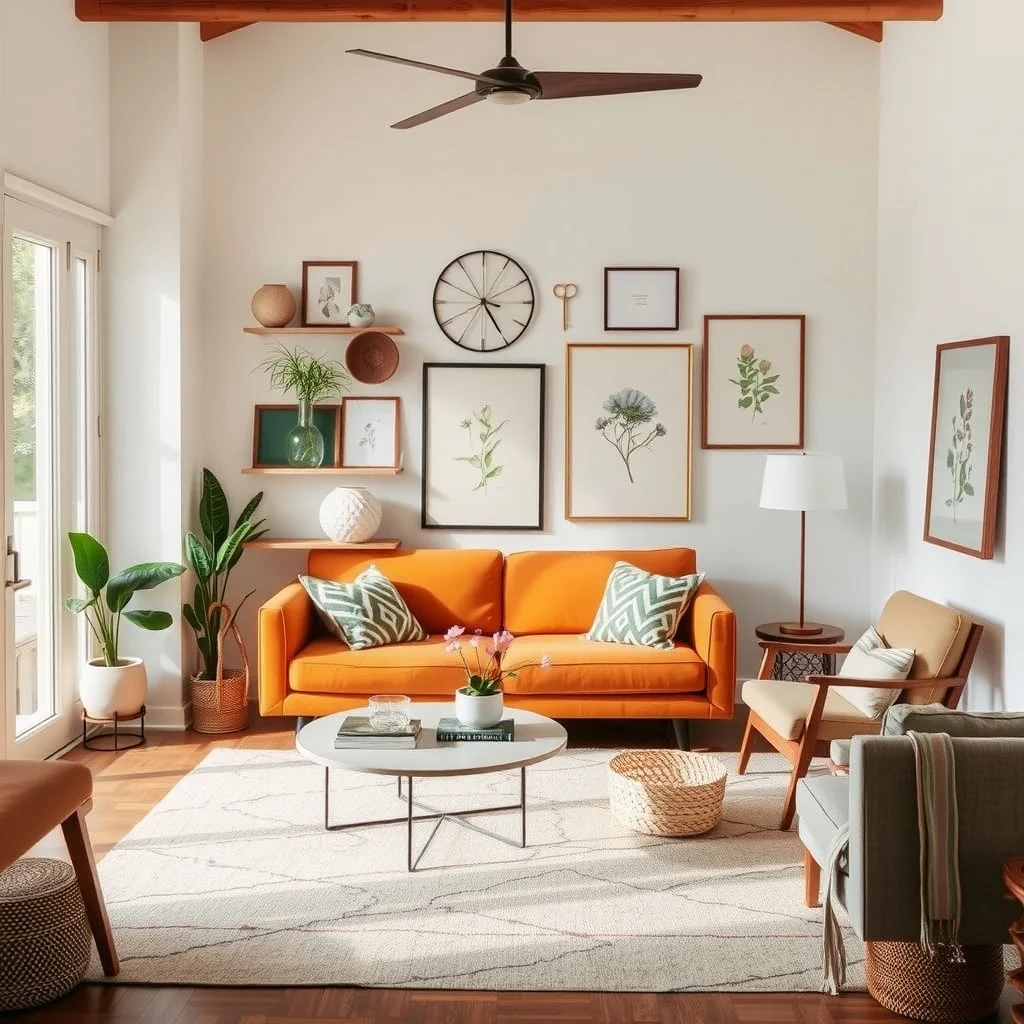
Open wall space is an invitation to display items that speak to personal history—a collection of ceramic bowls, a series of framed botanical prints, or a row of antique keys. Arrange these objects with intentional spacing, allowing each piece to breathe. A simple rule of thumb is to keep the center of each item about eight inches from its neighbor; this prevents visual overcrowding while maintaining a cohesive look. Use picture ledges or shallow shelves that can be easily adjusted as the collection evolves. The risk is that an overly dense arrangement can feel cluttered, so regularly edit the display to keep it feeling curated rather than accumulated.
7. Blend Modern Comfort with Period Details
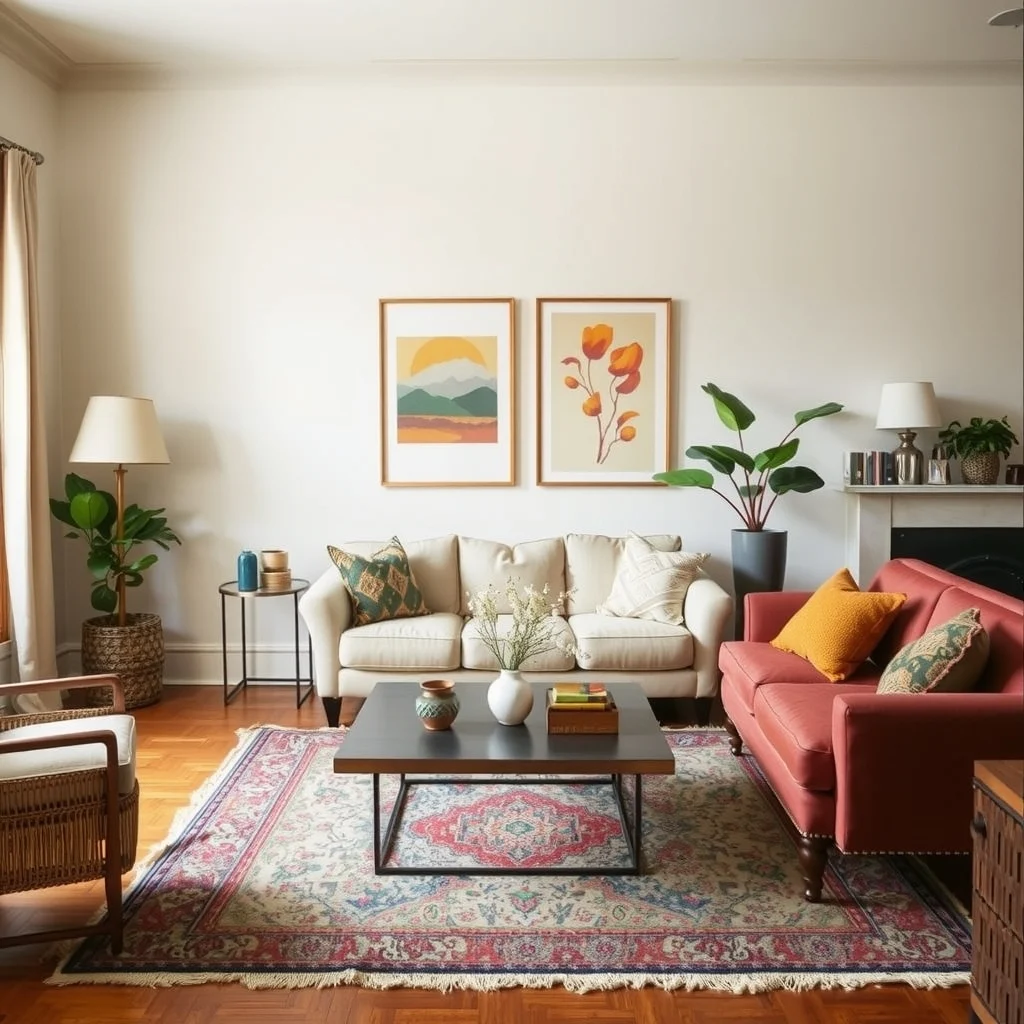
Even the most devoted vintage enthusiast benefits from a touch of contemporary convenience. A sleek, low‑profile coffee table in brushed steel can sit atop a traditional rug without breaking the aesthetic, offering a sturdy surface for everyday use. Pair this with a vintage armchair upholstered in a timeless fabric, creating a dialogue between old and new. Modern amenities such as hidden charging ports or a discreet speaker system can be integrated into vintage‑styled furniture, preserving the look while meeting today’s needs. The compromise lies in ensuring that the modern elements do not dominate the visual story; they should support, not distract from, the vintage narrative.
FAQ
How can I make a small living room feel vintage without it feeling cramped?
Choose a limited palette of muted colors and keep furniture scaled to the room’s dimensions. Light‑colored wood and reflective surfaces create an illusion of space, while a single vintage accent, such as a lamp or a rug, adds character without overwhelming the layout.
Is it okay to mix different vintage eras in one room?
Yes, mixing eras can work when you anchor the room with a unifying element like a consistent color scheme or material. Pair a 1950s armchair with an 1800s sideboard if both share similar wood tones or fabric textures, which helps the pieces converse rather than clash.
What is the best way to protect antique furniture from everyday wear?
Use coasters, felt pads, and gentle cleaning products designed for the specific finish of the piece. Rotating cushions and avoiding direct sunlight also prolongs the life of fabrics and wood, preserving their aged patina.
Can I use bright colors in a vintage‑inspired living room?
Bright accents work when they are introduced sparingly, such as through a single cushion, a piece of artwork, or a decorative vase. The restraint ensures the room remains warm and timeless while still offering a pop of personality.
Do I need to hire a professional to install vintage lighting?
Yes, any lighting fixture that requires rewiring or involves old electrical components should be installed by a qualified electrician. This ensures safety and compliance with current codes while protecting the integrity of the antique piece.
Final Thoughts
Creating a cozy vintage living room is less about filling the space with old objects and more about curating a narrative that feels lived‑in and inviting. By focusing on weathered wood, layered textiles, timeless silhouettes, and thoughtful lighting, you can assemble a room that welcomes both the eye and the body. Remember to balance nostalgia with practicality—choose pieces that suit your lifestyle and allow for easy upkeep. When the room feels right, you’ll find yourself lingering longer, savoring the subtle warmth that only a well‑crafted vintage setting can provide.