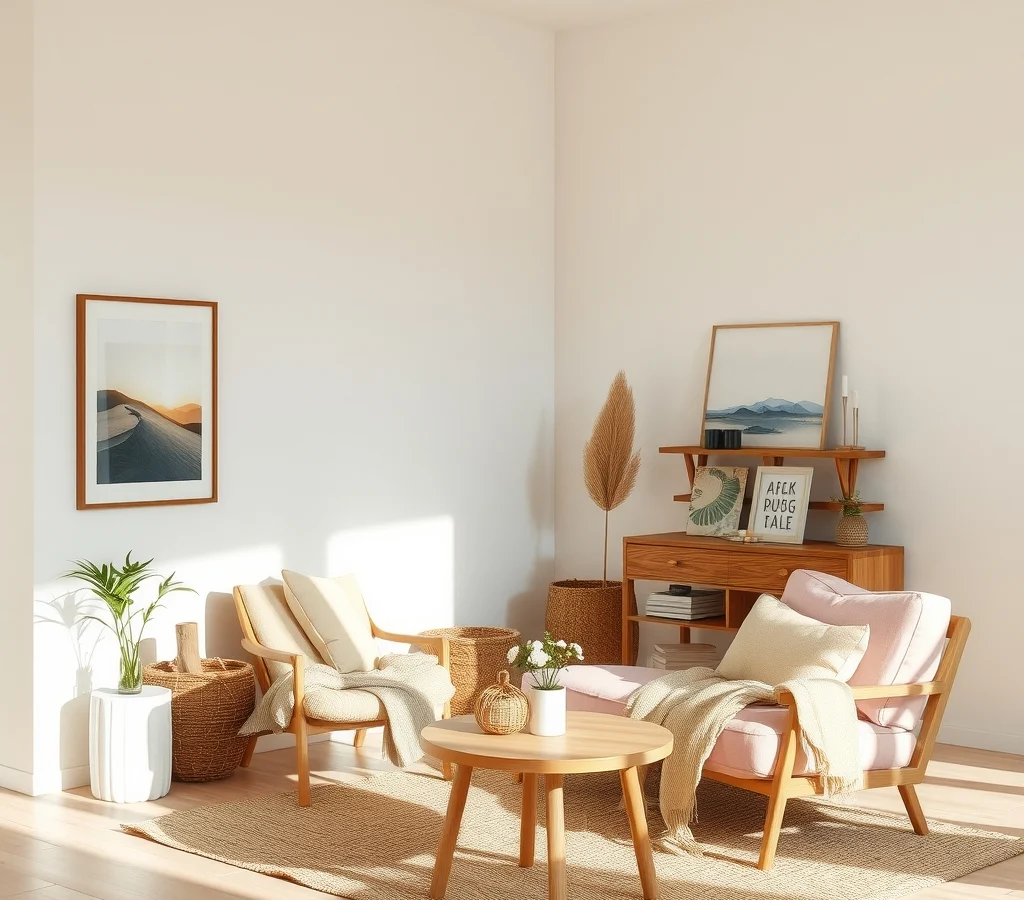
Sustainable Home Decor Ideas Using Secondhand Finds and Natural Materials

Many of us feel the pull of a beautifully styled room while also wanting to reduce waste and keep spending in check. The good news is that a thoughtful mix of secondhand treasures and responsibly sourced natural materials can give a space personality, comfort, and a low environmental footprint. Below are seven ideas that show how to turn rescued pieces into functional décor, why each choice works, and practical steps you can follow to make the look work in your own home.
1. Choose a Thrifted Statement Piece and Build Around It
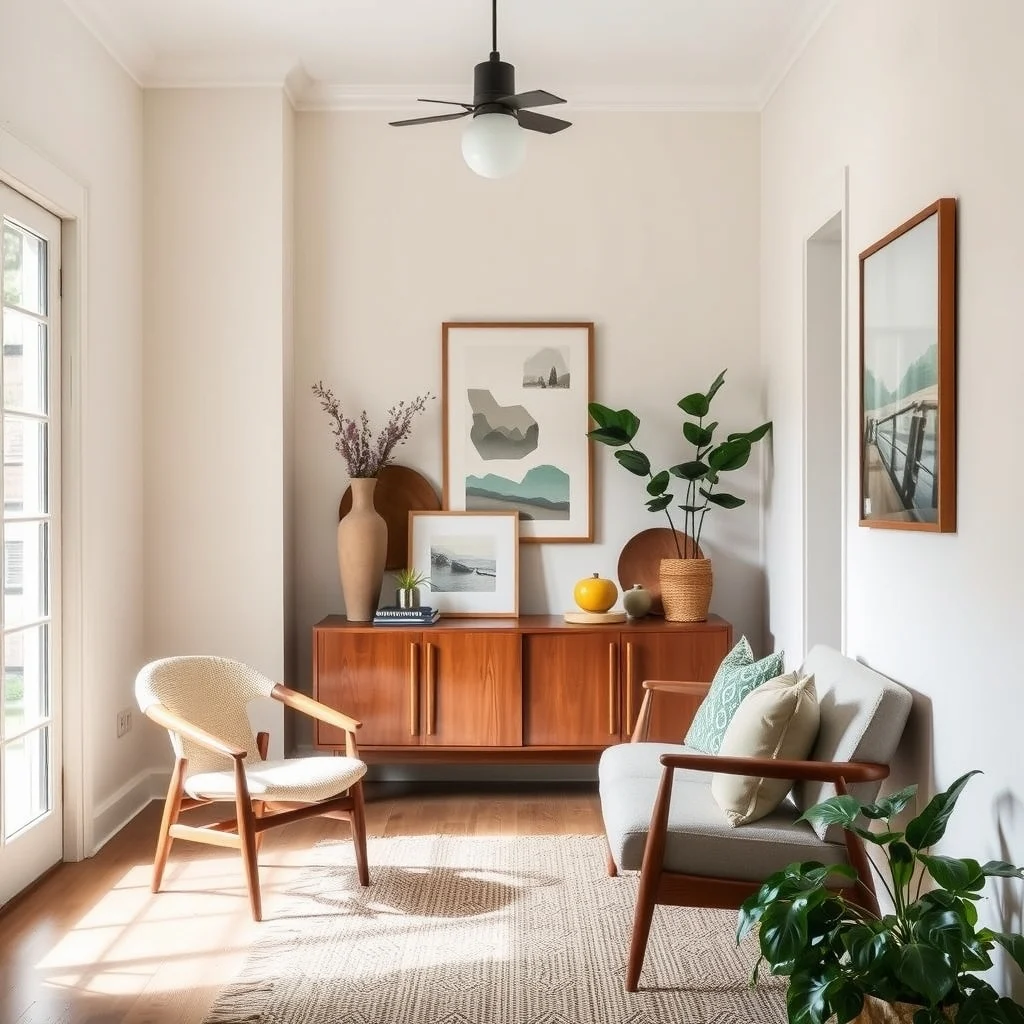
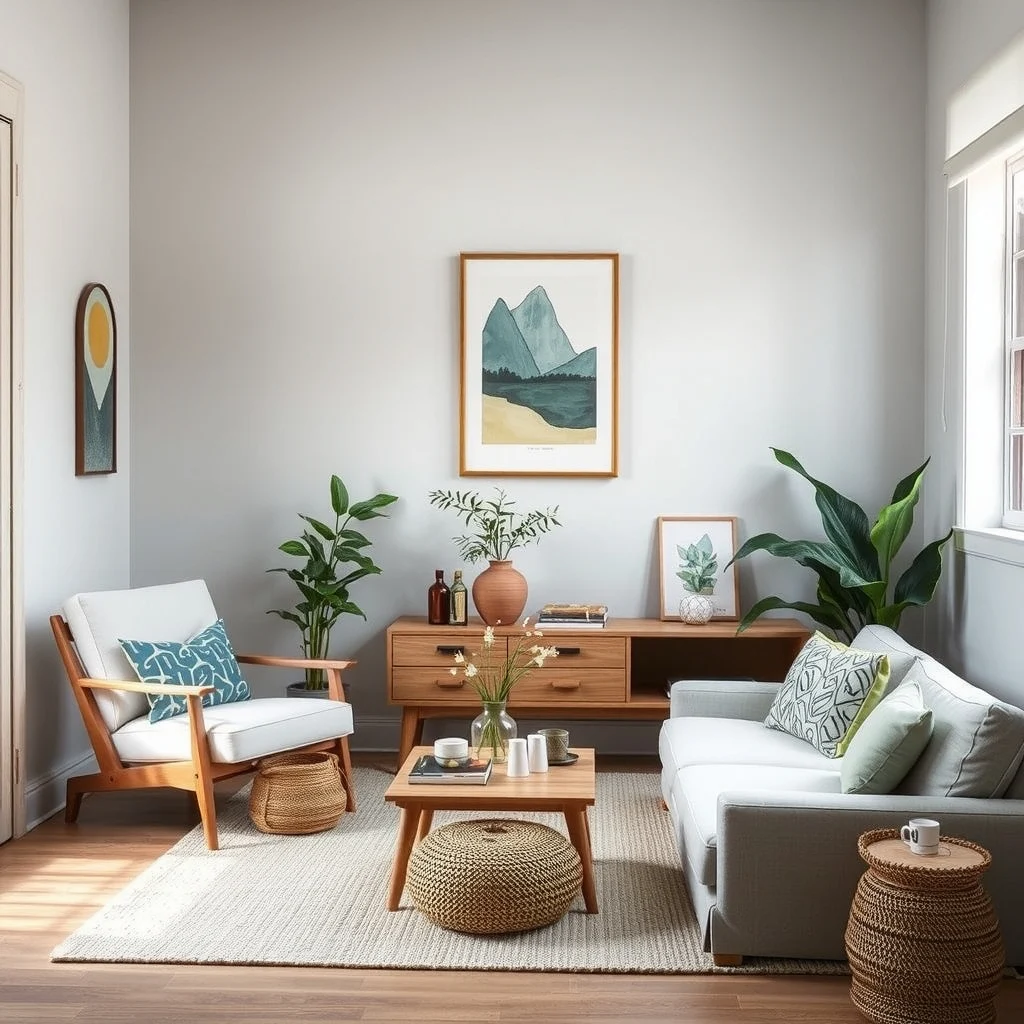
Walking through a vintage shop and spotting a mid‑century teak sideboard can feel like finding a missing puzzle piece. Such a piece instantly anchors a living‑room or hallway, offering both storage and visual interest without the carbon cost of new production. When you place the sideboard against a wall with soft, natural light, its warm grain becomes a quiet focal point that invites you to arrange books, plants, and a few curated objects on top. To keep the look cohesive, choose accessories in complementary tones—think muted olive, warm greige, or a deep terracotta that echo the wood’s undertones. The main trade‑off is that older furniture may need a bit of refurbishment; a quick sanding, a coat of low‑VOC finish, and new hardware can revive it while preserving its character. By treating the thrifted item as the room’s centerpiece, you avoid the temptation to over‑decorate, allowing the piece to breathe and the space to feel balanced.
2. Transform Reclaimed Pallet Wood into Custom Shelving
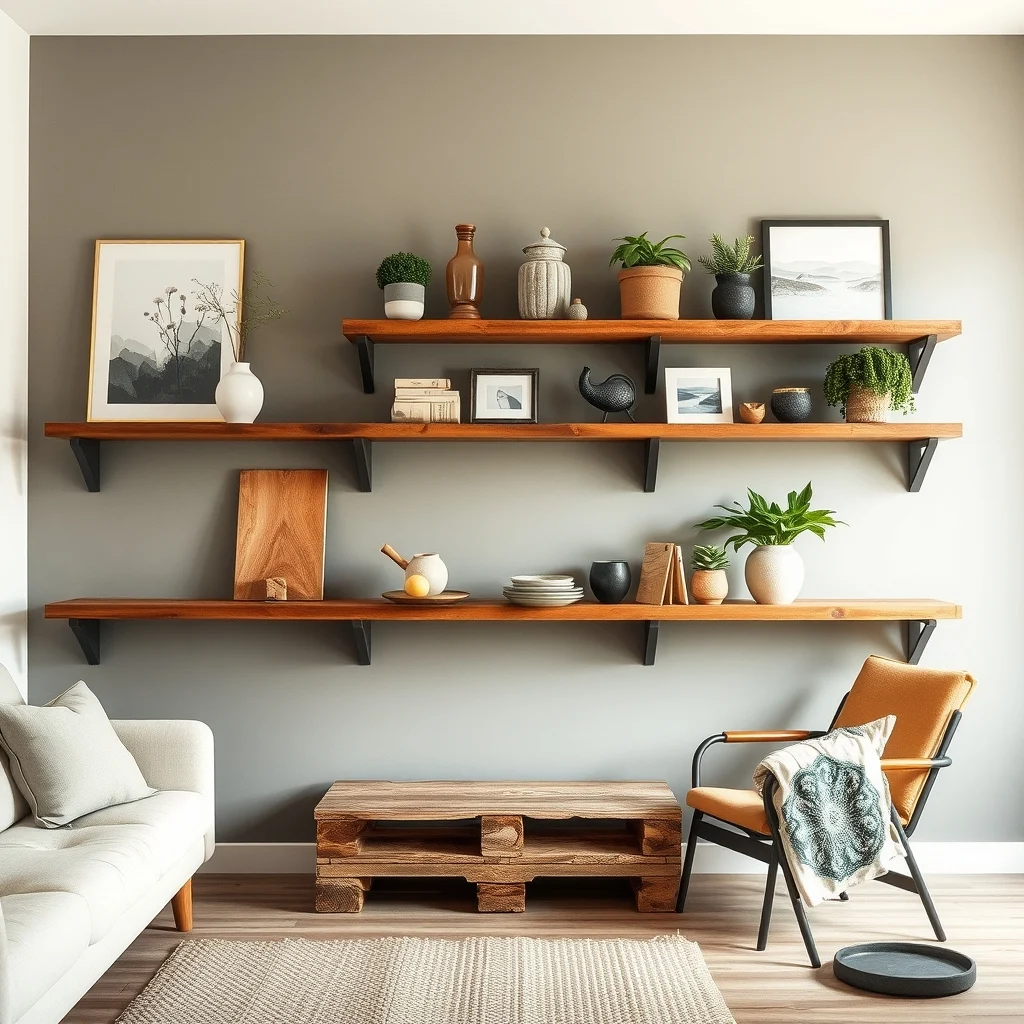
Pallets that once carried produce at a warehouse can become sleek, industrial‑style shelves when disassembled, sanded, and re‑finished. The raw texture of reclaimed boards adds depth, especially when mounted on a wall painted in a light, natural hue that lets the wood’s natural imperfections stand out. A practical approach is to select pallets that are in good condition, avoid those treated with hazardous chemicals, and then cut the planks to the desired length. After a thorough cleaning, a coat of natural oil protects the surface while highlighting the grain. Install the shelves at varying heights to accommodate books, woven baskets, and small potted herbs. This arrangement encourages visual rhythm and makes the most of vertical space in a compact apartment. One limitation is the weight capacity; heavier items should be placed on lower shelves, and brackets must be securely anchored to studs to prevent sagging.
3. Incorporate Vintage Textiles as Wall Hangings or Soft Furnishings
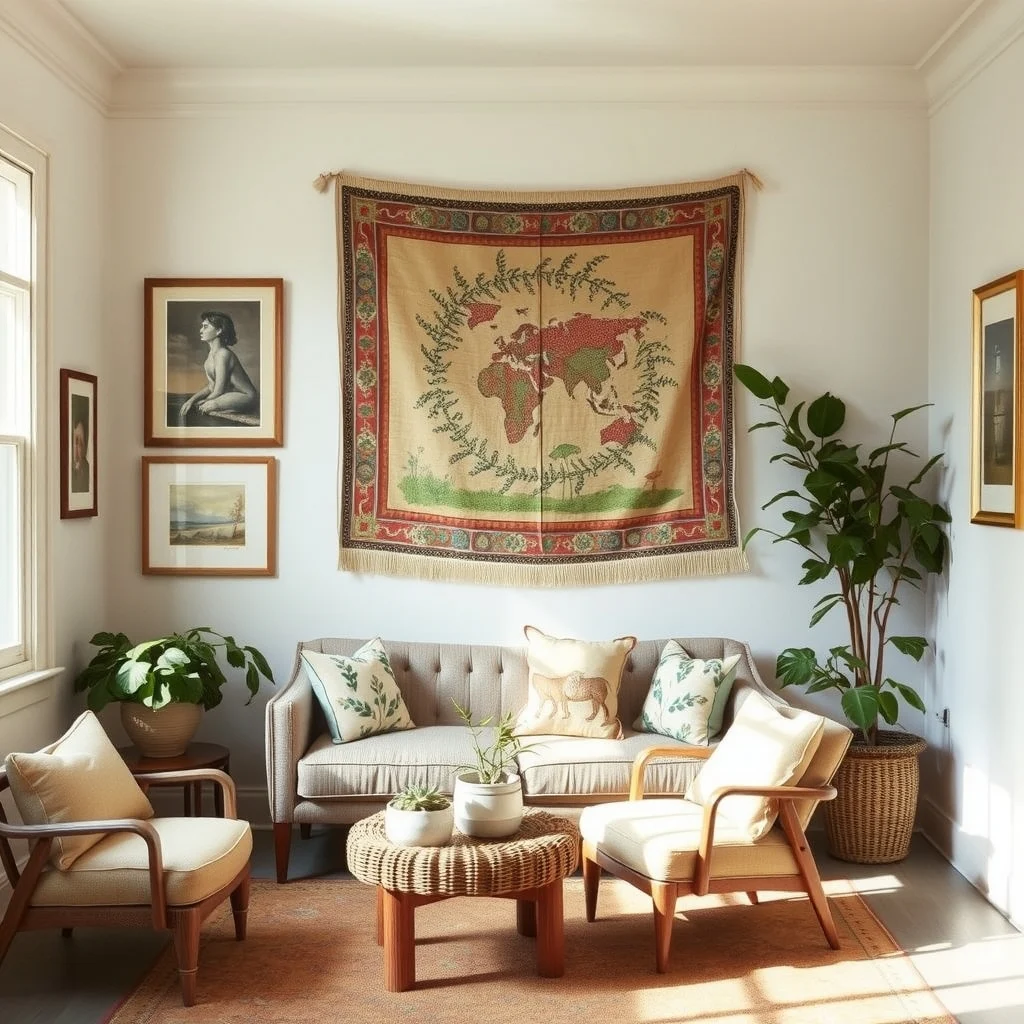
A rescued tapestry, a set of embroidered curtains, or a collection of patterned linen cushions can inject color and tactile richness into a room that otherwise relies on neutral walls. Because these fabrics have already lived through one lifecycle, they often feature unique dye blends and stitching that you won’t find in mass‑produced textiles. Hang a large, faded‑blue cotton scarf on a wall that receives afternoon sun; the light will bring out subtle variations in tone, creating a subtle, lived‑in feel. Pair the wall art with a few cushion covers in coordinating shades—perhaps a muted mustard or soft sage—to tie the room together. When using vintage fabrics, consider their durability; delicate fibers may need gentle cleaning, so a removable, washable backing can protect the original material. Mixing these pieces with contemporary furniture creates a layered look that feels both curated and comfortable.
4. Repurpose Glass Jars for Ambient Lighting and Organized Storage
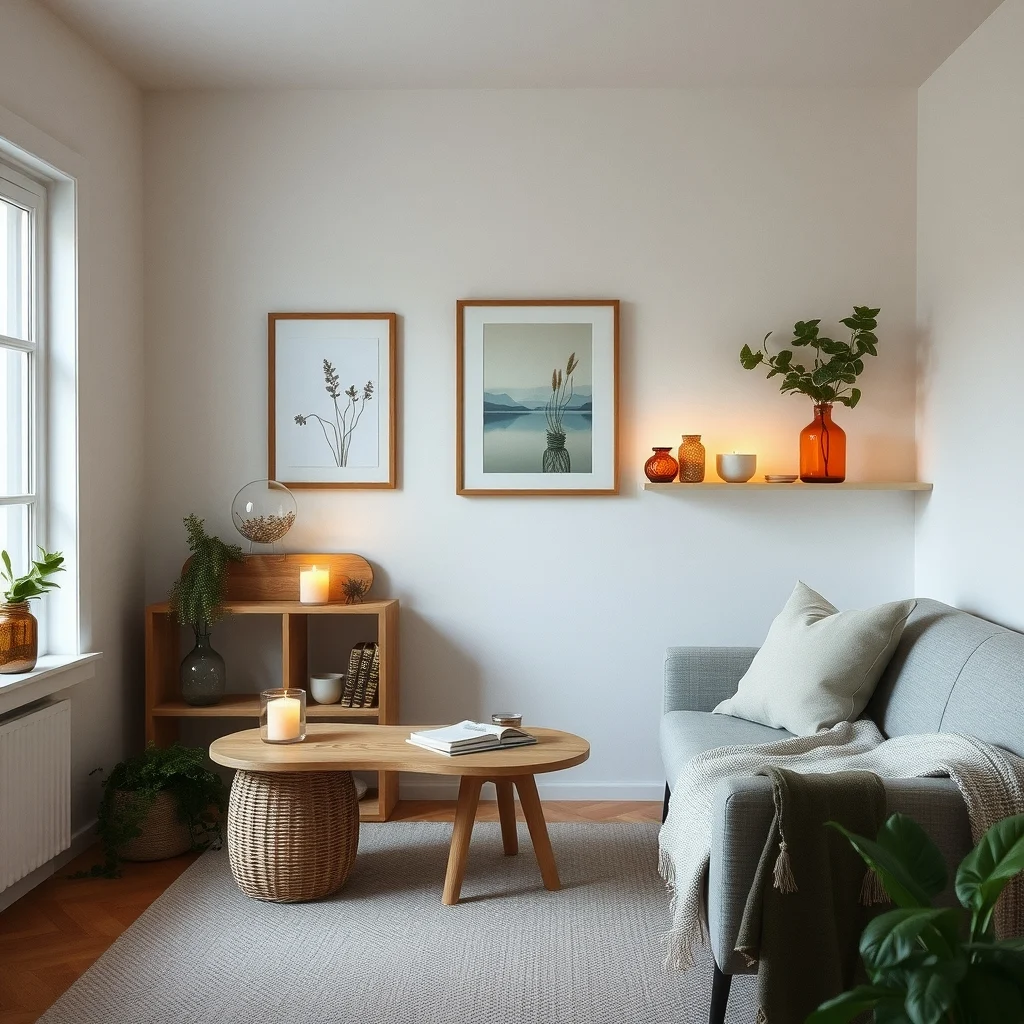
Empty mason jars, amber bottles, or even old perfume containers become charming light fixtures and storage solutions when paired with LED candles or battery‑powered fairy lights. The translucence of glass diffuses light softly, casting warm glows that complement natural wood tables or stone countertops. To create a pendant cluster, drill a small hole in the jar’s lid, thread a thin metal cord, and hang the assembly at varying lengths from a sturdy hook. Below the pendant, place a low‑profile shelf where the jars can hold dried herbs, sewing supplies, or kitchen spices, keeping countertops uncluttered. Because glass is fragile, position the fixtures away from high‑traffic zones or children’s play areas. Using LED sources ensures low energy consumption and eliminates the fire risk associated with open flames, making the solution safe and sustainable.
5. Lay Natural Fiber Rugs Made from Reclaimed Materials
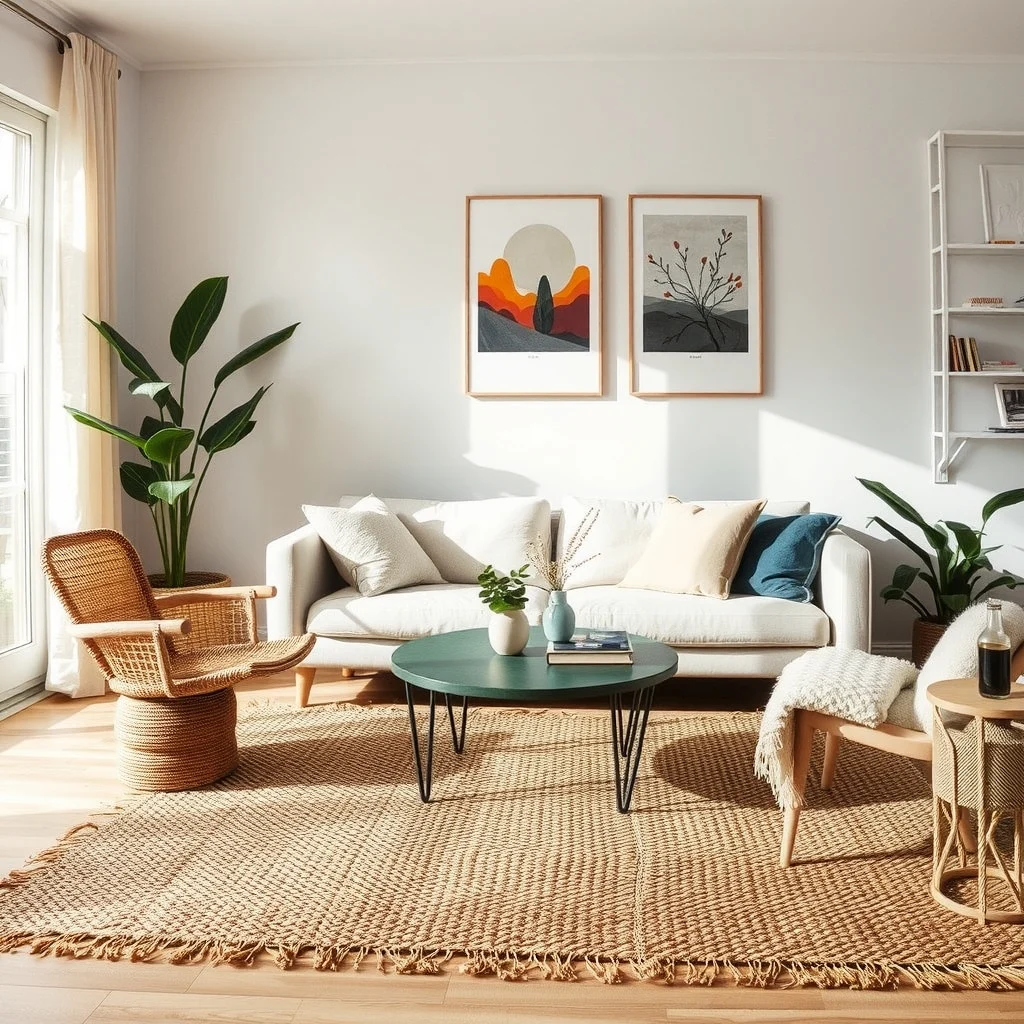
A hand‑woven rug crafted from reclaimed jute, sisal, or recycled cotton adds texture underfoot while grounding a seating area. These fibers are biodegradable, and when sourced from post‑consumer waste they keep material out of landfills. Choose a rug with a muted, earth‑tone pattern—perhaps a subtle herringbone in soft beige—to complement a living‑room palette of light wood floors and linen sofas. The rug’s natural fibers soften footsteps and help define the conversation zone without the need for additional partitions. Maintenance involves regular vacuuming and occasional spot cleaning with a mild solution; avoid excessive water, which can cause the fibers to shrink. The main consideration is that natural fiber rugs can feel coarser than synthetic options, so they work best in spaces where a relaxed, organic aesthetic is desired.
6. Apply Plant‑Based Finishes and Low‑VOC Paints for a Healthy Atmosphere
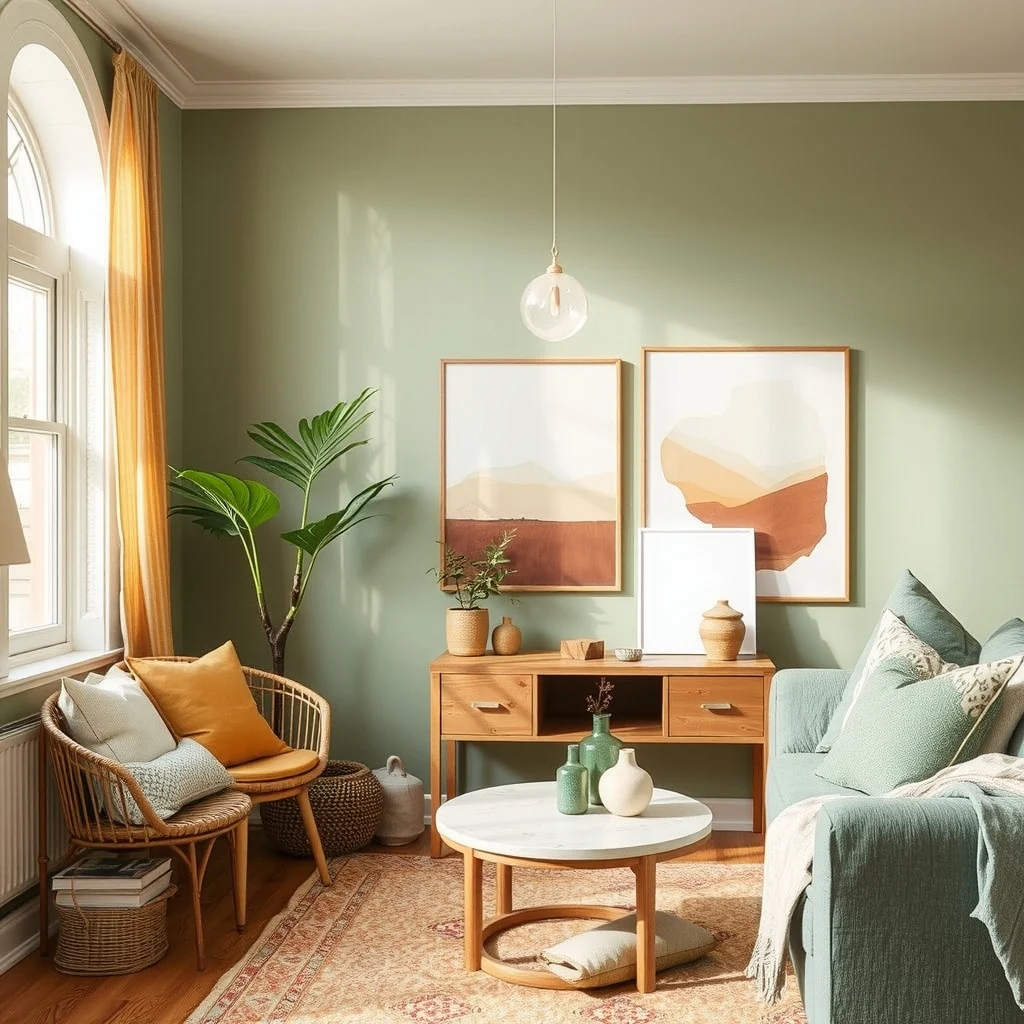
When the walls need a refresh, opting for paints formulated with plant‑derived pigments and low volatile organic compounds reduces indoor air pollutants while delivering rich color. A soft, muted sage or a warm, sun‑kissed ochre made from natural pigments can enhance the sense of calm in a bedroom or home office. Before painting, test a small patch to see how the hue interacts with natural light at different times of day; this prevents a room from feeling too dim in the evening. Low‑VOC finishes also work well on reclaimed wood, allowing the grain to show through while protecting the surface from spills. Although these paints often have a higher upfront cost than conventional options, the health benefits and reduced off‑gassing make them a worthwhile investment for families and pets. Keep in mind that some plant‑based paints may require a longer drying time, so plan accordingly.
7. Create DIY Accents with Reclaimed Stone or Concrete
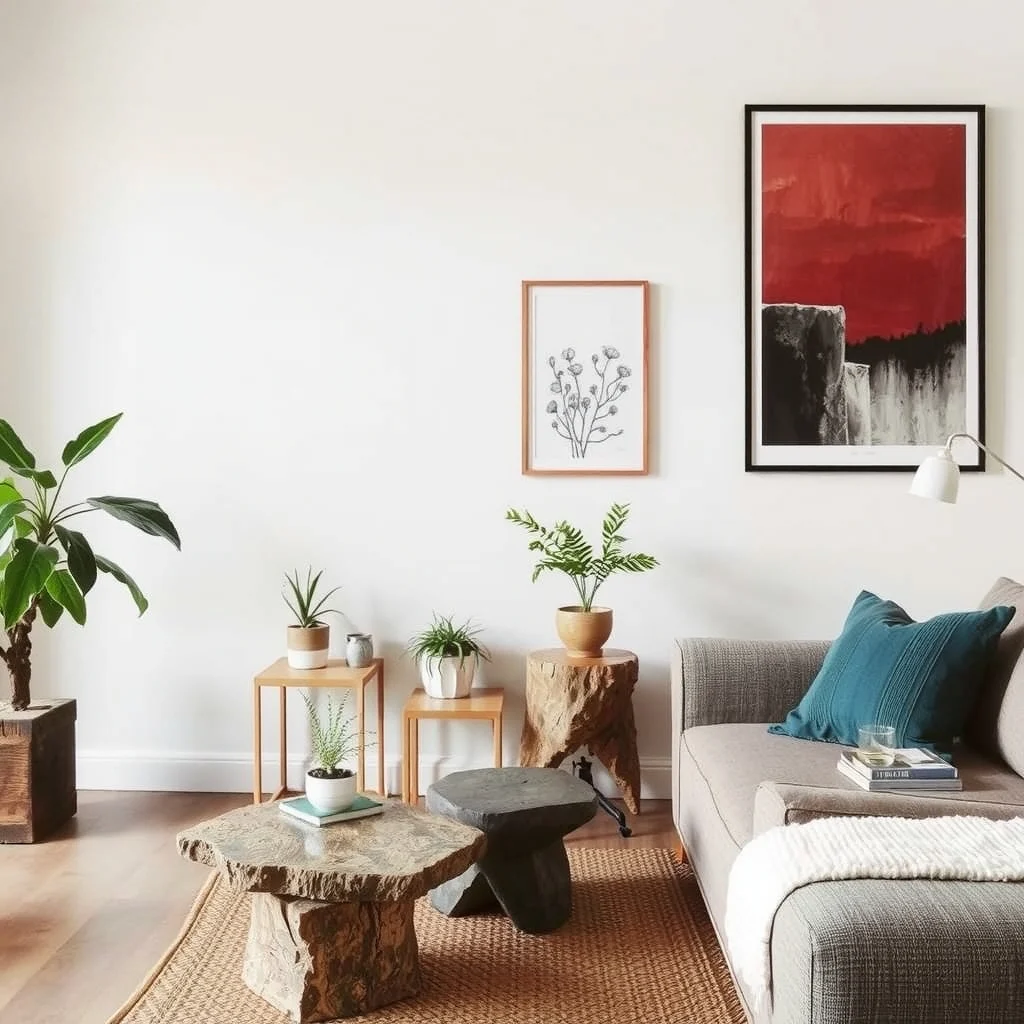
Small slabs of salvaged river rock, reclaimed brick, or even poured concrete can become striking side tables, plant stands, or decorative ledges. The rough, irregular surface of a reclaimed stone slab adds a tactile contrast to sleek, modern furniture, while its weight ensures stability for indoor plants or candles. To fashion a simple coffee table, place a thick slab on four short, sturdy legs—repurposed from an old metal stool or industrial pipe. Finish the stone with a breathable sealant that protects against moisture without creating a glossy sheen. Concrete can be poured into molds using recycled aggregate, then sanded and stained with natural pigments for a subtle hue. The downside is the heaviness of stone; ensure floor joists can support the load, and consider using furniture sliders when moving the piece to avoid floor scratches.
Frequently Asked Questions
How can I find quality secondhand furniture without spending too much time?
Start by checking local thrift stores, estate sales, and online marketplaces that allow you to filter by condition and price. Arriving early gives you first pick, and bringing a measuring tape ensures the piece fits your space.
What is the safest way to clean reclaimed wood surfaces?
Use a soft cloth slightly dampened with a mixture of water and mild soap, then dry immediately with a clean towel. For deeper cleaning, a natural oil such as linseed can nourish the wood without adding harsh chemicals.
Is it safe to use reclaimed glass for lighting fixtures?
Yes, as long as the glass is free of cracks and you pair it with LED or battery‑powered lights that generate low heat. Secure the glass in a sturdy frame and avoid placing it near open flames.
Can vintage textiles be mixed with a modern décor style?
Absolutely; the contrast between aged fabrics and contemporary furniture creates visual interest. Keep the color palette cohesive by selecting textiles that echo the room’s existing neutrals or accent hues.
How do I choose low‑VOC paints that still provide good coverage?
Look for paints labeled “zero‑VOC” or “low‑VOC” and check the manufacturer’s coverage specifications. Testing a small area helps you gauge how many coats are needed and ensures the color behaves as expected under your lighting.
Final Thoughts
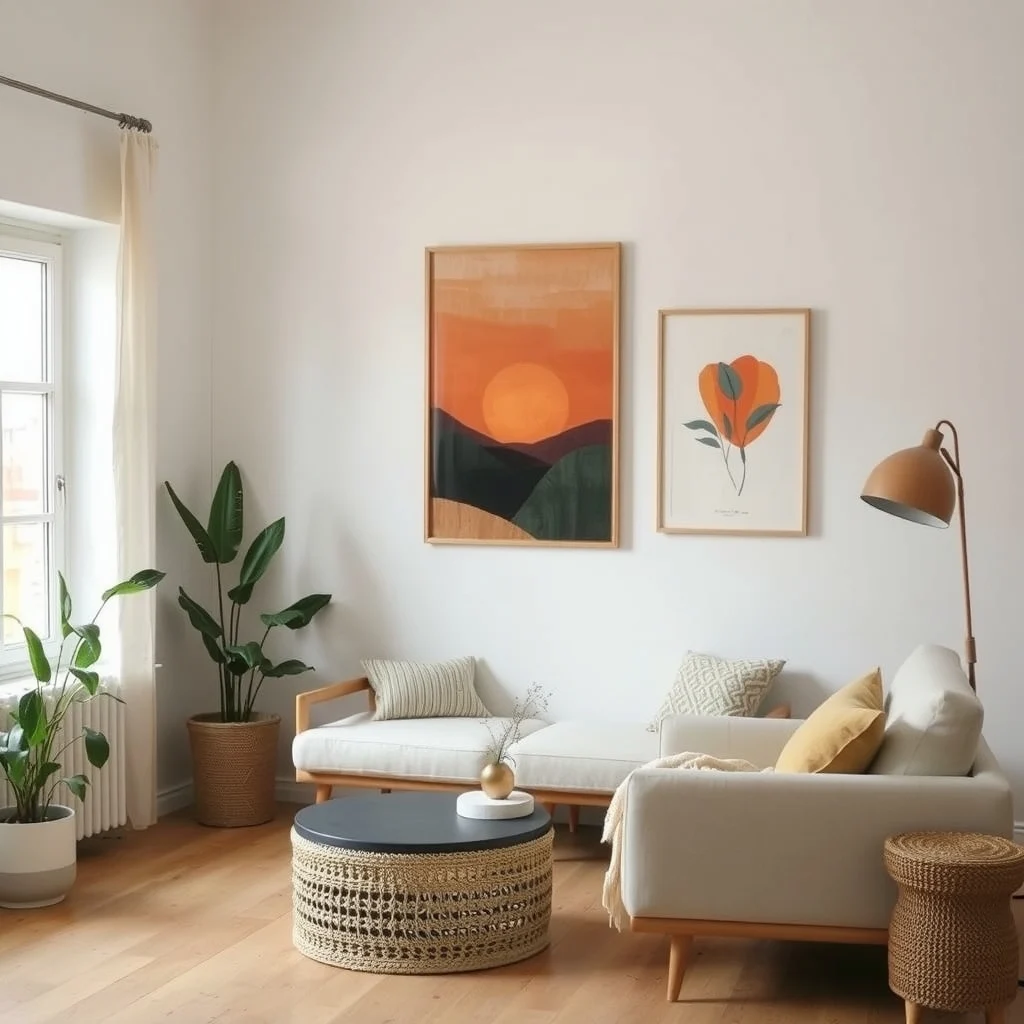
Integrating secondhand finds and natural materials into your home is less about chasing trends and more about curating a space that feels authentic and responsible. Each of the ideas above offers a pathway to reduce waste, support sustainable production, and create a lived‑in aesthetic that ages gracefully. By paying attention to the materials’ origins, maintenance needs, and how they interact with light and texture, you can build a home that tells a story—one that respects the past, embraces the present, and looks forward to a greener future.