Companion Planting Ideas for a Healthier Vegetable Garden
A garden can feel like an extra room in your home. When you keep it simple, the space stays calm and inviting. Clear paths let light move gently across the beds. A tidy garden invites you to linger.
You do not need a large plan to begin. A few thoughtful pairings can turn a modest plot into a quiet corner. Choose plants that share space, shade, or scent. Start with one or two pairs and watch them settle.
1. Tomatoes and Basil
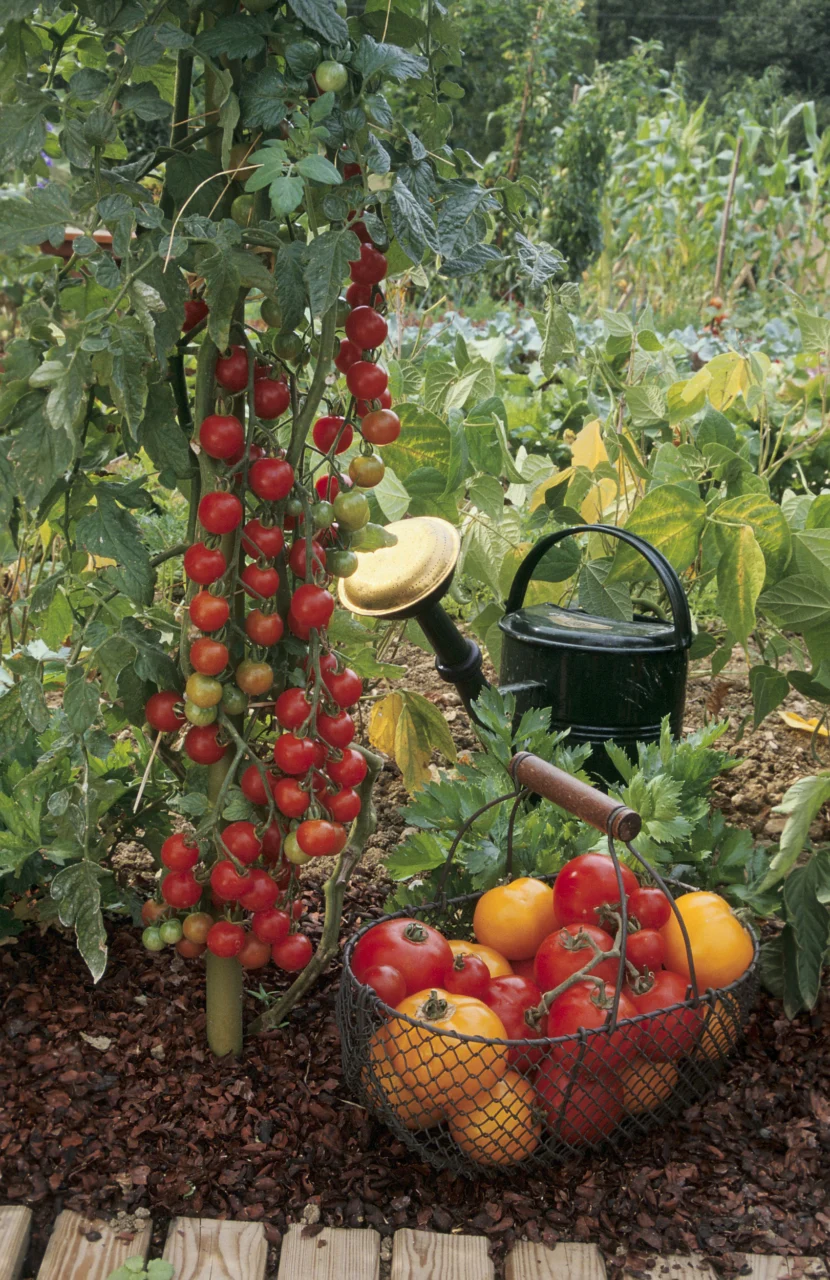
Tomatoes and basil add a soft green splash beside a wooden bench. Plant each tomato about 60 cm apart for air flow. Place basil 30 cm from the tomato stem, sowing ½ inch deep. Basil’s scent helps keep flies away while tomatoes shade the herb.
Avoid planting strong‑smelling herbs like rosemary next to basil, as they compete. Keep the soil loose and mulch lightly to retain moisture. Remove any weeds that crowd the base of the tomato. Today, add a basil seedling to the edge of your tomato row.
2. Carrots and Onions
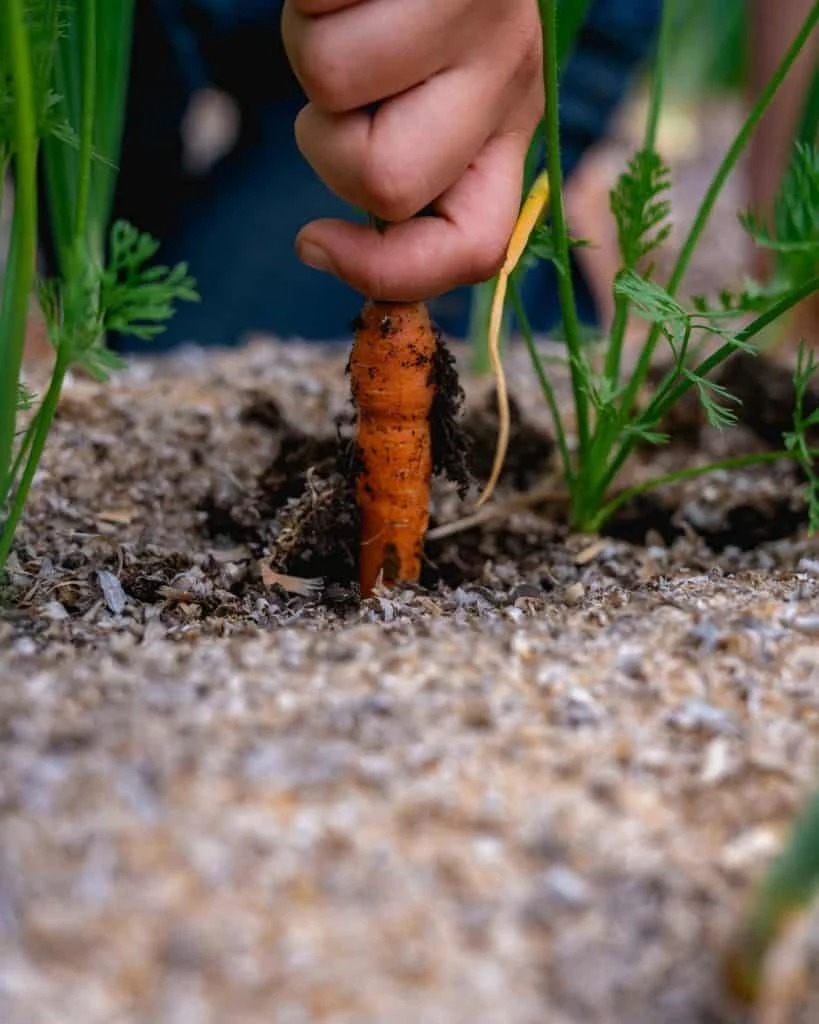
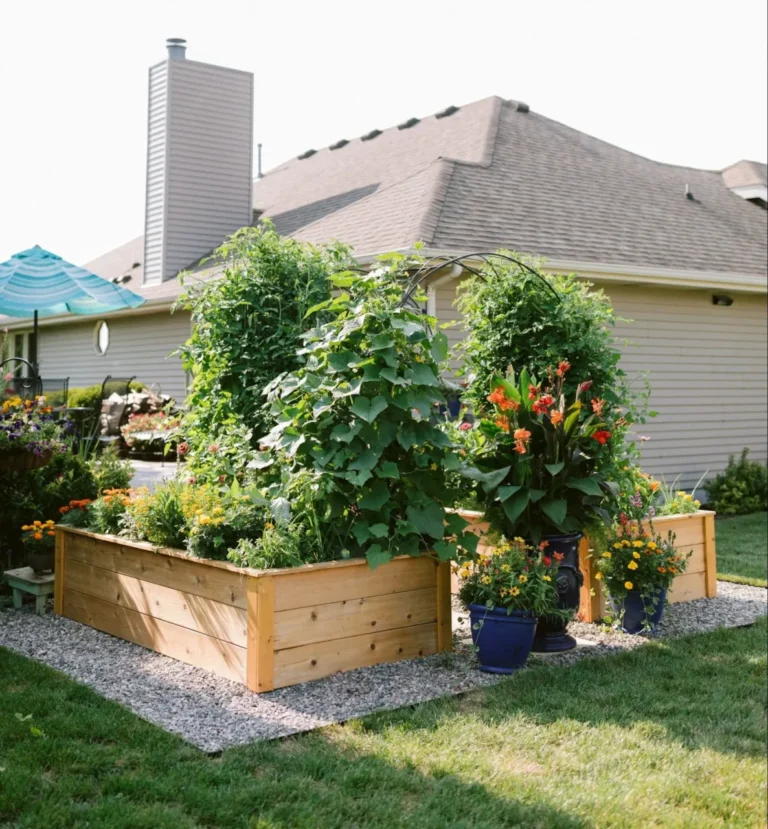
Carrots and onions create a layered look in a raised bed. Space carrot rows 20 cm apart and sow onion sets between them. Plant carrots ½ inch deep; onions need a shallow ¼ inch hole. The onion’s scent deters carrot flies while carrots loosen soil for onions.
Do not let onion tops shade carrot leaves; trim if they grow tall. Avoid heavy compost directly on carrot seeds; a light mix works best. Pull any thistle that appears, as it competes for nutrients. Today, scatter a few onion sets along your existing carrot rows.
3. Lettuce and Radish
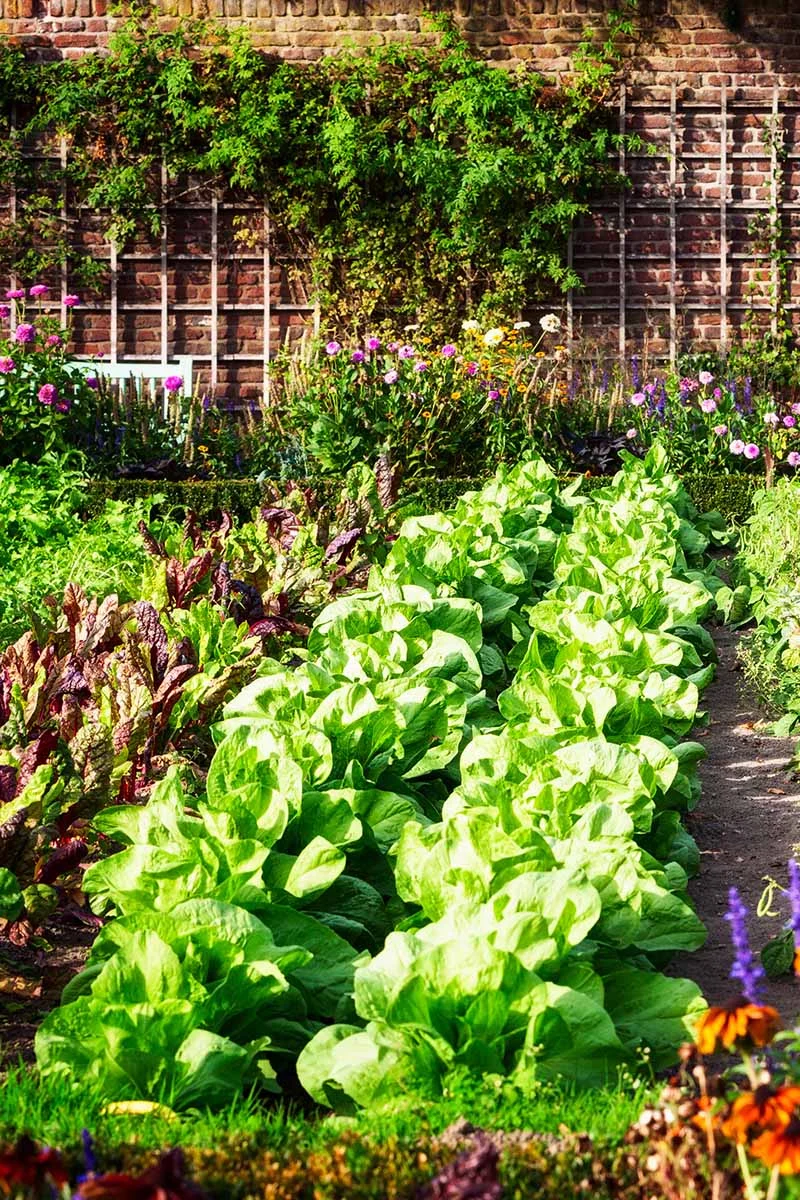
Lettuce forms a soft carpet that frames bright radish tops. Sow lettuce seeds ¼ inch deep, spacing 15 cm apart. Plant radish seeds in the gaps, ½ inch deep, 5 cm apart. Radishes break soil, keeping lettuce roots cool and loose.
Do not let lettuce become too dense; thin it early to avoid shade. Remove any crabgrass that steals water from the shallow radishes. Keep the bed moist but not soggy, especially for radish roots. Today, thin the lettuce to a single plant per spot.
4. Beans and Corn
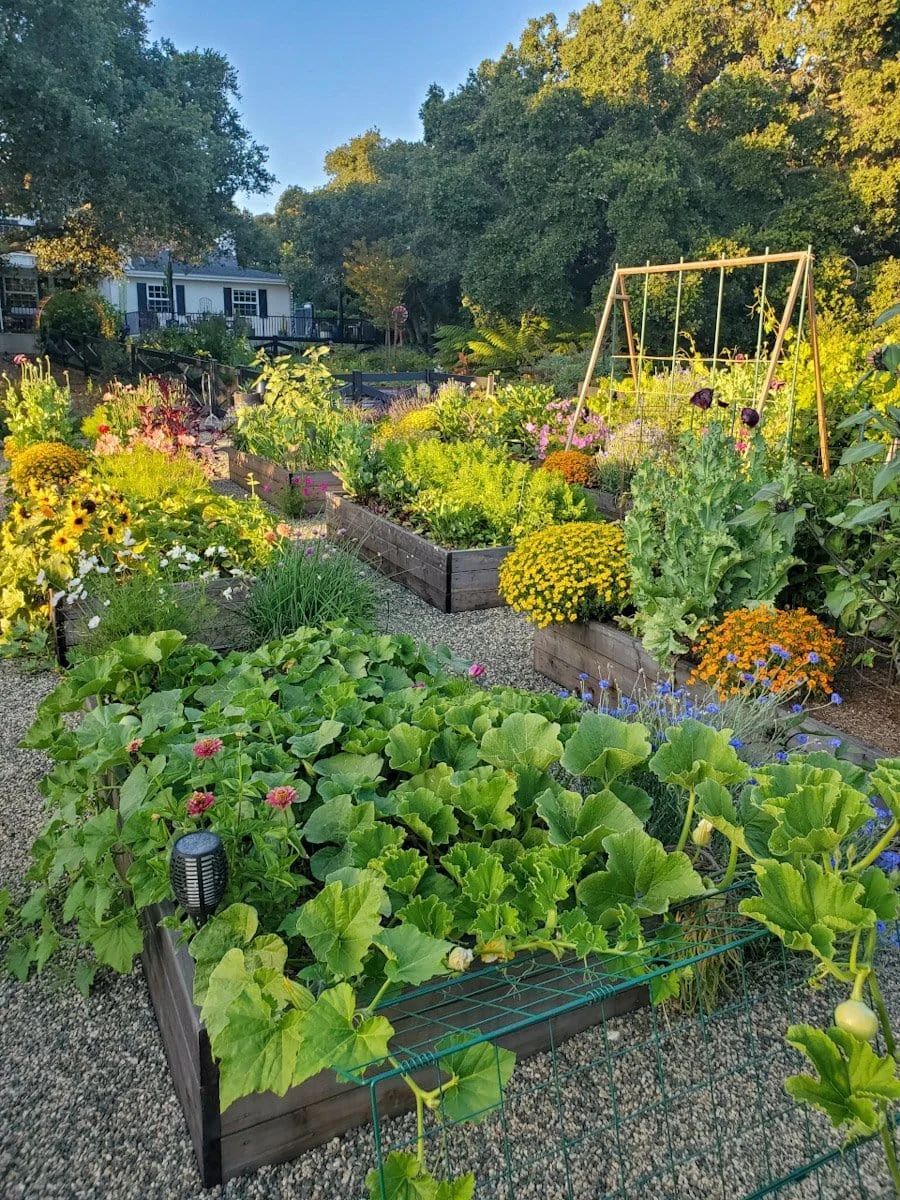
Corn stalks act as natural poles for climbing beans. Plant corn seeds 5 cm deep, spacing 30 cm apart in a row. When corn is 10 cm tall, sow bean seeds 2 cm deep at the base. Beans pull nitrogen into the soil, feeding the corn as it grows.
Avoid planting beans too close to other tall vegetables that shade them. Tie beans gently to the corn with soft twine if they need support. Remove any weeds that could tangle the vines. Today, place a few bean seeds at the foot of an existing corn stalk.
5. Cabbage and Dill
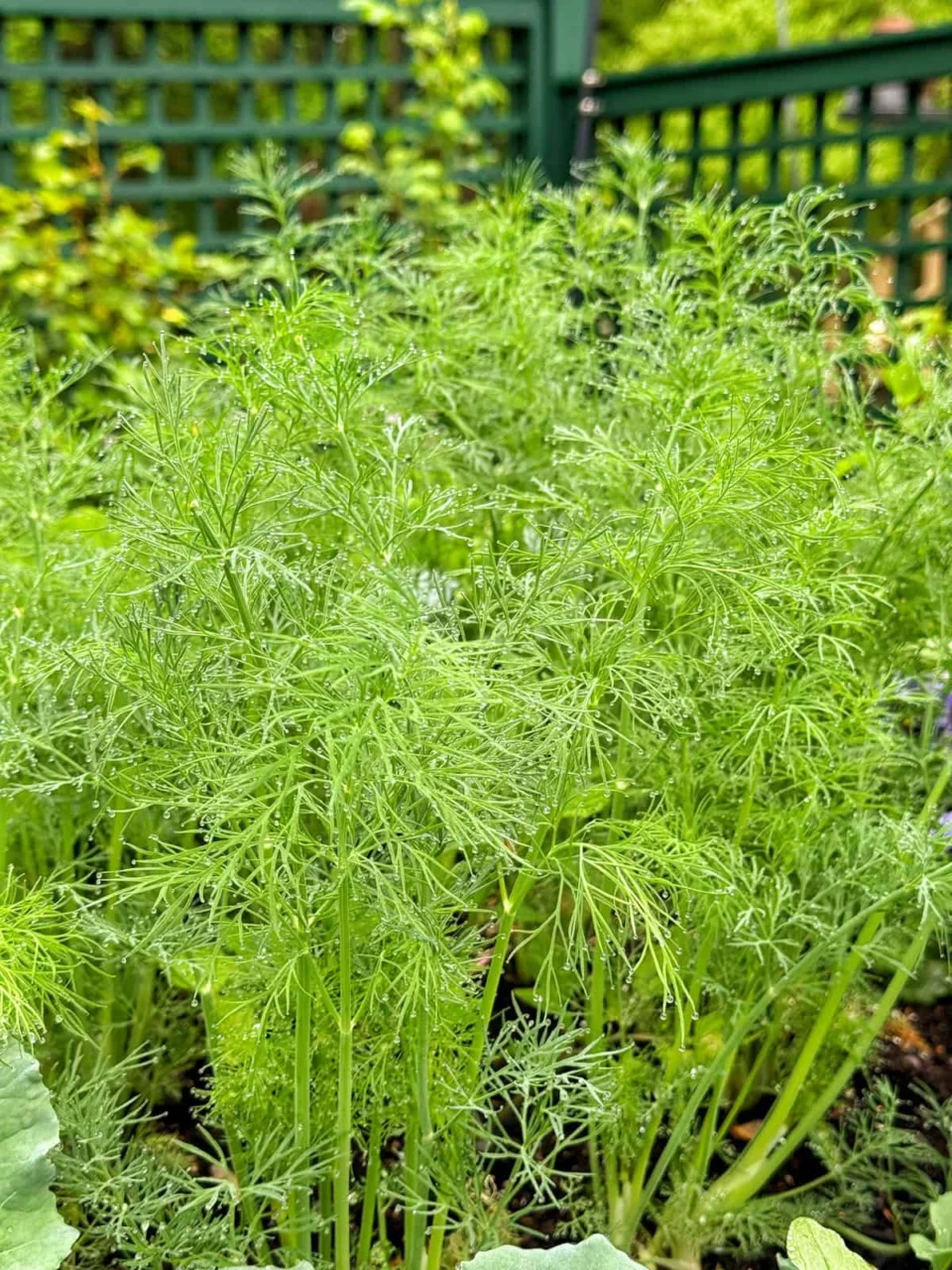
Cabbage heads stand like sturdy furniture, while dill adds feathery accents. Space cabbage plants 45 cm apart; plant dill 10 cm away from each head. Sow dill seeds ¼ inch deep; cabbage seedlings need a ½ inch hole. Dill draws hoverflies that eat cabbage pests, keeping leaves clean.
Do not let dill grow taller than the cabbage; pinch back flowering tops. Avoid heavy mulching around cabbage roots; a thin straw layer works best. Remove any slugs that hide near the base of the cabbage. Today, sow a small row of dill beside your next cabbage transplant.
6. Squash and Nasturtium
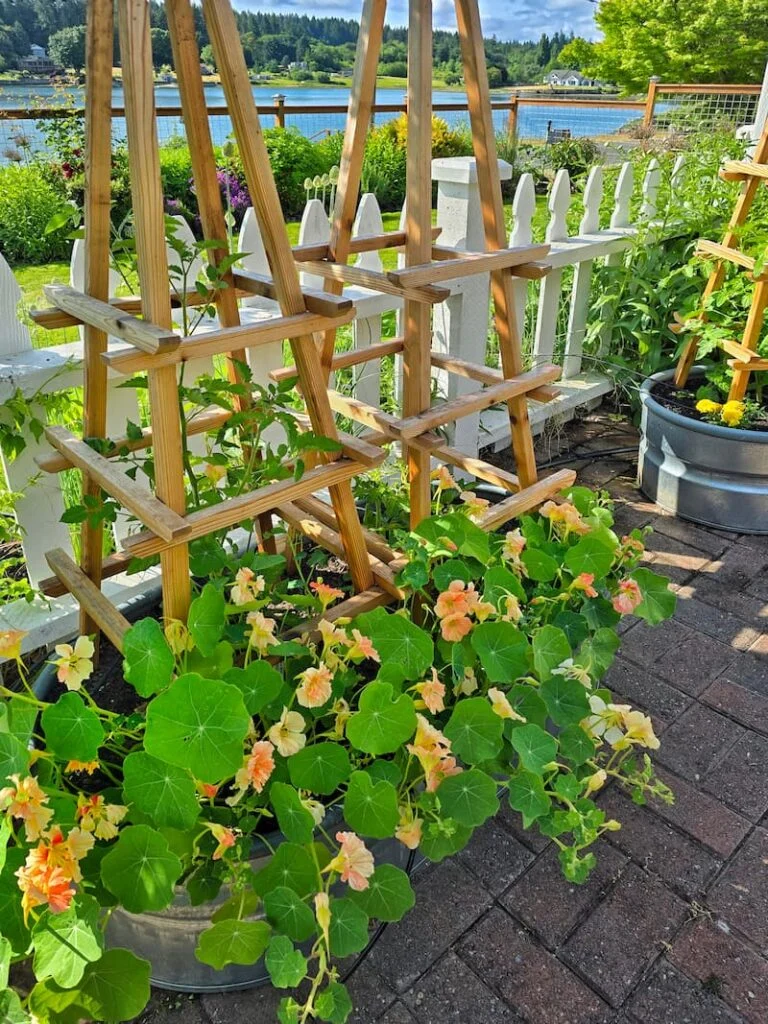
Squash vines spread across the ground, while nasturtiums pop up in orange. Plant squash seeds 2 cm deep, spacing 90 cm apart for vines to run. Scatter nasturtium seeds ½ inch deep around the squash base, spacing 20 cm. Nasturtiums trap aphids, keeping squash leaves clearer.
Avoid letting nasturtiums shade squash leaves; trim them back as they grow. Do not pile compost directly on nasturtium seedlings; a light mulch is enough. Remove any cucumber beetles that appear on the squash vines. Today, press a handful of nasturtium seeds near one squash plant.
7. Marigolds with Many Vegetables
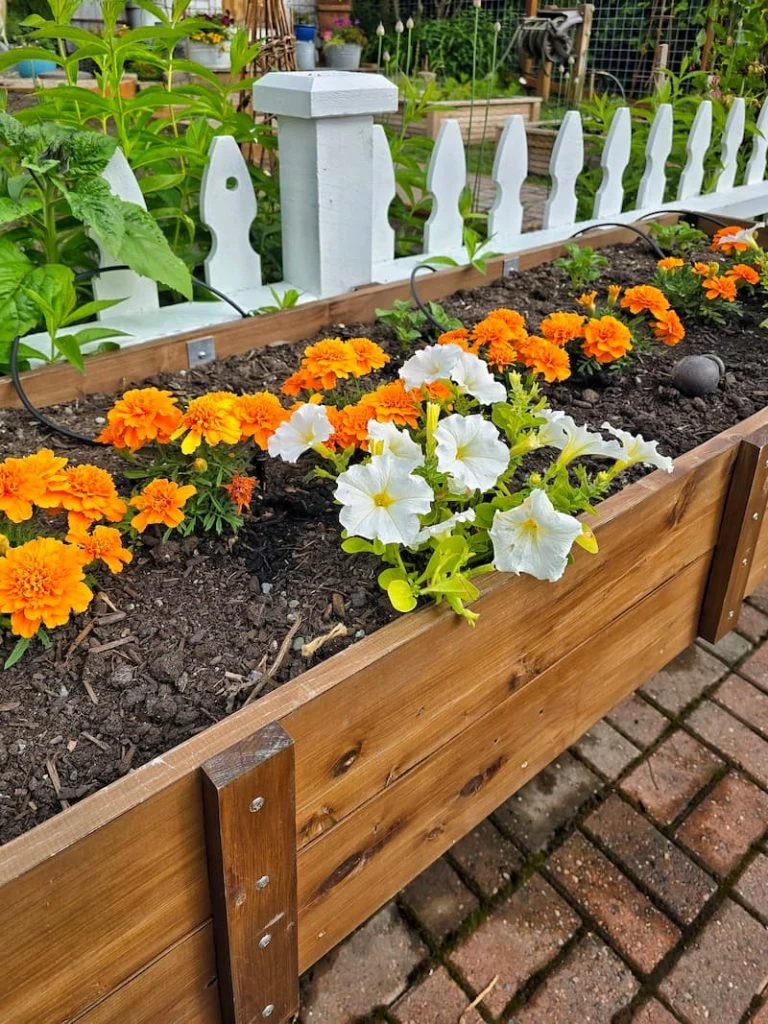
Marigold flowers make a sunny border around any vegetable bed. Plant marigold seedlings 30 cm apart along the edge of the plot. Space them 15 cm apart if using smaller dwarf varieties. Their scent helps keep nematodes and many insects away from nearby crops.
Avoid crowding the bed; too many marigolds can steal water from vegetables. Remove any wilted marigold stems to keep airflow good. Do not let the roots spread into the vegetable row; keep a shallow trench. Today, add three marigold seedlings to the side of your tomato bed.
FAQ
Can I use companion planting in containers?
Yes, you can pair small plants like basil and tomatoes in a large pot. Choose a pot at least 30 cm wide and add drainage holes. Fill with a light potting mix and plant basil 15 cm from the tomato.
Do I need to change the soil for each pairing?
No, most companion plants thrive in the same soil type. If the soil feels heavy, mix in a few inches of compost. This improves texture without altering the basic soil balance.
What if a pest still shows up despite the companions?
Check the garden for hidden spots where pests can hide. Hand‑pick insects you see and wash leaves with a gentle soap solution. Re‑apply companion plants if needed to strengthen protection.
How often should I water mixed beds?
Water the bed when the top inch of soil feels dry. Mixed beds may need a little more water on hot days, especially if tall plants shade the soil. Use a gentle spray to keep soil evenly moist.