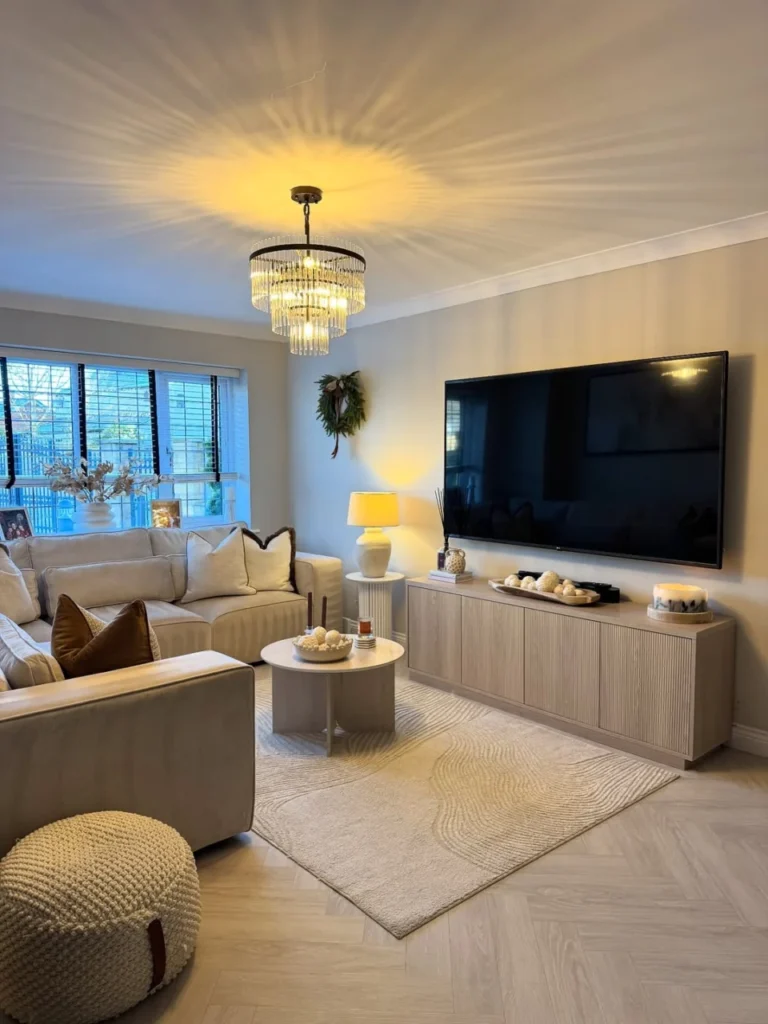
DIY Room Divider Ideas for Creating Privacy in Open Spaces
Living in a small apartment often means you have an open floor plan but need some privacy. You may not be able to drill into walls, and you might only have a few hours to set up a solution. This guide shows simple ways to add a divider without big changes.
We’ll walk through seven different DIY ideas that work in studios, rentals, and family homes. Each idea includes what it looks like, how to build it, and an honest note about when it might not fit. You can mix and match the ideas to suit your style and budget.
A More Beautiful Home
Starts With a Smart Plan.
Discover digital decorating guides, home organization planners and practical resources to help you make the most of your space.
Get more inspiration for less.
Livana Studio
Before you start, measure the space you want to separate and think about traffic flow. Sketch a quick layout so you know where doors, windows, and furniture will sit. This simple step saves you time and avoids a divider that blocks a path.
1. Freestanding Bookshelf Divider
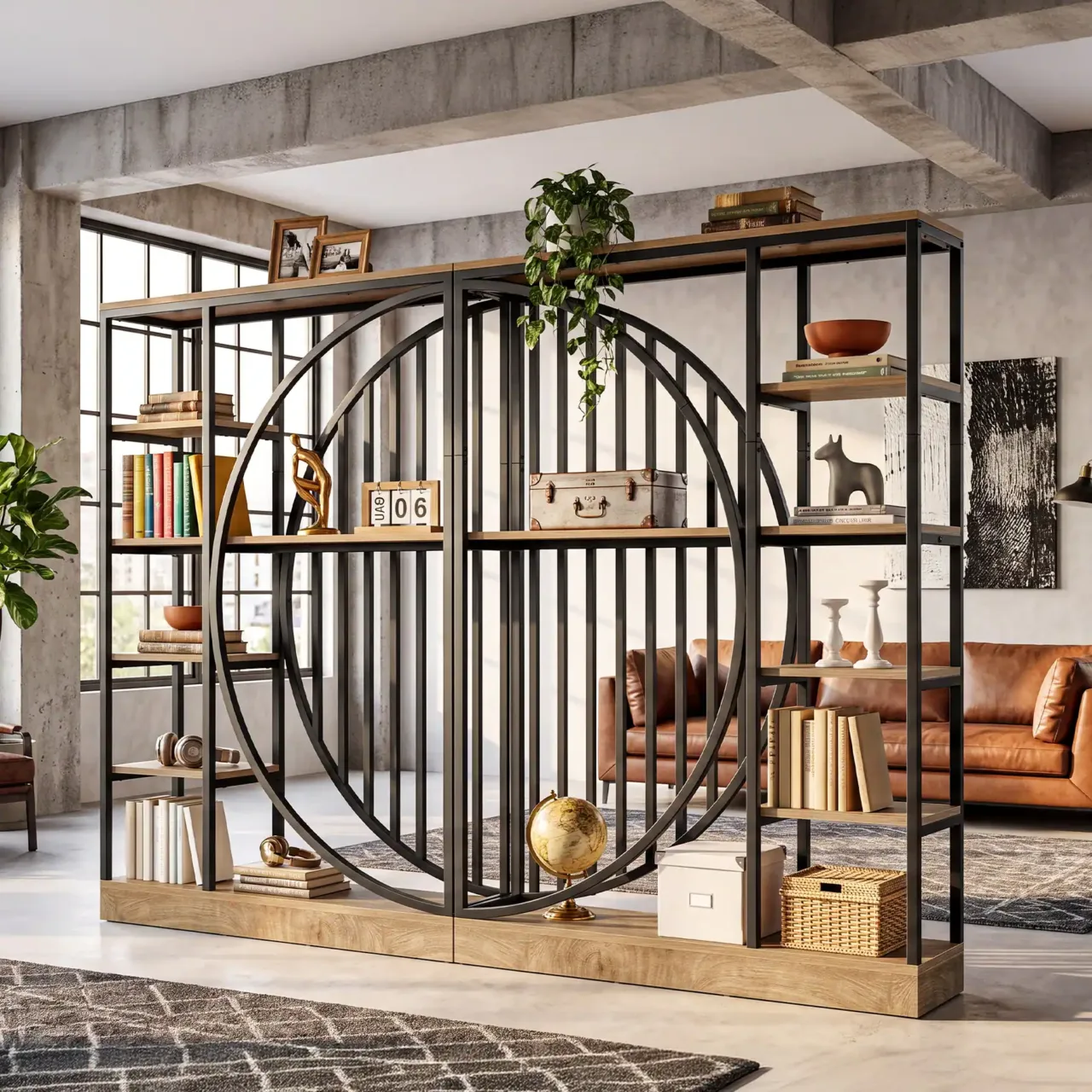
A tall, open‑back bookshelf can act as a solid visual wall while still letting light pass. The shelves hold books, baskets, and small plants, adding texture and storage at the same time. Choose a light oak finish or white paint to keep the room feeling airy.
Buy a ready‑made bookshelf or assemble a simple one from flat packs. Place it where you need a break, such as between the living area and a home office nook. You can anchor it with a rubber mat to keep it steady without drilling.
The main downside is that a full bookshelf takes up floor space, which can feel cramped in very small rooms. If you need more walking room, consider a narrower unit or a lower height.
2. Curtain Panel Divider
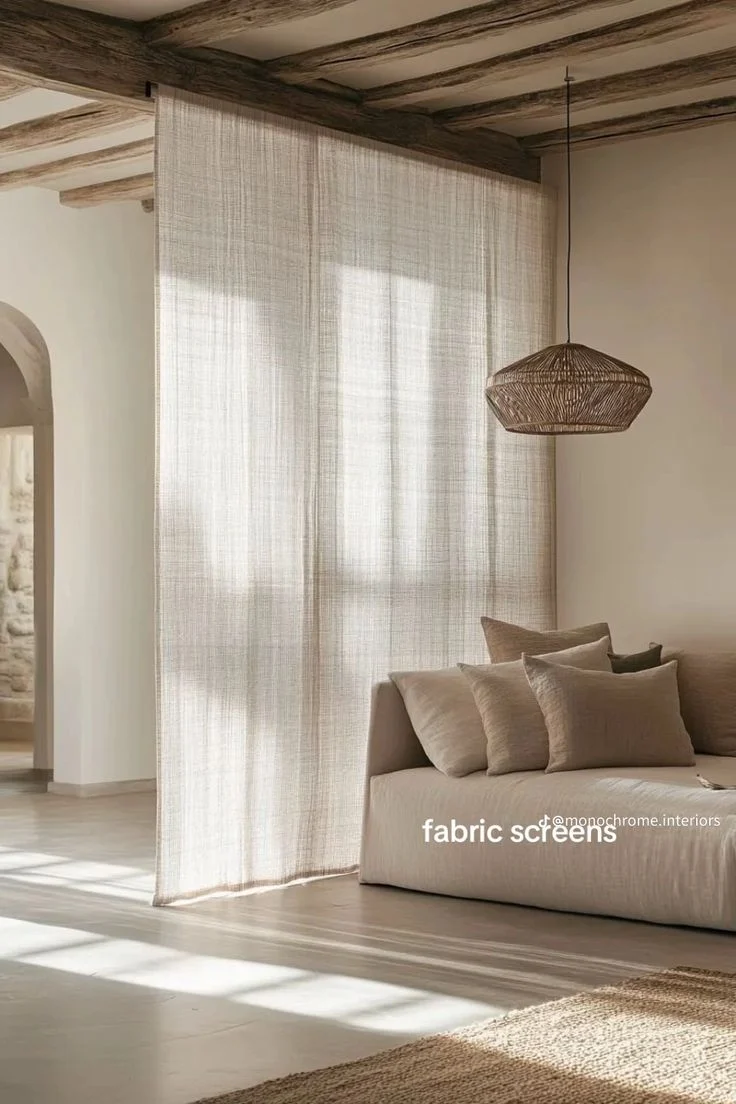
Soft, floor‑to‑ceiling curtains create a gentle barrier that can be pulled aside when you want an open feel. Choose a linen fabric in a neutral shade like warm greige or soft terracotta. The fabric adds a hint of color without overwhelming the space.
Install a tension rod or a ceiling track that doesn’t require screws. Hang two or three wide panels and let them overlap for extra privacy. You can pull the curtains to the side with a simple tie‑back when you need more room.
Curtains can collect dust and need regular washing, so they may not be ideal for high‑traffic areas. Also, heavy fabrics can block airflow, so pick a breathable material if the room gets warm.
3. Folding Screen Divider
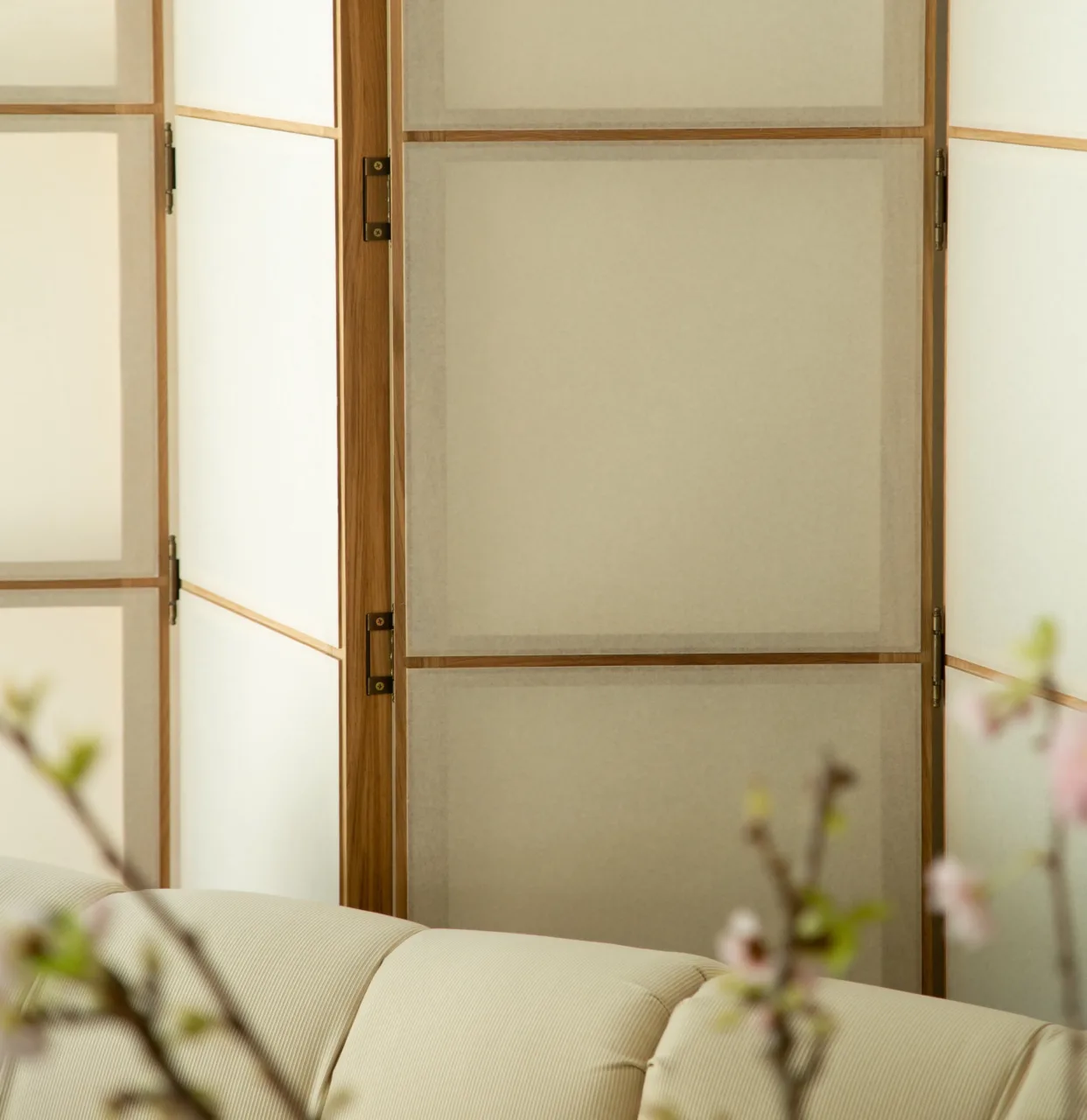
A folding screen gives you a portable wall that folds flat for storage. Panels often feature simple geometric patterns in wood or painted metal, which adds a subtle design touch. The screen can be as tall as eight feet for full coverage.
Buy a ready‑made screen or make one by attaching hinges to three or four plywood pieces. Finish the wood with a clear seal or a light paint. Place the screen where you need a quick visual break, such as around a reading corner.
The screen takes up floor space when opened, and the hinges can wobble over time. If you need a sturdier barrier, consider adding a weight at the base of each panel.
4. Open Ladder Shelf Divider
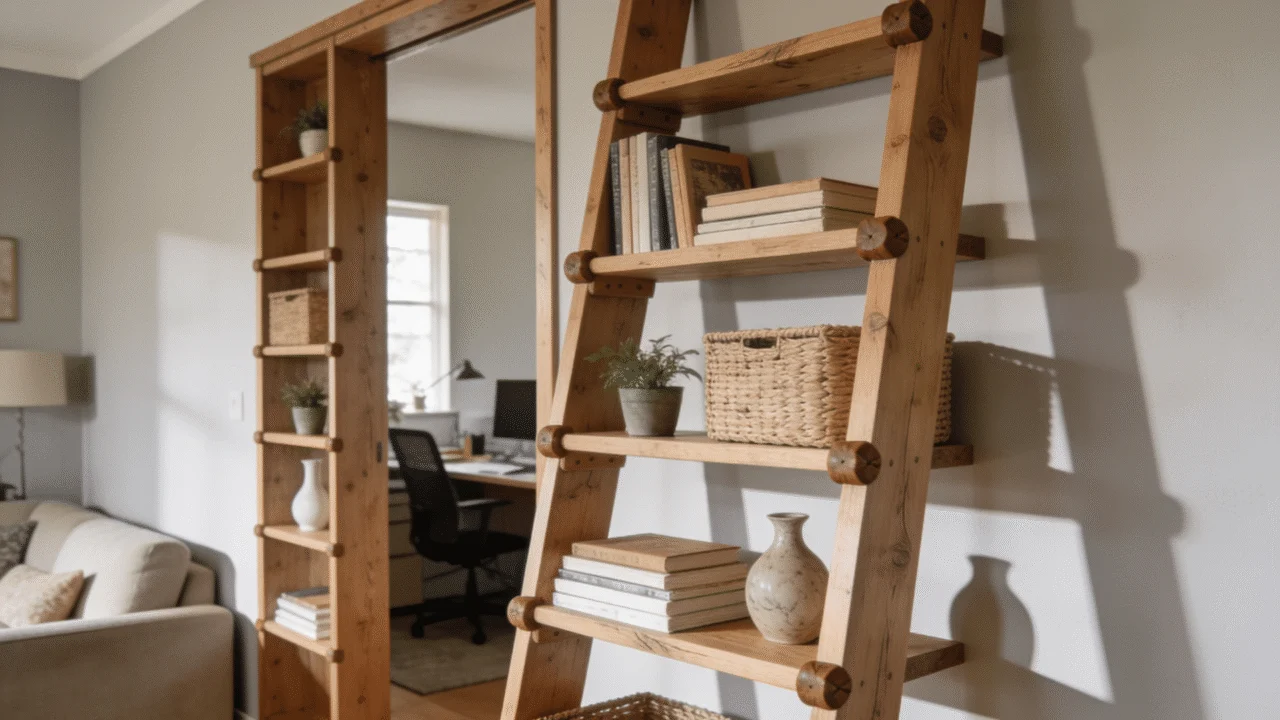
An open ladder shelf looks like a lean‑to bookshelf with slatted sides that let light flow through. The ladder can hold blankets, woven baskets, and small décor pieces, giving the room both function and style. A natural bamboo finish works well in light rooms.
Build the ladder from two sturdy side rails and a few rungs, using screws that can be removed later. Place it at an angle to create a partial wall between two zones. Add a non‑slip pad underneath to keep it steady.
Because the ladder is open, it offers less visual privacy than a solid wall. It works best when you only need a subtle separation, not a full block.
5. Tall Plant Wall
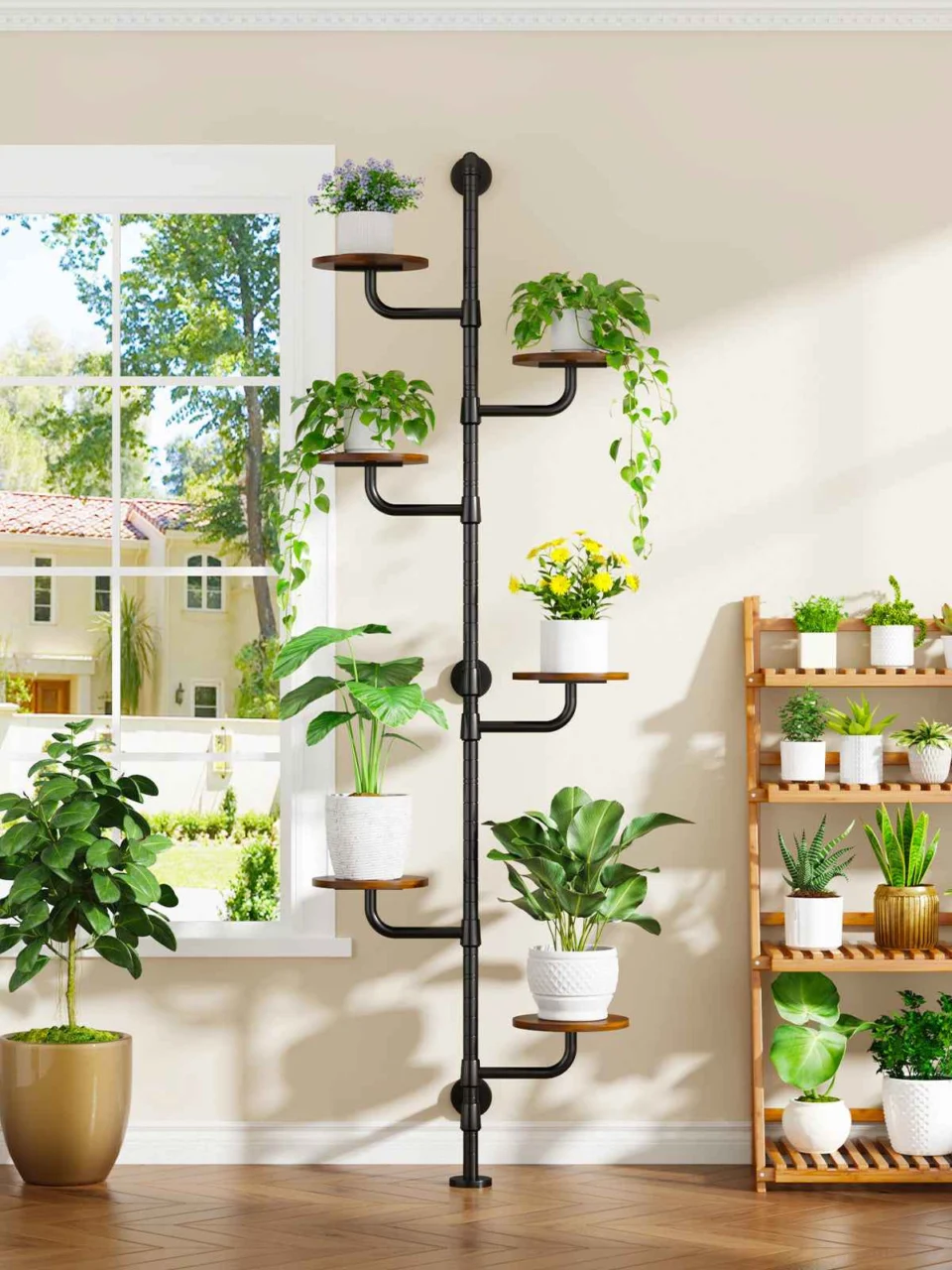
Grouping tall potted plants creates a living screen that adds fresh air and a natural feel. Use plants like fiddle leaf figs, rubber trees, or dracaena in matching pots. The green backdrop softens the room and can be a focal point.
Arrange the pots in a line or stagger them for a more organic look. Choose lightweight pots that can sit on the floor without a stand. Water the plants as needed and trim any stray leaves.
Plants need light and care, so this idea may not suit a dim room or a busy household that forgets watering. Also, the soil can spill, so place a tray underneath if you have carpet.
6. Repurposed Wooden Pallet Divider
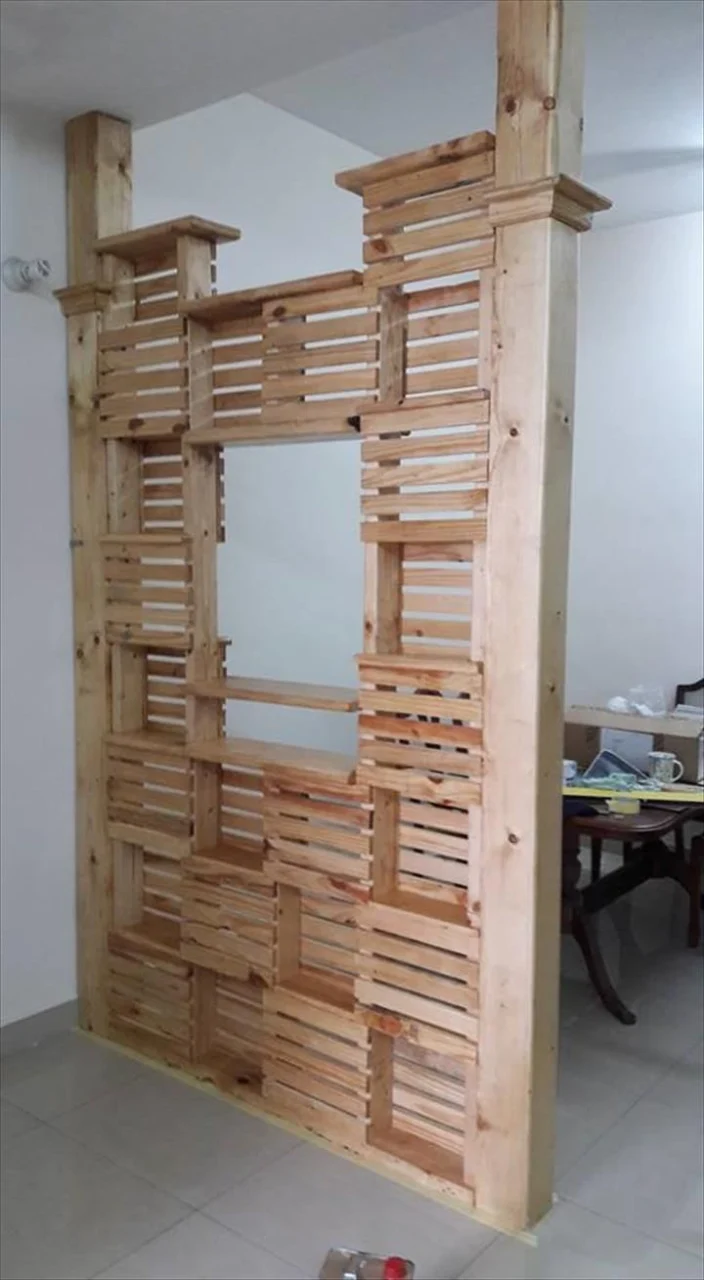
Stacked wooden pallets form a rustic, budget‑friendly barrier that can be painted or left raw. The gaps between slats let light pass while still defining a space. A coat of chalk paint in soft blue gives a vintage vibe.
Secure three pallets together with zip ties or removable brackets. Stand the stack on a rubber mat to protect the floor. You can add a shelf on top for extra storage of magazines or toys.
Pallets can be rough on the floor and may scratch delicate surfaces. If you rent, place a protective rug underneath to avoid marks.
7. Hanging Fabric Panels on Ceiling Rods
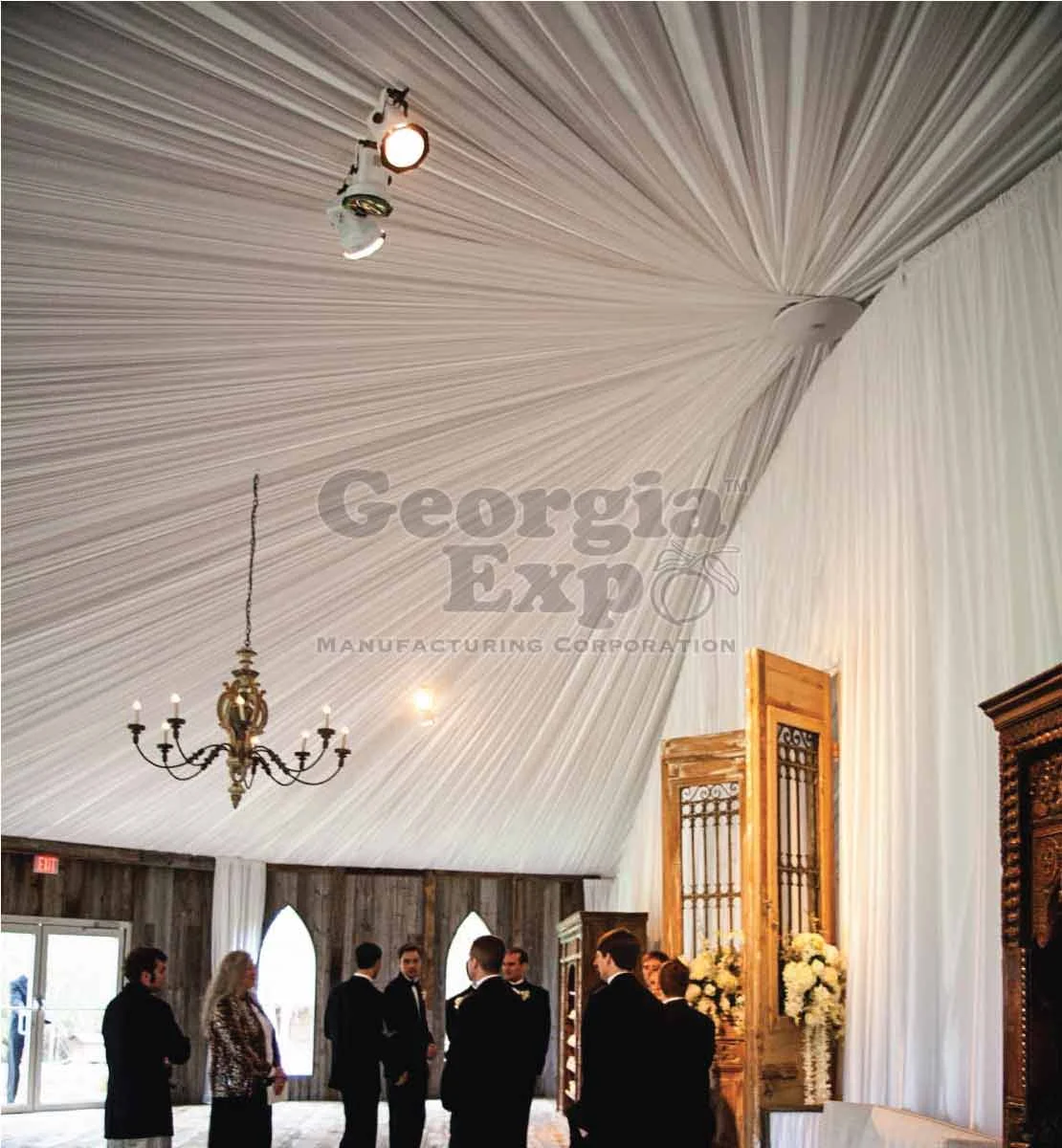
Long fabric panels hung from thin ceiling rods create a light, floating divider that can be moved easily. Choose a breathable cotton in a muted olive or dusty rose for a calm feel. The panels sway gently, adding a soft visual break.
Install tension rods that clamp onto the ceiling without drilling. Clip the fabric onto the rods with simple clothespins or looped cords. Adjust the height by sliding the rods higher or lower.
The fabric can billow when a breeze moves through the room, which may feel distracting. If you need a firmer barrier, opt for a heavier material or add a second row of panels.
FAQ
How can I make a divider without drilling?
You can use tension rods, floor‑to‑ceiling curtains, or freestanding furniture that relies on weight.
These options stay put with rubber pads or brackets that clamp onto existing surfaces, so they work well in rentals.
What cheap materials work best for a DIY divider?
Look for items like plywood, pallets, or second‑hand bookshelves.
These can be painted or left natural, and they usually cost less than $50 at a local hardware store.
Can I use a divider in a rental without damaging walls?
Yes, choose solutions that attach with tension, adhesive hooks, or removable brackets.
Make sure any adhesive is rated as damage‑free and test it on a small hidden spot first.
How do I keep a divider from looking cluttered?
Limit the number of decorative objects you place on the divider.
Stick to a few baskets, a single plant, or a couple of books to maintain a clean look.
What lighting works well with a room divider?
Use low‑profile floor lamps or small table lamps placed near the divider.
A warm LED bulb adds gentle light without overwhelming the space, and it highlights the divider’s texture.