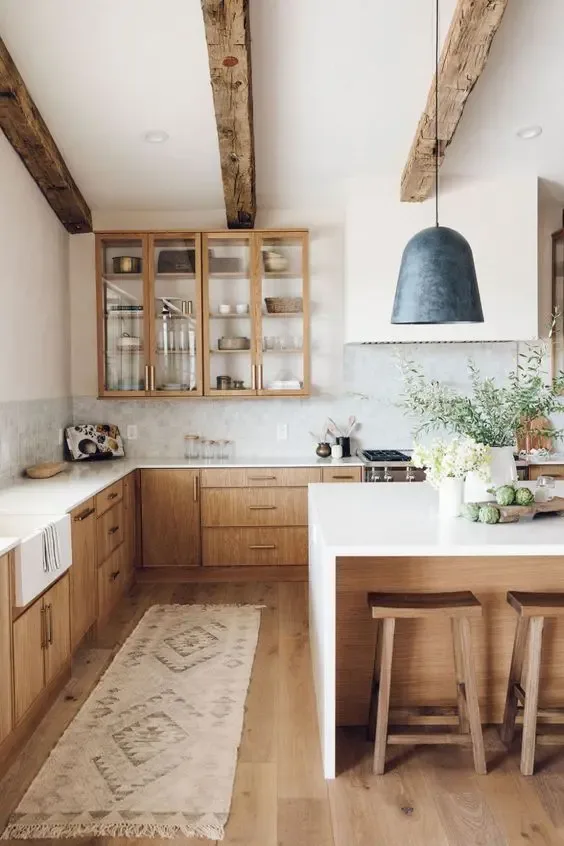
Furniture Painting Ideas for Refreshing Outdated Home Interiors
When a room feels tired, try some furniture painting ideas to give it new life. You don’t have to replace a piece to change its look.
Painting lets you play with color, texture, and style without a big budget. Below are seven ideas that work in many rooms.
A More Beautiful Home
Starts With a Smart Plan.
Discover digital decorating guides, home organization planners and practical resources to help you make the most of your space.
Get more inspiration for less.
Livana Studio
1. Soft Matte Pastels on Small Side Tables
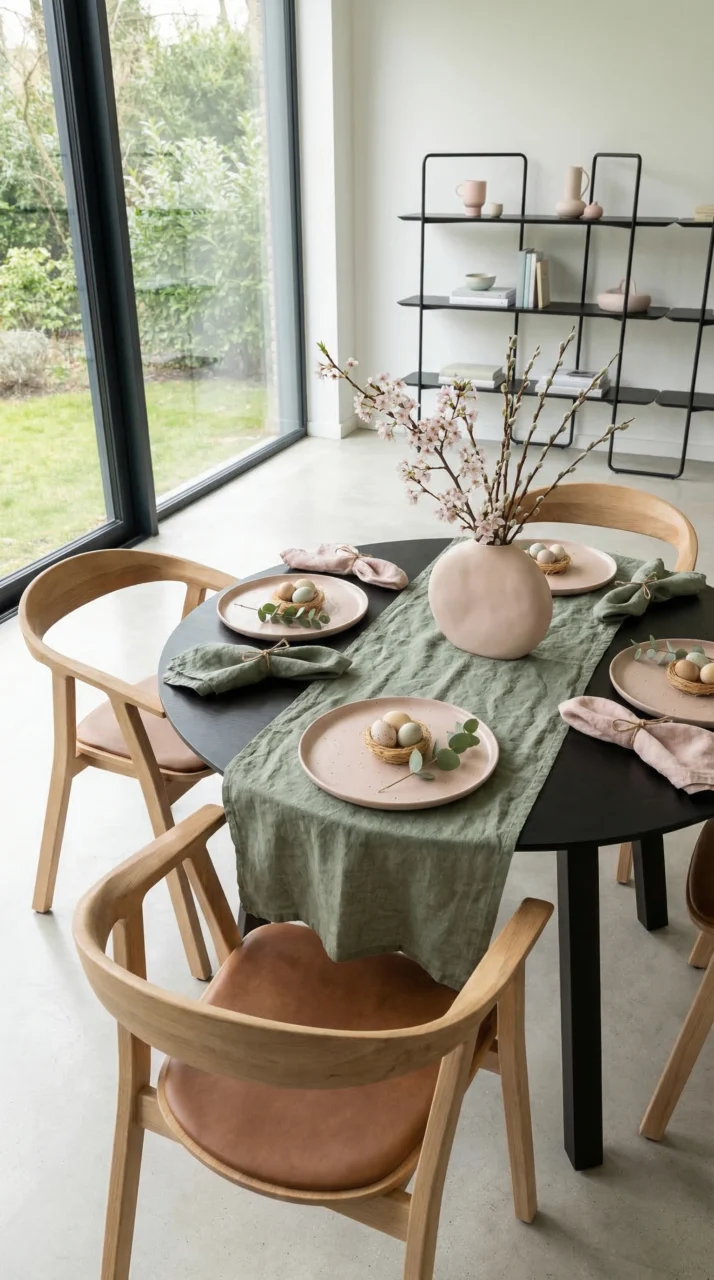
Imagine a small side table in a light pastel shade. The hue feels calm and adds a gentle pop.
This look works best in living rooms that have neutral walls. A pastel like pale mint or blush adds a whisper of color without overwhelming the space.
To paint, sand the surface lightly, then use a primer made for wood. Apply two thin coats of matte latex paint and let each dry fully.
The downside is that pastel finishes can show dust more easily, so you may need to wipe them often.
2. Bold Chalkboard Finish on Kitchen Island
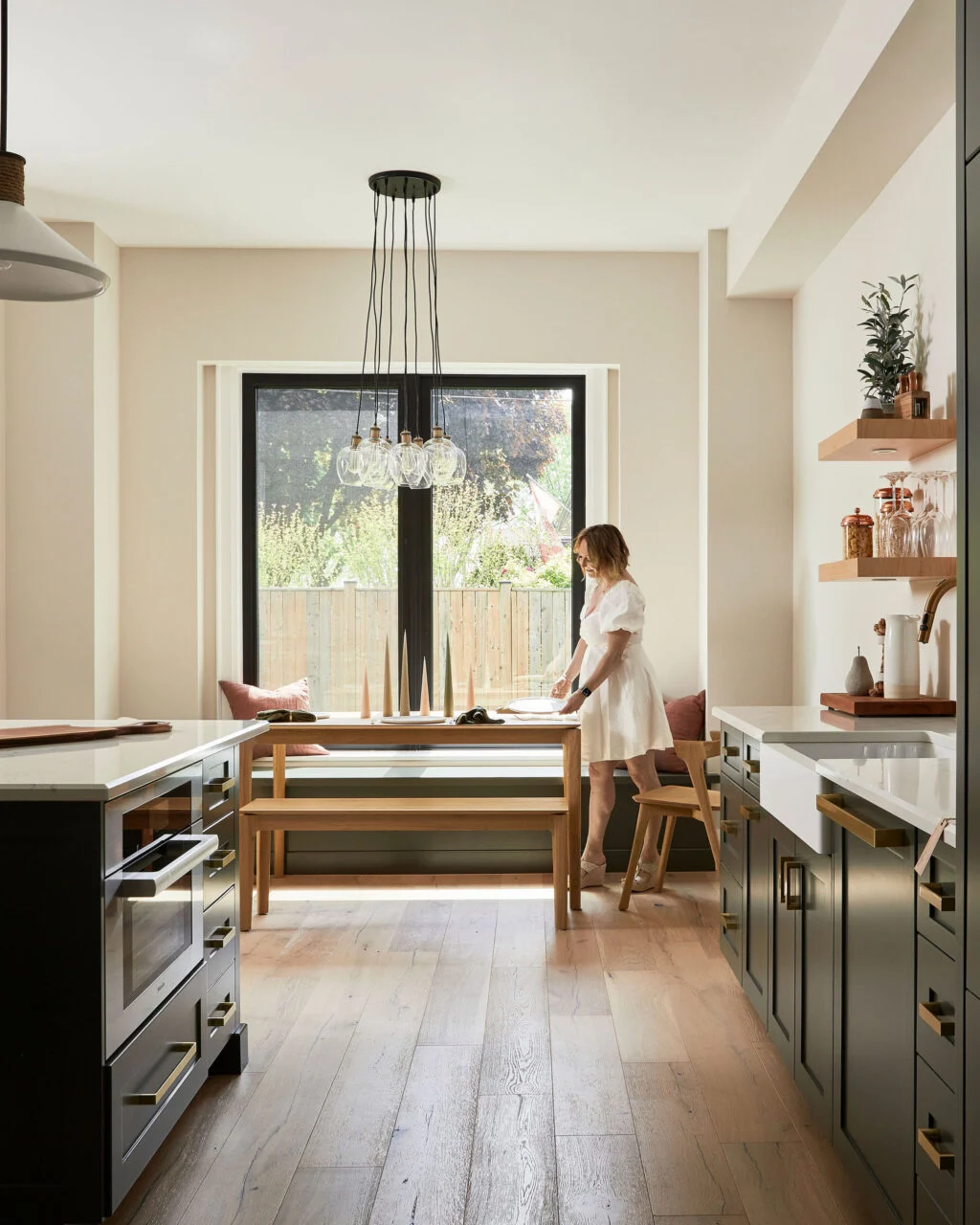
A chalkboard surface turns a kitchen island into a functional art board. It invites notes, recipes, and doodles.
The matte black look creates contrast with bright countertops. It also adds a playful, creative vibe to the room.
Start with a chalkboard primer, then add a chalkboard paint in dark gray or black. Seal with a clear, low‑sheen polyurethane to protect the surface.
Keep in mind that chalk dust can spread, so a small brush or cloth will be needed for cleanup.
3. Weathered White Wash on Bedroom Dressers
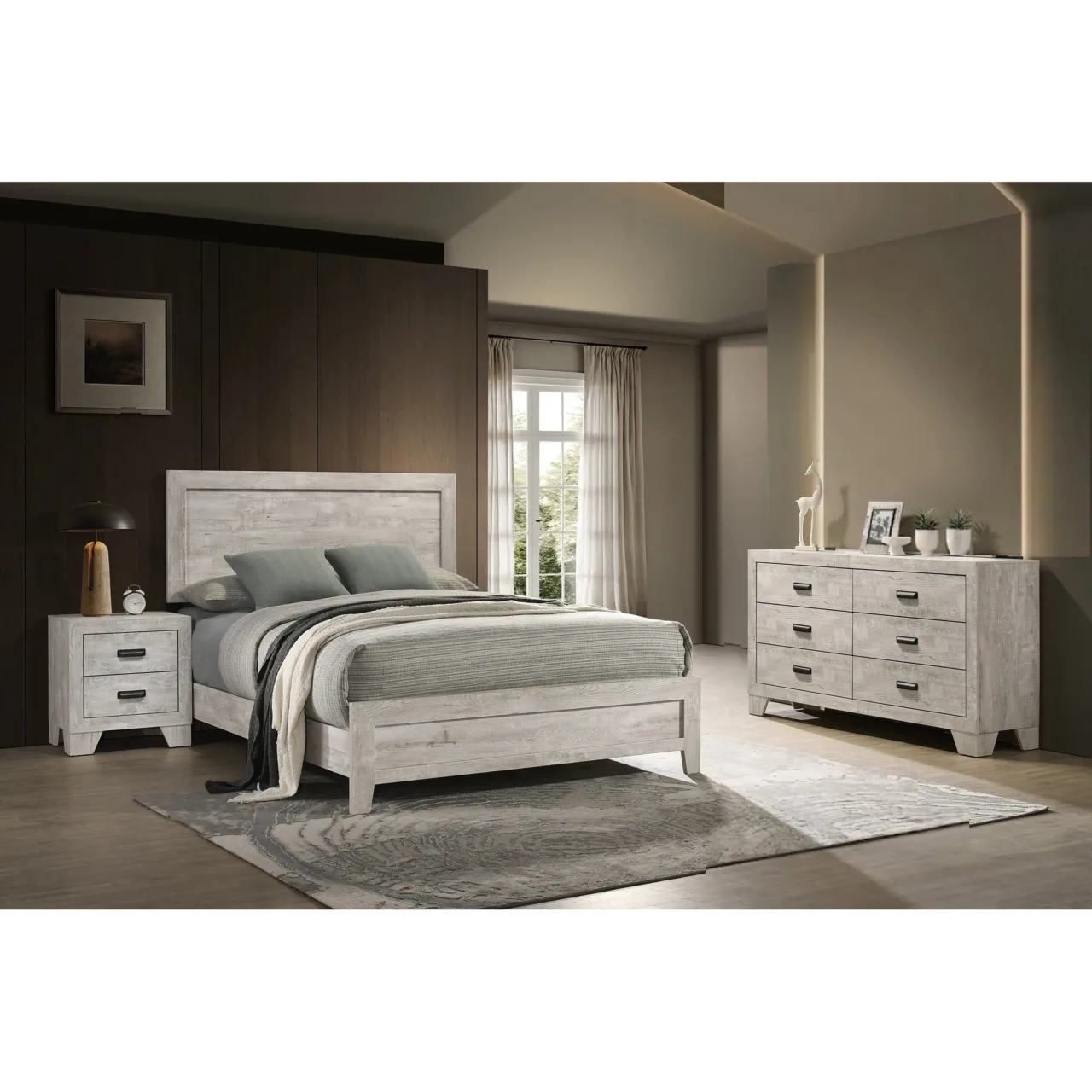
A white‑washed finish gives a dresser a relaxed, lived‑in feel. It works well with both modern and vintage bedrooms.
The light, semi‑transparent coating lets the wood grain show through, adding depth without heavy color.
Mix one part limewash with two parts water, apply with a brush, then wipe off excess after a few minutes. Finish with a wax for a soft sheen.
This technique can make the piece look slightly distressed, which may not suit a very formal bedroom style.
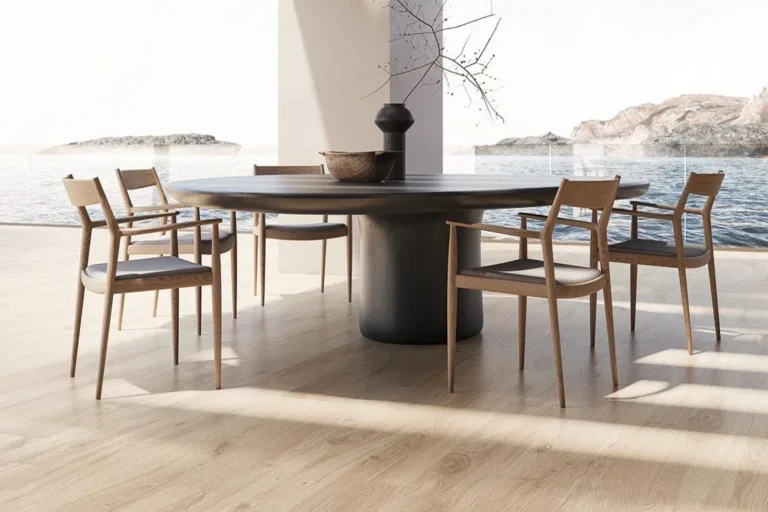
4. Deep Emerald Green on Dining Chairs
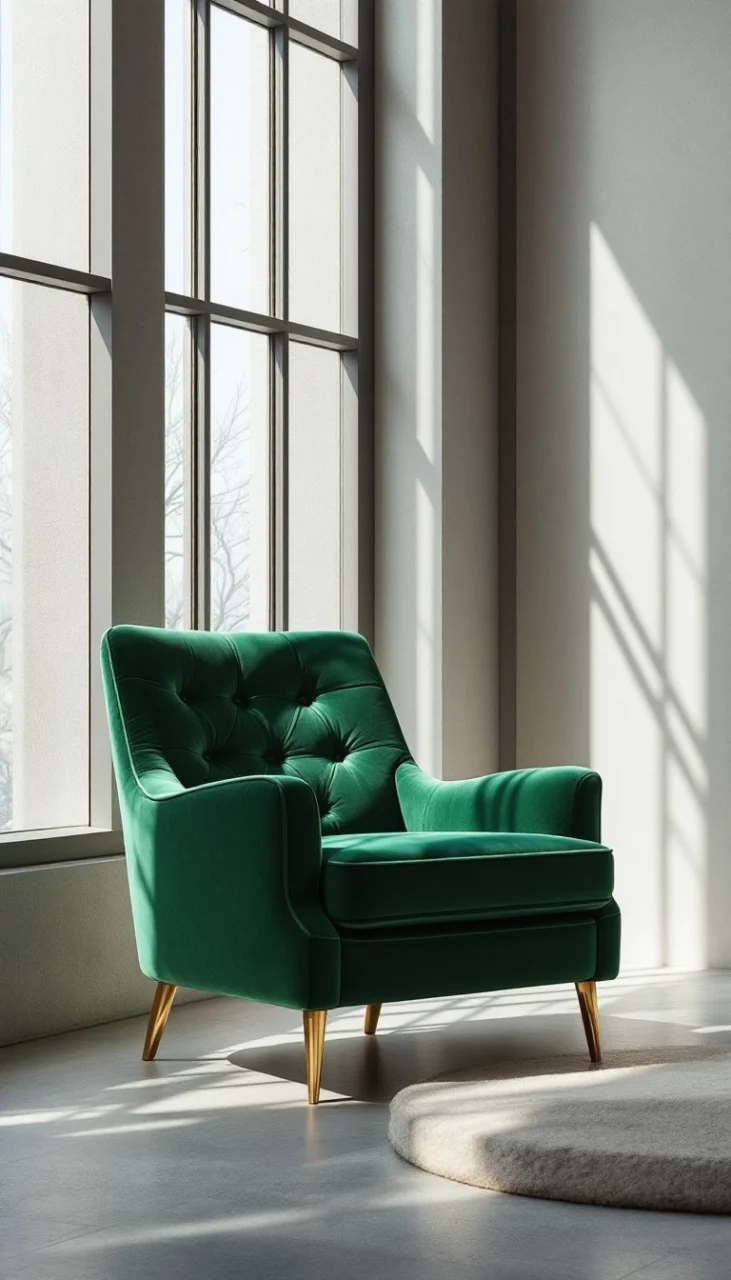
Emerald green on a set of chairs makes a dining room feel rich and inviting. The dark hue draws the eye without feeling heavy.
Pair the chairs with a light wood table to balance the depth. The green also works well with brass hardware for a classic touch.
Use a high‑gloss enamel paint for a smooth, durable finish. Sand between coats and protect the legs with a clear sealant.
Dark colors can show scratches more clearly, so handle the chairs gently and consider a protective pad on the seat.
5. Two‑Tone Geometric Paint on a Bookshelf
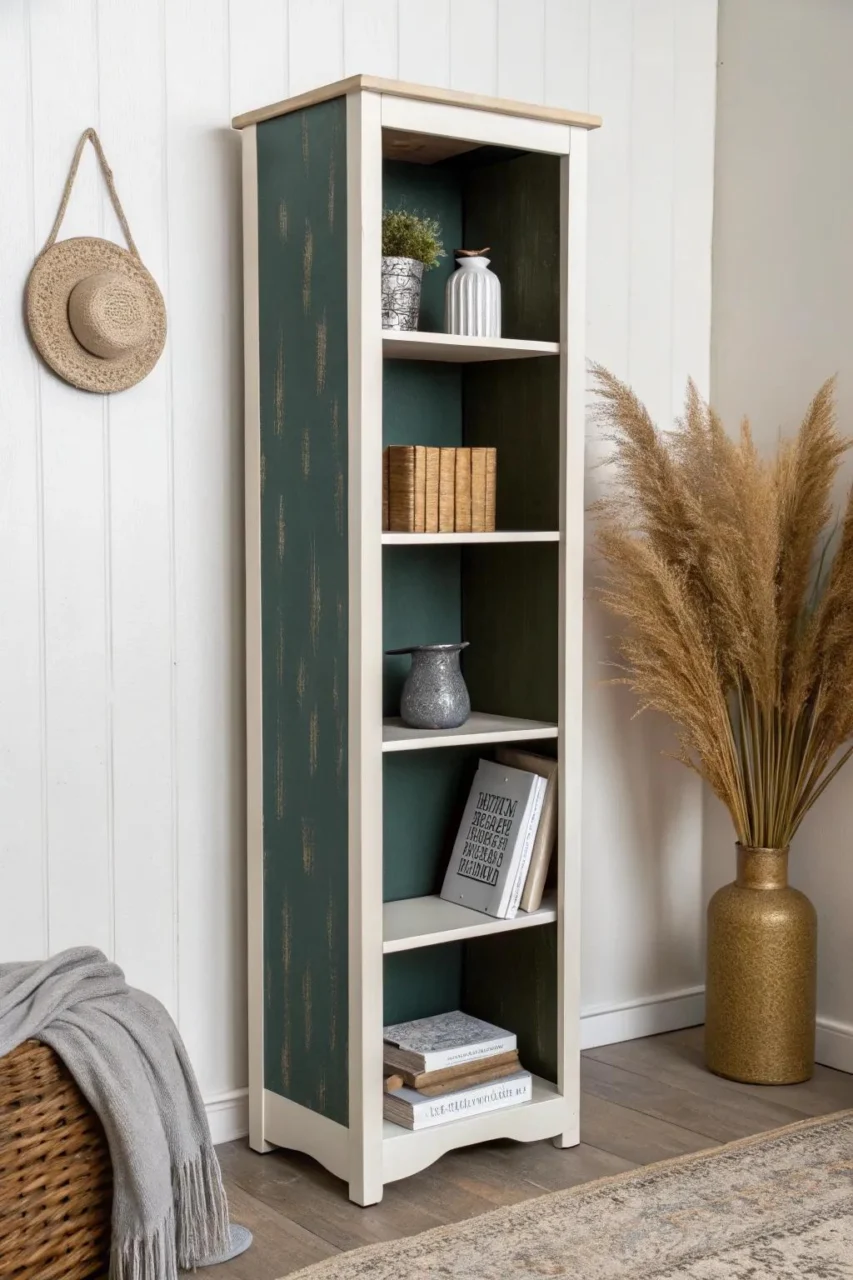
Painting alternating shelves in two contrasting colors creates a simple geometric pattern. It adds visual interest without extra décor.
The look works in home offices or living rooms where the shelf holds both books and accessories. Light gray on one shelf and soft terracotta on the next keeps the design balanced.
Mark the shelf edges with painter’s tape, then apply a satin finish paint. Remove the tape while the paint is still slightly tacky for clean lines.
The trade‑off is that the tape can leave thin lines if not removed carefully, so take your time.
6. Metallic Bronze Accents on Coffee Table Edges
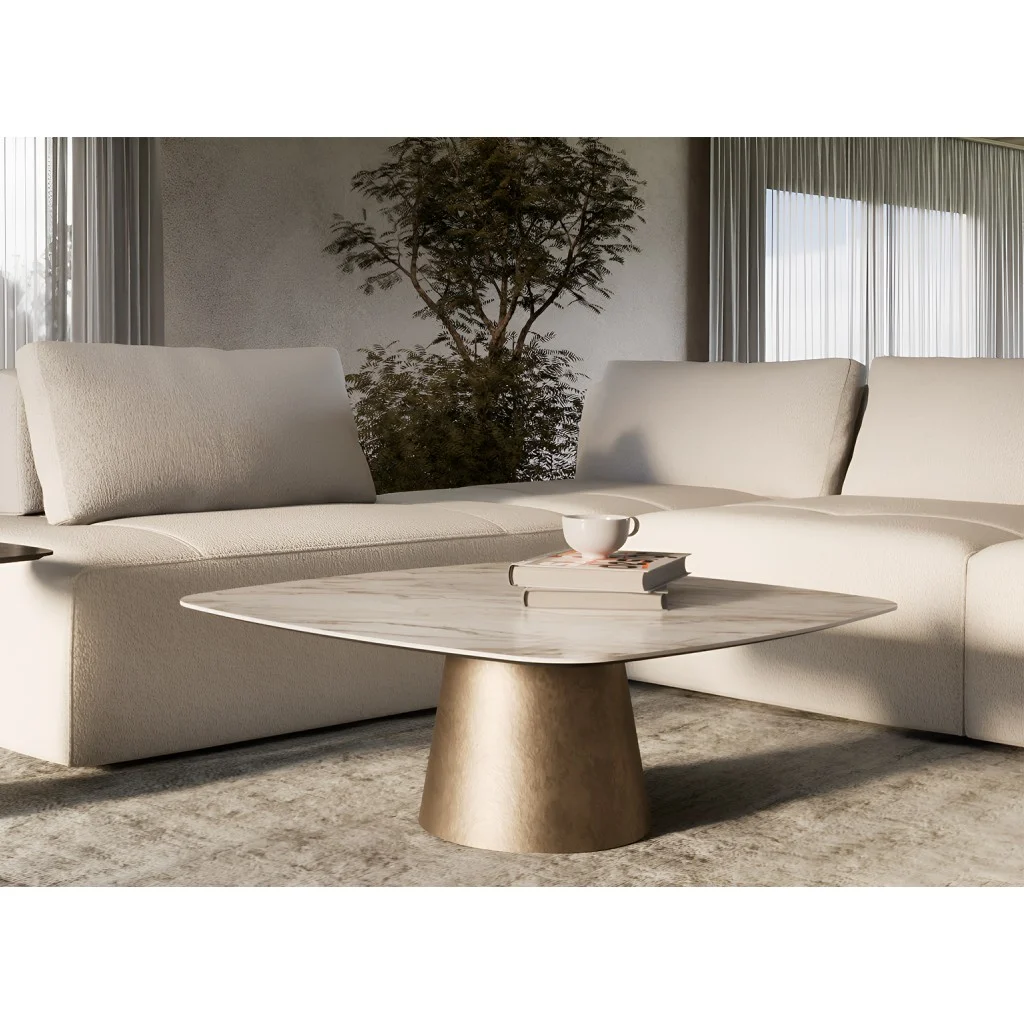
A thin metallic bronze stripe along the edge of a coffee table adds a subtle sparkle. It catches light without being flashy.
This accent works best on a dark or wood‑tone table, where the metal stands out. It can tie in with other bronze fixtures in the room.
Use a small brush to apply a bronze paint or metallic spray just to the lip. Seal with a clear matte topcoat to avoid fingerprints.
Metallic paint can be slippery, so avoid placing hot dishes directly on the painted edge.
7. Chalky Soft Gray on Bathroom Vanities
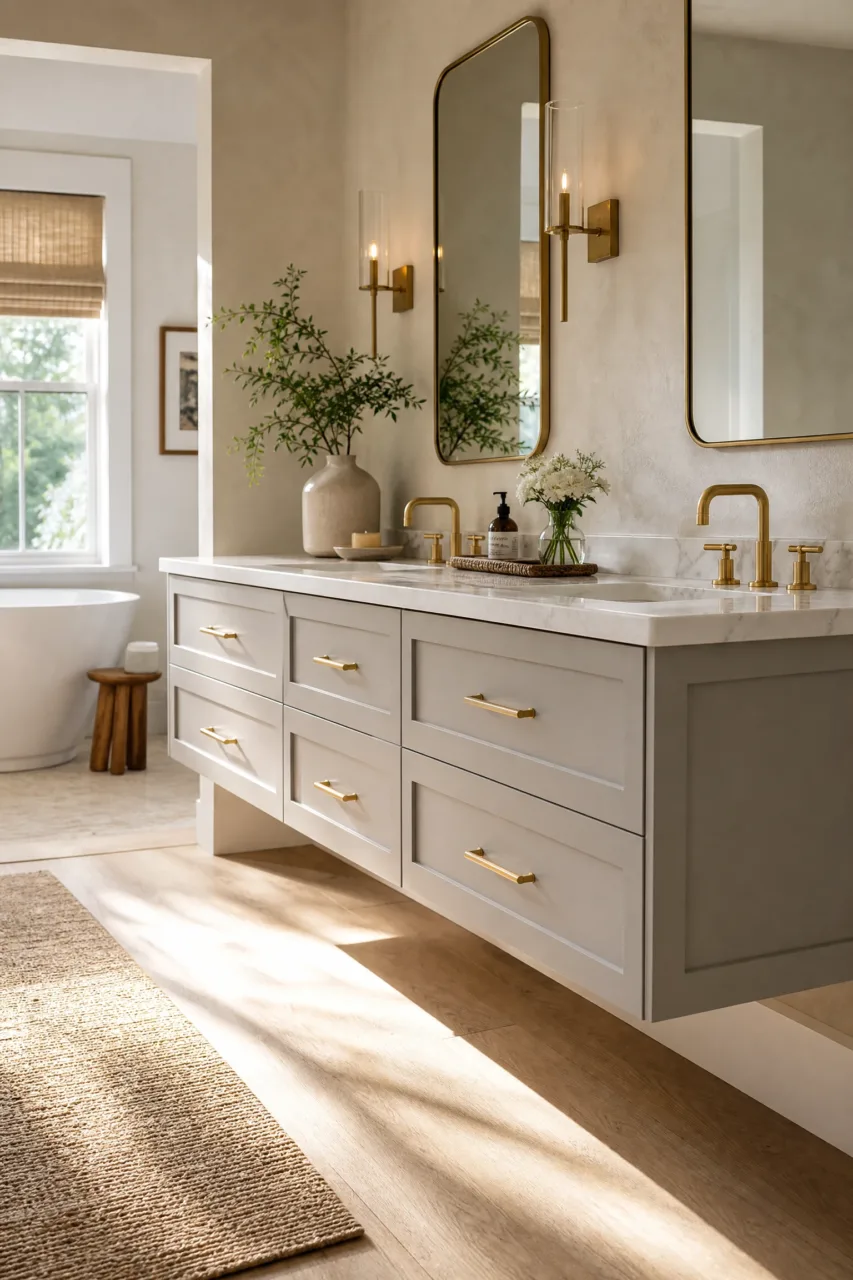
A soft gray chalky finish on a vanity feels clean and modern. It pairs nicely with white tiles and clear glass.
The muted tone makes the bathroom feel larger, especially in small spaces. It also hides water spots better than bright white.
Apply a primer for high‑moisture areas, then use a low‑sheen gray paint designed for bathrooms. Finish with a water‑resistant seal.
Because the paint is matte, it may need a gentle touch‑up if the surface gets scuffed.
FAQ
Can I paint over laminate furniture?
Yes, you can, but you need to sand the surface and use a bonding primer first. This helps the paint stick to the smooth laminate.
How long should I wait between paint coats?
Usually 2 to 4 hours is enough for latex paint to dry enough for another coat. Follow the label on your paint for the best results.
Do I need a special paint for furniture?
Furniture paint is designed to be more durable than wall paint. If you use a good quality interior latex with a clear seal, it works well for most pieces.
What is the easiest way to protect a painted surface?
Apply a clear polyurethane or wax after the paint is fully dry. This adds a thin protective layer that resists scratches and spills.