Upcycled Furniture Ideas That Give Old Pieces a New Purpose
Many of us love a fresh look but hate the cost of new furniture. You can keep a small budget and still make a room feel new. This article shows seven ways to turn old items into useful pieces.
Each idea includes a clear picture of the finished look, a step‑by‑step guide, and a real tip about what might not work. You’ll see both a cheap route and a slightly pricier option, so you can pick what fits your wallet.
A More Beautiful Home
Starts With a Smart Plan.
Discover digital decorating guides, home organization planners and practical resources to help you make the most of your space.
Get more inspiration for less.
Livana Studio
Before you start, measure the space you plan to fill and write down the dimensions. A quick sketch helps you see if the new piece will fit. With a little planning, the projects go smoother and you avoid surprises.
1. Turn a Coffee Table into a Storage Ottoman
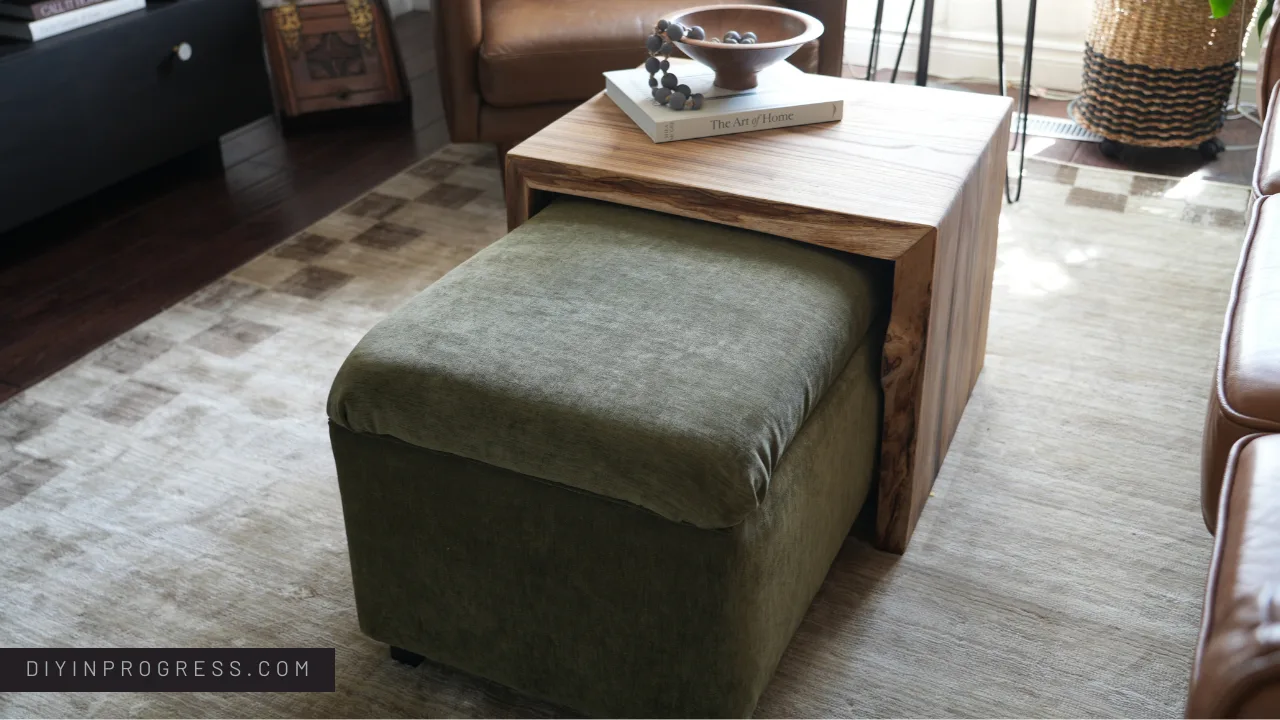
The result looks like a low, plush seat with a hidden box inside. Soft linen in a warm greige covers the top, while the base stays the same dark wood. It adds a place to sit and a spot to stash blankets.
First, sand the table smooth and paint it a neutral shade if needed. Then add a cushion cut to the tabletop size, using foam and fabric you can find at a craft store. For a tighter fit, you can buy a ready‑made cushion cover and slip it on. If you want a firmer look, add a thin plywood layer under the cushion before covering it.
The main trade‑off is that the cushion can collect crumbs or pet hair, so you’ll need to vacuum it often. A hard‑top coffee table stays easy to clean, but you lose the hidden storage.
2. Refinish a Wooden Bookshelf into a Ladder Shelf
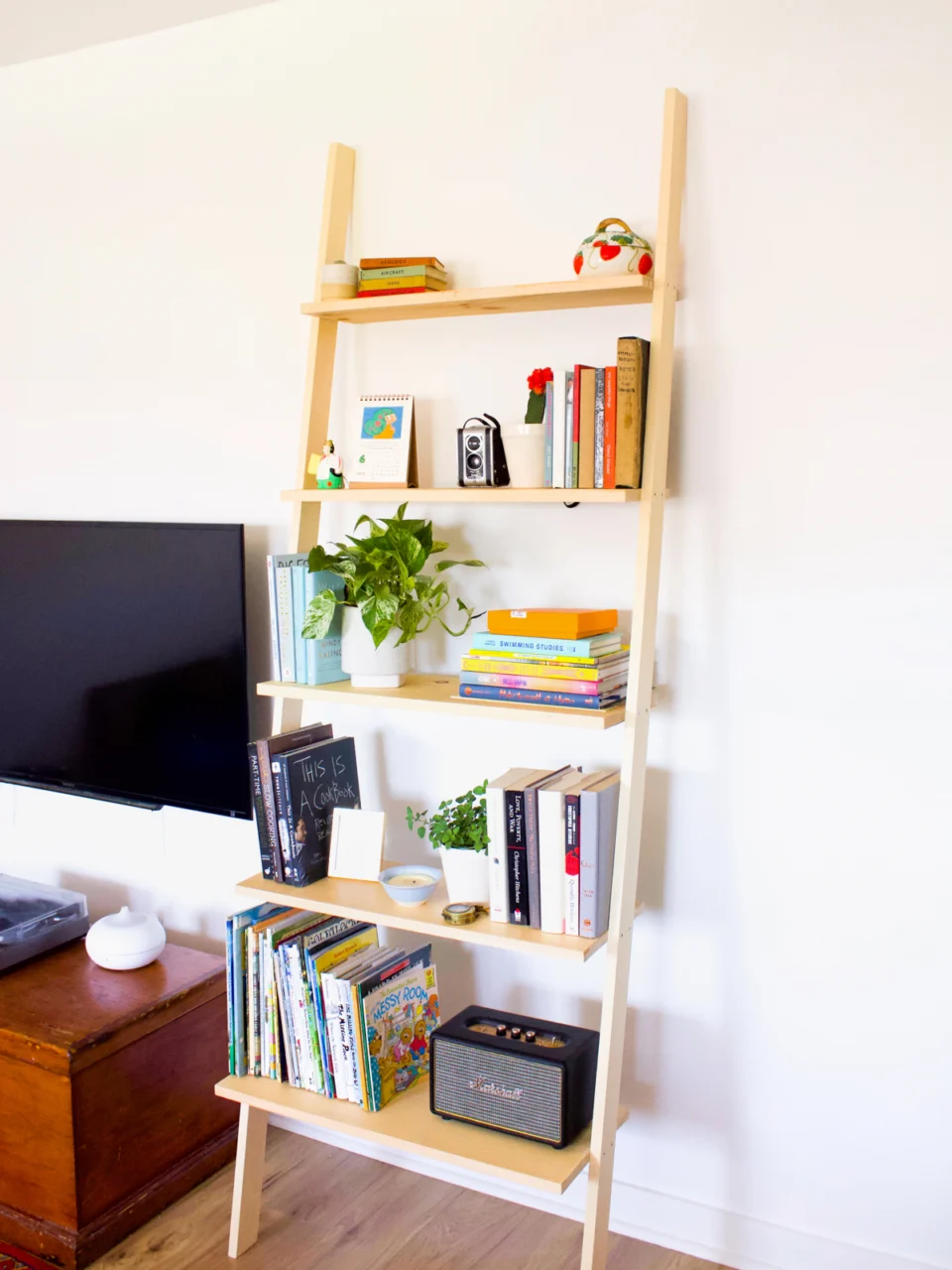
Imagine a tall, lean shelf that leans against the wall like a ladder. The slats are spaced wide enough to hold plants, picture frames, and small baskets. The look is airy and works well in a living room or hallway.
Start by removing any old paint with a gentle scraper. Sand the wood, then apply a coat of oil‑based stain for a rich oak tone, or use a chalk paint for a matte finish. Attach two long side boards with brackets, then add short shelves at varying heights. If you have a budget, use simple metal brackets; if you want a polished look, choose decorative wooden brackets.
Because the shelf leans, it can wobble on uneven floors. Adding a small rubber pad under each foot helps, but the piece may not be ideal for very busy homes with kids running by.
3. Paint a Vintage Dresser and Add New Knobs
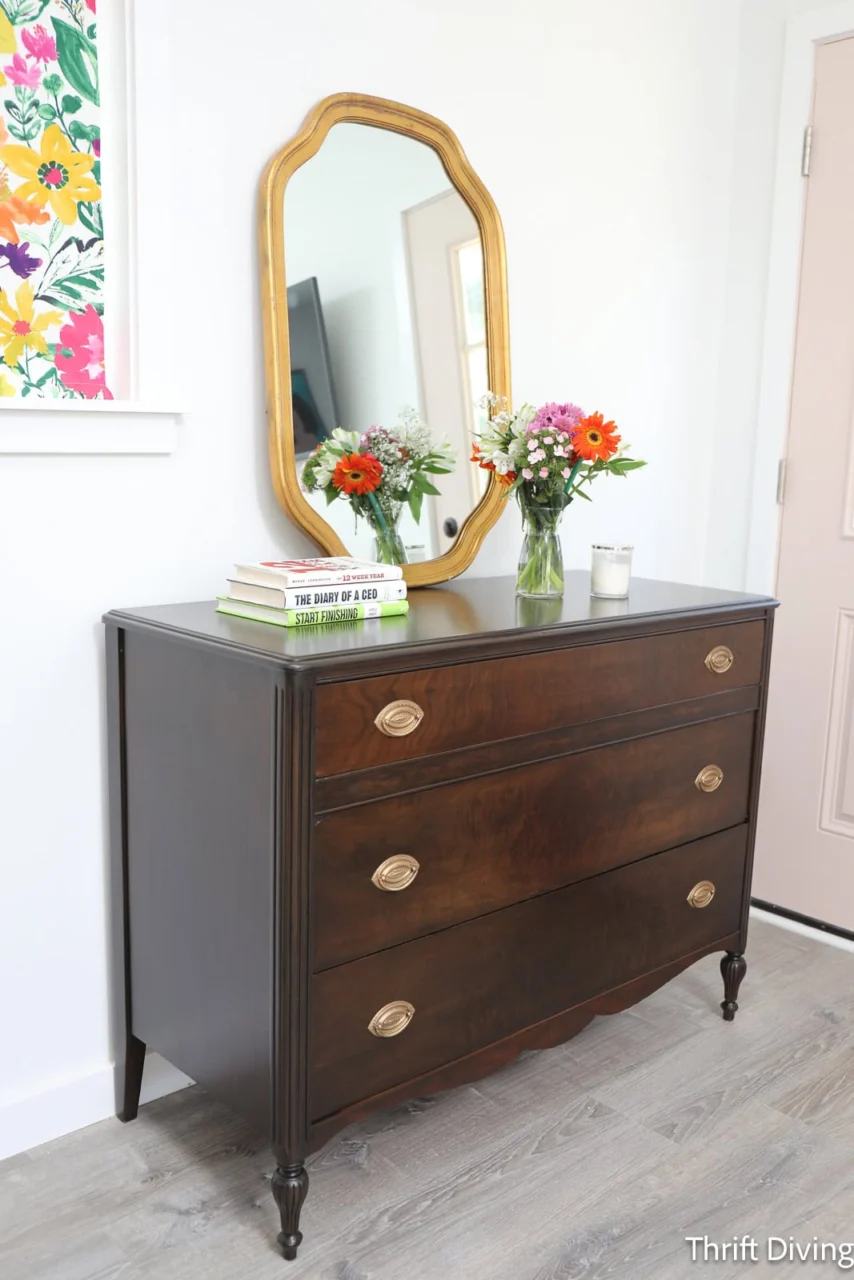
The finished piece looks bright and fresh, with a smooth coat of pastel paint and sleek metal knobs. The dresser keeps its classic shape but feels modern, perfect for a bedroom or entryway.
Begin by cleaning the surface and wiping away dust. Use a primer if the wood is dark, then paint with a low‑odor acrylic in a soft teal or muted pink. Once dry, replace the old knobs with brushed brass or matte black handles. For a cheap option, repurpose old drawer pulls you find at a thrift store; for a higher finish, buy new hardware from a hardware shop.
Paint can chip if the dresser gets heavy use, especially on the drawer fronts. Adding a clear sealant helps, but it adds an extra step and cost.
4. Convert a Wooden Pallet into a Wall‑Mounted Nightstand
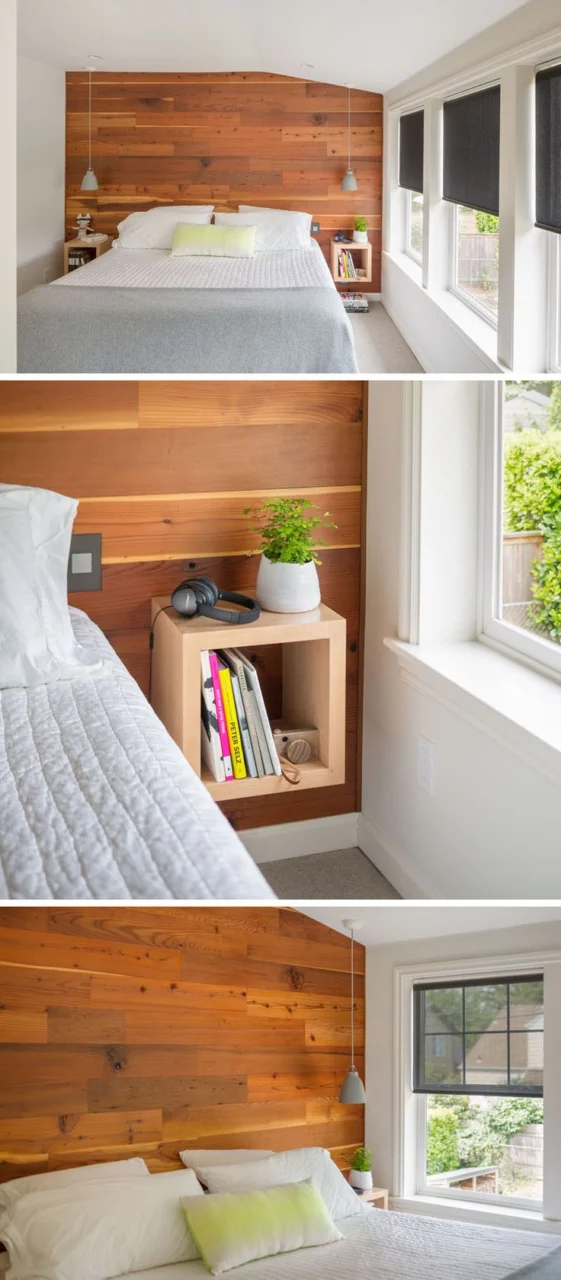
The nightstand hangs on the wall, showing the natural grain of reclaimed pallet wood. One side holds a small drawer, and the other side has an open shelf for a lamp and books.
Disassemble the pallet and sand each board. Build a simple frame using two short side pieces and a bottom shelf, then attach a small drawer made from a leftover crate. Mount the unit with sturdy brackets. If you want a smoother look, paint it white; if you love the raw look, leave it natural and add a coat of clear wax.
The main downside is that the nightstand can’t hold very heavy items. Keep it to a lamp and a few books, and avoid placing a large plant on top.
5. Reupholster a Dining Chair with Bold Fabric
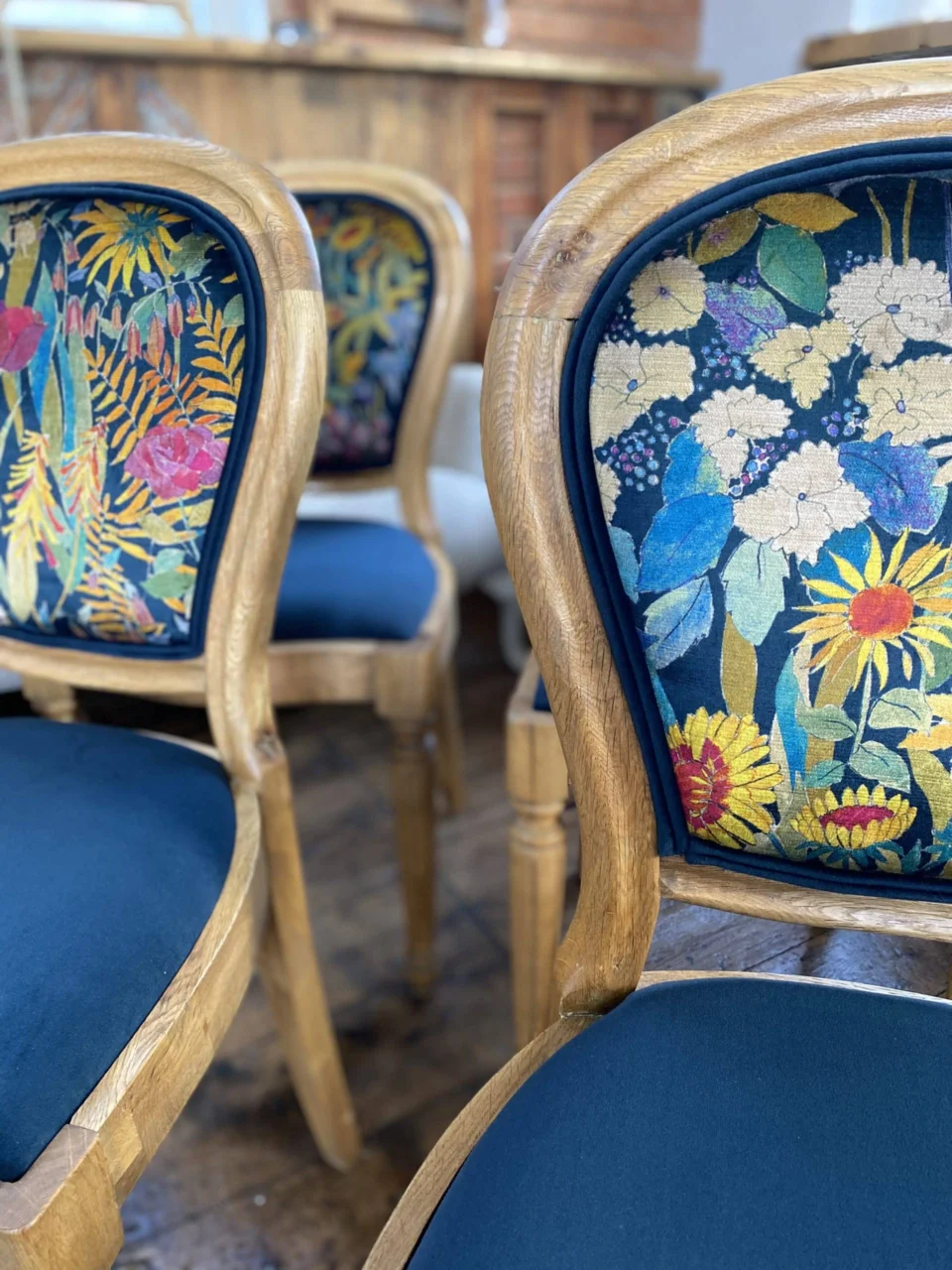
The chair now has a bright, patterned seat that stands out against a simple table. The wooden legs stay the same, giving a mix of old and new that works in many rooms.
Remove the old cushion and pad, then cut new foam to match the seat size. Wrap the foam with batting for extra softness, and staple a fabric of your choice over the top. Use a staple gun to secure the fabric tightly. For a budget route, pick a fabric on sale; for a higher‑end look, choose a linen blend with a subtle texture.
Upholstered chairs can attract spills, so they need quick cleaning. If you have kids, consider a fabric that is easy to wipe, even if it means a less luxurious feel.
6. Use an Old Door as a Headboard
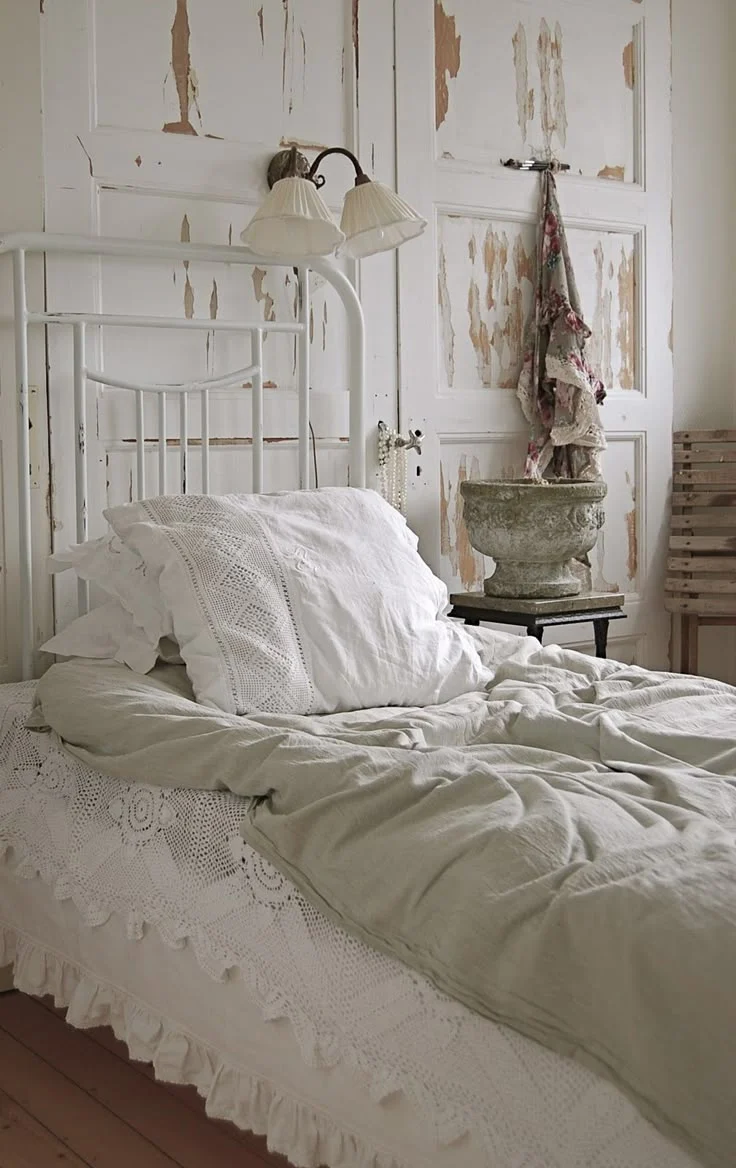
The headboard shows the full shape of the door, with its natural grain or painted finish. It adds a strong focal point behind the bed and can hold small shelves for books or a lamp.
Sand the door and paint or stain it to match the room’s palette. Attach it to the wall with long screws, making sure to find the studs. Add a few floating shelves on the lower half if you want extra storage. For a cheap look, keep the paint simple; for a richer feel, add a decorative molding around the edges.
The door is heavy, so you need solid wall anchors. In a rental, this may be a concern because you could damage the wall when you move out.
7. Transform a Metal Filing Cabinet into a Bathroom Vanity
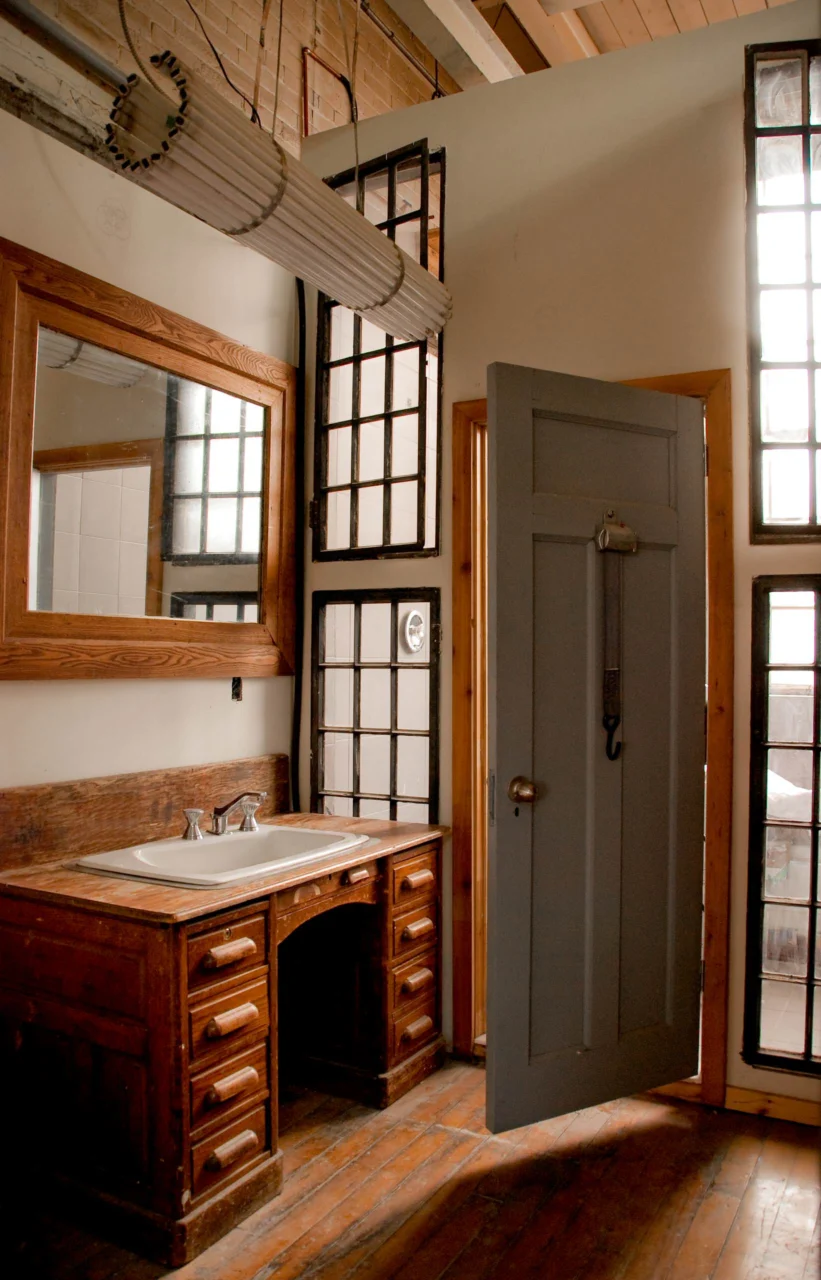
The vanity looks sleek with a clean metal surface and a wooden countertop that sits on top. It offers drawers for towels and a sink space for a small basin.
First, clean the cabinet and paint it with a rust‑proof enamel in a soft gray. Cut a piece of butcher block or a reclaimed wood slab to fit the top, then seal it with a water‑proof finish. Install a small sink and faucet, and run the plumbing according to local codes or call a plumber. If you want a lower cost, use a simple basin and a flexible hose; for a higher finish, choose a porcelain sink.
The metal can get cold in winter, making the vanity feel less inviting. Adding a rug or a towel warmer can help, but it adds another expense.
How can I protect upcycled wood from water damage?
Apply a clear sealant or polyurethane finish to the wood after sanding. This creates a barrier that repels water. Re‑apply the sealant every few years to keep protection strong.
Do I need special tools to reupholster a chair?
A staple gun, foam cutter, and scissors are the main tools you’ll need. You can also use a hand screwdriver for any hardware. If you lack a staple gun, a heavy‑duty glue works but may not hold as tightly.
Can I upcycle furniture I didn’t buy, like a piece from a friend?
Yes, you can treat any piece the same way as your own. Make sure the wood is solid and not rotted before you start. If the piece is very old, you might need extra sandpaper or a stronger primer.
What should I do if paint starts to chip after a few months?
Touch up the chipped area with a small brush and the same paint color. Light sanding before repainting helps the new paint stick. For high‑traffic pieces, consider a tougher enamel paint.
Is it worth spending money on new hardware like knobs or brackets?
New hardware can change the look of a piece dramatically and is often cheap. It also lets you match the style of the room. If you’re on a tight budget, you can paint old hardware instead of buying new.