Drought‑tolerant Garden Ideas for Low‑water Landscaping
Want a garden that stays green without a huge water bill? Try tolerant garden ideas that let you enjoy color and texture while using little water, choosing plants and features that thrive on low moisture.
Low‑water landscaping also means less work for you. By using smart design tricks, you can keep your yard looking fresh even in dry seasons. Let’s explore ideas that fit many budgets and styles.
1. Choose Native Succulents for a Textured Bed
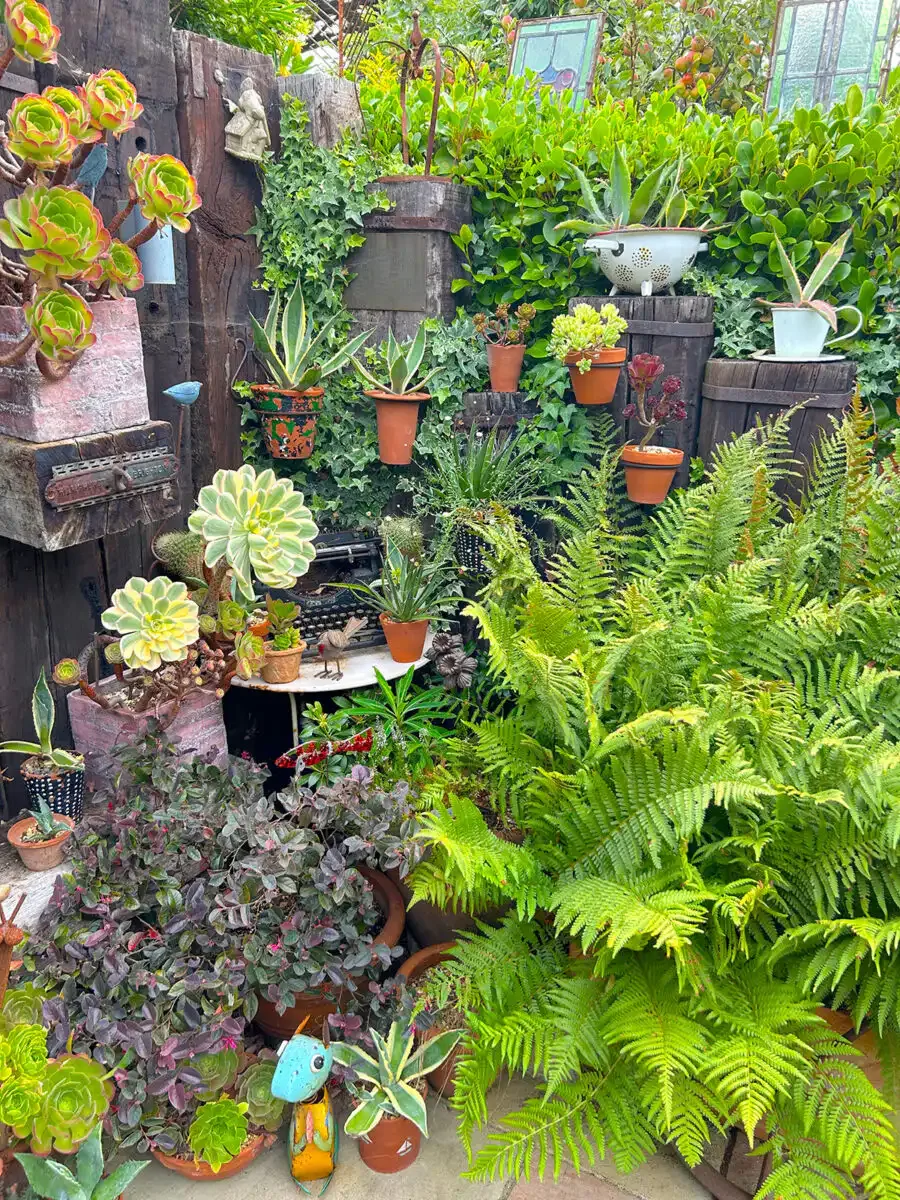
Succulents like agave, yucca, and desert marigold create a striking, low‑maintenance bed with thick leaves and bold shapes. Their natural colors range from soft greens to deep purples, giving you visual interest without needing frequent watering.
Start by testing the soil, then space the plants about a foot apart so each has room to spread. Add a thin layer of sand or crushed stone to improve drainage and keep roots dry. A tip: succulents love full sun, so place them where they get at least six hours of light, but remember they can scorch if the soil stays wet for long periods.
2. Add Drought‑Tolerant Grasses for Soft Movement
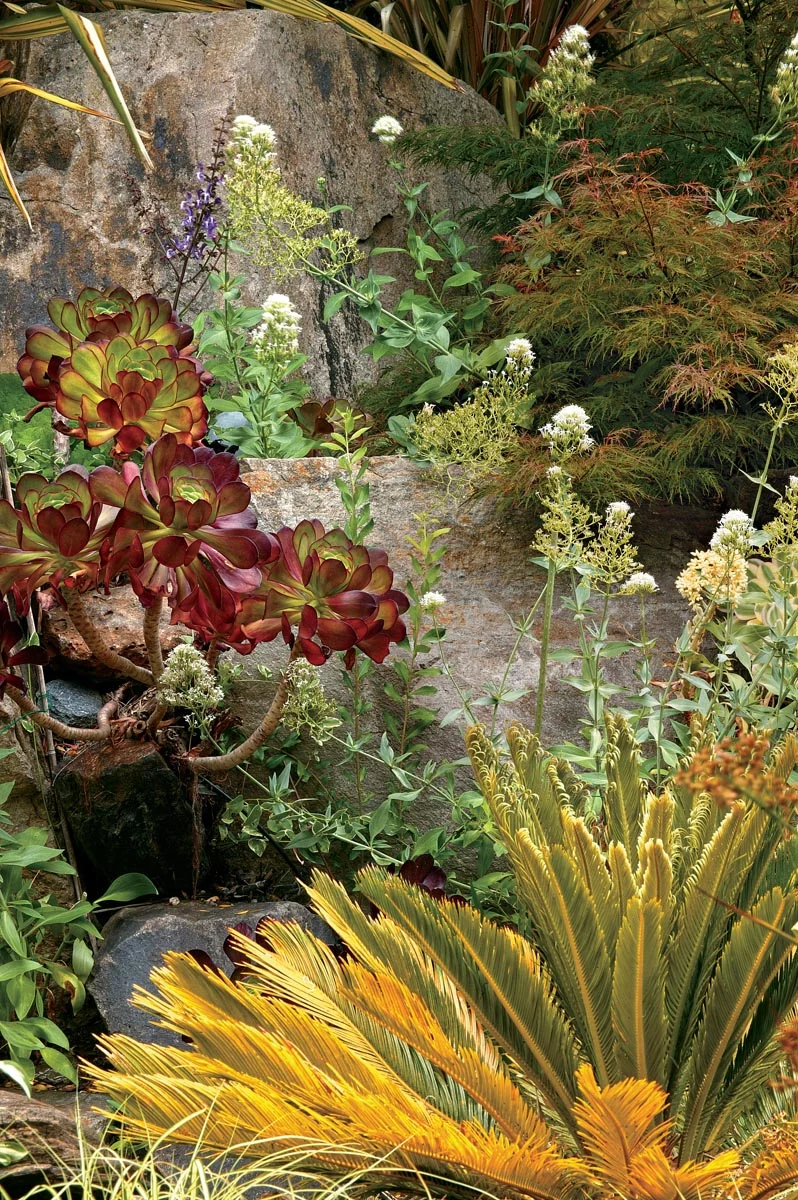
Grasses such as blue fescue, feather reed, and Mexican feather grass sway gently in the breeze, adding a sense of calm to any garden. Their fine foliage adds texture that changes with the light, making the space feel alive.
Plant them in groups of three or five for a natural look, and mulch the base with a few inches of bark to retain moisture. Water them deeply just once a month during the first growing season, then let rain do the rest. Keep in mind that some ornamental grasses can grow tall, so they may need occasional trimming to stay tidy.
3. Use Stone or Gravel Paths to Cut Water Use
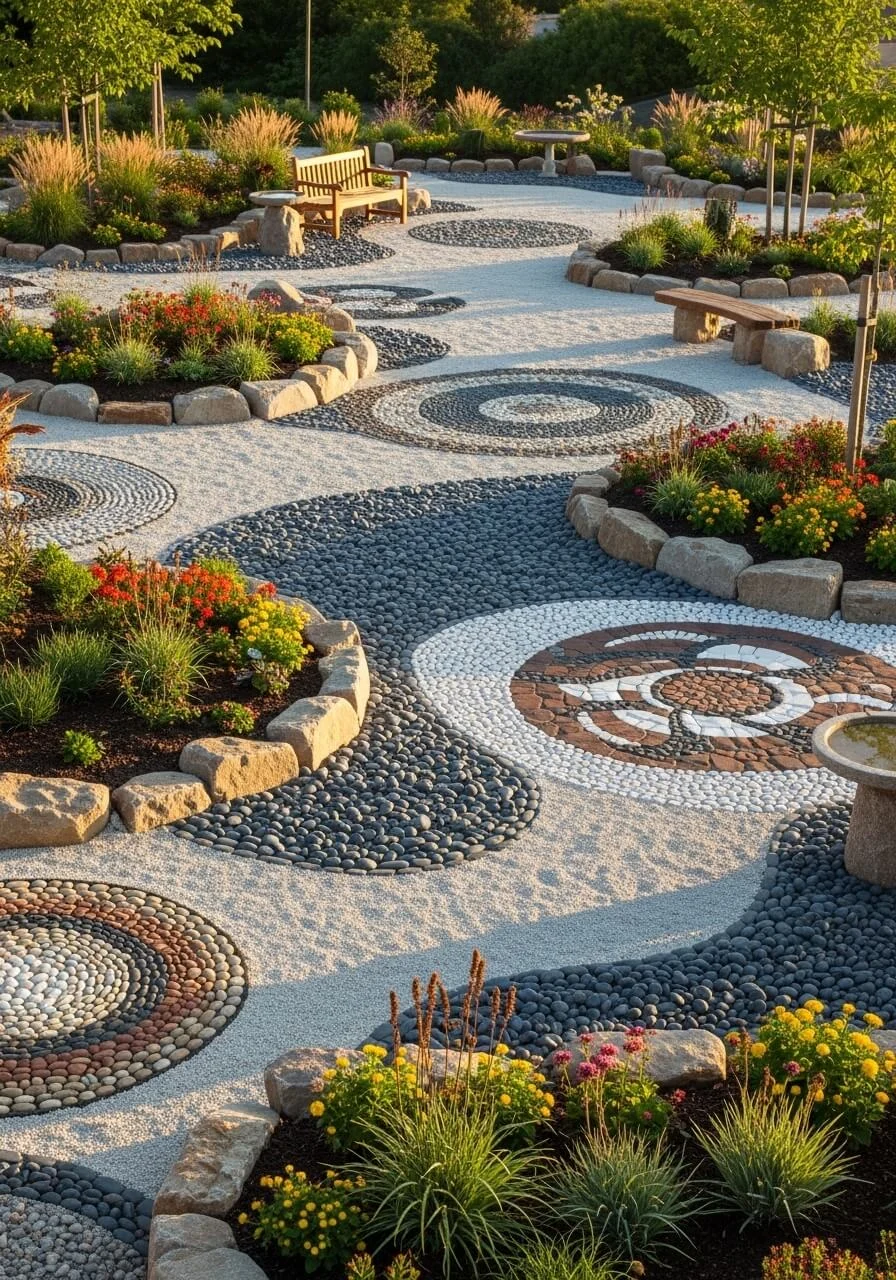
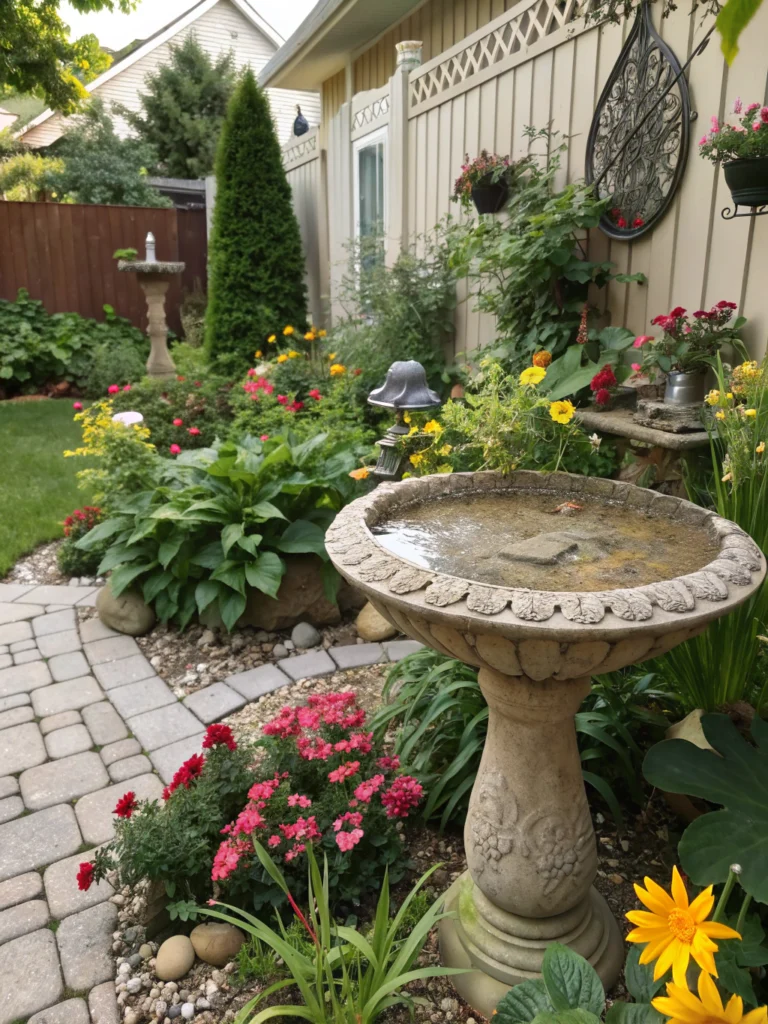
Stone stepping stones or a gravel walkway replace thirsty lawns and give your garden a clean, organized feel. The hard surface lets you walk comfortably while letting rain soak through the gaps.
Lay a weed‑blocking fabric first, then spread a layer of pea gravel or small river stones, and set a few flat stones for stepping areas. Choose colors that match nearby walls or planters for a cohesive look. One drawback: gravel can get hot in full sun, so you might add a few shade plants nearby to keep the area comfortable.
4. Install a Mulched Border to Keep Soil Cool
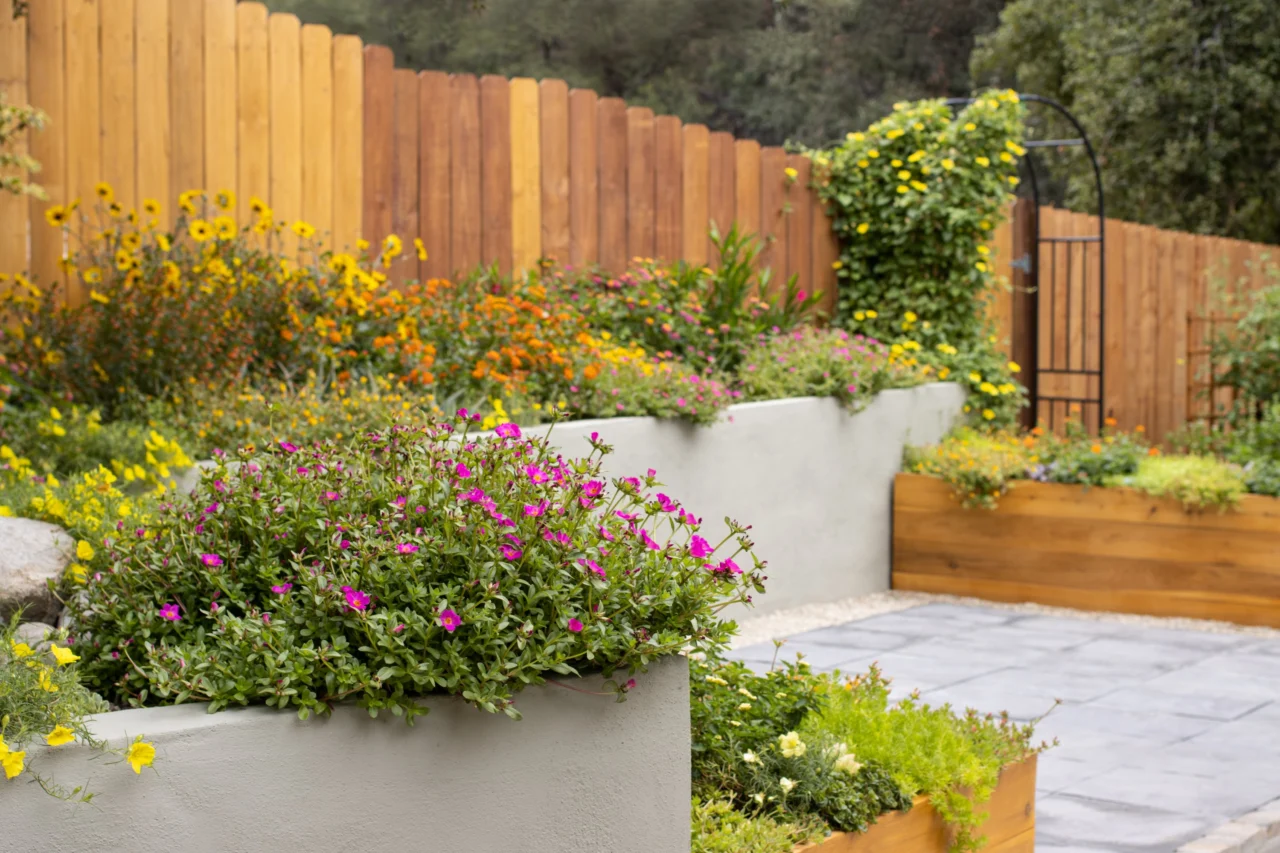
A thick mulch ring around beds reduces evaporation and stops weeds from stealing precious water. Dark wood chips or pine bark give the garden a neat, finished edge while slowly breaking down into soil.
Spread mulch to a depth of three inches, then water it well so it settles into the soil. Replenish the layer once a year in the fall to maintain its protective qualities. The trade‑off is that mulch can attract insects, so you may need to shake it out occasionally.
5. Hang Rain‑Collecting Planters for Re‑use
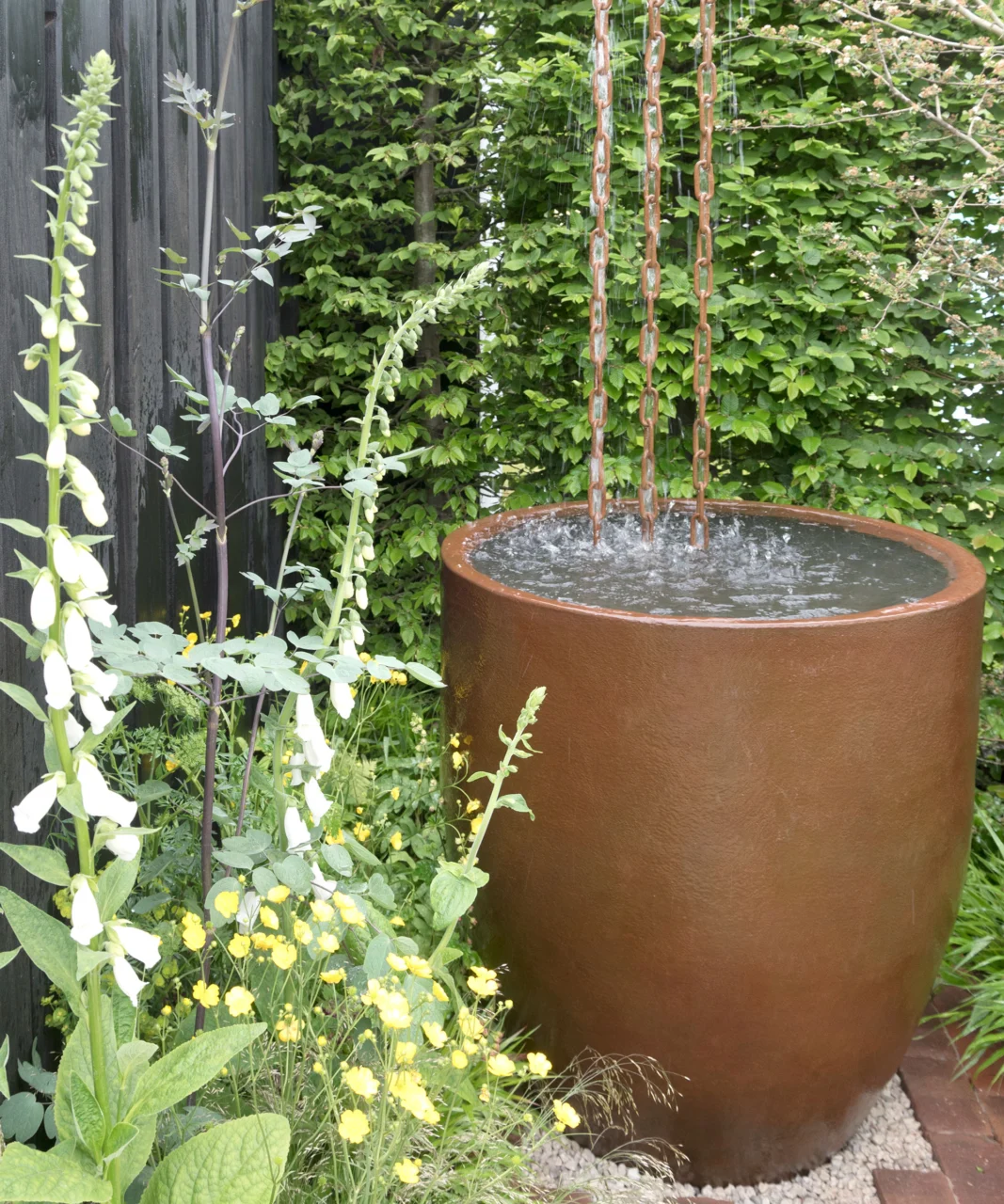
Hanging planters made from reclaimed barrels or sturdy fabric bags collect rainwater from gutters, providing a ready source for thirsty plants. Their vertical placement also adds visual interest and frees up ground space.
Secure the planter with a sturdy hook, add a drip line that feeds directly into the soil, and fill the container with a light soil mix that drains well. Empty any excess water before winter to avoid freezing damage. Remember that these planters can dry out quickly in hot weather, so you may need to refill them during long dry spells.
6. Pick Low‑Water Groundcovers for Shade Areas
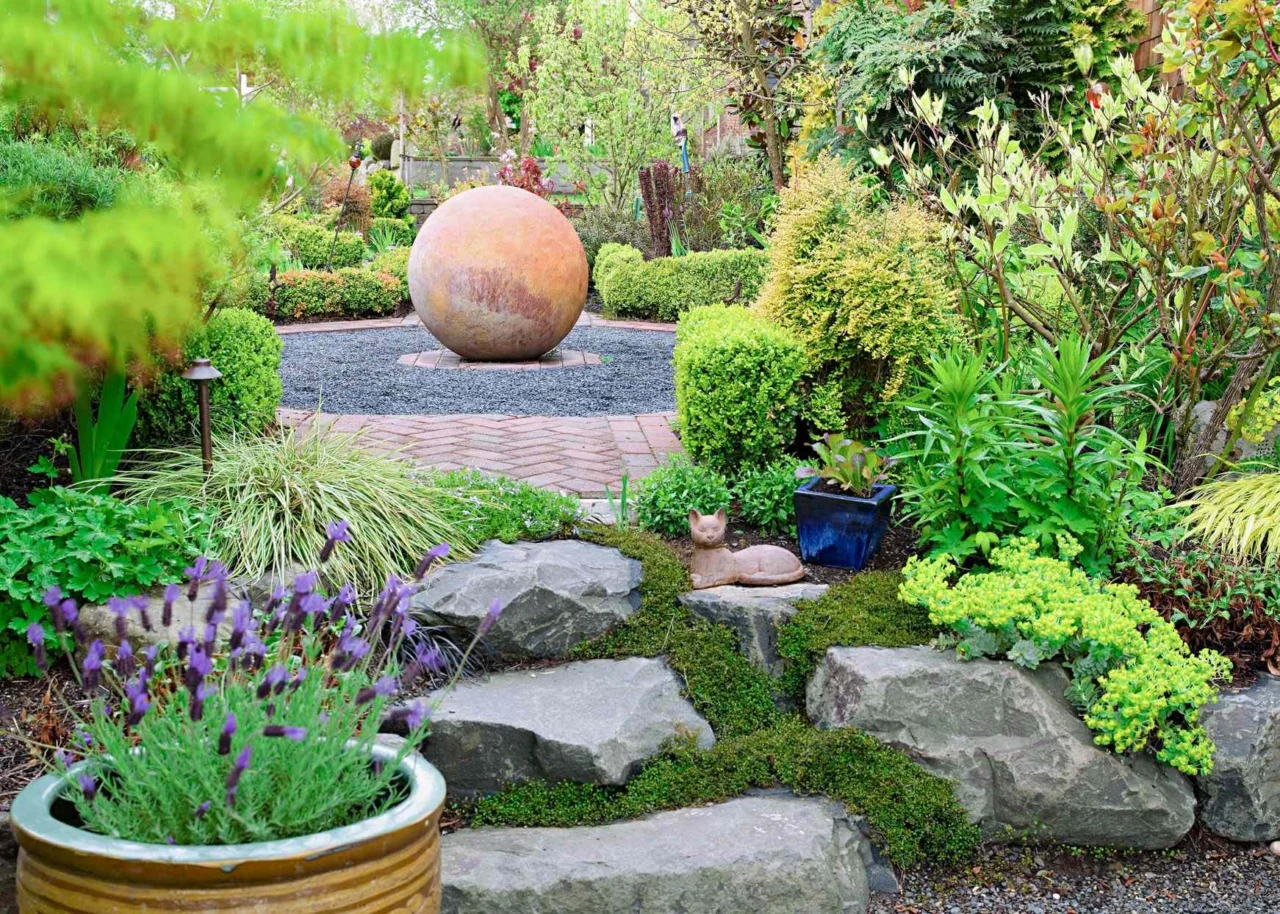
Groundcovers like creeping thyme, sedum, and dwarf mondo grass spread quickly and stay green where grass would need a lot of water. Their low profile creates a carpet‑like effect that softens hardscape edges.
Plant them in the shade of larger shrubs or a pergola, and water lightly until they root, then let rain take over. These plants also release a light scent when stepped on, adding a pleasant sensory layer. A possible downside is that some groundcovers can become invasive, so keep an eye on their spread and trim back if needed.
7. Create a Shade Structure with Recycled Materials
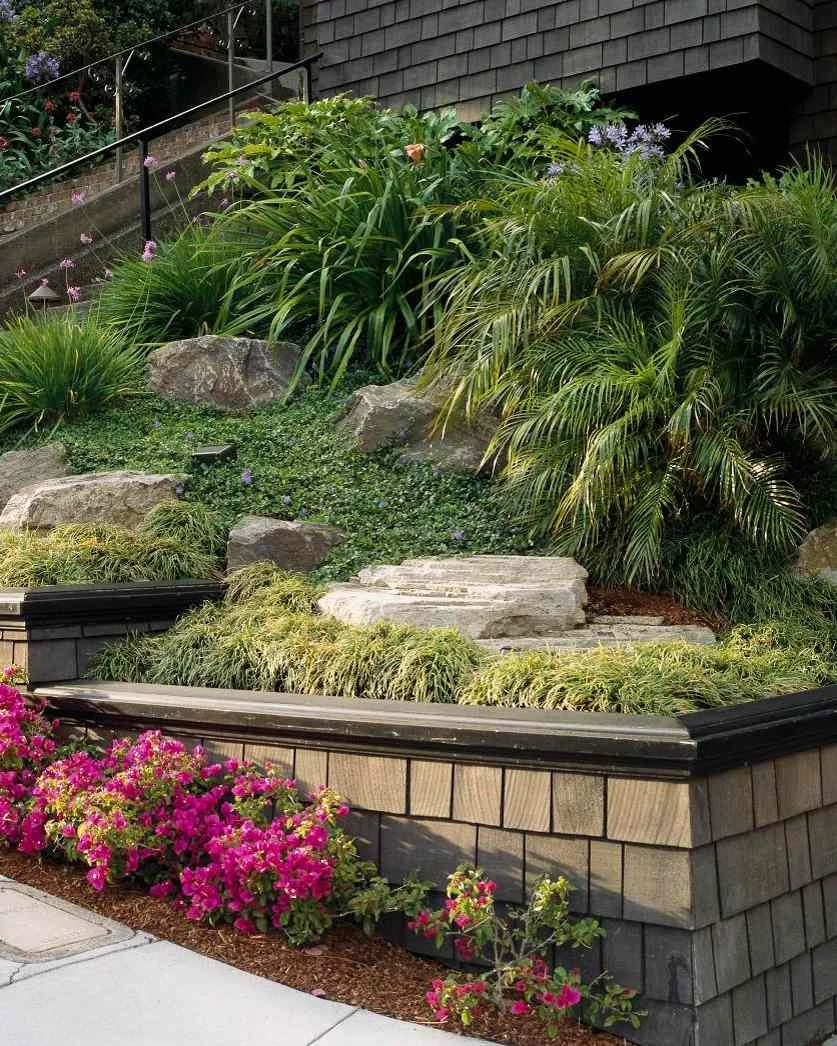
Using reclaimed wood, old pallets, or metal frames to build a simple shade sail or pergola reduces heat and water loss across the garden. The structure also gives you a place to hang lights or a small seating area.
Measure the area, assemble the frame with sturdy brackets, and stretch a breathable fabric or shade cloth across it. Anchor the corners well to withstand wind, and add climbing vines for extra cooling as they grow. Keep in mind that building a shade structure takes some time and tools, so plan ahead if you’re not comfortable with DIY projects.
FAQ
Can I use regular garden soil for a drought‑tolerant garden?
You can, but mixing in sand or coarse compost improves drainage and helps plants use less water. Regular soil often holds too much moisture, which can lead to root rot in drought‑tolerant species.
How often should I water my new low‑water plants?
Water deeply once a week for the first month to help roots establish, then cut back to once a month or when rain is scarce. Over‑watering defeats the purpose of a drought‑tolerant garden.
Is mulch necessary if I have a gravel path?
Mulch isn’t needed on the path itself, but using it around planting beds keeps soil cool and reduces evaporation. It also helps keep the gravel from mixing with soil over time.
What if I live in a region with extremely hot summers?
Choose plants that thrive in heat, such as desert sage or red hot poker, and add extra shade with umbrellas or temporary fabric canopies. Keep an eye on soil moisture and water early in the morning if a heat wave lasts many days.
Do I need a professional to install a rain‑collecting planter?
Most rain‑collecting planters are simple to set up with a hook and a drip line, so you can do it yourself. If you’re attaching it to a roof gutter, follow the manufacturer’s instructions and check local codes for safety.