What to Put in a Dead Corner of a Small Bedroom
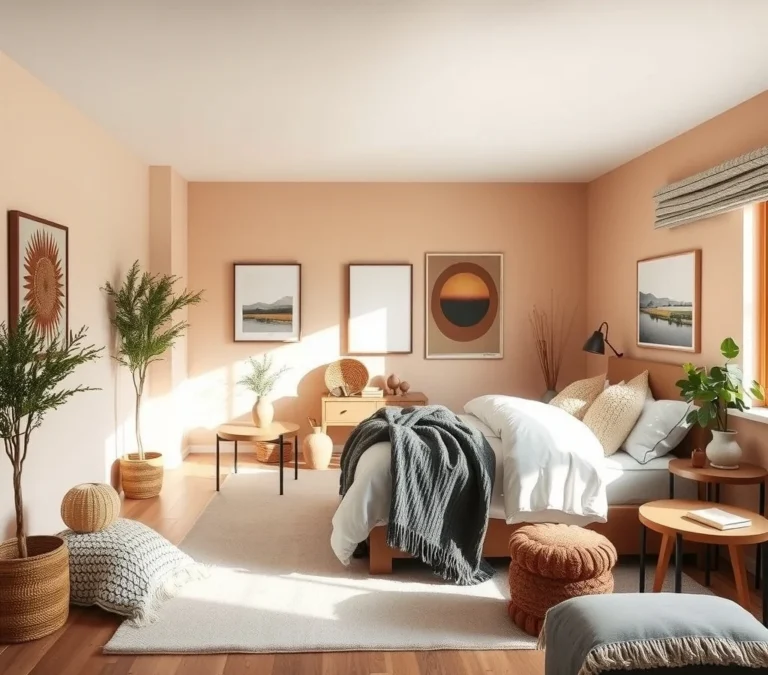
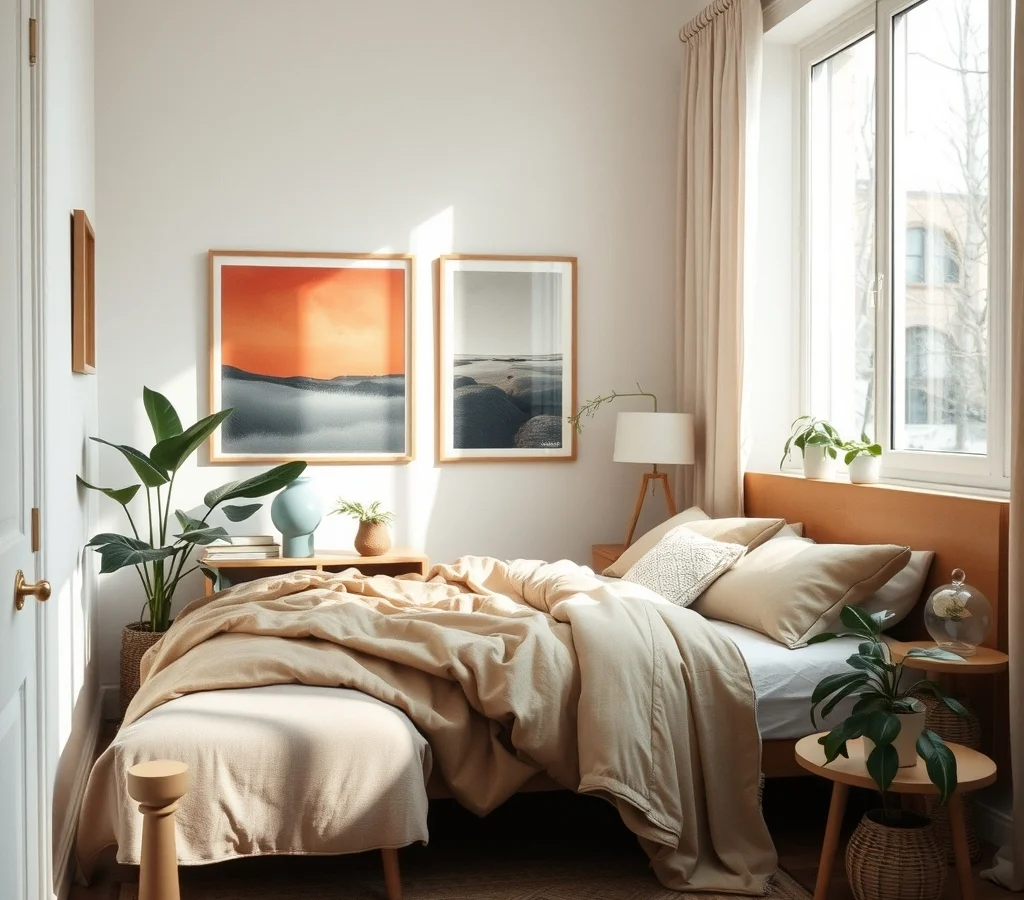
When a bedroom feels cramped, the corners that never see traffic often become forgotten spaces. Those empty angles can make the room look unfinished, but they also offer a subtle chance to add function or visual interest without sacrificing floor area. In the following sections you’ll find seven ideas that transform a dead corner into something that feels intentional—whether it’s a quiet place to read, a storage solution, or a decorative accent. Each suggestion includes practical details so you can decide what fits your style, budget, and daily routine.
1. Install a floating shelf and curate a small display
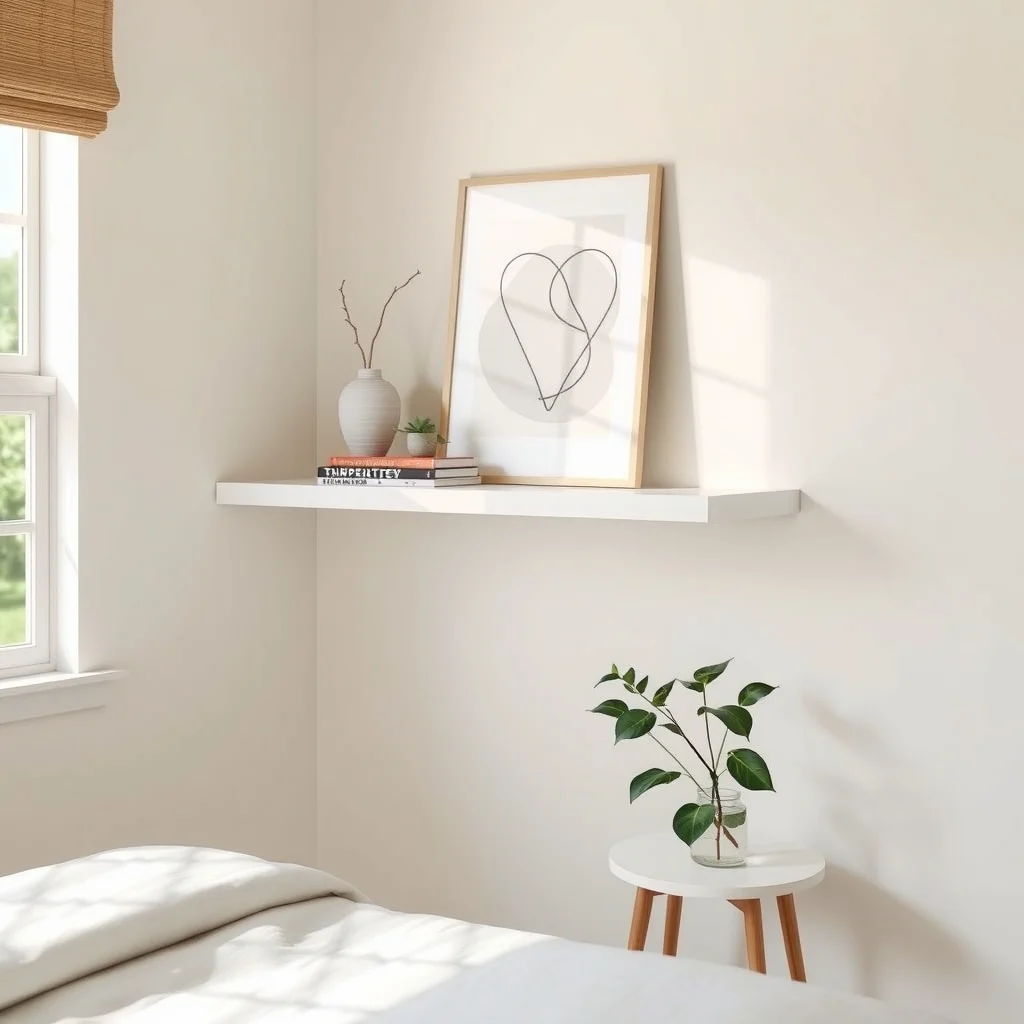
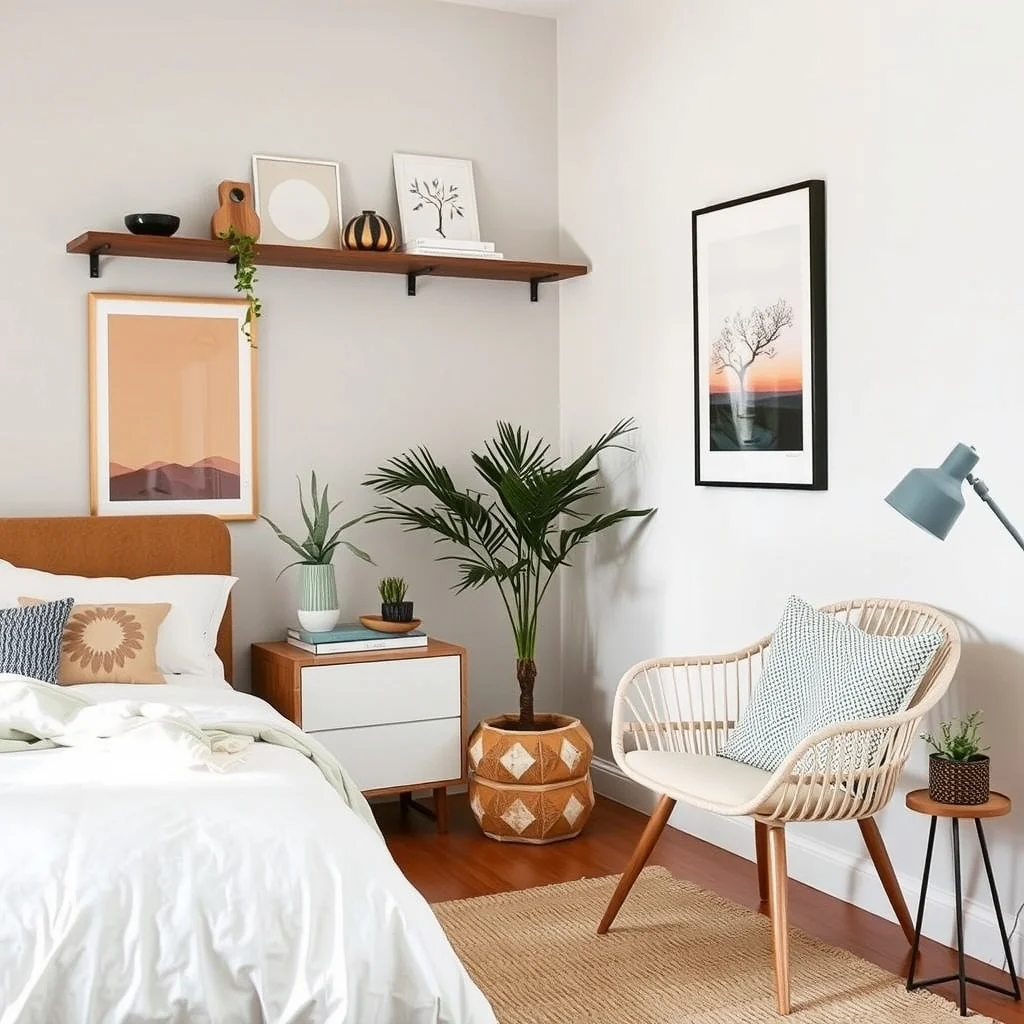
A floating shelf that hugs the wall at just the right height creates a lightweight platform for a few well‑chosen objects. Because the shelf is mounted without visible brackets, the visual weight stays low, preserving the airy feel of a small room. Choose a material that complements existing furniture—perhaps a reclaimed oak board for a warm, natural look or a sleek white lacquer for a more contemporary vibe. Once the shelf is in place, arrange a short stack of favorite books, a ceramic vase, and a small potted succulent. The key is to keep the collection intentional; too many items will clutter the space instead of enhancing it. By limiting the display to three or four pieces, you add personality without overwhelming the eye, and the shelf also provides a handy spot for a bedside charger or a set of keys.
A More Beautiful Home
Starts With a Smart Plan.
Discover digital decorating guides, home organization planners and practical resources to help you make the most of your space.
Get more inspiration for less.
Livana Studio
2. Create a compact reading nook with a single chair

Even a narrow corner can host a comfortable place to unwind if you choose a chair that fits the scale of the room. A slim, upholstered armchair in a muted hue—such as soft greige linen—offers a cozy spot without demanding much floor space. Pair the chair with a small, round side table made of brushed brass or matte black metal; the table can hold a steaming mug of tea, a reading lamp, or a notebook. Position the nook near a window if possible, allowing natural light to spill over the pages. Adding a lightweight throw in a subtle pattern introduces texture and invites you to curl up on cooler evenings. The arrangement turns an unused corner into a functional retreat while keeping the overall layout uncluttered.
3. Add a tall plant to bring life and height

A vertical element like a tall, narrow plant can fill an empty corner while drawing the eye upward, making the ceiling feel higher. Choose a species that thrives in low‑light conditions, such as a snake plant or a ZZ plant, and place it in a simple ceramic pot that echoes the room’s colour palette. The pot’s neutral tone—perhaps a matte terracotta or a soft ivory—keeps the focus on the foliage rather than the container. Because the plant occupies only a slim footprint, it does not impede movement around the bed. Over time, the greenery softens hard edges and improves air quality, providing both aesthetic and health benefits without requiring extensive maintenance.
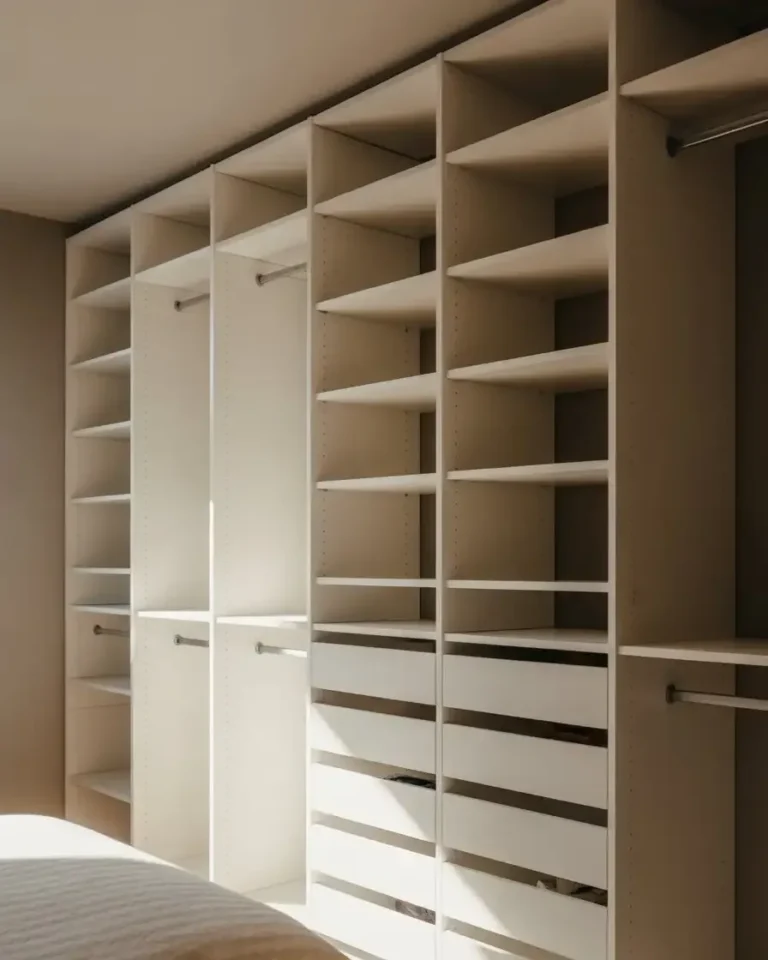
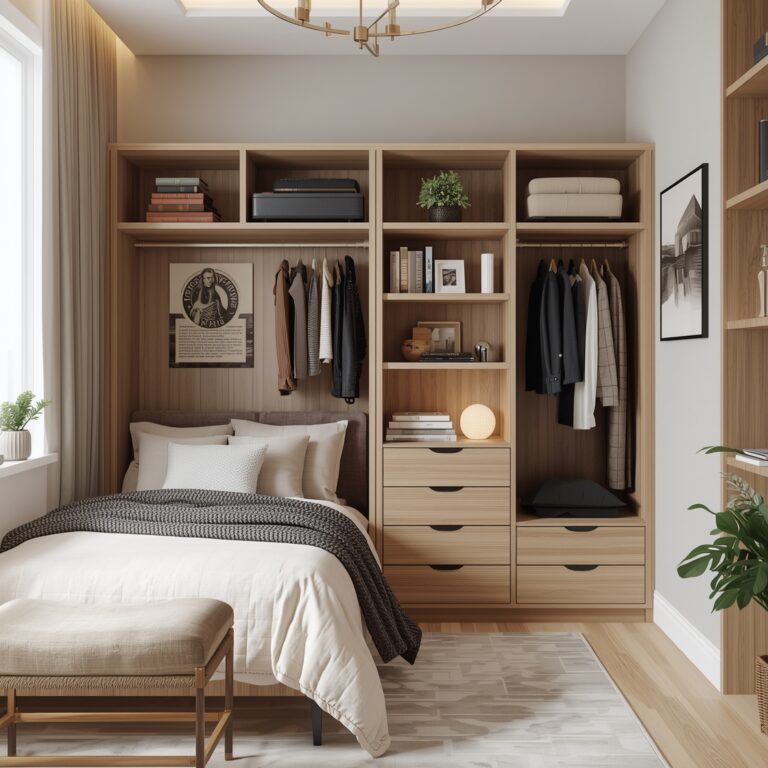
4. Build a narrow wardrobe extension for hidden storage

If the bedroom lacks closet space, a custom‑built wardrobe extension that slides into the corner can be a game‑changing solution. A tall, narrow cabinet—about 12 inches deep and extending from floor to ceiling—offers shelves for folded clothes, drawers for accessories, and a hanging rod for dresses or jackets. Opt for a finish that matches the existing bedroom woodwork, such as a warm walnut veneer, to maintain a cohesive look. Interior organizers like fabric dividers or pull‑out baskets keep items tidy and accessible. Although the unit occupies vertical space, it does not intrude on the walking path, and the concealed storage helps keep the room feeling uncluttered.
5. Hang an oversized decorative mirror to amplify space
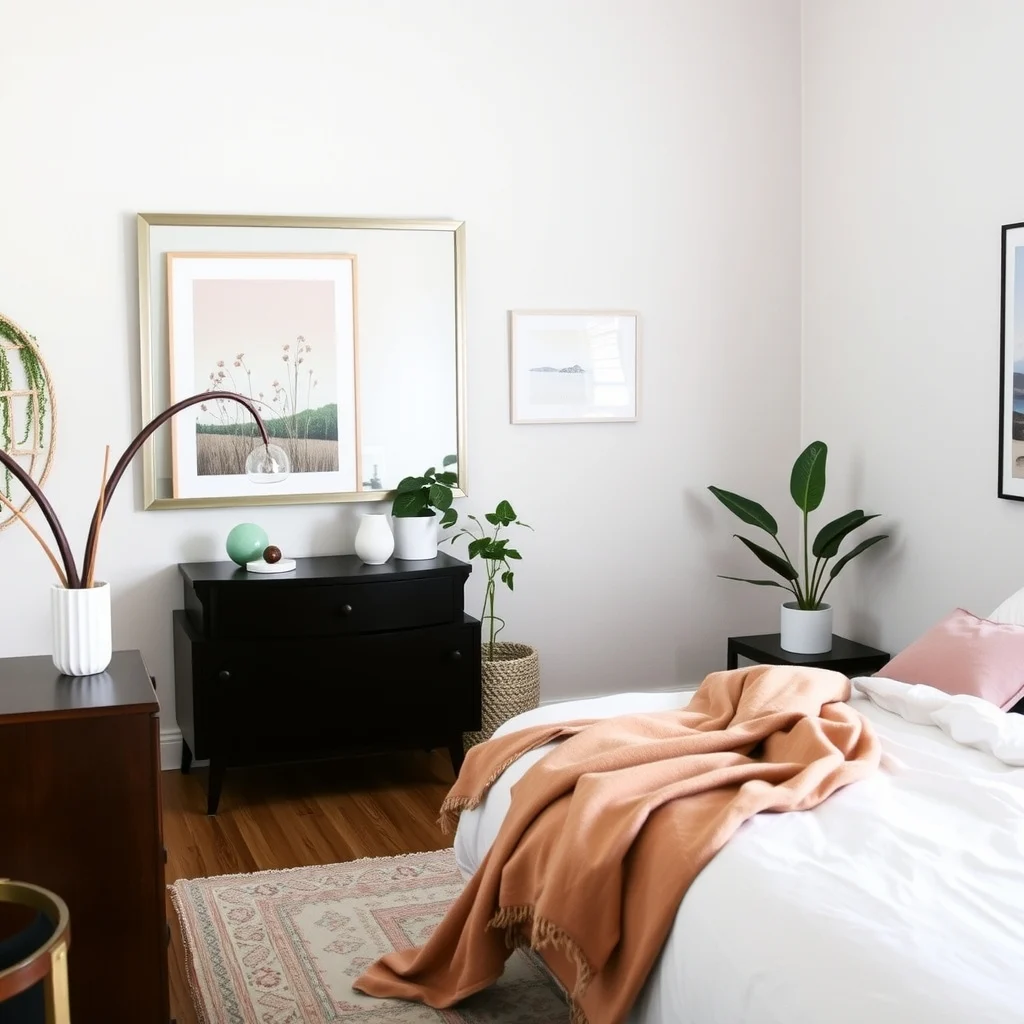
A large, framed mirror positioned in a dead corner can instantly make a small bedroom feel more expansive. Select a frame that reflects the room’s style—perhaps a thin brushed‑nickel border for a modern aesthetic or a reclaimed wood frame for a rustic touch. The mirror’s reflective surface captures both natural and artificial light, bouncing it around the room and softening any shadows. When choosing the size, ensure the mirror does not dominate the wall; a piece that reaches about two‑thirds of the wall height works well in most small bedrooms. Aside from the visual benefit, the mirror also serves a practical purpose for quick outfit checks.
6. Place a multi‑purpose storage ottoman for seating and concealment
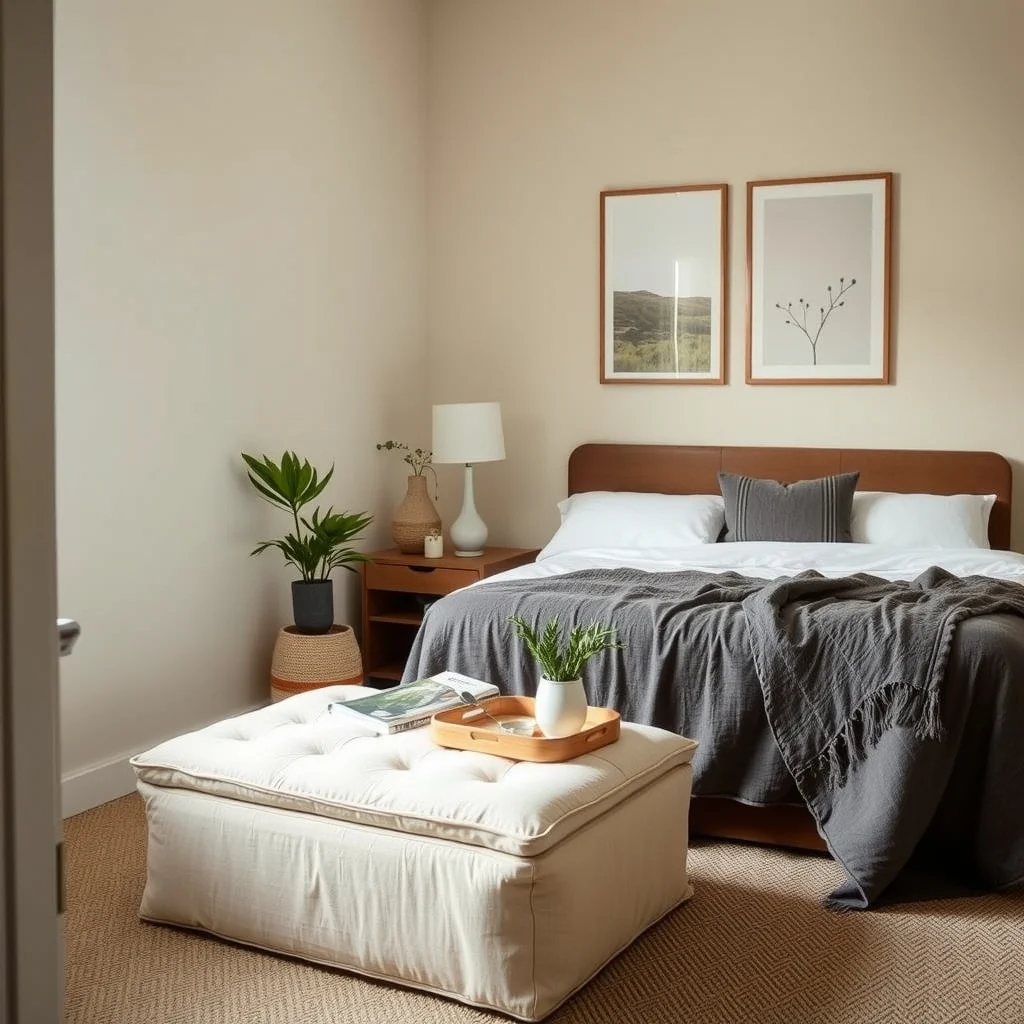
A low‑profile ottoman with a removable lid can double as a seat, a footrest, and a hidden bin for linens or seasonal items. Upholster the ottoman in a durable fabric—such as a tightly woven linen in a muted sage—that resists wear while adding a subtle splash of colour. Because the piece sits directly on the floor, it can be moved easily if you need to rearrange the layout. When you press the lid, a spacious interior opens, allowing you to store extra blankets, pillows, or even a small stack of books. The dual function maximizes the utility of a corner without sacrificing aesthetic harmony.
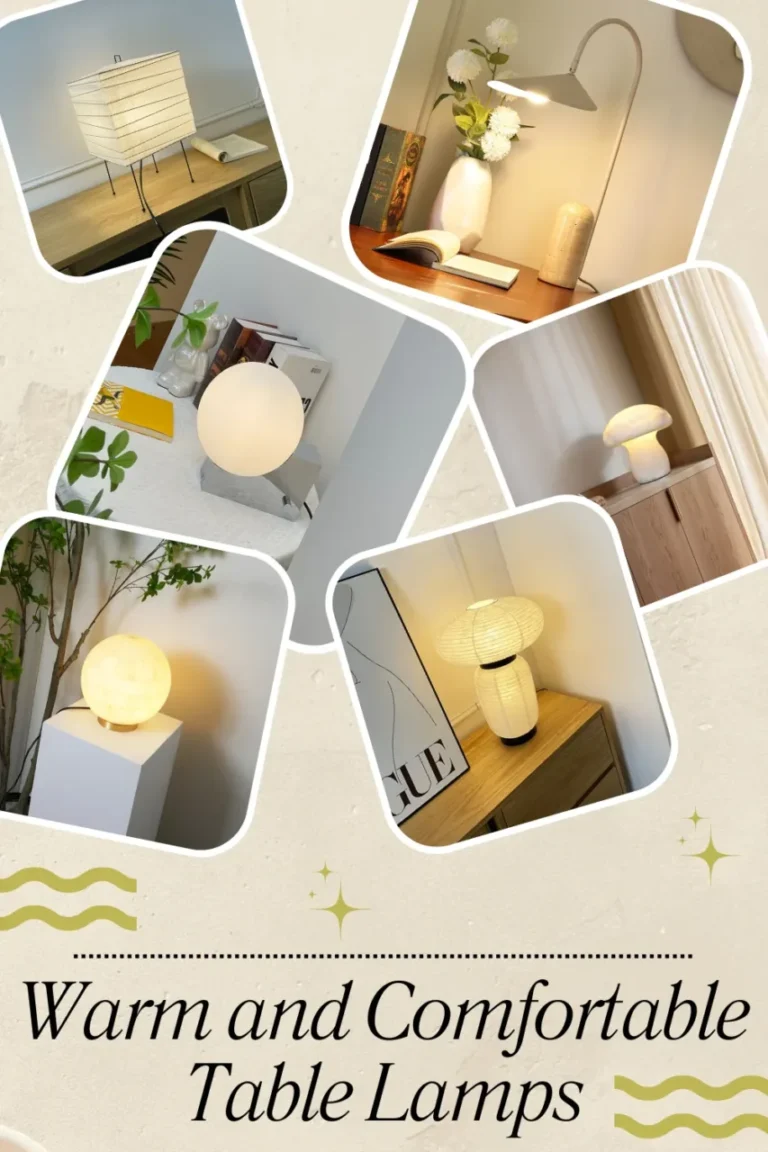
7. Introduce layered lighting with a floor lamp and soft accent

Lighting in a corner often goes unnoticed, yet a well‑chosen lamp can become a focal point while providing functional illumination. Choose a floor lamp with a slender, adjustable arm that can be angled toward a reading chair or a bedside table. A fabric shade in a neutral tone diffuses the light, creating a warm glow that is gentle on the eyes. Pair the lamp with a small, decorative lantern or a string of battery‑operated LED lights draped along the wall for ambient effect. The combination of direct and indirect light adds depth to the room and ensures the corner feels purposeful, especially after sunset.
FAQ
How do I decide which corner idea fits my bedroom best?
Start by assessing the corner’s dimensions, the amount of natural light it receives, and the functions you need most—storage, seating, or visual interest. Choose an option that aligns with those priorities while complementing the room’s existing style.
Can I combine more than one of these ideas in the same corner?
Yes, but keep the overall balance in mind. For example, a floating shelf can coexist with a small plant, as long as each element has enough breathing room and the visual weight remains evenly distributed.
What budget‑friendly materials work well for a corner makeover?
Affordable options include pine shelving painted in a matte finish, fabric‑covered ottomans from budget retailers, and second‑hand mirrors with simple frames. These choices provide style without a high price tag.
Is it safe to place a tall plant near a window?
Generally, yes; just ensure the pot has a stable base and that the plant’s leaves do not block the window’s opening mechanism. Regularly dust the foliage to keep light transmission optimal.
How can I keep the corner tidy after adding storage?
Use organizers such as fabric dividers inside drawers or baskets on shelves. Declutter regularly by returning items to their designated spots, which helps maintain a clean appearance.
Final Thoughts
Turning a dead corner into a purposeful part of a small bedroom is less about drastic renovations and more about thoughtful, measured additions. Whether you opt for a sleek shelf, a cozy reading chair, or a hidden storage piece, each idea adds both function and personality while respecting the room’s limited footprint. By selecting materials, colours, and scales that harmonize with the rest of the space, you create a corner that feels intentional rather than an afterthought. The result is a bedroom that feels larger, more organized, and subtly richer in detail—one small corner at a time.