Awkward Nook Ideas: Turn It Into a Reading Corner
Every home has a space that feels a little out of place—a narrow alcove, a corner under a staircase, or a recessed area that never quite fits the usual furniture layout. Instead of letting that awkward nook collect dust, you can give it a purpose that matches its size and shape. A dedicated reading corner turns a forgotten spot into a personal retreat, adding both function and charm to the room. Below are seven ways to shape an uncomfortable corner into a cozy place for books, tea, and quiet moments.
1. Choose a Low‑Profile Seating Solution That Fits the Scale
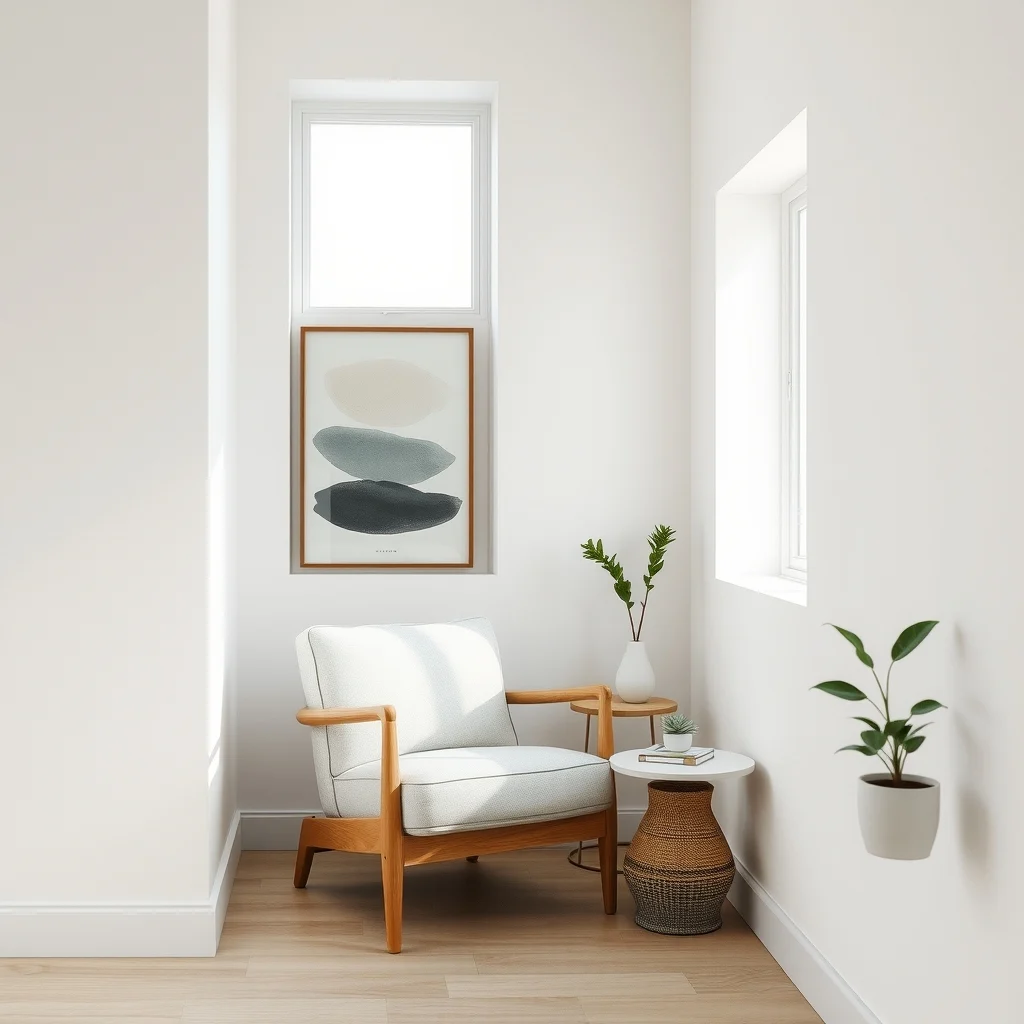
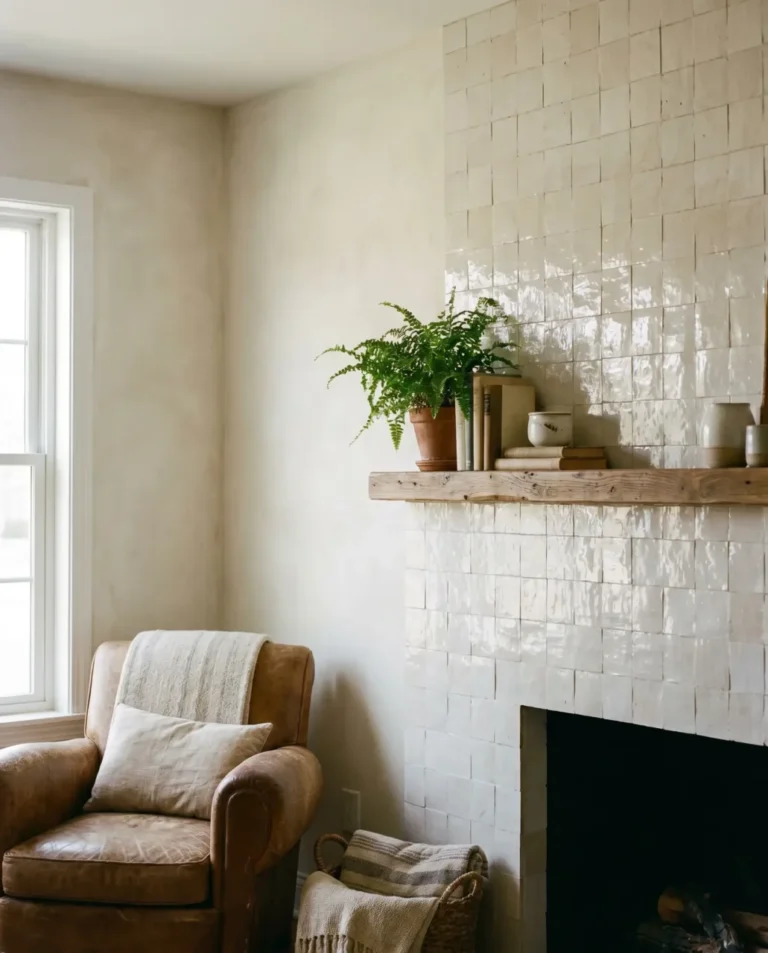
When space is limited, the height and footprint of the seat become the most critical considerations. A slim, upholstered armchair with a narrow back can slide into a corner without crowding the walls. Look for fabrics such as linen or brushed cotton in muted tones; they soften the room while staying easy to clean. If the ceiling is low, a low‑back chair preserves headroom and creates a relaxed posture for reading. Adding a small, round ottoman in front of the chair offers a place to rest a mug or a stack of books without taking up much floor area. The combination of a modest chair and a portable footrest keeps the nook inviting without overwhelming the surrounding space.
A More Beautiful Home
Starts With a Smart Plan.
Discover digital decorating guides, home organization planners and practical resources to help you make the most of your space.
Get more inspiration for less.
Livana Studio
2. Layer Light Sources to Create a Gentle Glow
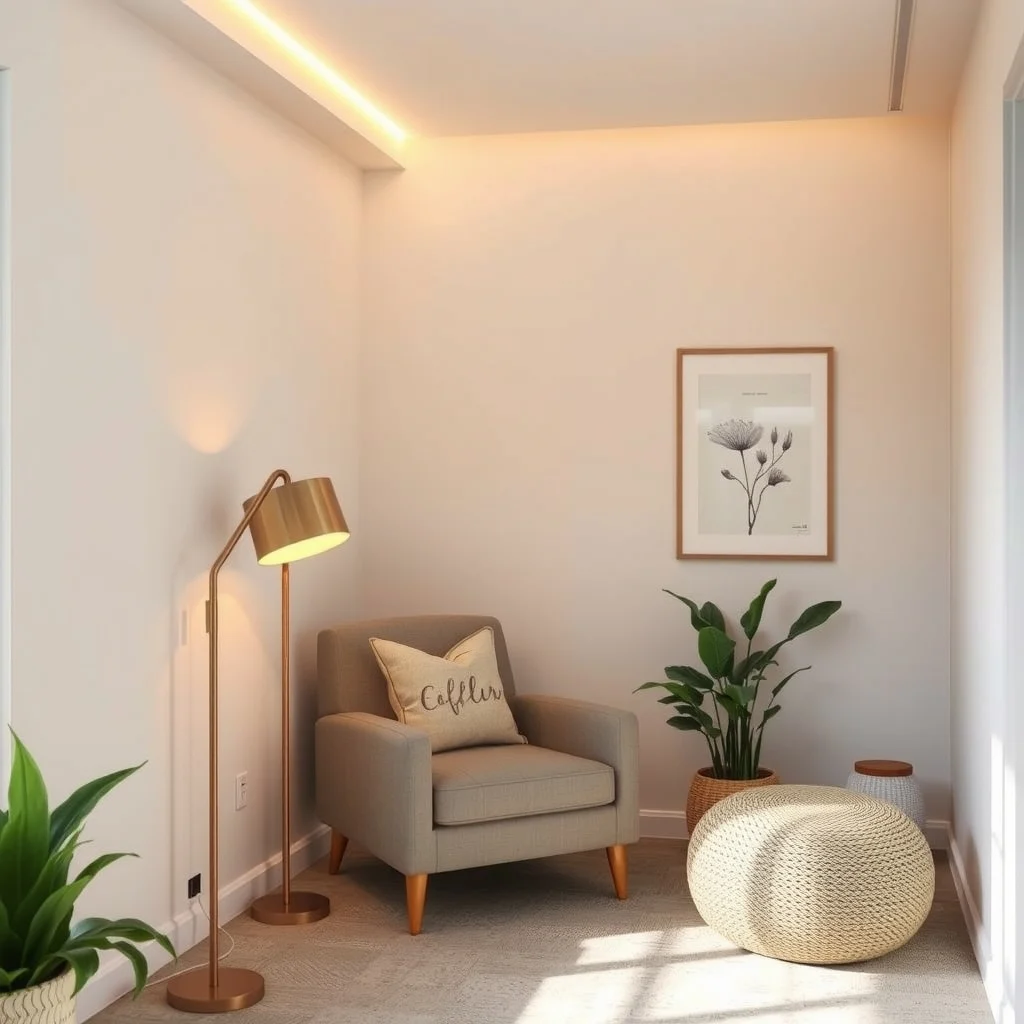
Natural light often filters into an awkward corner at an angle, leaving shadows that can strain the eyes. Complement that daylight with a layered lighting scheme. An adjustable floor lamp positioned behind the chair can cast a soft wash of light across the pages, while a small table lamp on a side table adds focused illumination for late‑night reading. Choose lamps with dimmable bulbs so you can lower the intensity as the evening deepens. Warm‑white LED bulbs reduce glare and conserve energy, and a fabric shade in a neutral hue diffuses the light without harsh edges. By balancing ambient, task, and accent lighting, the nook stays comfortable at any hour.
3. Incorporate Built‑In or Freestanding Shelving That Follows the Wall
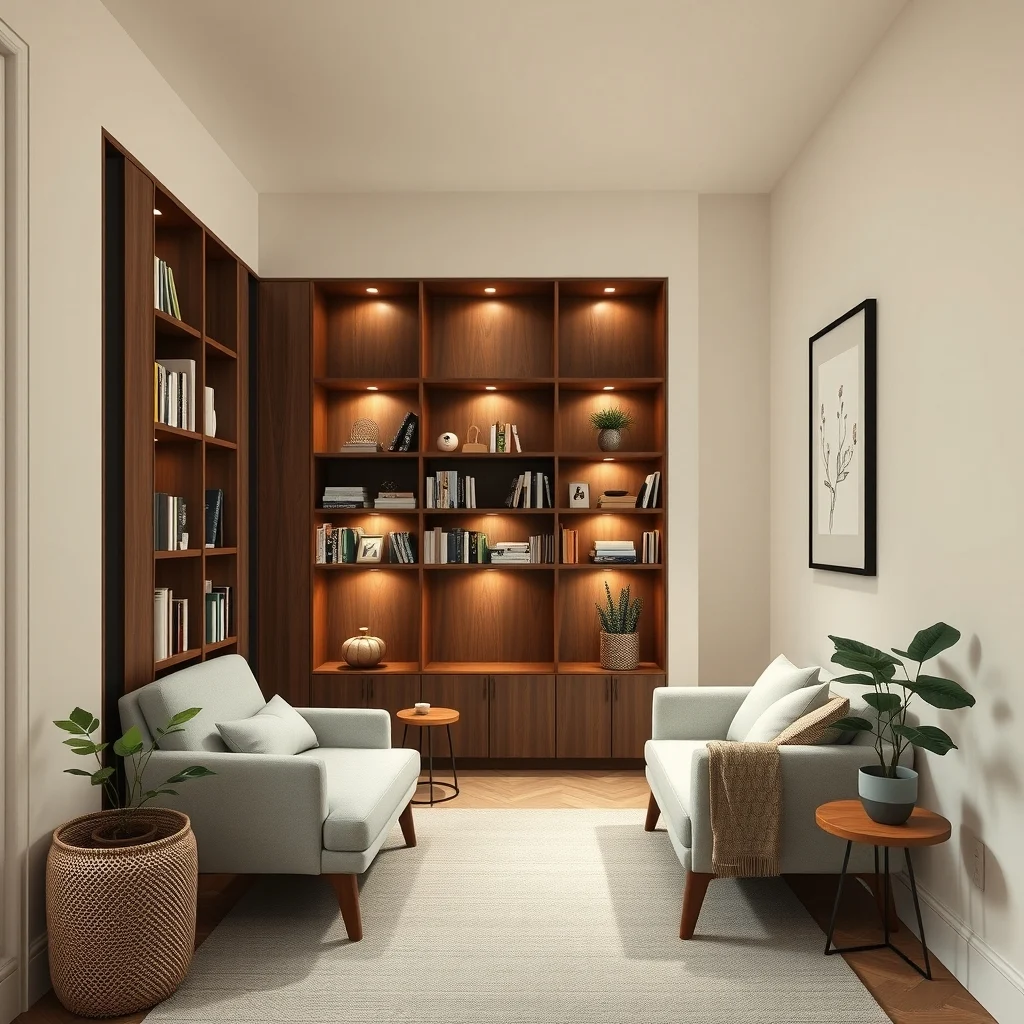
Books need a home, and the walls surrounding an awkward nook often present an opportunity for custom storage. A narrow built‑in bookshelf that hugs the perimeter can hold a respectable collection without protruding into the room. If construction isn’t an option, a freestanding ladder shelf made of reclaimed wood adds character while staying slim enough for tight spaces. Arrange books by height or color to create visual interest, and leave a few open slots for decorative objects like a ceramic vase or a small potted fern. The shelf not only stores reading material but also defines the corner, turning an empty wall into a functional backdrop.
4. Add Soft Textiles to Enhance Comfort and Acoustics
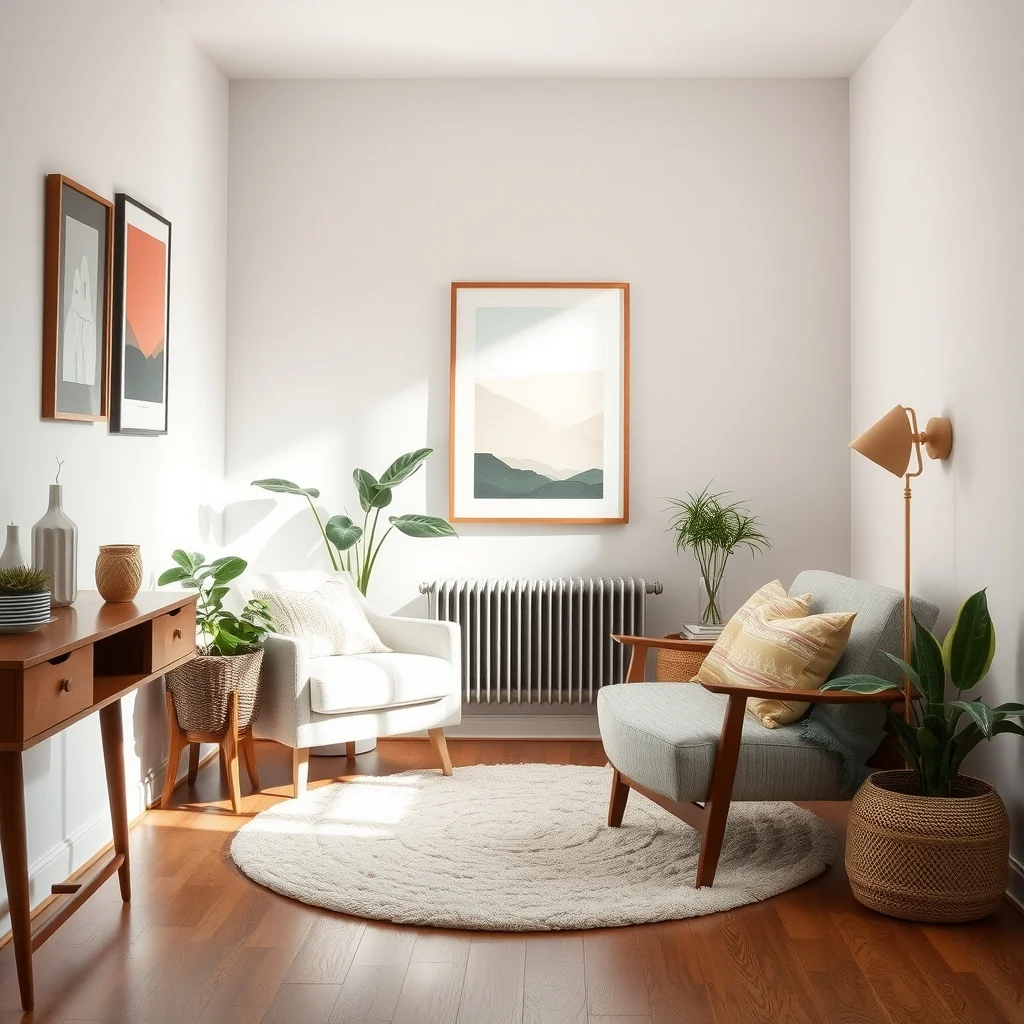
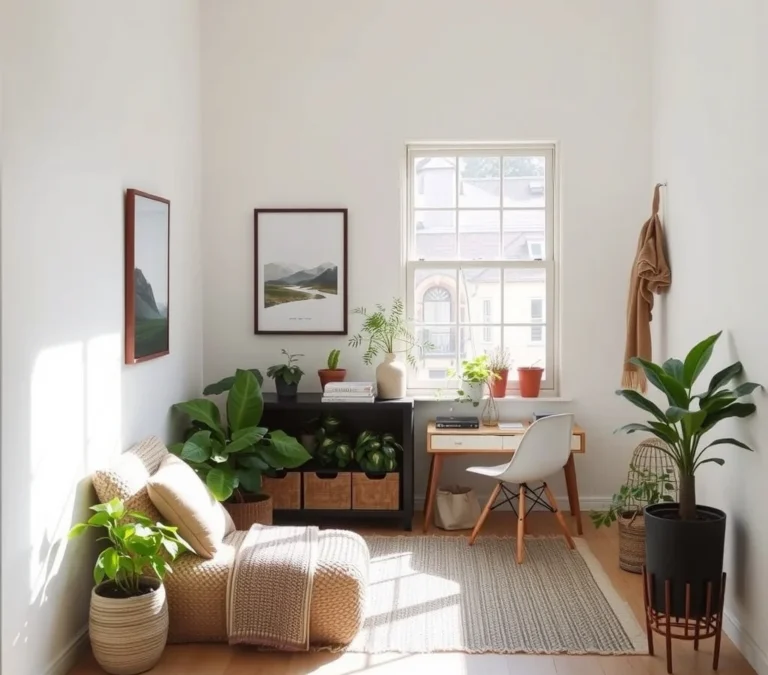
Hard surfaces can make a small nook feel echoey, especially when the room is otherwise quiet. Introducing a plush rug under the chair softens footsteps and absorbs sound, making the area feel more intimate. Choose a low‑pile rug in a natural fiber such as jute or wool; these materials are durable and easy to vacuum. Throw blankets in a complementary shade invite you to curl up on cooler evenings, while a few decorative cushions add a splash of pattern without overwhelming the scale. The textiles not only improve comfort but also contribute to a layered aesthetic that feels deliberately curated.
5. Use a Narrow Side Table for Drinks, Lighting, and Organization
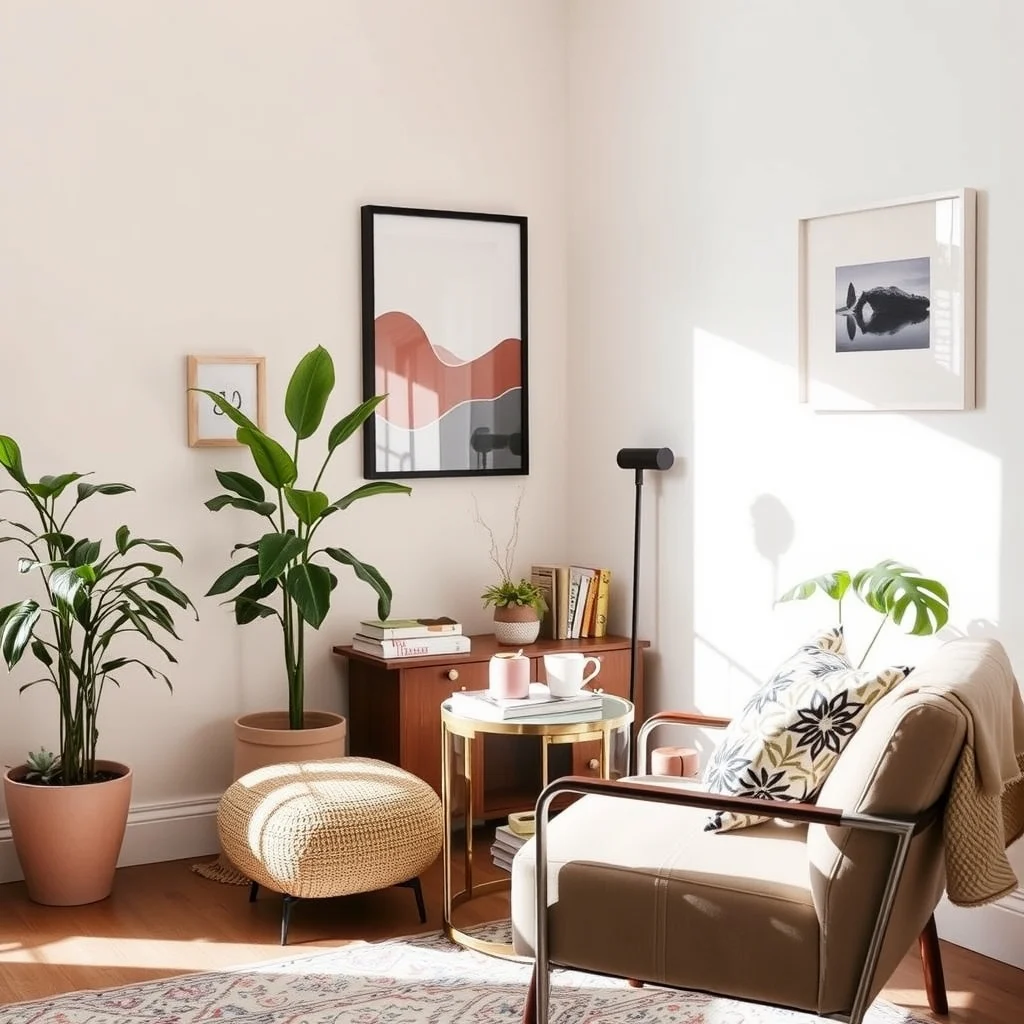
Even in the tightest corners, a slender side table can serve multiple purposes. A table with a slim profile—perhaps a metal frame with a glass top—fits beside the chair without blocking circulation. Its surface holds a steaming cup of tea, a reading lamp, and a small tray for bookmarks or glasses. Some designs include a lower shelf, perfect for storing a few extra books or a stack of magazines. Selecting a table in a finish that echoes other hardware in the room, such as brushed brass or matte black, creates visual continuity while keeping the space feeling intentional.
6. Choose a Color Palette That Expands the Space Visually
Light, neutral colors on the walls and ceiling can make a cramped nook appear larger than it is. Soft greige, pale sage, or warm ivory reflect daylight and artificial light alike, reducing the sense of confinement. If the surrounding room features bolder hues, consider painting the nook a lighter shade to create a subtle contrast that draws the eye inward. Complement the walls with accessories in muted tones—perhaps a woven basket in natural straw or a ceramic jar in a muted teal. The restrained palette ensures the corner feels airy without clashing with the rest of the room’s decor.
7. Personalize with Art and Greenery That Suit the Scale
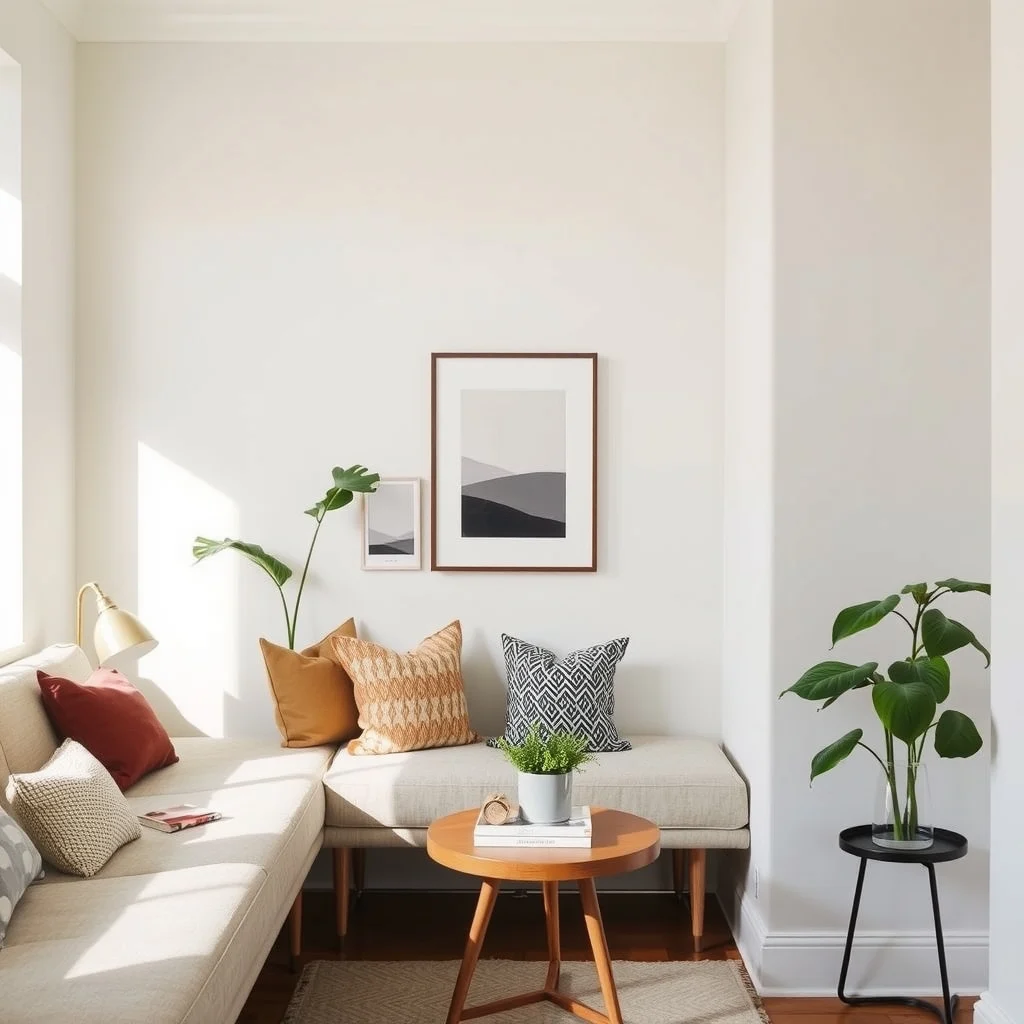
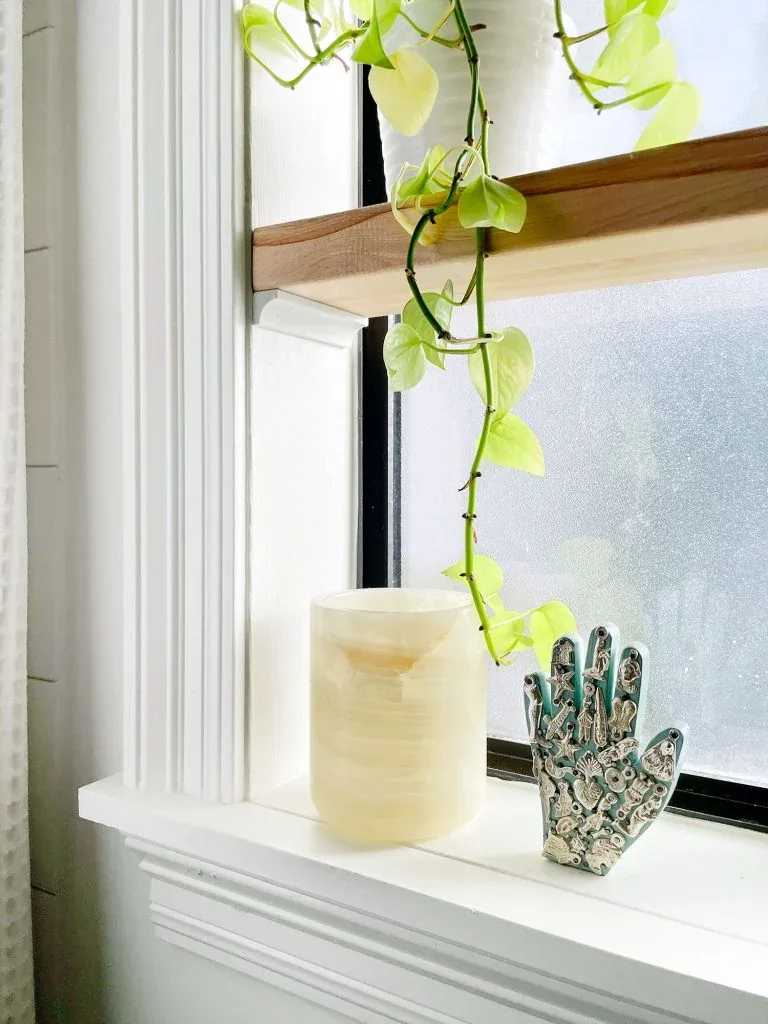
Finishing touches give the reading corner personality. A small framed print hung at eye level adds visual interest without dominating the wall. Choose artwork with simple lines or abstract shapes that complement the room’s style. A trailing plant, such as a pothos or a small snake plant, placed on the side table or a floating shelf, introduces a hint of nature and improves air quality. Because the space is limited, keep the number of decorative items modest; a single piece of art and one plant provide enough character while maintaining the nook’s uncluttered feel.
FAQ
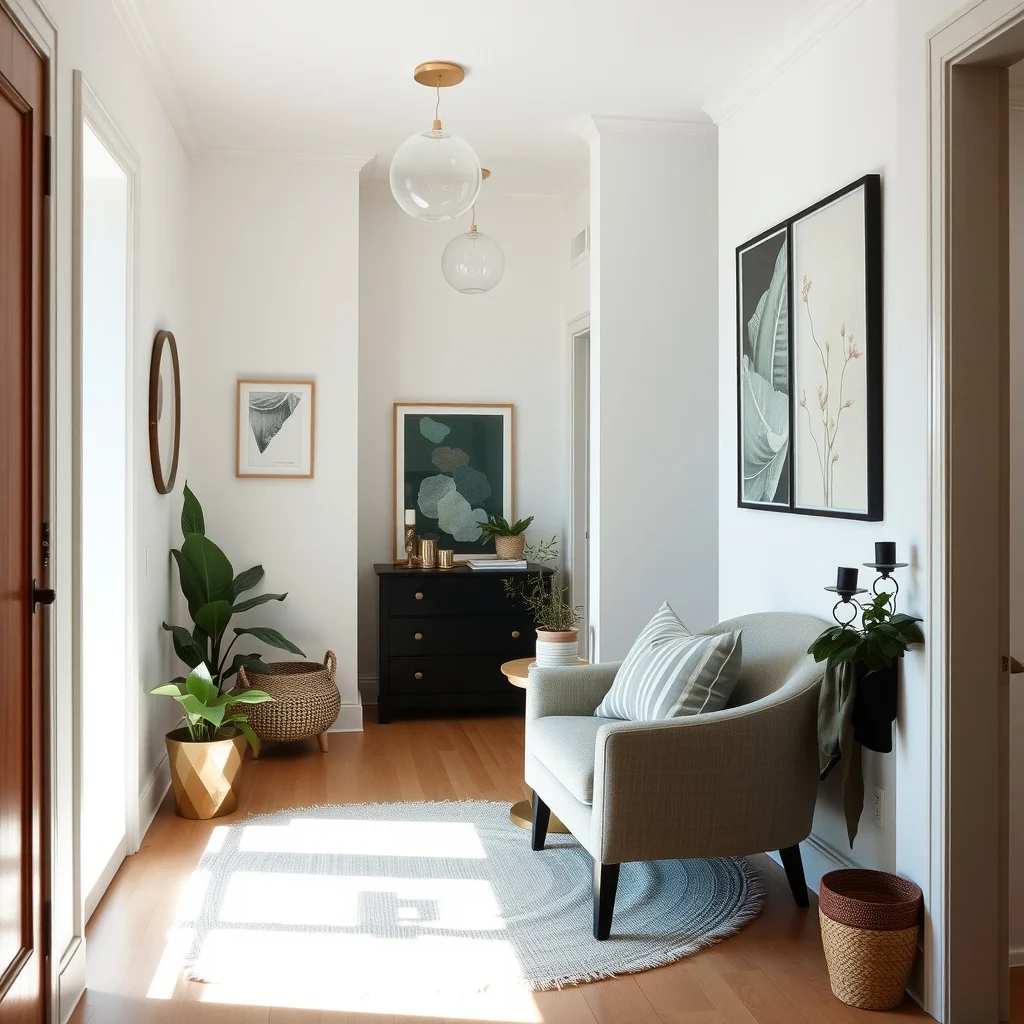
How can I make a reading nook in a hallway without blocking traffic?
Position a low‑back chair against the far wall and keep the floor space clear for passage. A narrow side table that slides under the chair when not in use helps maintain an open walkway.
What type of lighting is best for reading at night?
A floor lamp with an adjustable arm and a warm‑white LED bulb provides focused light without glare. Pair it with a dimmable table lamp for added flexibility.
Can I use a bookshelf that doesn’t reach the ceiling?
Yes, a mid‑height shelf works well in a nook, especially when paired with a tall plant or decorative ladder that draws the eye upward, creating the impression of height.
Is a rug necessary in a small reading corner?
A rug adds comfort and reduces echo, making the space feel more inviting. Choose a low‑pile option that’s easy to clean and fits the dimensions of the nook.
How do I keep the nook tidy when I have many books?
Organize books by size or genre on the built‑in shelf, and use decorative baskets for items you want out of sight. Regularly rotating the collection prevents overcrowding.
Final Thoughts
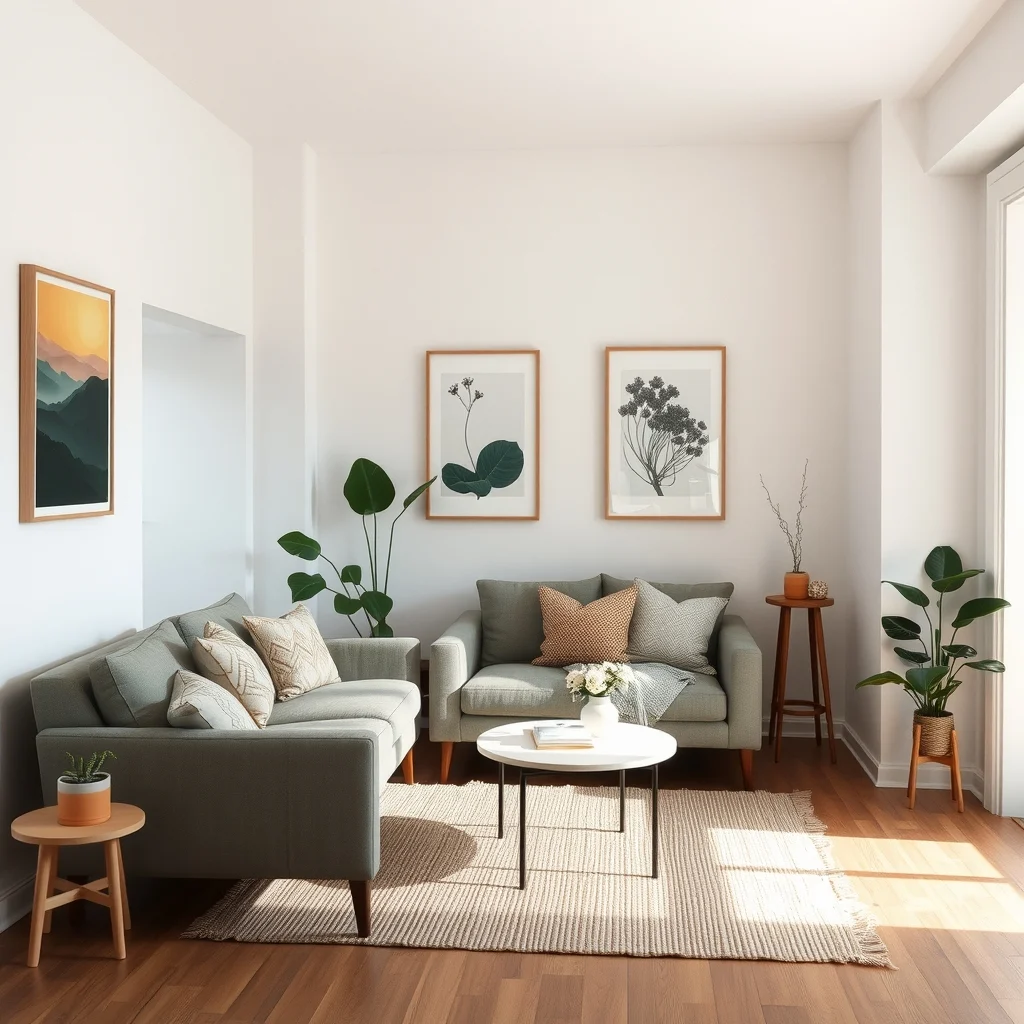
Turning an awkward corner into a reading retreat is less about major renovations and more about thoughtful details. By selecting appropriately sized furniture, layering gentle lighting, and adding texture through rugs and textiles, the space becomes both functional and inviting. Shelving, a narrow table, and a restrained color palette keep the nook organized without sacrificing style. A few personal touches—art, a plant, a favorite blanket—make the corner feel like a private haven. With these ideas, you can transform any underused area into a place where you look forward to settling down with a good book.