Vertical Garden Ideas for Growing More Plants in Small Spaces

When floor area feels too cramped for a traditional planter, the walls and other unused surfaces become prime real estate for greenery. A vertical garden can soften a narrow hallway, add life to a kitchen corner, or turn a bare bathroom into a quiet retreat. Below are seven distinct approaches that let you cultivate more plants without sacrificing the limited square footage you have.
1. Hanging Pocket Planters on a Living‑Room Wall
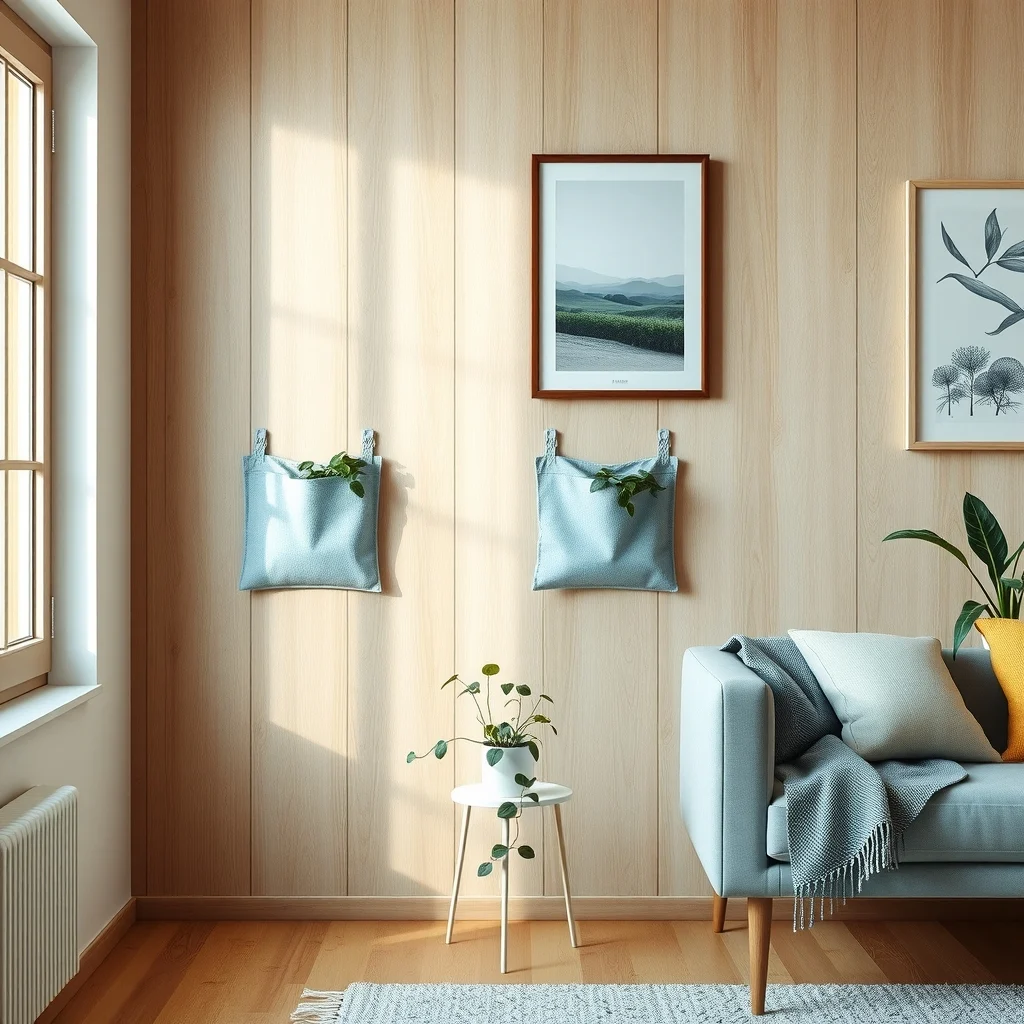
A series of fabric or felt pockets mounted on a sturdy wooden panel creates a soft, textured backdrop for trailing herbs, pothos, or small succulents. The pockets are shallow enough to keep the soil contained, yet deep enough for roots to spread, which means you can arrange a mix of foliage and edible varieties in a single installation. Because the panel hangs at eye level, you can enjoy the foliage without constantly bending, and the fabric pockets can be swapped out as the plants mature. Choose a muted linen‑colored panel if your living room leans toward warm greige walls; the neutral tone lets the greens stand out without clashing with existing décor. The main consideration is weight—fill each pocket with a light potting mix and secure the panel with wall anchors rated for at least 20 pounds to avoid stress on drywall.
2. Ladder‑Style Shelf Garden in a Kitchen Nook
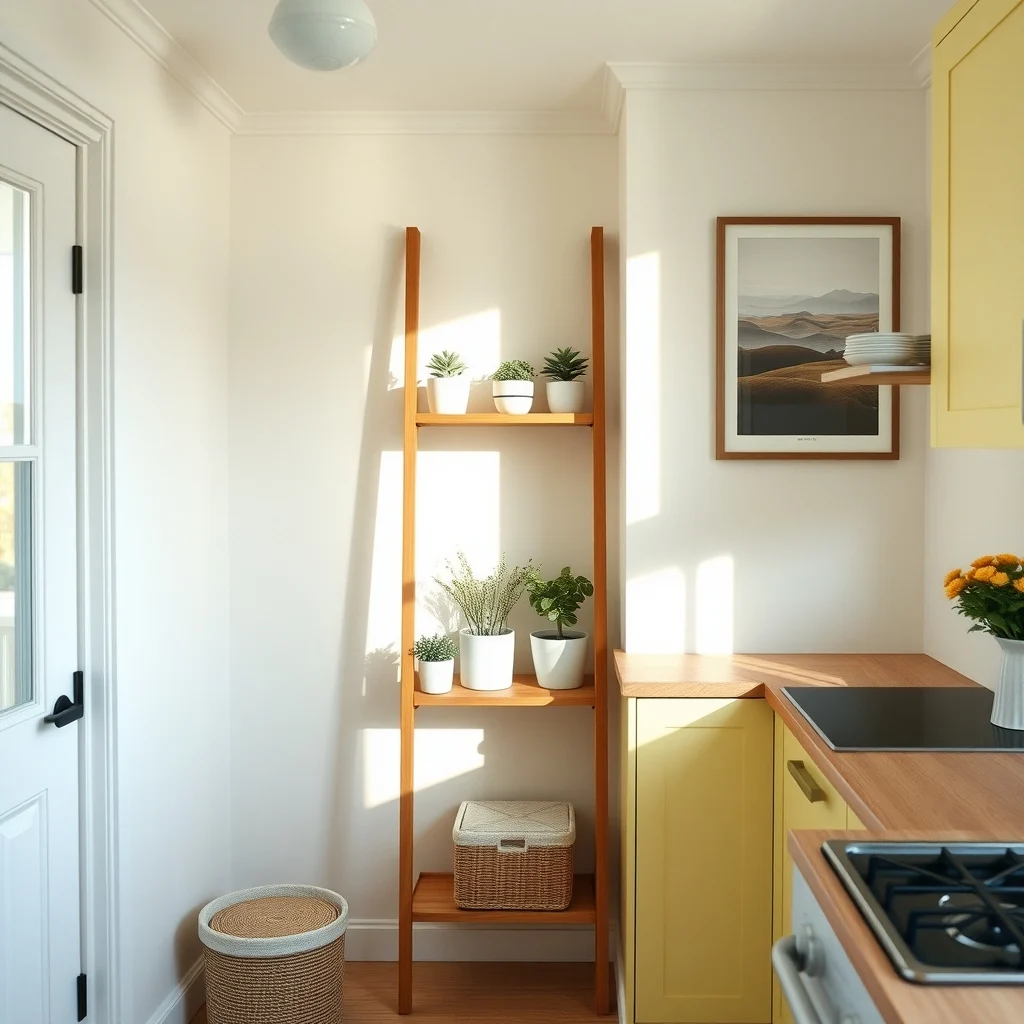
A narrow wooden ladder repurposed as a tiered shelf fits neatly into a corner where a countertop ends. By placing small ceramic pots on each rung, you gain multiple planting levels while preserving countertop space for prep work. The ladder’s slatted sides allow air to circulate, reducing the risk of mildew on leafy greens such as basil or mint. Pair the natural oak finish with copper or brushed brass hardware for a touch of warmth that complements stainless‑steel appliances. When selecting plants, consider the amount of natural light that reaches the nook; lower shelves may receive indirect light, making them suitable for low‑light tolerant varieties like spider plant. The trade‑off is the need to water each tier individually, so a lightweight watering can with a long spout is a practical addition.
3. Window‑Sill Trellis That Climbs Upward
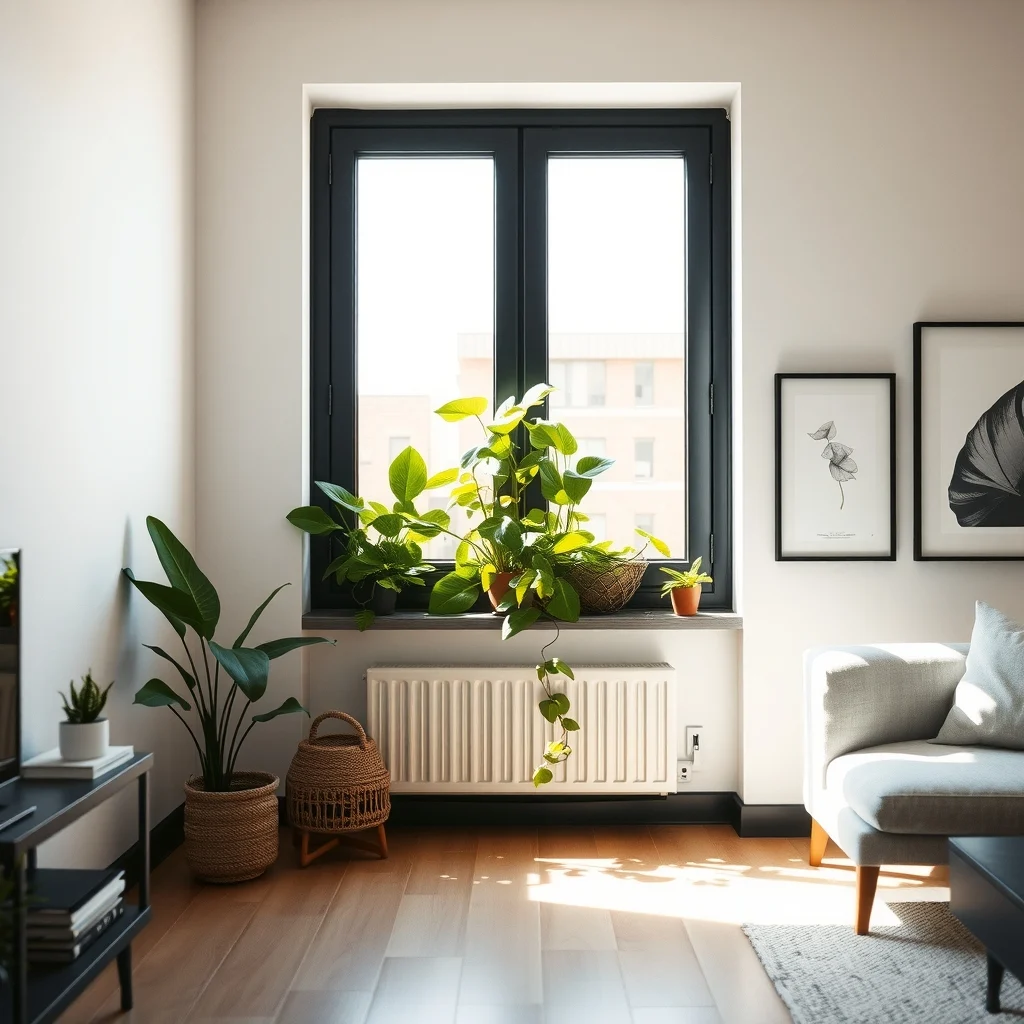
Installing a narrow, vertical trellis directly on a sunny window sill creates a miniature climbing garden that makes use of the most light‑rich spot in a small apartment. The trellis can be a simple wooden slat with evenly spaced holes for wire or string, allowing vines such as sweet pea or morning glory to ascend as they grow. Because the trellis sits against the glass, the reflected light brightens the surrounding room, and the vertical growth habit keeps the floor clear. Choose a trellis finished in matte black if your décor leans modern; the contrast will highlight the green leaves without overwhelming the space. One limitation is that heavier vines may need additional support at the top, so a small hook on the ceiling can be added discreetly.
4. Mounted Pallet Green Wall in a Bathroom
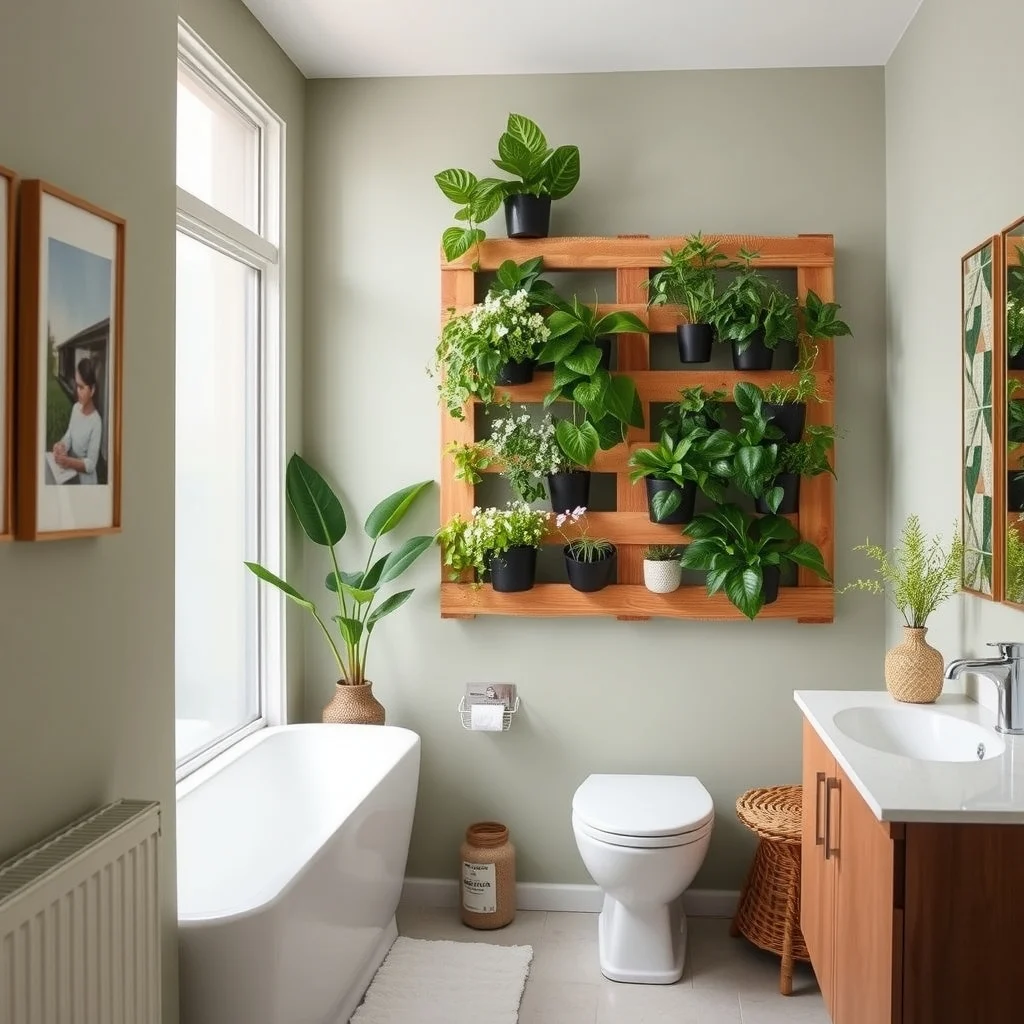
A reclaimed wooden pallet, sanded smooth and painted a soft sage, can be affixed to a bathroom wall that receives filtered daylight through frosted glass. By attaching garden fabric and securing small pots with zip ties, you create a living panel that thrives in the humid environment. Ferns, philodendrons, and air‑plants love the moisture, and the pallet’s rustic texture adds visual interest against tiled surfaces. The height of the pallet can be adjusted to stay within reach, making routine misting simple. Ensure that the mounting brackets are stainless steel to resist corrosion, and add a small waterproof tray at the bottom to catch any excess water. The main drawback is the need for occasional pruning to keep the foliage from obscuring the mirror or shower head.
5. Modular Pocket System on a Balcony Railing
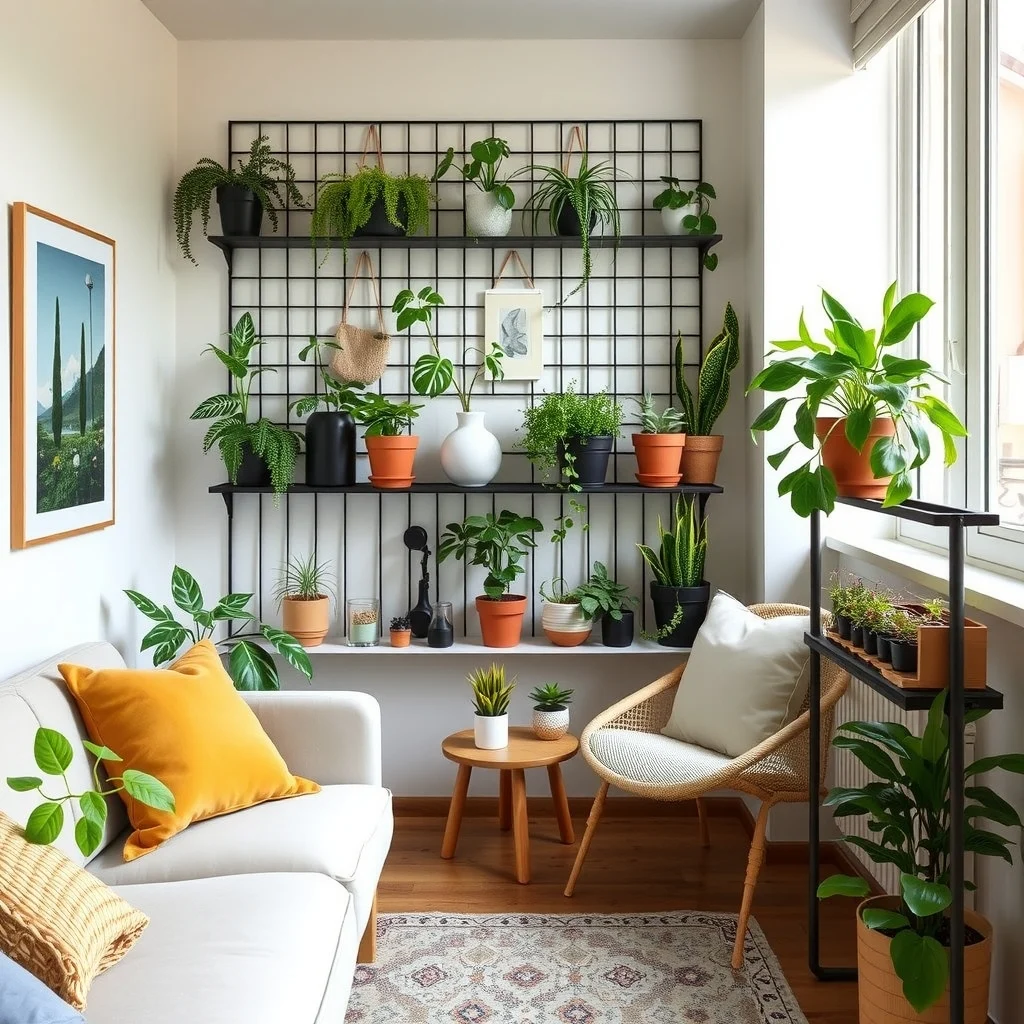
Balcony railings often have unused gaps that can hold a modular pocket system designed for small containers. These plastic or metal pockets snap together, allowing you to customize the layout based on the width of the railing. By planting thyme, oregano, and compact lettuce varieties, you turn an outdoor edge into a functional herb garden that stays out of the way of foot traffic. The metal frames can be powder‑coated in a muted charcoal that blends with concrete railings, while the pockets themselves are UV‑resistant, preventing the soil from drying too quickly. Because the system is removable, you can take it inside during harsh weather. The only caution is to verify that the balcony’s load limit can accommodate the added weight of soil and water.
6. Repurposed Shoe Organizer for Herbs on a Home‑Office Door
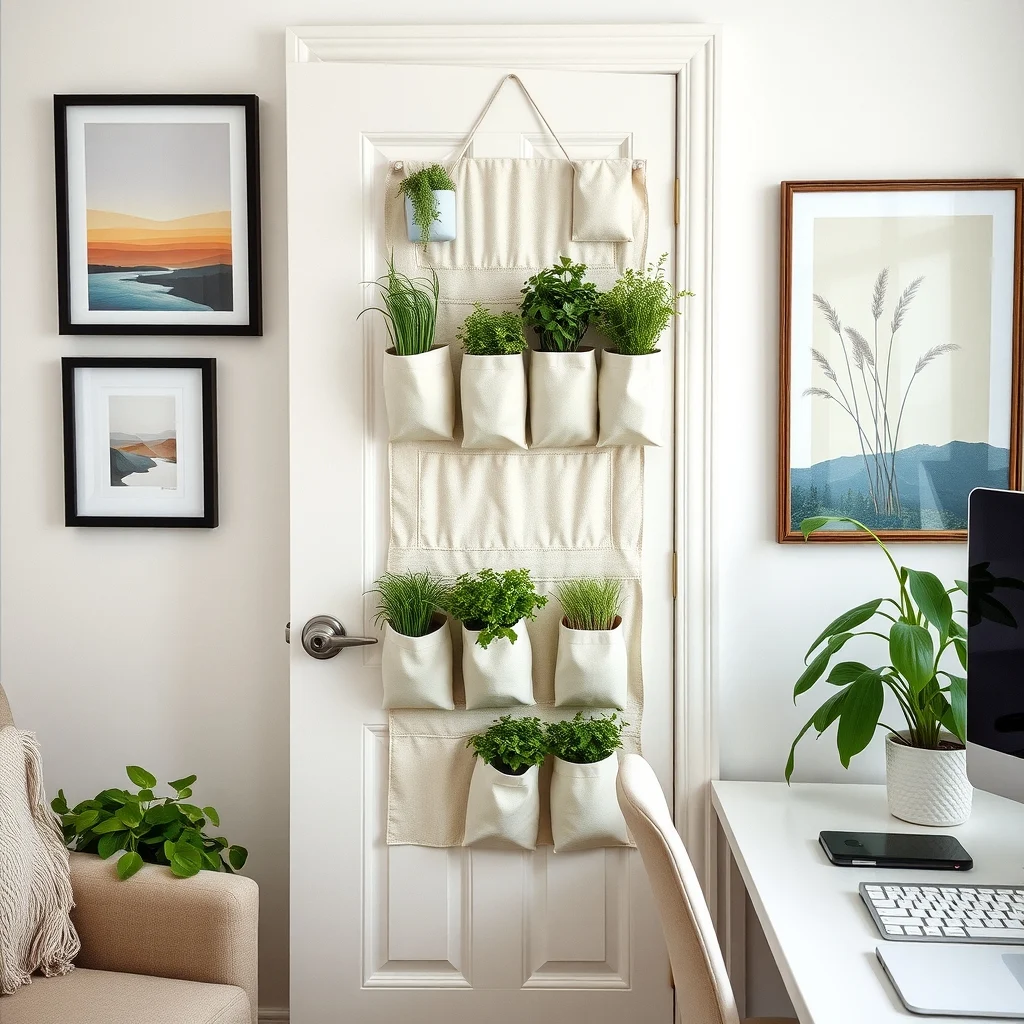
A hanging shoe organizer made of breathable fabric offers an unexpected home for kitchen herbs in a workspace. Each pocket can hold a small pot of rosemary, chives, or cilantro, keeping the herbs within sight while you type. The organizer hangs from the top of the door with a simple hook, freeing wall space for artwork or shelving. The fabric’s perforations allow light to filter through, which works well if the office receives indirect daylight from a nearby window. To avoid spills, line each pocket with a thin plastic liner before adding soil. This solution is ideal for renters because it leaves no permanent marks, though the herbs will need occasional rotation to ensure even light exposure.
7. Ceiling‑Mounted Hanging Garden for Low‑Light Areas
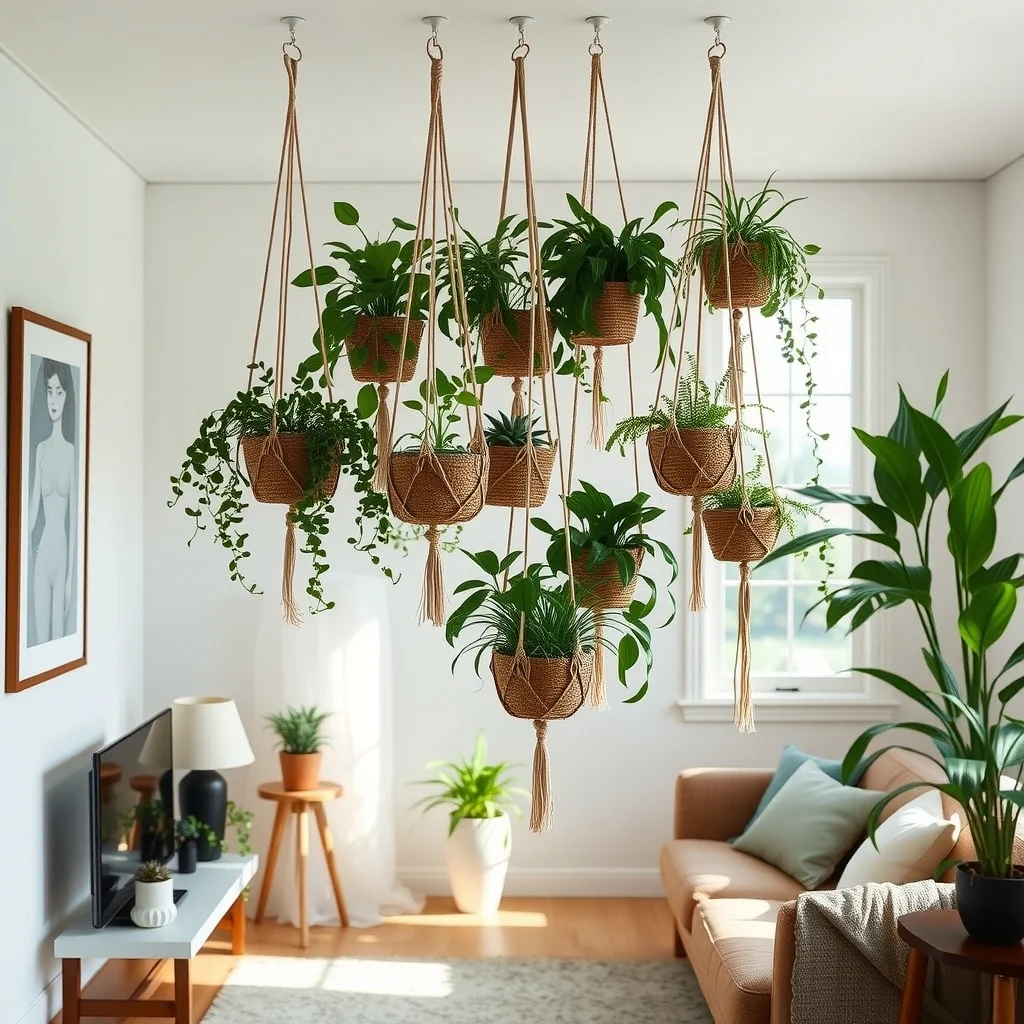
In rooms where floor space is scarce and natural light is minimal, suspending a series of lightweight hanging baskets from the ceiling can introduce greenery without crowding the room. Use macramé cords in a natural jute hue to create a bohemian feel that complements a neutral sofa or a dark wood coffee table. Plants such as ZZ plant, snake plant, or pothos thrive in low‑light conditions and have sturdy leaves that tolerate the gentle sway of the cords. Position the baskets at varying heights so the tallest ones sit just below the ceiling, allowing the lower ones to rest near a side table for easy access. The main consideration is to anchor the cords to a ceiling joist with a sturdy eye bolt, ensuring the weight of wet soil does not cause any movement.
FAQ
Can I use regular potting soil in vertical garden pockets?
Yes, regular potting soil works, but a lightweight mix with perlite or vermiculite helps reduce the overall weight of the installation.
How often should I water plants in a wall‑mounted garden?
Watering frequency depends on the plant type and indoor humidity, but checking the soil daily and watering when the top inch feels dry is a reliable routine.
Do I need special lighting for vertical gardens in low‑light rooms?
Supplemental LED grow lights can be added to provide the necessary spectrum, especially for herbs that require more light to stay flavorful.
Is it safe to hang heavy planters on drywall?
Heavy planters should be anchored to studs or use wall anchors rated for the load; otherwise, lighter containers or a reinforced backing board are safer options.
Can I grow fruit‑bearing plants vertically?
Small dwarf varieties of strawberries or compact citrus can be grown, but they need adequate pollination and may require a sturdier support system.
Final Thoughts
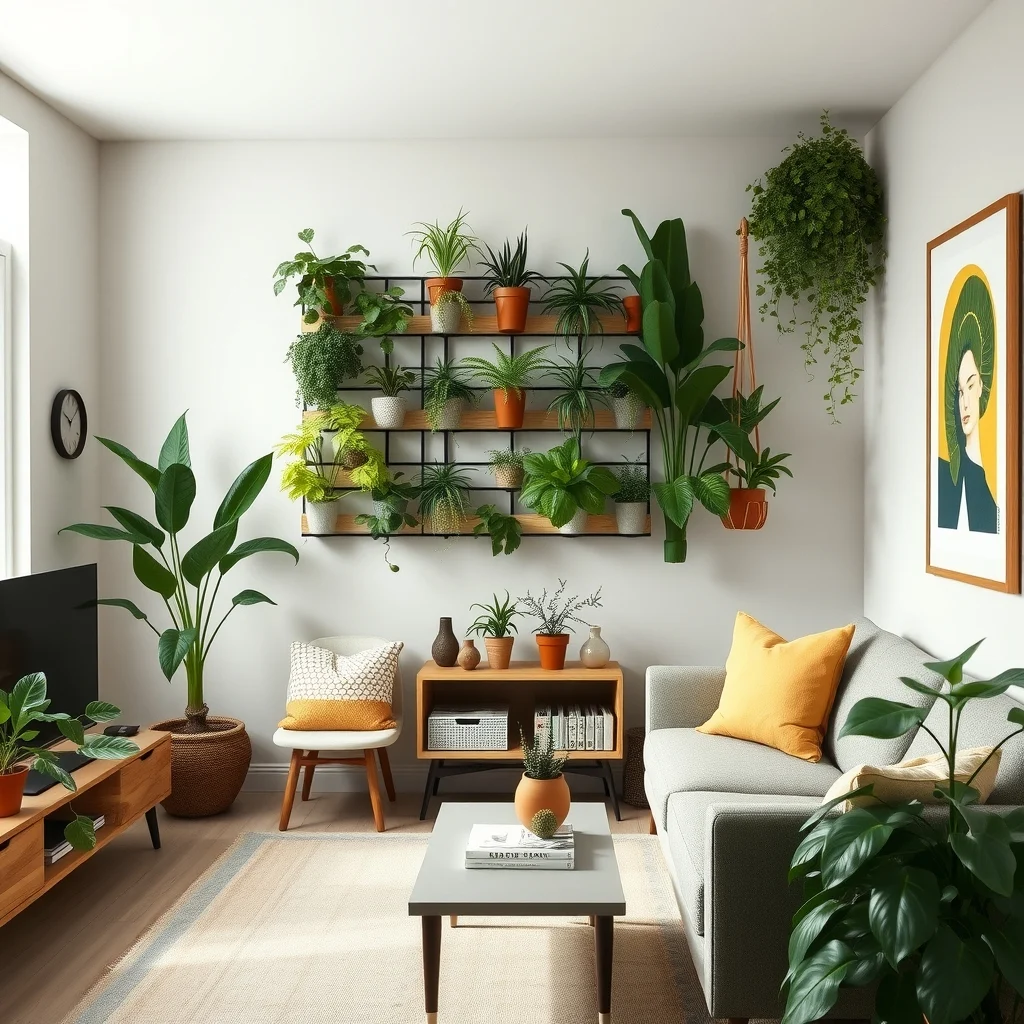
Vertical gardening turns underused surfaces into thriving plant displays, giving you the chance to nurture more greenery without compromising floor space. By selecting the right mounting method, choosing plants suited to the light and humidity of each area, and paying attention to weight and maintenance, you can create a series of living walls that enhance both the aesthetic and the atmosphere of a small home. Whether you favor the sleek look of a metal pocket system or the rustic charm of a reclaimed pallet, each idea offers a practical path to a greener, more inviting living environment.