Backyard Privacy Ideas Using Plants, Screens, and Outdoor Structures

Finding a quiet spot in a backyard that borders a neighbor’s fence or a busy street can feel like solving a puzzle. You want a sense of seclusion without turning the space into a concrete box, and you also want the area to stay inviting for gatherings. The solutions that work best blend natural growth, purposeful structures, and thoughtful placement. Below are seven ideas that show how plants, screens, and outdoor constructions can work together to give you the privacy you need while keeping the garden lively and functional.
1. Tall Evergreen Hedges as Living Screens
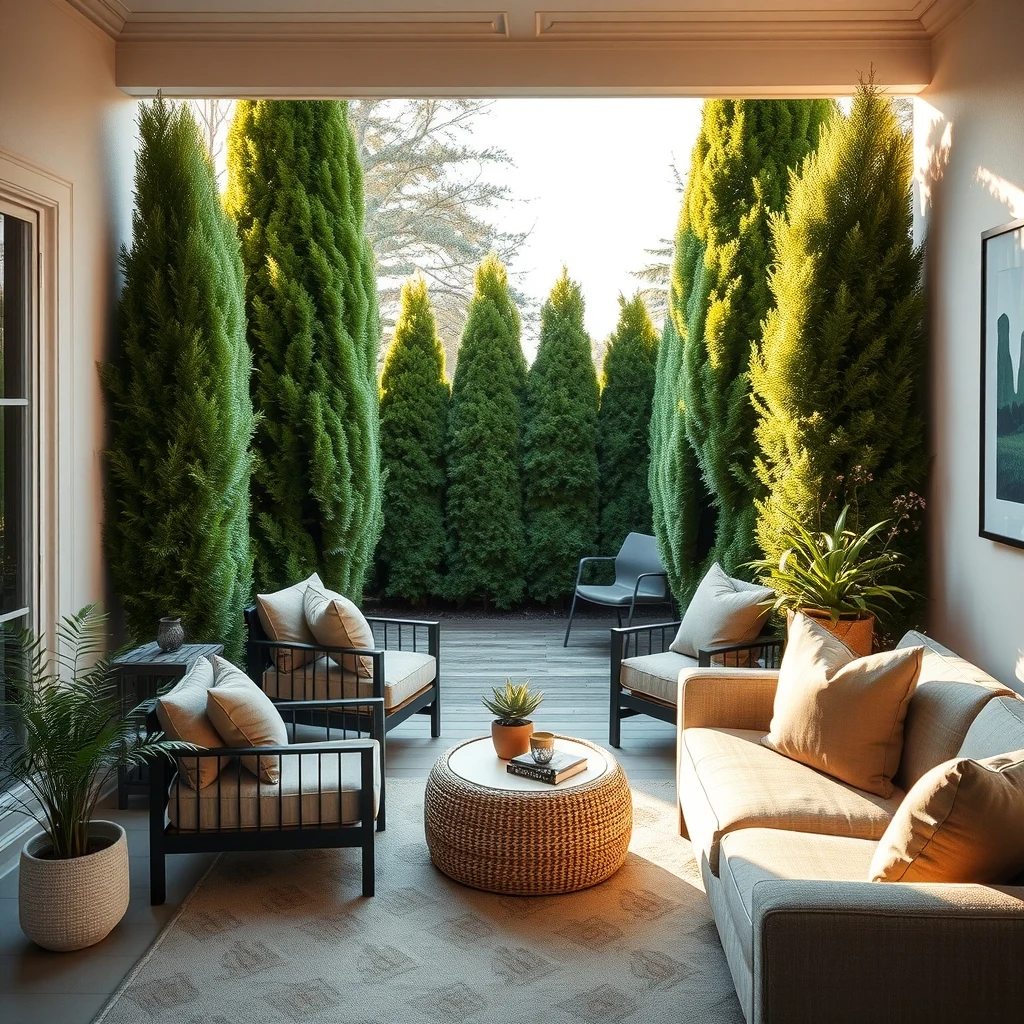
Evergreen shrubs such as arborvitae, Leyland cypress, or holly create a year‑round barrier that feels soft to the eye and solid to the ear. Because they retain foliage through winter, the visual wall remains consistent, and the dense foliage dampens sound from nearby traffic. Plant the hedges about three to four feet apart, allowing room for mature spread; this spacing ensures a continuous screen without gaps. When selecting a variety, consider the climate zone—some evergreens tolerate salt spray better if your yard is close to a coastal road. Maintenance involves an annual trim to keep the hedge at a manageable height and to prevent overgrowth that could shade nearby seating. A trade‑off is the time it takes for the hedge to reach full height; younger plantings provide modest privacy for the first couple of years, but the payoff is a living wall that ages gracefully.
2. Bamboo or Ornamental Grasses in Clusters
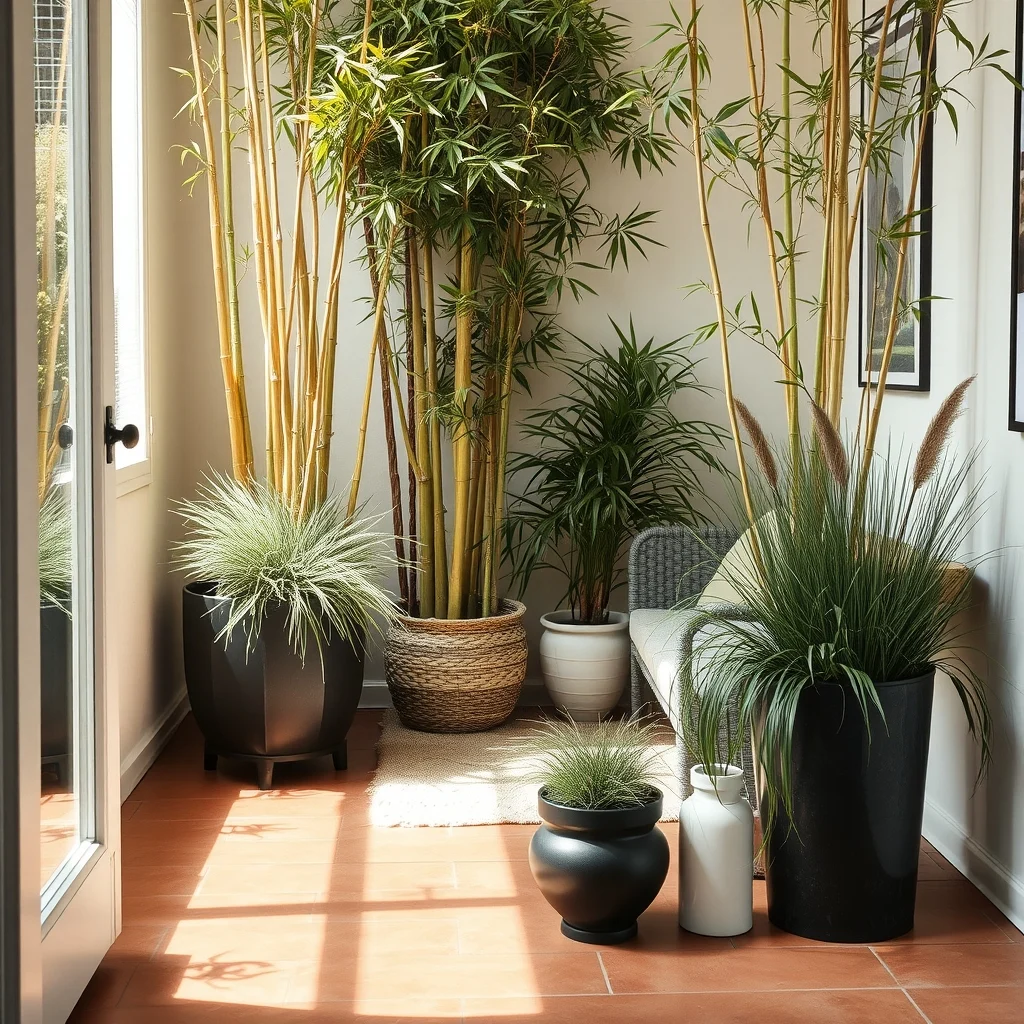
Bamboo, especially clumping types, offers rapid vertical growth that can reach eight feet or more within a single season. Its slender stalks create a sense of enclosure while still allowing filtered light to dapple the patio. Plant a group of three to five bamboo clumps at staggered intervals to avoid a monotone wall; the variation adds visual interest and reduces wind channels. If you prefer a softer, swaying texture, ornamental grasses such as fountain grass or maiden grass work well. They move with the breeze, creating a gentle sound barrier that masks conversations from prying ears. Both options need regular watering during the first year, and bamboo may require rhizome barriers to keep it from spreading beyond the intended area. The main limitation is that bamboo can become invasive if not properly contained, so a concrete or metal root barrier is a prudent investment.
3. Freestanding Lattice with Climbing Vines
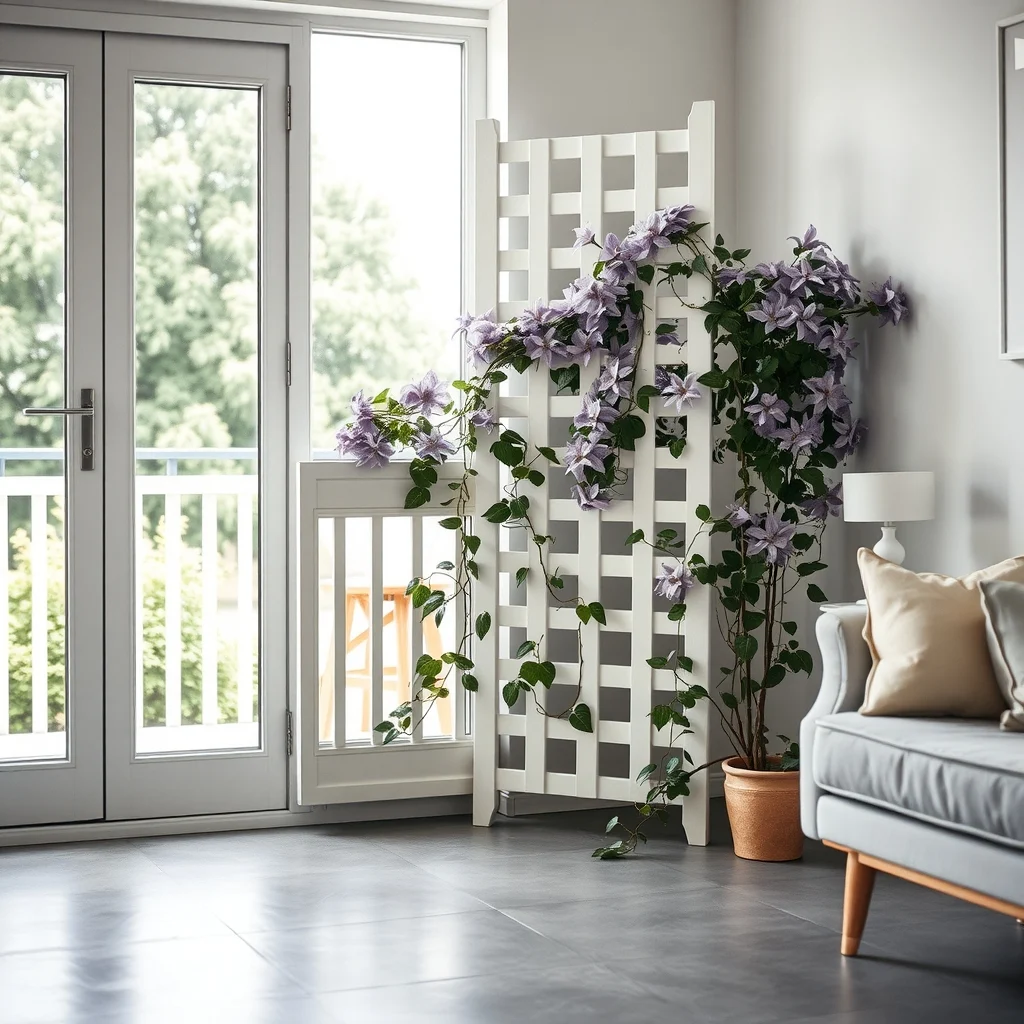
A freestanding lattice panel, positioned a few feet from the house or a patio railing, becomes a versatile privacy element when paired with climbers like clematis, star jasmine, or climbing roses. The lattice provides a framework that lets vines fill the gaps, creating a semi‑solid wall that still breathes. Choose a lattice made from cedar or powder‑coated steel for durability against moisture. Plant vines at the base of the structure and guide the growth with soft ties; as the vines mature, they form a lush curtain that can be trimmed to maintain a desired density. The benefit of this approach is flexibility—you can relocate the lattice if you rearrange furniture or need a different configuration later. One downside is the time required for vines to establish; most species need a season or two before they offer meaningful coverage.
4. Outdoor Curtains on a Pergola
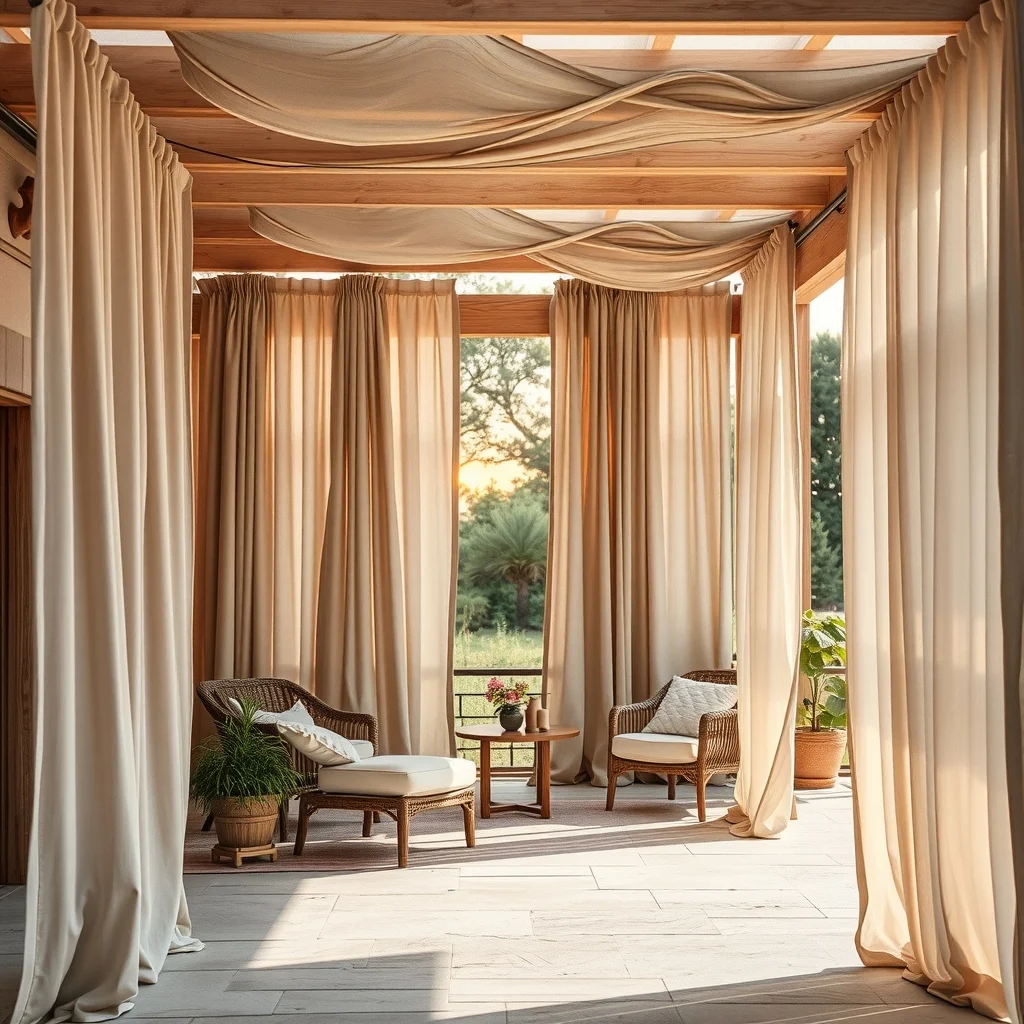
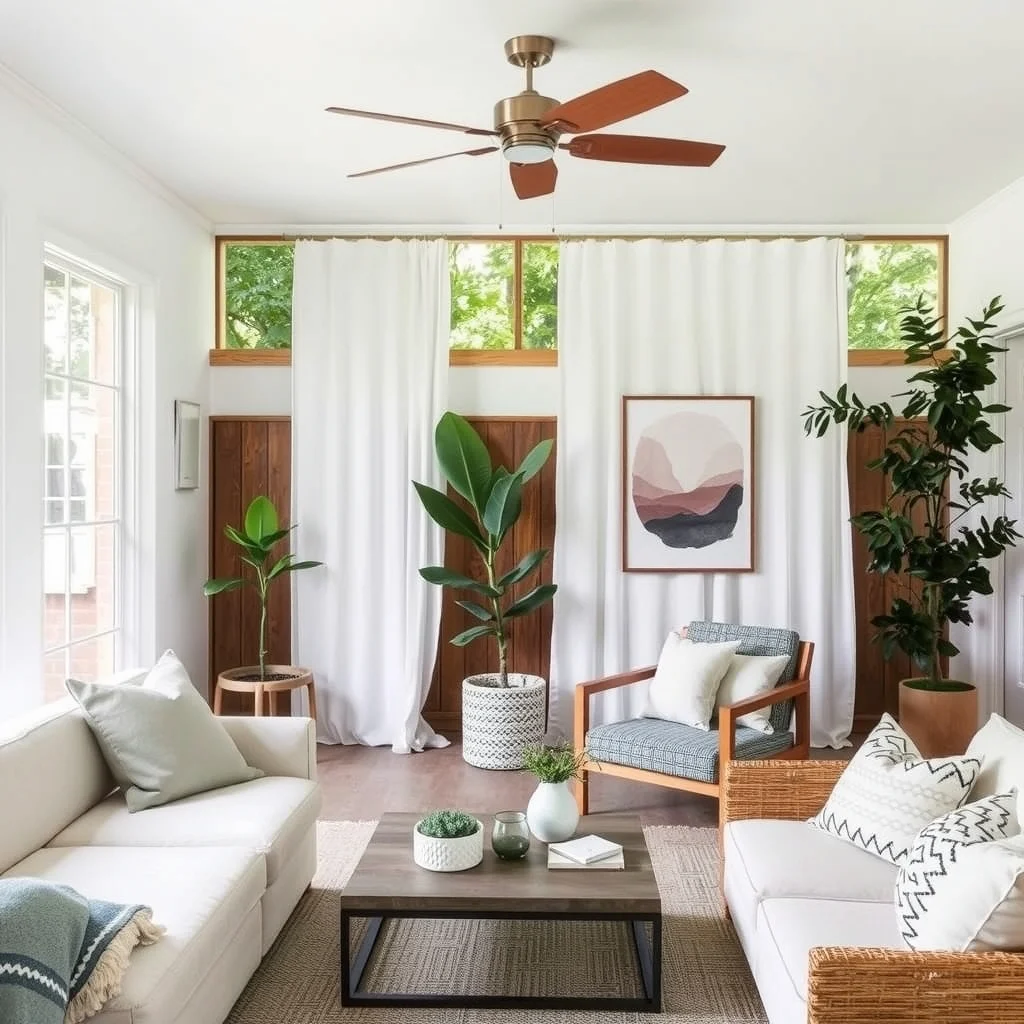
Suspending weather‑resistant curtains from a pergola creates an instantly adjustable privacy screen that can be drawn back for sun or pulled closed for seclusion. Choose fabric in a neutral shade such as soft greige or muted sage; these tones complement most outdoor palettes and hide dust better than stark white. The curtains should be attached with stainless‑steel grommets and a sturdy rod that can support wind without sagging. When the sun is low, the fabric filters light, casting a gentle glow over the seating area while reducing glare on a dining table. For evenings, the curtains soften the view of neighboring houses, making the space feel more intimate. Keep in mind that fabric will need occasional cleaning—most outdoor curtains are machine washable, but a gentle cycle and air‑drying preserve color. Heavy winds may require the curtains to be tied back or removed temporarily.
5. Reclaimed Wood or Metal Trellis with Potted Shrubs
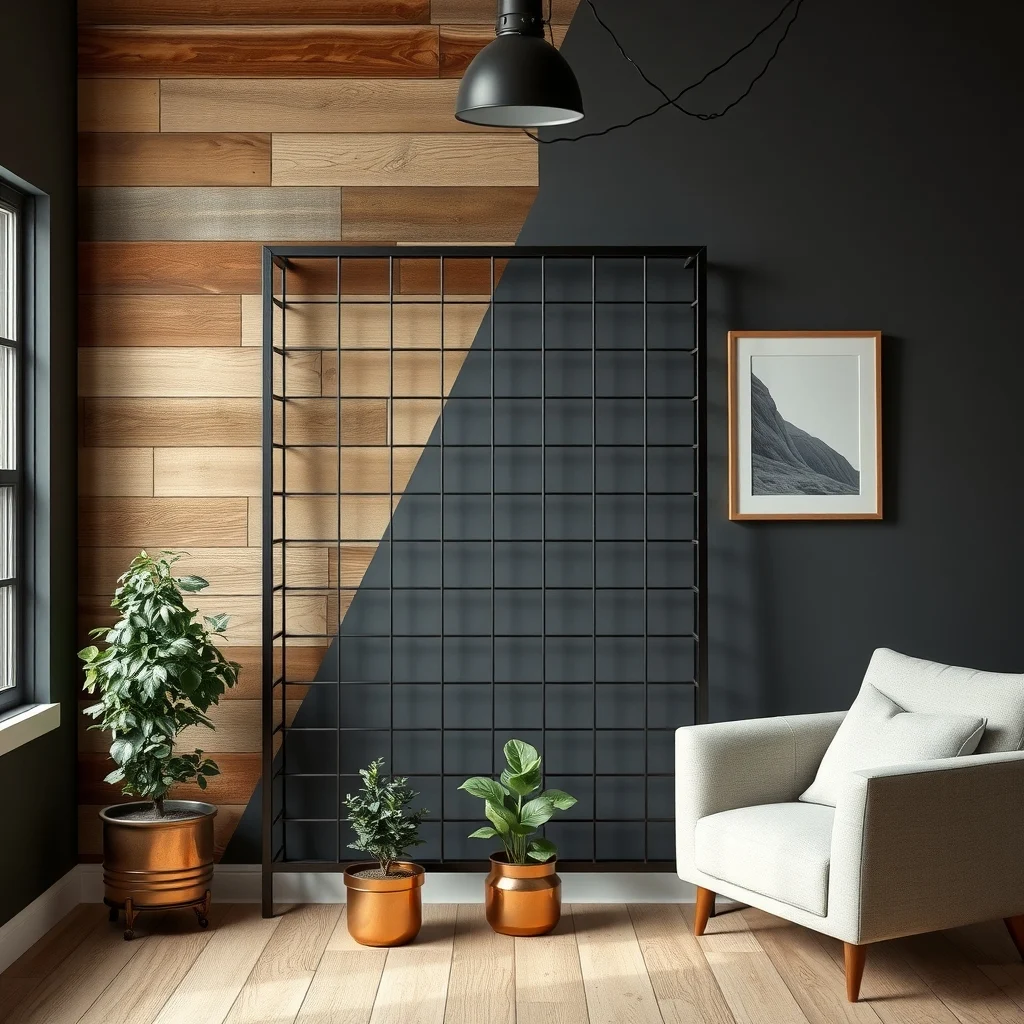
A rectangular trellis constructed from reclaimed barn wood or blackened steel adds a rustic or industrial accent while supporting a selection of container‑grown shrubs. Fill large, weather‑proof pots with dwarf boxwood, Japanese holly, or dwarf loropetalum, and arrange them along the trellis. The combination of solid panels and dense foliage blocks sight lines without the permanence of a built‑in wall. Because the plants are in pots, you can swap species seasonally—perhaps lavender in summer for fragrance, then switch to evergreens for winter coverage. The trellis itself can be anchored to the ground with concrete footings or weighted with sandbags for stability. A consideration is the weight of the soil; ensure the trellis is engineered to support the load, especially if using heavy stone or terracotta pots.
6. Shade Sails Combined with Tall Planters
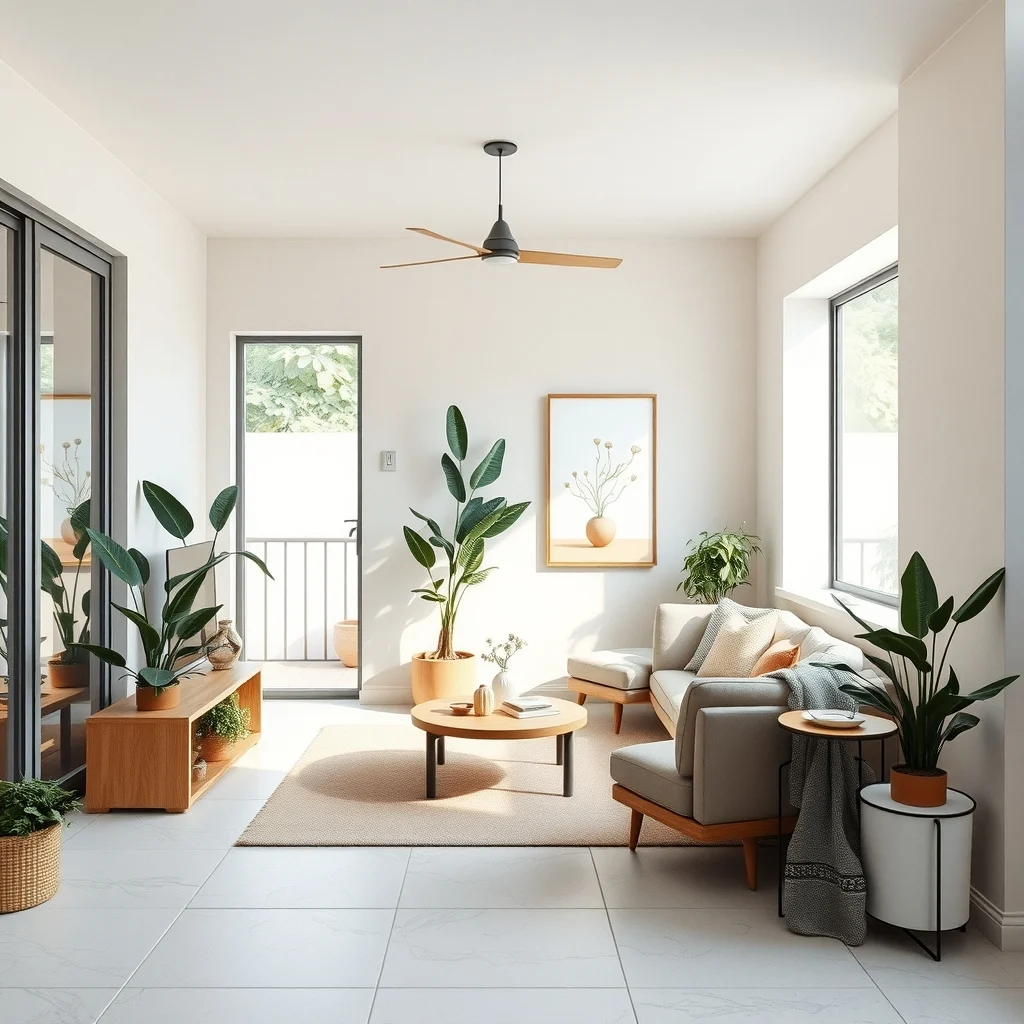
Modern shade sails, stretched taut over a patio, provide a sleek canopy that also serves as a visual barrier. Pair the sail with tall planters—think 5‑foot concrete cylinders—filled with columnar plants like Italian cypress or dwarf Italian ryegrass. The sail’s angled surface redirects sight lines upward, while the planters create a vertical element that fills the space between the sail and the ground. Choose a sail in a muted charcoal or deep navy; these colors absorb heat less than bright shades and blend with most exterior palettes. Installation requires sturdy anchor points on either side of the patio, and the tension must be checked regularly to prevent sagging. The main limitation is that shade sails are most effective when the sun path aligns with the intended privacy direction; otherwise, supplemental screens may be needed.
7. Multi‑Level Deck with Built‑In Privacy Walls
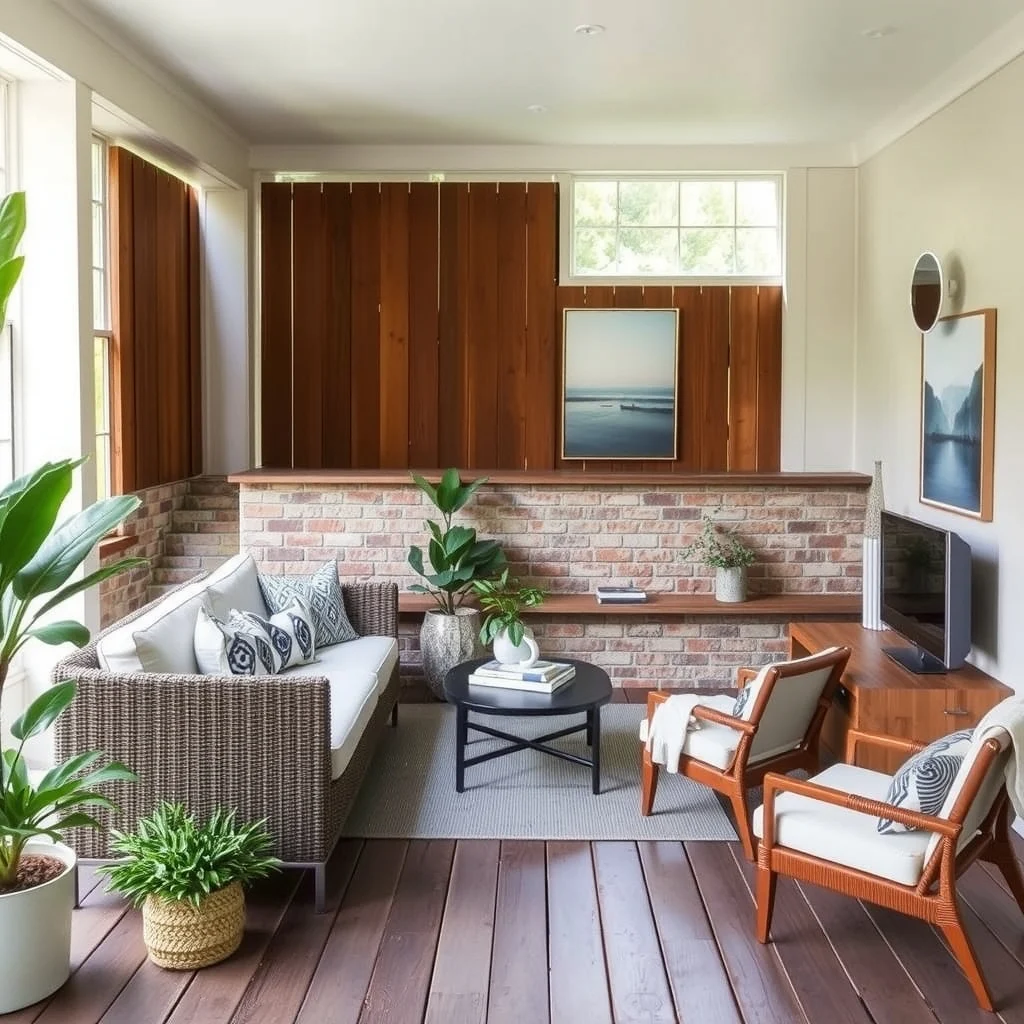
Designing a deck that steps down from the house creates natural layers, each of which can incorporate a built‑in privacy wall made from composite decking, stone, or reclaimed brick. These walls can be capped with a narrow planter box that holds low‑maintenance succulents or dwarf ornamental grasses. The stepped layout breaks up the line of sight, making it harder for neighbors to peer directly into the lower level. Integrate recessed lighting along the top of the wall to highlight the texture at night and to provide a soft glow for evening gatherings. Because the walls are part of the deck’s structure, they add durability and reduce the need for separate fence installations. One drawback is the higher upfront cost and the need for proper footings; consulting with a contractor ensures the deck meets local building codes.
FAQ
How tall should a privacy screen be to block neighbors’ views?
A screen that reaches at least six feet typically prevents most direct sight lines from an adjacent yard. If the neighboring property is on a higher elevation, consider extending the height to eight feet or adding a secondary layer such as climbing vines.
Can I use low‑maintenance plants for privacy?
Yes, plants like arborvitae, dwarf boxwood, and Japanese holly require minimal pruning and retain their shape year after year. Selecting evergreen varieties ensures the screen stays effective through the winter months.
Do outdoor curtains need special hardware?
Outdoor curtains should be hung with rust‑proof grommets and a stainless‑steel rod that can withstand wind. Using a tension‑adjustable system helps keep the fabric taut and prevents flapping during breezy evenings.
Is a shade sail a good substitute for a solid fence?
A shade sail provides partial visual blockage and reduces glare, but it does not create a completely opaque barrier. Pairing it with tall planters or a lattice adds the necessary density for full privacy.
What maintenance does a bamboo screen require?
Clumping bamboo needs an annual trim to control height and a rhizome barrier to keep the roots from spreading. Regular watering during the first growing season helps establish a strong root system, after which the plant becomes relatively drought‑tolerant.
Final Thoughts
Balancing openness with seclusion in a backyard is less about hiding the space and more about shaping it with thoughtful layers. Whether you lean toward living walls, fabric drapes, or structured decks, each option offers a distinct texture and level of control. By considering the growth rate of plants, the durability of materials, and the way light moves across the area, you can craft a private oasis that feels both inviting and functional. The key is to choose elements that complement your lifestyle and the existing landscape, allowing you to enjoy the outdoors without feeling exposed.