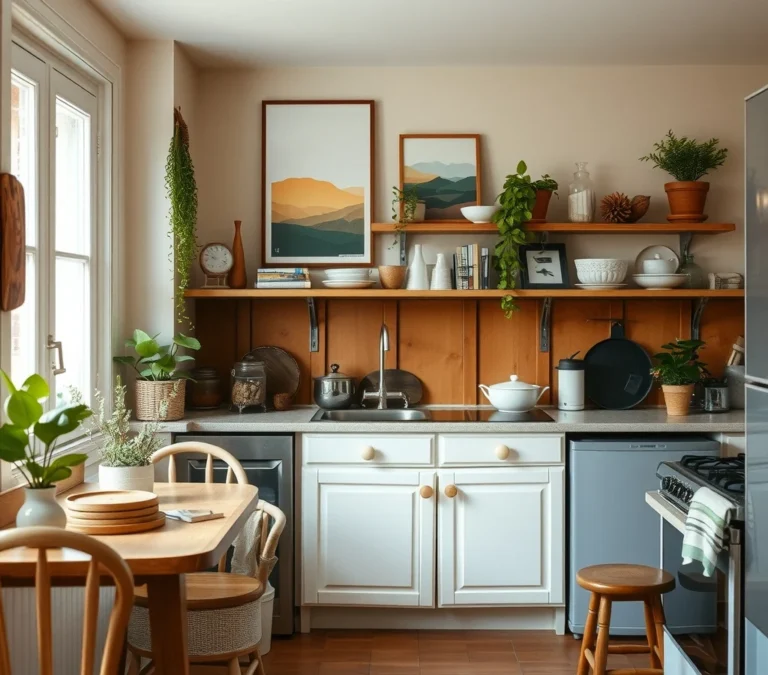
Homegrown Vegetable Garden Ideas for Families and Beginners
Welcome to a cozy space where fresh veggies grow right at home. You can turn a spare corner, a windowsill, or a small patio into a place that brings color, taste, and a sense of calm.
These ideas need little money, simple tools, and a bit of patience. Follow each step, and you’ll see seedlings sprout, children smile, and meals become brighter.
1. Raised Bed Kitchen Garden
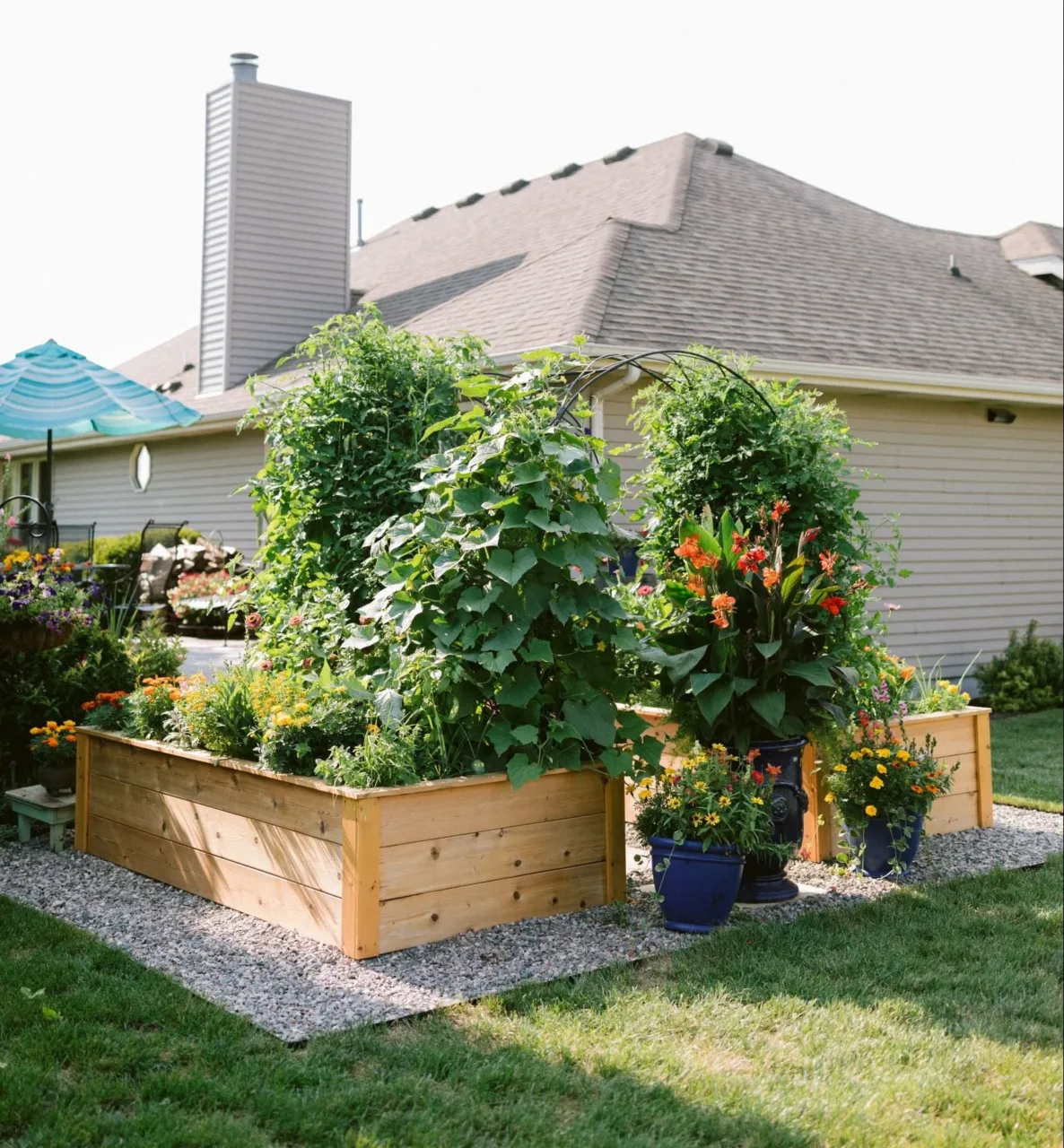
A wooden raised bed sits on the patio, filled with dark soil and bright green leaves. The tidy shape fits well with a metal table and a few garden chairs, creating a neat outdoor kitchen feel.
Build the bed from cedar planks, screw the sides together, and line the bottom with landscape fabric. Fill it with a mix of compost and garden soil, then plant tomatoes, beans, and herbs in rows.
Keep the soil moist by watering in the early morning. In hot weeks you may need a hose with a gentle spray, which can be a bit noisy for close neighbors.
2. Window Box Herb Shelf
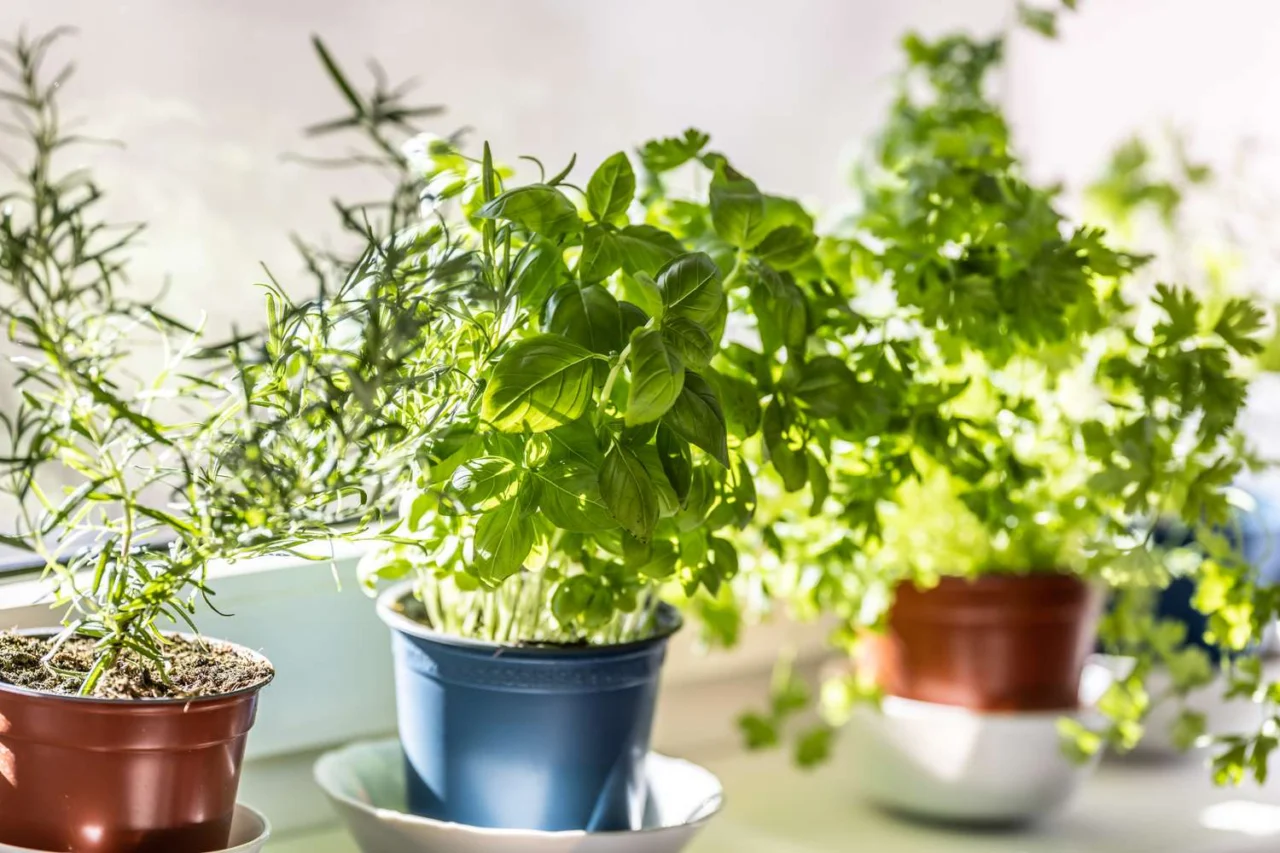
A narrow box rests on a sunny windowsill, holding rosemary, basil, and mint that spill over the edge. The bright green leaves add a fresh look to the room and match the soft curtains.
Use a recycled plastic tray, drill a few drainage holes, and add a light potting mix. Plant each herb in its own spot, leaving room for growth.
Make sure the box gets at least six hours of light each day. In summer the sun can be too strong, so a sheer curtain may be needed to avoid leaf burn.
3. Vertical Pocket Planter on a Wall
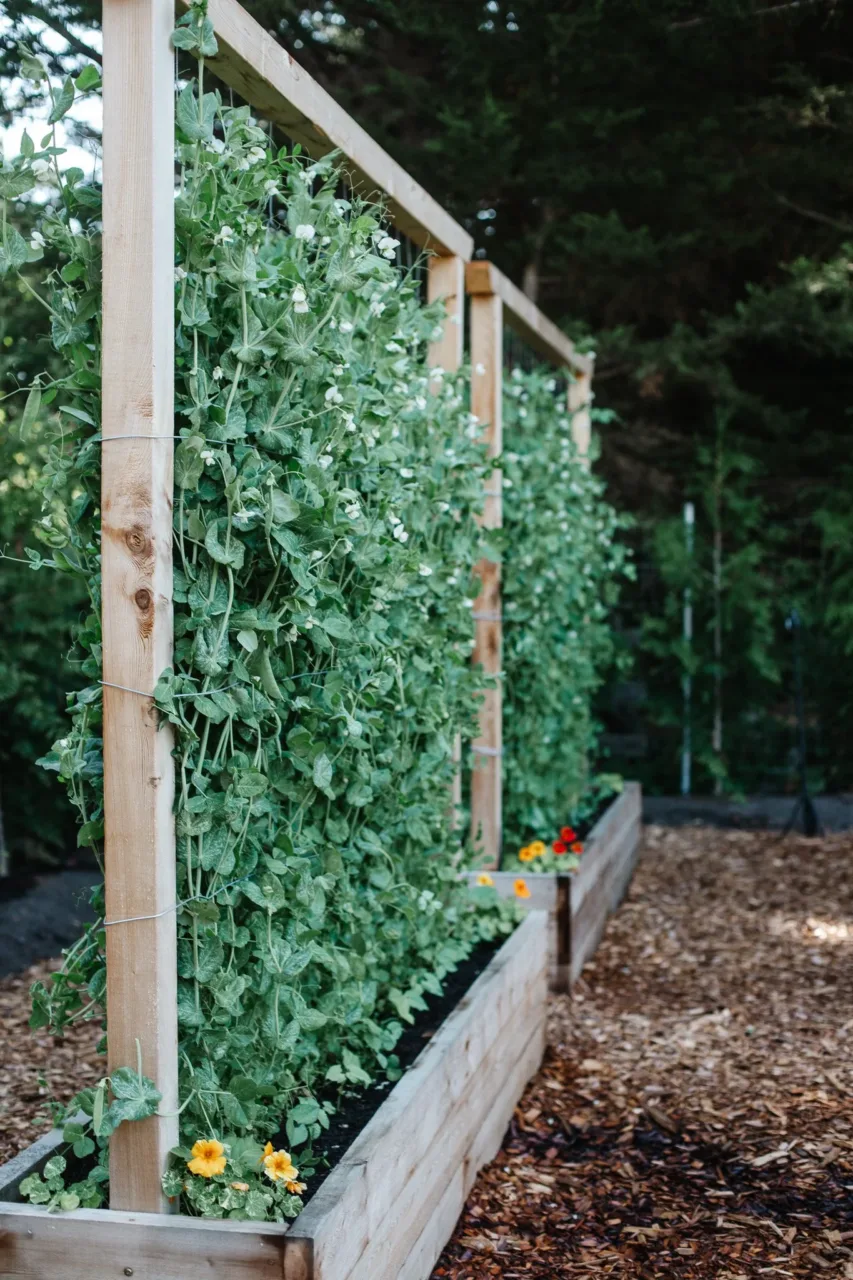
Fabric pockets hang on a sturdy kitchen wall, showing rows of lettuce and spinach. The soft folds of the fabric create a gentle texture that blends with wooden cabinets.
Attach a pocket system with strong hooks, fill each pocket with a light soil blend, and plant seedlings close together. Water from the top, letting excess drip into a tray below.
Watch the weight as plants grow; heavy soil can pull the pockets down. Light soil and regular checking keep the wall safe and the greens healthy.
4. Kitchen Counter Micro‑Garden
A shallow metal tray sits on the counter, holding tiny radish sprouts that add a pop of red. The sleek surface reflects light from the ceiling lamp, making the space feel bright.
Spread a thin layer of seed‑starting mix, sprinkle radish seeds, and mist gently. Place the tray near a sunny window or under a small grow lamp.
Harvest in about three weeks, then clean the tray with warm water. The fast cycle means you need to reseed often, which can feel busy for some families.
5. Garden Corner with a Small Table

A low oak table creates a kid‑friendly garden corner, with pots of cherry tomatoes and carrots placed around it. The natural wood tone matches the garden tools stored underneath.
Arrange three medium pots on the table, fill them with rich compost, and sow seeds at the recommended depth. Add a small watering can nearby for easy access.
Soil may spill when children move the pots, so a rubber mat helps protect the floor. The mat can be rolled up when you want a cleaner look.
6. Indoor Grow Light Shelf
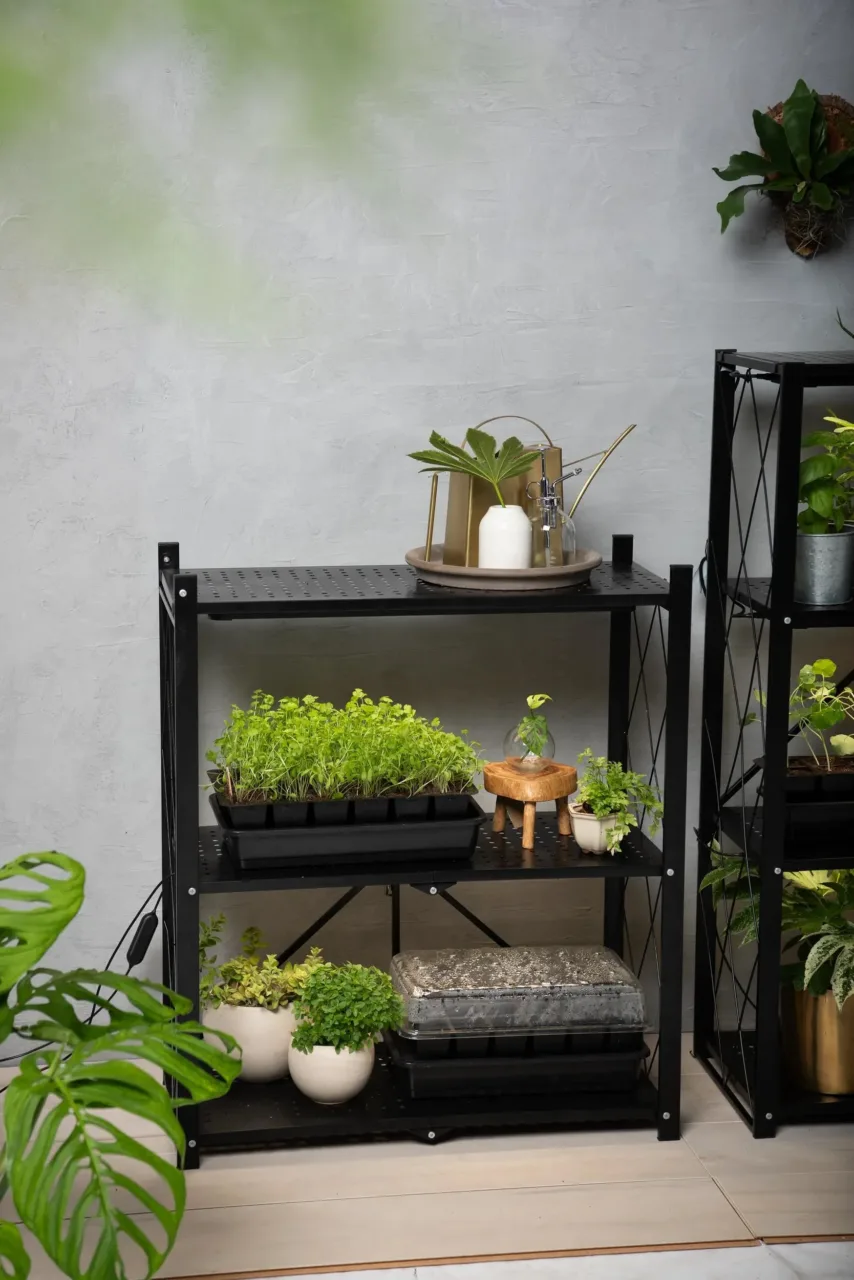
A narrow shelf holds rows of leafy greens under soft white LED lights, casting a gentle glow in the room. The clean lines of the shelf fit well with a minimalist décor.
Mount the shelf near a wall, install clip‑on grow lights, and place pots of kale and arugula on each level. Set the lights on a timer for twelve hours a day.
Electricity use adds a small cost, and the lights can be bright at night. A dimmer switch can soften the glow if it feels too strong.
7. DIY Compost Bin in a Closet
A closed bin tucked in a pantry corner holds kitchen scraps, turning waste into dark, rich soil. The lid keeps odors hidden and matches the simple white cabinet doors.
Use two plastic buckets, one inside the other, and add a layer of newspaper between them. Add fruit peels, vegetable tops, and coffee grounds, turning the pile each week.
The bin needs space and a lid that fits tightly; otherwise insects may be attracted. A simple charcoal filter can help keep smells under control.
FAQ
How much sunlight do indoor veggies need?
Most indoor vegetables need at least six hours of direct sunlight each day. A bright kitchen window or a grow light can provide the needed light, especially in winter months.
Can I grow veggies in a small apartment?
Yes, you can grow many veggies in containers, window boxes, or a tiny balcony. Choose compact varieties like lettuce, herbs, and cherry tomatoes, and use vertical space to save room.
What soil is best for beginners?
A mix of potting soil and compost works well for most starter gardens. The blend holds moisture while draining excess water, keeping roots healthy.
How often should I water my garden?
Check the top inch of soil; water when it feels dry to the touch. In hot weather you may need to water daily, while cooler months require less.
Do I need special tools to start a home garden?
You only need a few basic tools such as a small trowel, a watering can, and gloves. Many tasks can be done with everyday items like a kitchen spoon or a plastic cup.