11 Cheap Rental Apartment Decorating Ideas That Feel Like Home
Living in a rental often means working within limits: you can’t tear down walls, replace flooring, or paint over the landlord’s color choices. Yet a personal touch doesn’t have to come with a hefty price tag or a permanent commitment. The following ideas show how simple swaps, clever placement, and a few affordable accessories can transform a modest lease into a space that reflects your style and comfort. Each suggestion is designed to be removable, budget‑friendly, and adaptable to different floor plans, so you can enjoy a fresh look without worrying about the next move.
1. Peel‑and‑Stick Wallpaper for an Instant Accent
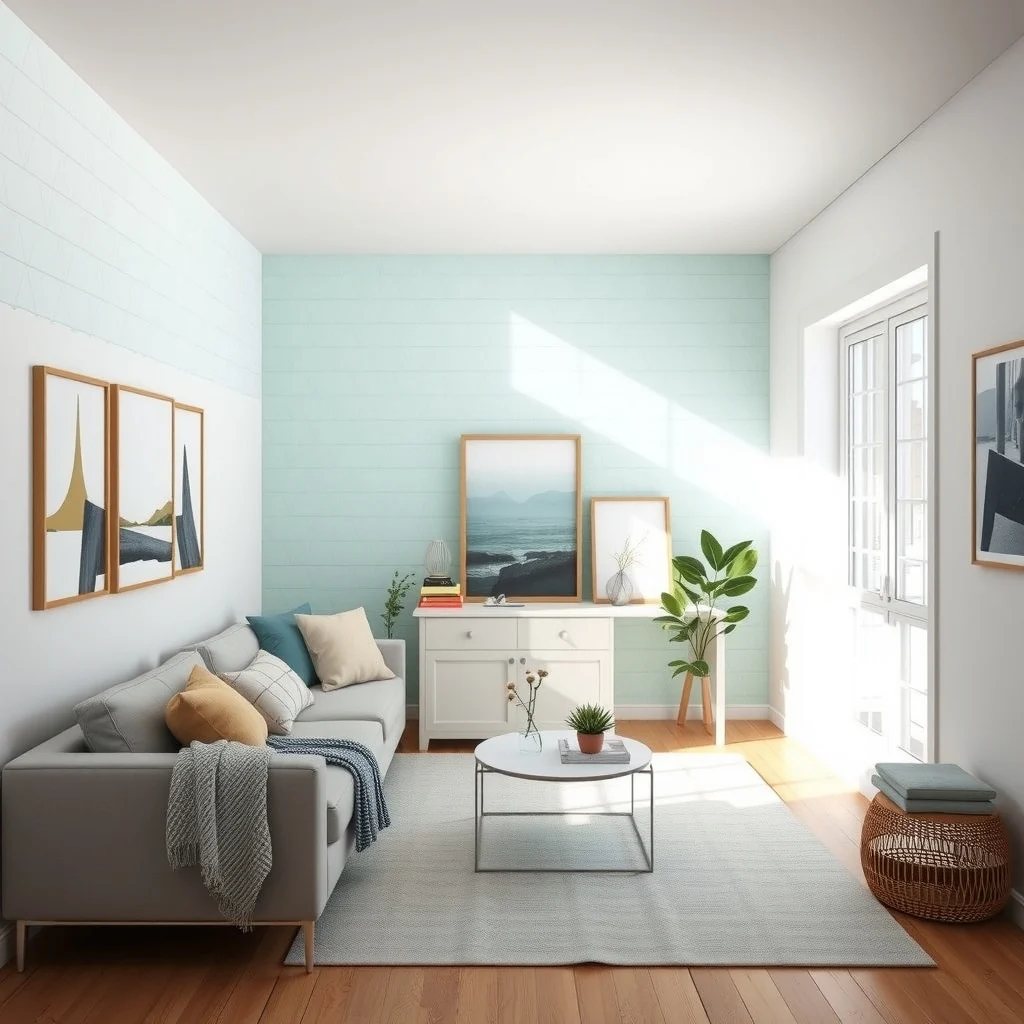
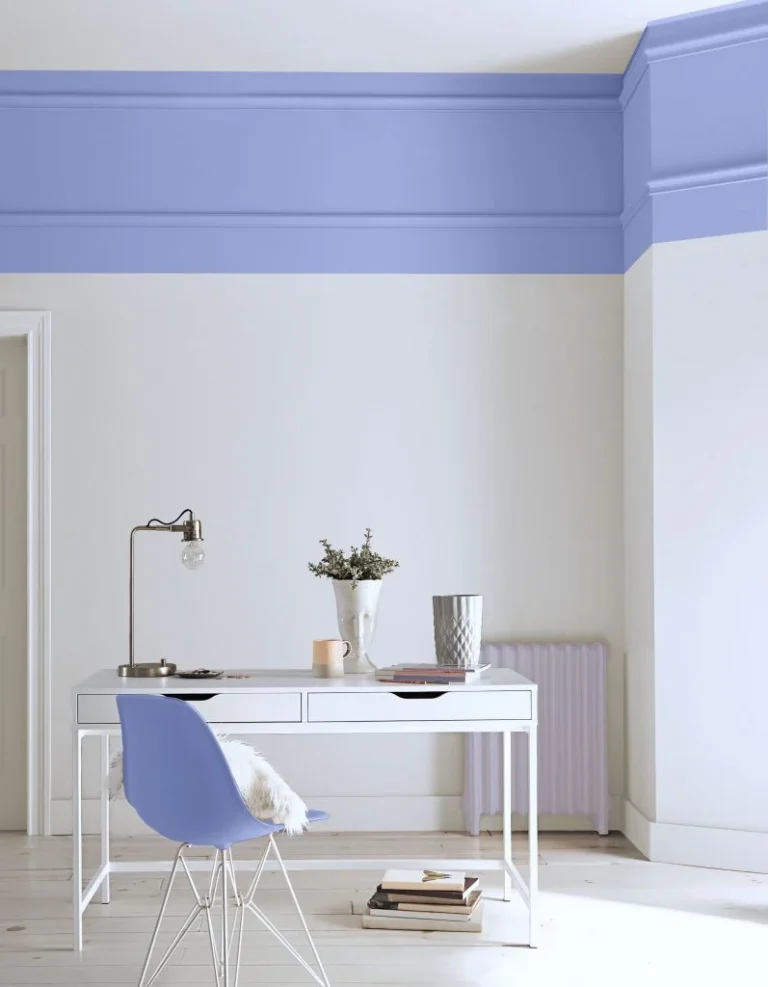
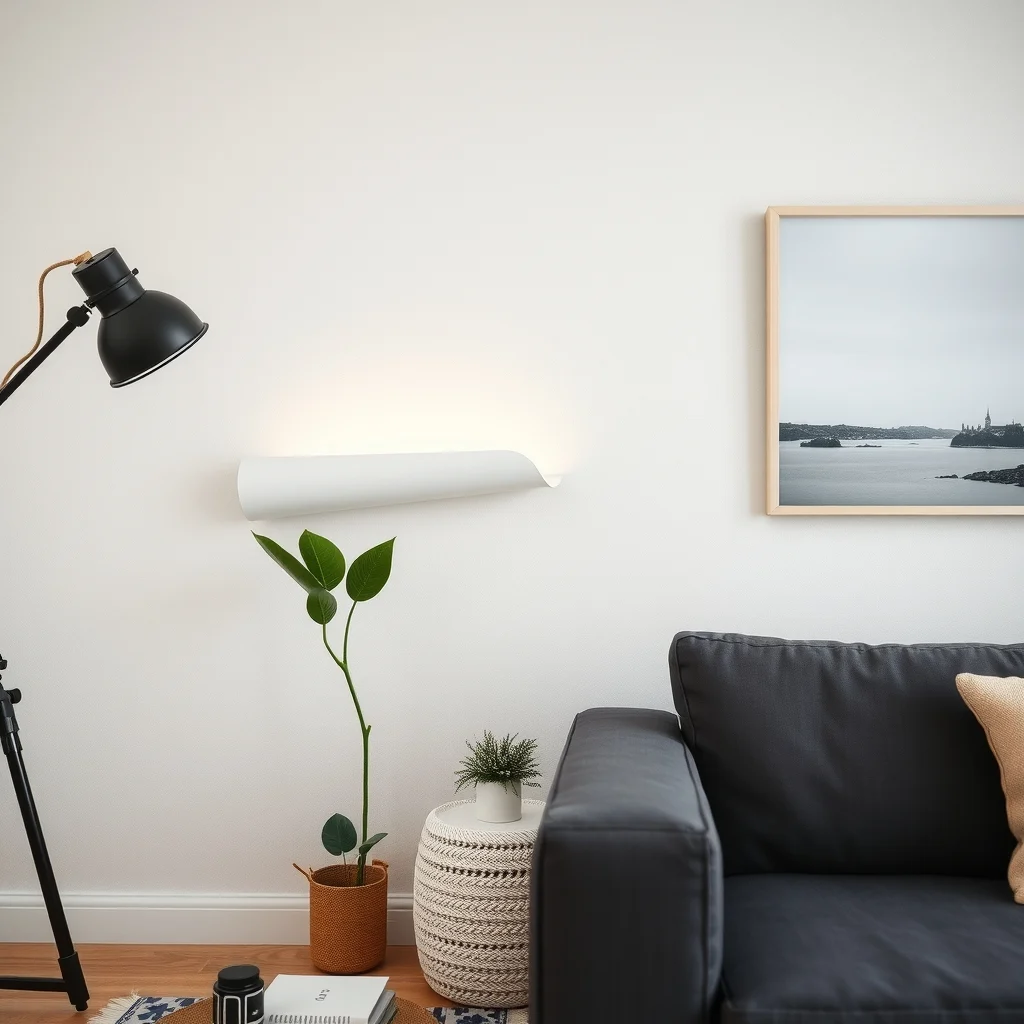
One of the quickest ways to add pattern or color to a blank wall is with peel‑and‑stick wallpaper. Modern versions adhere with a gentle adhesive that can be removed without leaving residue, making them perfect for renters. Choose a geometric print for a modern living room or a subtle botanical motif for a bedroom. When applied to a single wall, the paper creates a focal point that draws the eye without overwhelming the room. Installation is as simple as measuring the wall, cutting the sheets to size, and smoothing them out with a credit card to avoid bubbles. If the lease ends, the sheets peel away cleanly, leaving the original paint untouched. The main trade‑off is that very textured or heavily patterned designs can make a small room feel tighter, so opting for a lighter print in compact spaces works best.
A More Beautiful Home
Starts With a Smart Plan.
Discover digital decorating guides, home organization planners and practical resources to help you make the most of your space.
Get more inspiration for less.
Livana Studio
2. Removable Wall Decals to Personalize Space
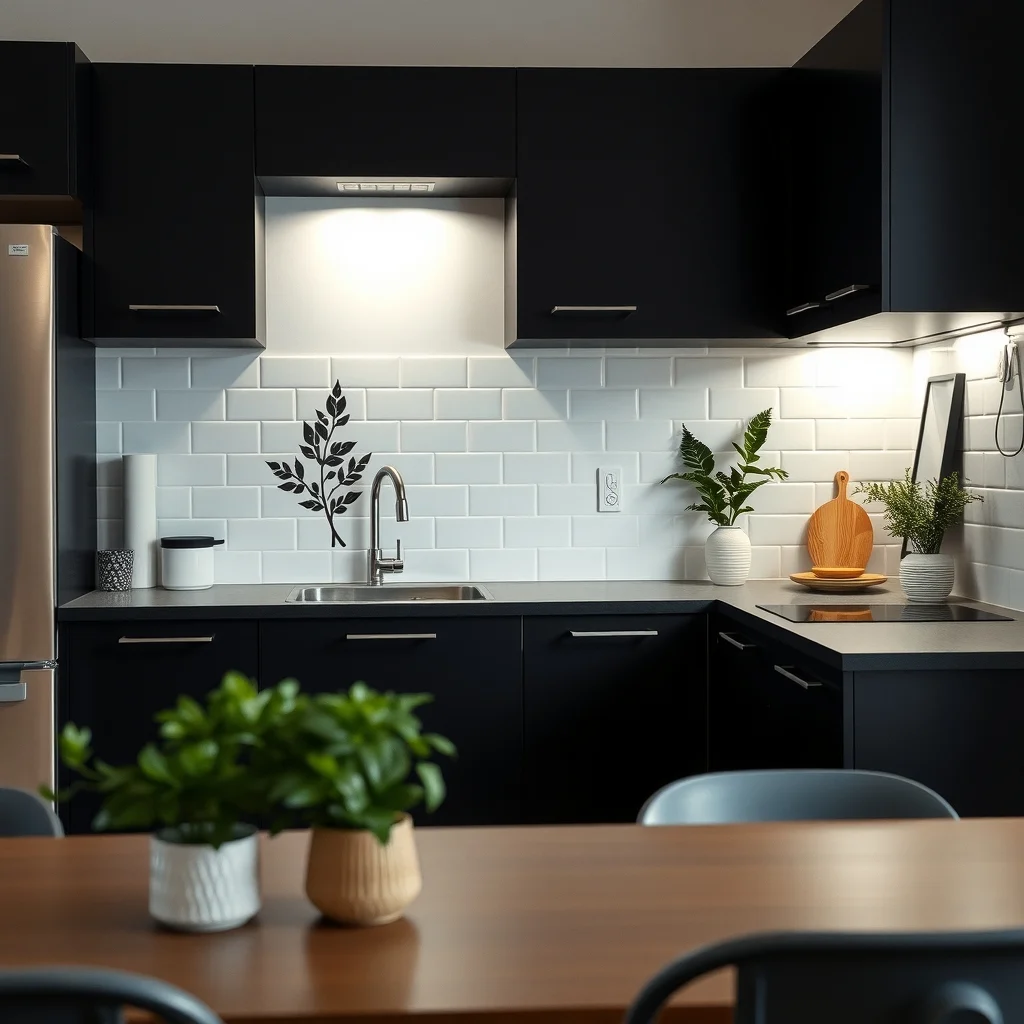
Wall decals offer a playful alternative to paint or wallpaper. They come in shapes ranging from abstract lines to nature‑inspired silhouettes, and most are made from vinyl that sticks and peels without damaging the surface. A cluster of leaf‑shaped decals above a desk can soften a home office, while a series of simple typographic quotes on a hallway wall adds personality without clutter. Because each piece is lightweight, you can rearrange them whenever you crave a new look. The downside is that very large decals may be harder to align perfectly, so starting with smaller units and building a composition gradually helps achieve a balanced effect.
3. Multi‑Functional Furniture that Saves Space and Money
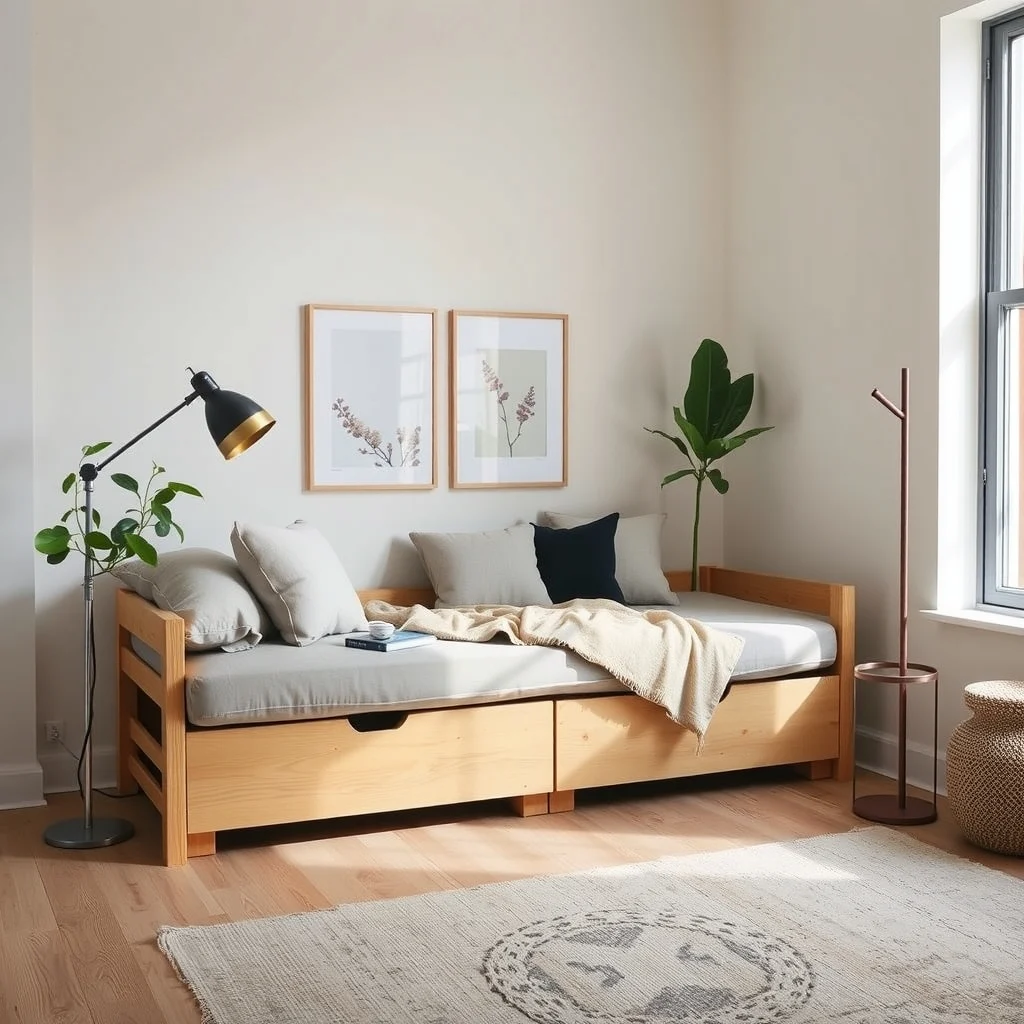
In a rental, square footage is often at a premium, so furniture that serves more than one purpose can stretch both your budget and your floor plan. A daybed with hidden storage drawers provides seating, a sleeping surface, and a place to tuck blankets or seasonal clothing. Likewise, an ottoman that opens to reveal a compartment offers a footrest and a discreet stash for remote controls or magazines. When selecting pieces, prioritize sturdy frames that can endure frequent moves and neutral finishes that blend with different color schemes. Keep in mind that built‑in storage reduces the interior volume of the item, so choose dimensions that still feel comfortable for sitting or sleeping.
4. DIY Floating Shelves Made from Reclaimed Wood
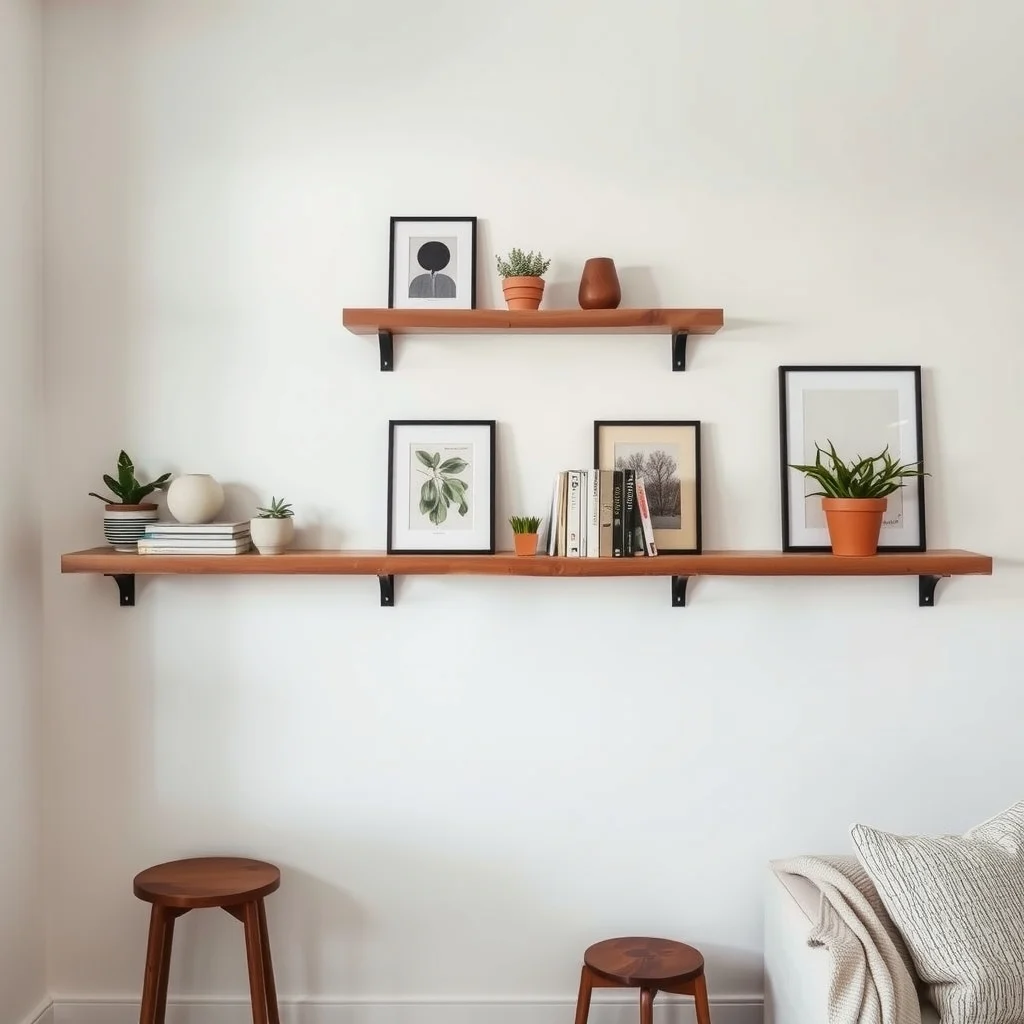
Floating shelves give you display space without taking up floor area, and building them yourself can be both economical and satisfying. Source reclaimed pine or reclaimed barn wood from a local salvage yard; these materials often cost less than new lumber and bring a sense of history to the room. Cut the boards to the desired length, sand the edges, and finish with a clear matte sealant to protect against spills. Brackets hidden behind the shelf create the floating illusion, and the installation only requires a few wall anchors that won’t damage the surface when removed later. The primary consideration is weight capacity—lightweight decorative items such as ceramics or books are ideal, while heavy objects may require sturdier hardware or a different mounting strategy.
5. Statement Lighting on a Budget
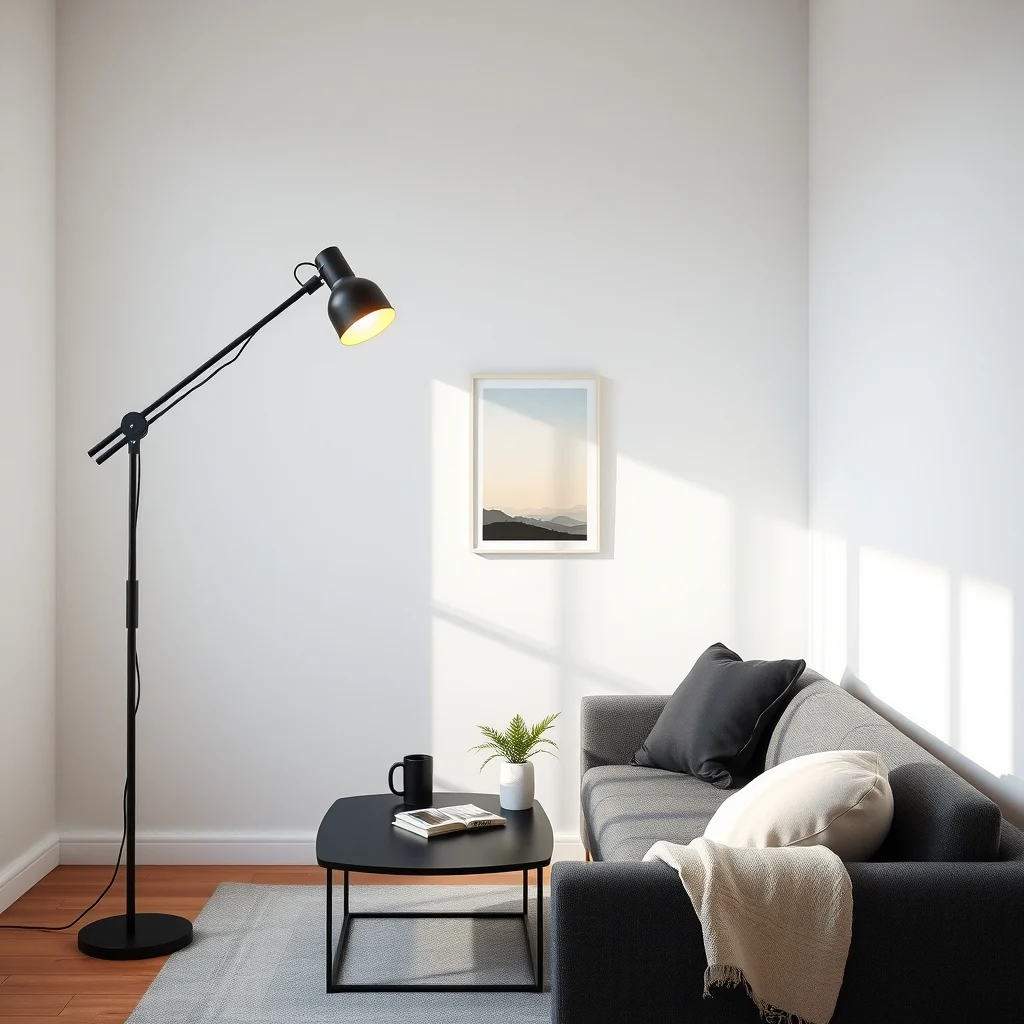
Lighting can define the mood of a room as much as color or texture. A sleek floor lamp with an adjustable arm can replace a costly pendant, offering both ambient glow and task lighting for reading corners. Choose a lamp with a matte metal finish or a woven shade to add visual interest without clashing with existing décor. For a pop of personality, consider a table lamp featuring a patterned ceramic base that doubles as a decorative accent. Because lighting fixtures are generally easy to move, you can experiment with placement until the illumination feels just right. The drawback is that very low‑wattage bulbs may not provide enough brightness for larger spaces, so pairing the floor lamp with a simple plug‑in wall sconce can fill any gaps.
6. Area Rugs to Anchor Rooms and Add Texture

An area rug introduces warmth, defines zones, and protects flooring—all without permanent alteration. A low‑pile rug in a neutral hue works well under a sofa, creating a cohesive base that ties together cushions, coffee tables, and artwork. If you prefer a splash of color, a patterned rug can become the centerpiece of a bedroom, allowing you to keep walls and furniture more subdued. When selecting size, ensure at least the front legs of major furniture pieces rest on the rug; this arrangement creates a balanced visual flow. The main limitation is that rugs can shift on smooth surfaces, so a non‑slip pad underneath helps keep them in place and adds extra cushioning.
7. Open Shelving Using Sturdy Crates
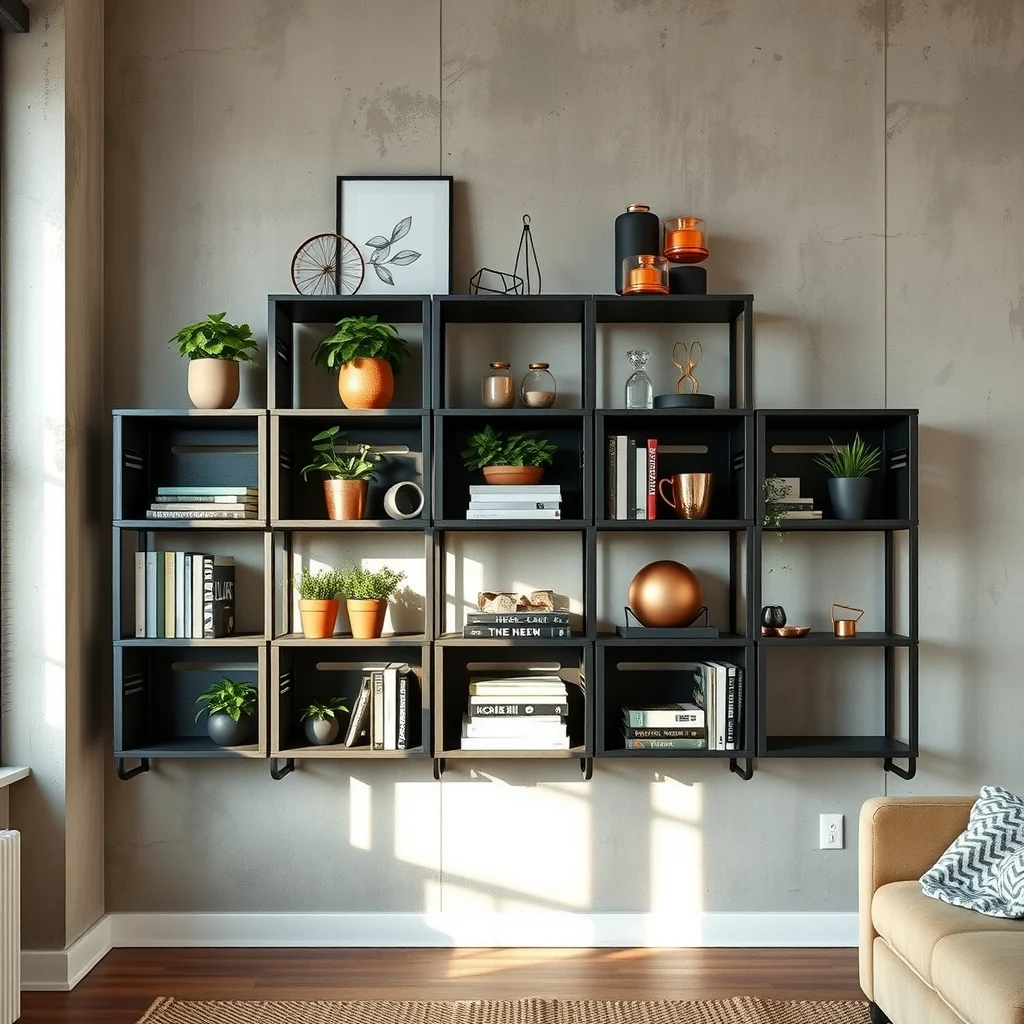
Open shelving doesn’t have to involve expensive built‑ins. Wooden crates, often used for storage or shipping, can be stacked and secured to create a modular shelving system that feels industrial yet inviting. Paint the crates in a soft matte white or a muted teal to match your palette, then line the interior with fabric or paper to protect items from scratches. Place the assembled unit against a wall to display books, plants, and decorative bowls. Because crates are lightweight, you can rearrange them as your collection evolves. A potential downside is that the open design offers little protection from dust, so regular cleaning is required to keep displayed objects looking fresh.
8. Living Greenery for Freshness and Color

Plants instantly soften hard edges and introduce a natural hue that never feels out of style. A tall fiddle‑leaf fig in a woven basket can become a living room statement, while a row of small succulents on a windowsill adds subtle texture. Choose low‑maintenance varieties such as snake plant or pothos if you’re new to plant care; they tolerate irregular watering and low light. To avoid damage to rental flooring, place pots on felt pads or use a tray that catches excess water. The trade‑off is that some plants may outgrow their containers quickly, necessitating repotting or relocation, which can be a minor inconvenience but also an opportunity to refresh the arrangement.
9. Affordable Window Treatments with Custom Fabric
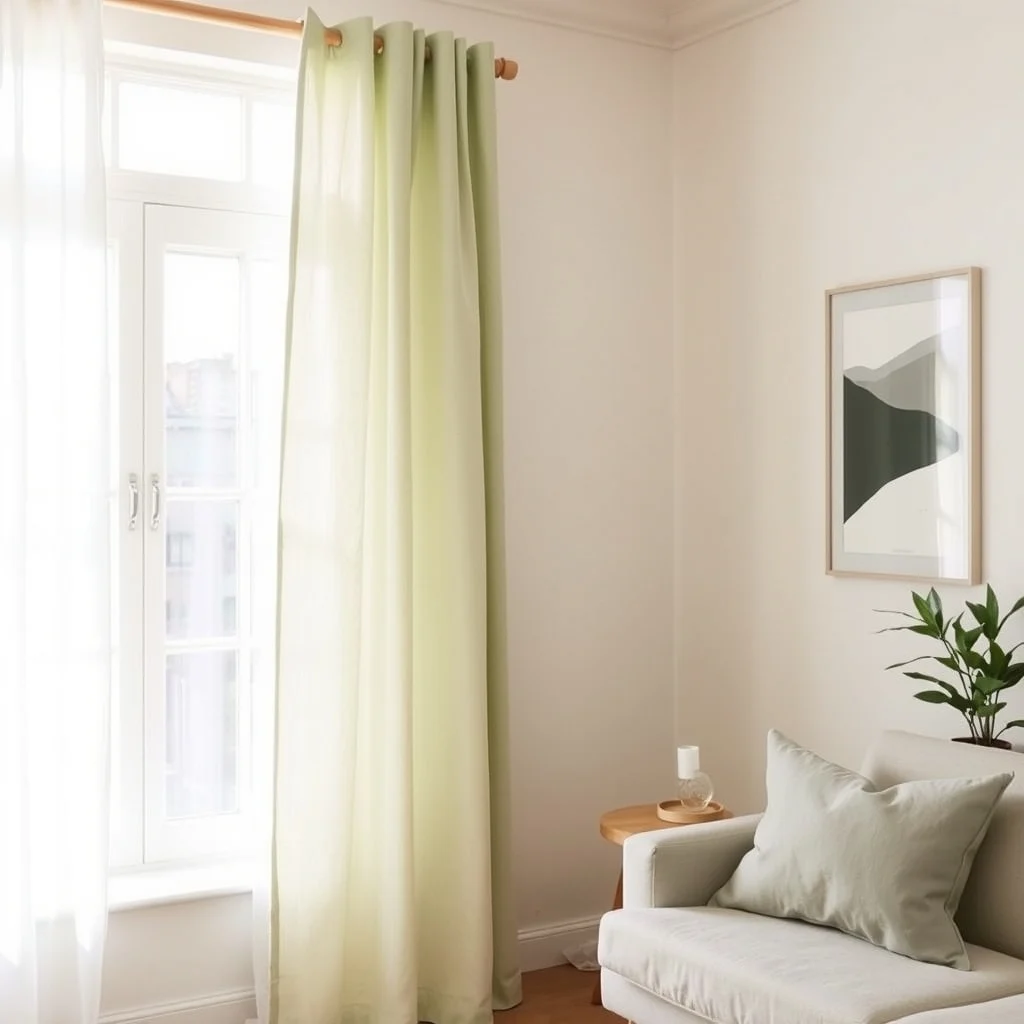
Standard rental blinds often look generic, but a simple fabric panel can transform a window into a design feature. Purchase a bolt of cotton or linen in a hue that complements your palette, then attach it to a tension rod that fits the window width without drilling. The fabric drapes softly, diffusing natural light and adding a tactile layer to the room. For added privacy, layer a sheer liner behind the main panel; it can be removed or swapped as seasons change. While tension rods are easy to install, they may not hold very heavy fabrics, so choosing a lightweight material ensures the rod stays secure.
10. Gallery Wall Using Inexpensive Frames
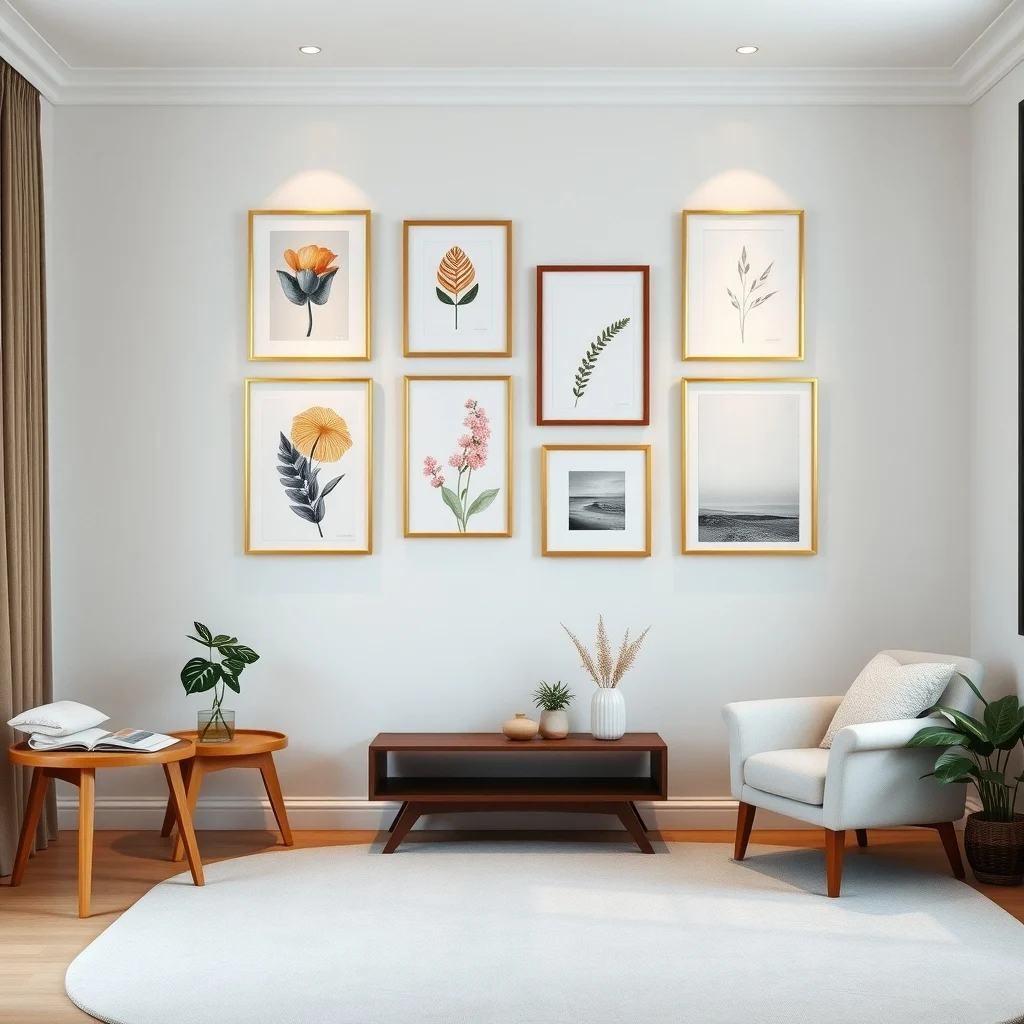
A curated gallery wall brings personality to an otherwise blank surface. Look for budget‑friendly frames at discount stores or online marketplaces; many offer simple wood or metal finishes that can be painted to match your décor. Arrange a mix of framed prints, abstract art, and perhaps a small black‑and‑white photograph—just be sure the images are free of personal likenesses, respecting the family‑safe guidelines. Lay the frames on the floor first to experiment with spacing, then hang them using removable adhesive strips that won’t damage paint. The main consideration is weight; very large frames may require traditional anchors, which could be less desirable in a rental.
11. Reversible Sofa Covers for Instant Style Shifts
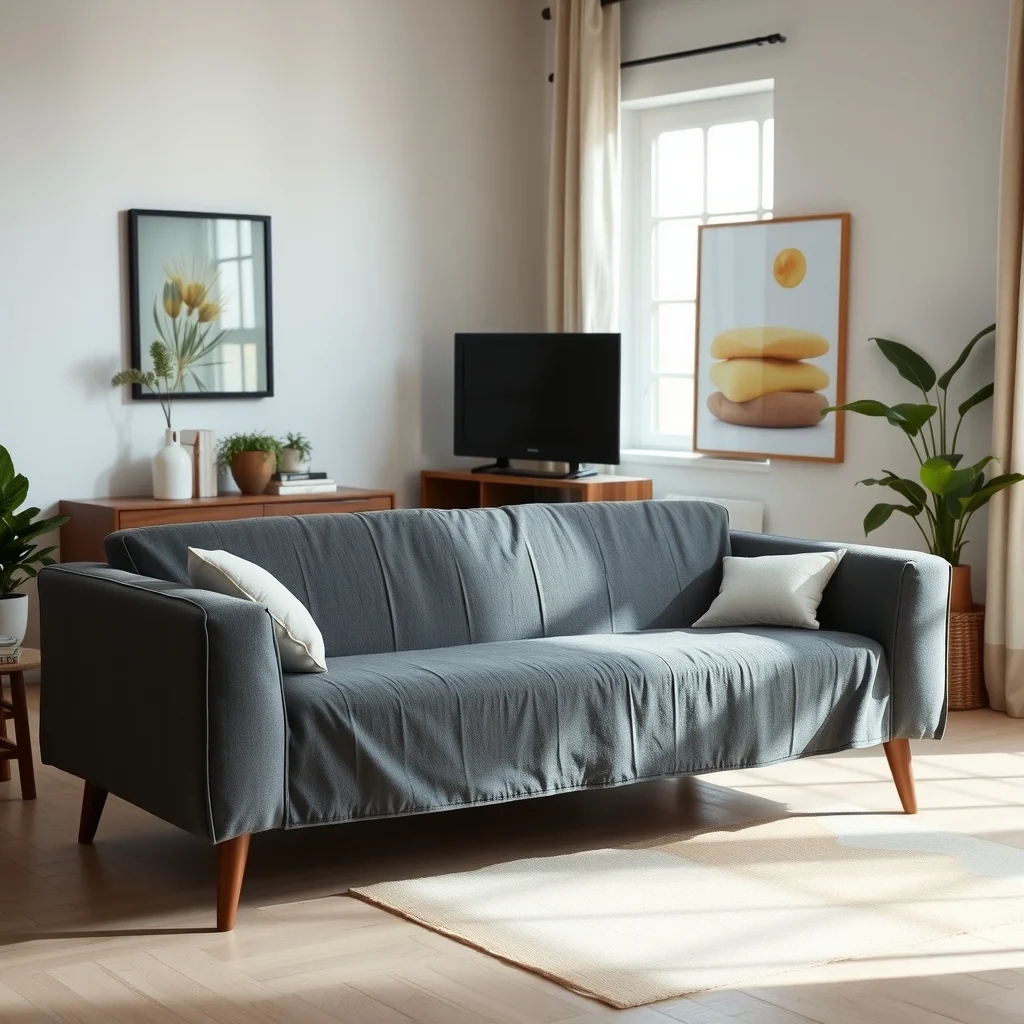
Changing the upholstery of a sofa is rarely an option in a rental, but a reversible cover can mimic that effect. Choose a cover made from a breathable blend such as cotton‑linen; one side might feature a muted stripe, while the reverse shows a soft solid color. Slip the cover over the existing couch, tuck the excess under the cushions, and secure any ties or elastic bands. This approach protects the original fabric from wear, adds a fresh look, and can be swapped seasonally—perhaps a darker hue for winter and a lighter tone for summer. The limitation is that covers may not fit every sofa shape perfectly, so measuring the dimensions beforehand helps avoid a loose or stretched appearance.
FAQ
Can I use peel‑and‑stick wallpaper on textured walls?
Peel‑and‑stick wallpaper adheres best to smooth surfaces; on textured walls it may bubble or not stick evenly. Lightly sanding the area or applying a thin primer can improve adhesion without altering the wall permanently.
What is the safest way to hang wall decals without damaging paint?
Apply decals to clean, dry walls and press firmly from the center outward. When removing, use a hairdryer on low heat to loosen the adhesive, then peel slowly to avoid pulling paint.
How do I choose a rug size that works for a small living room?
Select a rug that allows at least the front legs of your sofa and chairs to rest on it; this creates a cohesive zone while keeping the floor visible around the edges, preventing the space from feeling cramped.
Are there any plants that thrive in low‑light apartments?
Snake plant, ZZ plant, and pothos are well‑suited for dimmer environments; they require minimal watering and can tolerate the inconsistent light typical of many rentals.
What type of removable wall anchor is best for hanging lightweight frames?
Adhesive strips designed for picture hanging work well for frames under five pounds; they hold securely on most painted surfaces and leave no residue when removed.
Final Thoughts
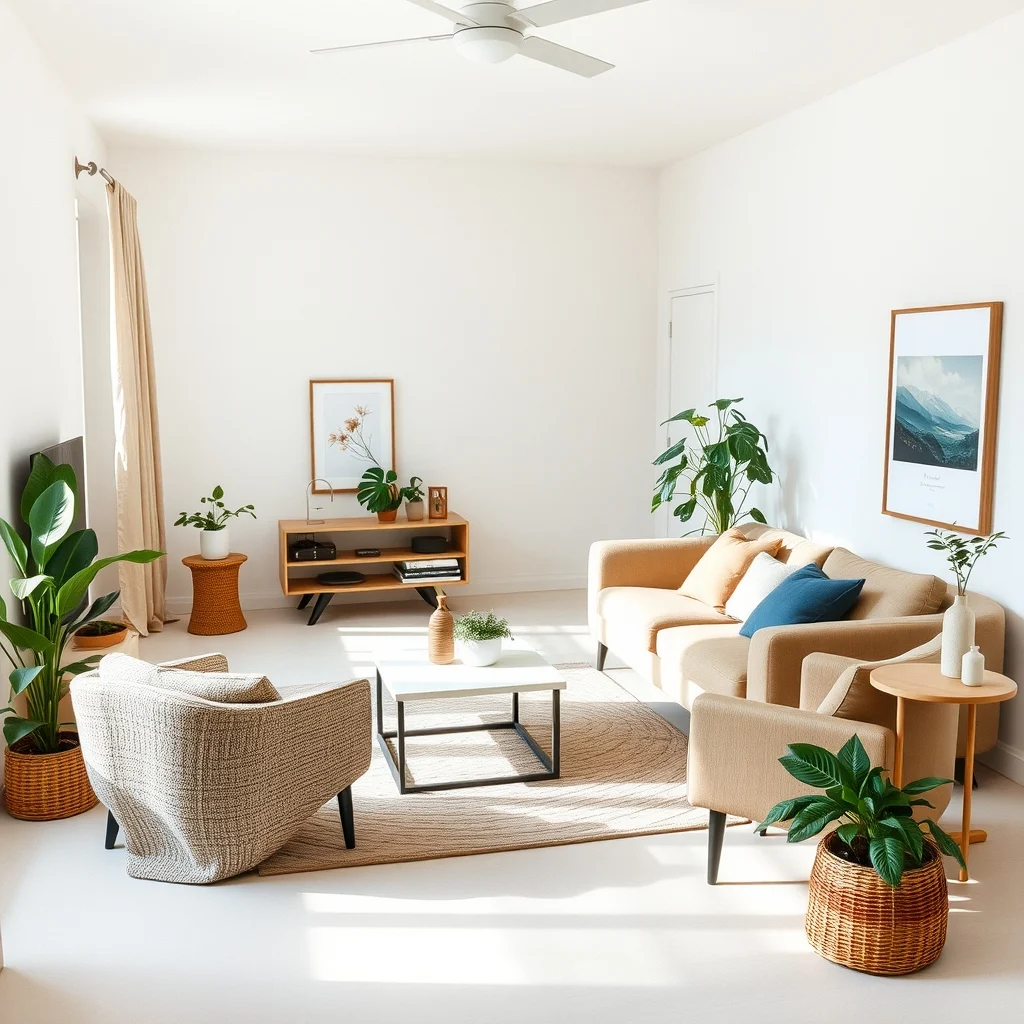
Decorating a rental doesn’t have to feel like a compromise. By focusing on removable finishes, versatile furnishings, and thoughtful accessories, you can create a space that feels uniquely yours while respecting lease restrictions. Each of the eleven ideas above balances cost, ease of installation, and aesthetic impact, giving you the freedom to experiment and evolve your home’s look over time. As you move forward, remember that the most inviting environments are those that reflect your daily habits and preferences—so choose the elements that bring you comfort, joy, and a sense of belonging.