Textured Wall Ideas That Add Character to Plain Rooms
A room with flat, blank walls feels empty. Try textured wall ideas.
Adding texture to a wall changes that feeling quickly. It adds depth, interest, and personality without a full remodel.
1. Subtle Grasscloth Wallpaper
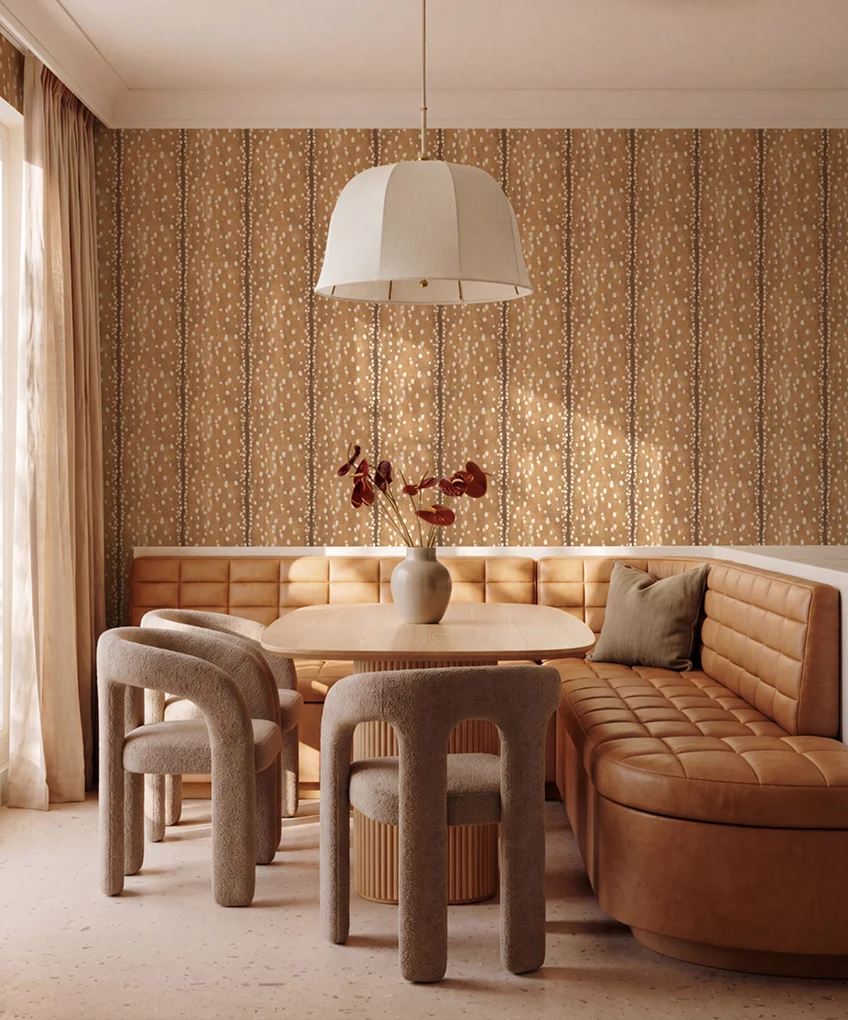
Grasscloth wallpaper feels like woven fibers stretched across the wall. The natural jute and bamboo strips add a soft, earthy texture. It works well in living rooms with light wood furniture or bedrooms with linen bedding.
Measure the wall and order a grasscloth roll that matches the height. Cut the paper at the top and bottom, leaving a few extra inches for trimming. Apply a water‑based paste with a smooth‑rolling tool, smoothing from center outward to avoid bubbles.
Grasscloth resists water, so spills should be vacuumed or brushed, not wiped with liquid. Choose a tightly woven pattern if you have pets, as it hides hair better.
2. Painted Wood Plank Accent
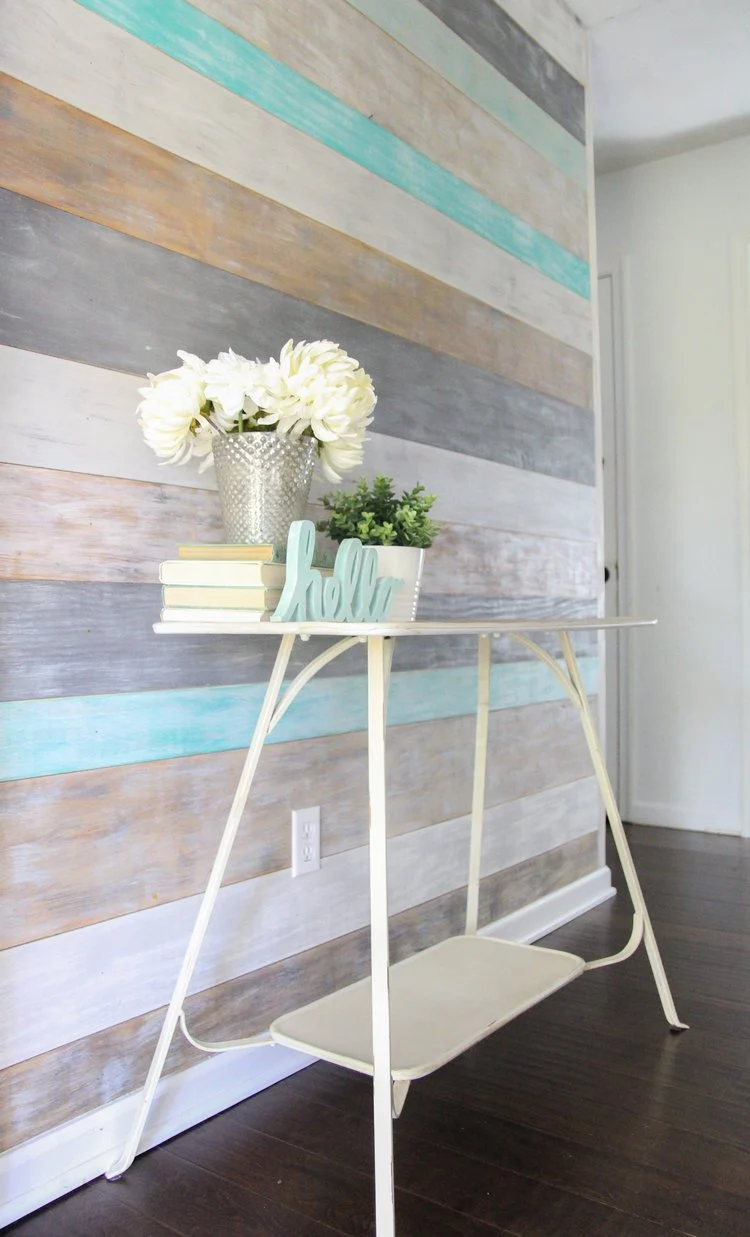
Thin horizontal wood planks painted sage green create a calm rhythm across the wall. The green tone adds a hint of nature while keeping the room bright. Pair the accent with white trim and simple décor for a balanced look.
Buy pre‑finished pine planks, cut them to fit, and nail them into studs. Use a level to keep each row straight, then sand lightly before painting. Apply a single coat of low‑sheen sage paint and let dry 24 hours.
Wood expands with humidity, so keep the room ventilated and avoid damp towels nearby. Seal the edges with clear polyurethane to protect against minor scratches.
3. DIY Limewash Finish
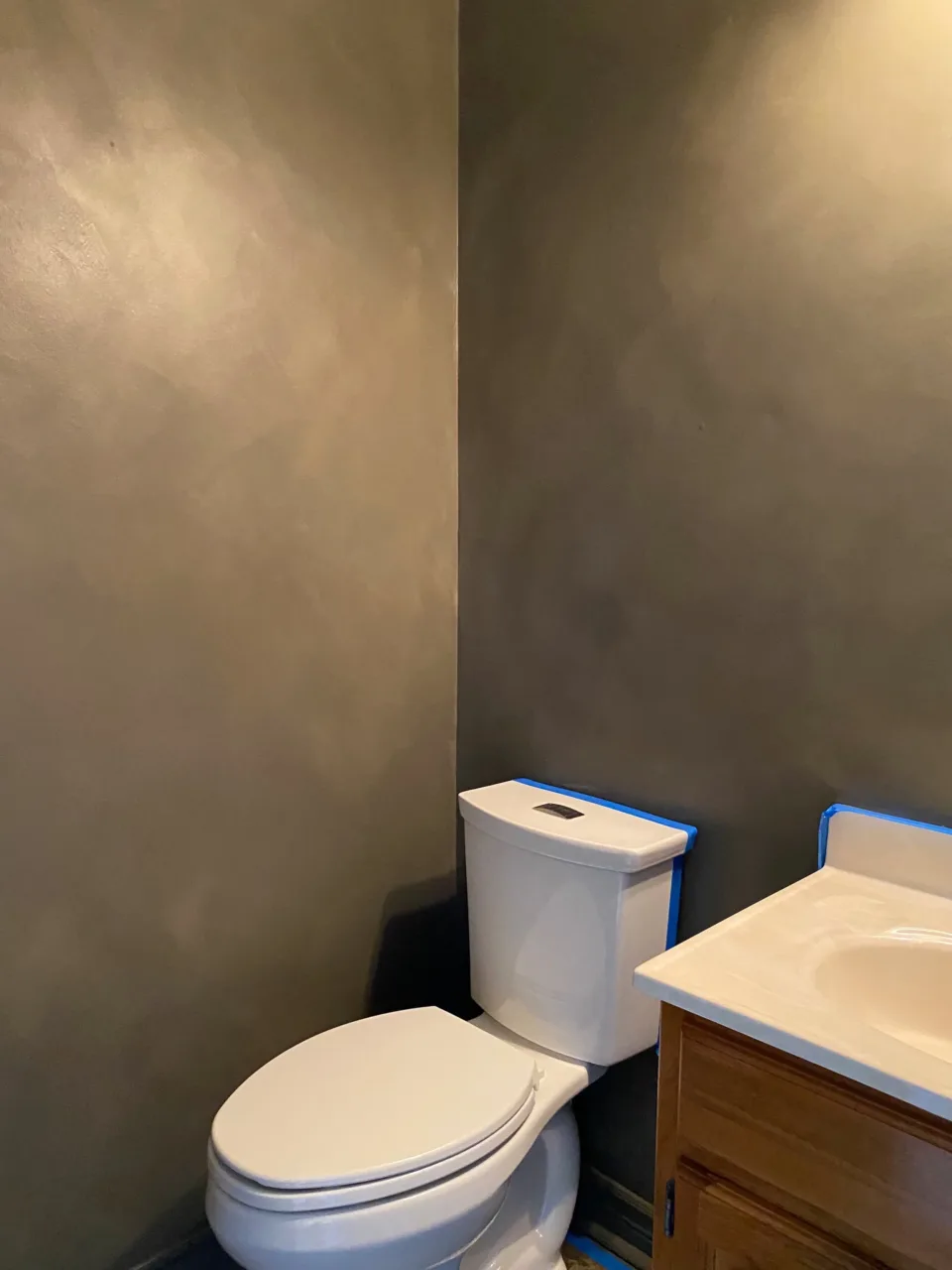
Limewash creates a soft, mottled surface that feels aged yet fresh. It lets light bounce gently, making kitchens and hallways appear larger. The pale gray‑green hue works well with white cabinets and brushed steel fixtures.
Mix one part hydrated lime with three parts cool water until thin. Apply the mixture with a natural‑bristle brush, working in thin, even strokes. Let each coat dry fully before adding the next; two to three coats give depth.
Limewash stays porous, so it can absorb spills; wipe with a damp cloth quickly. Avoid acidic cleaners, as they can etch the lime surface over time.
4. Fabric‑Wrapped Panel
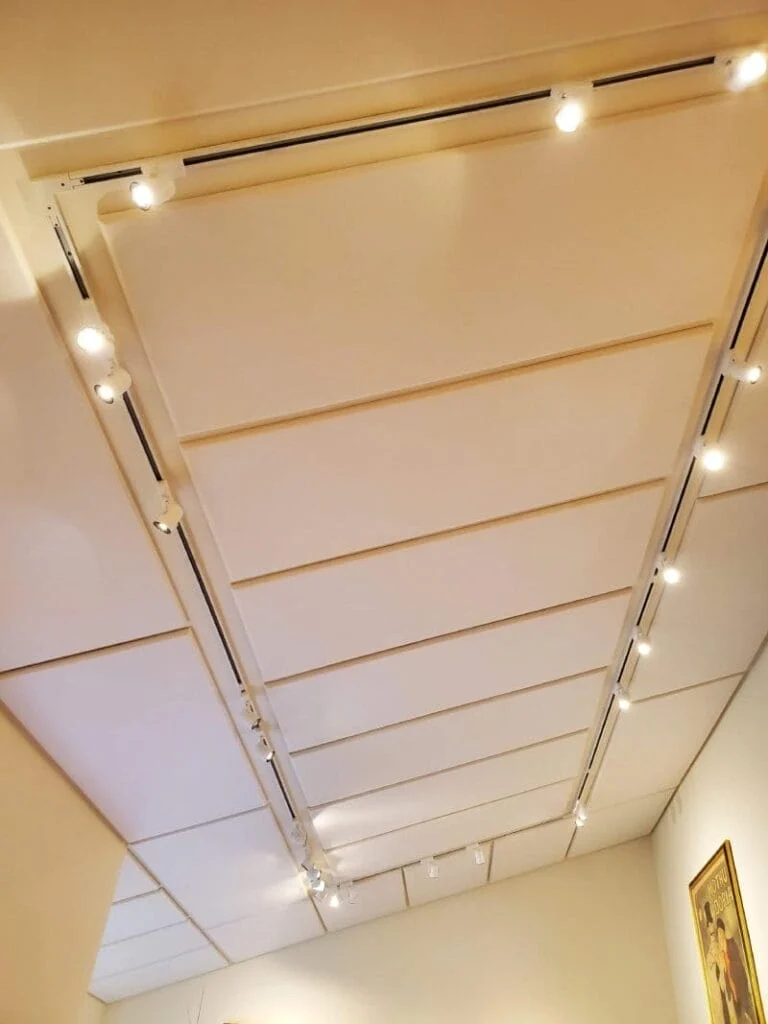
A large linen‑wrapped panel adds a soft, tactile layer behind a sofa. The gentle folds catch shadows, giving the room a quiet depth. Choosing warm greige lets the panel blend with most color schemes.
Stretch a linen‑blend fabric over a 1‑by‑4 foot wooden frame. Secure the fabric with a staple gun, pulling tight to avoid sagging. Hang the panel using two picture hooks placed level with each other.
Vacuum the surface weekly to keep dust from building up. If pets shed, pick a tightly woven linen that resists hair sticking.
5. Stenciled Geometric Pattern
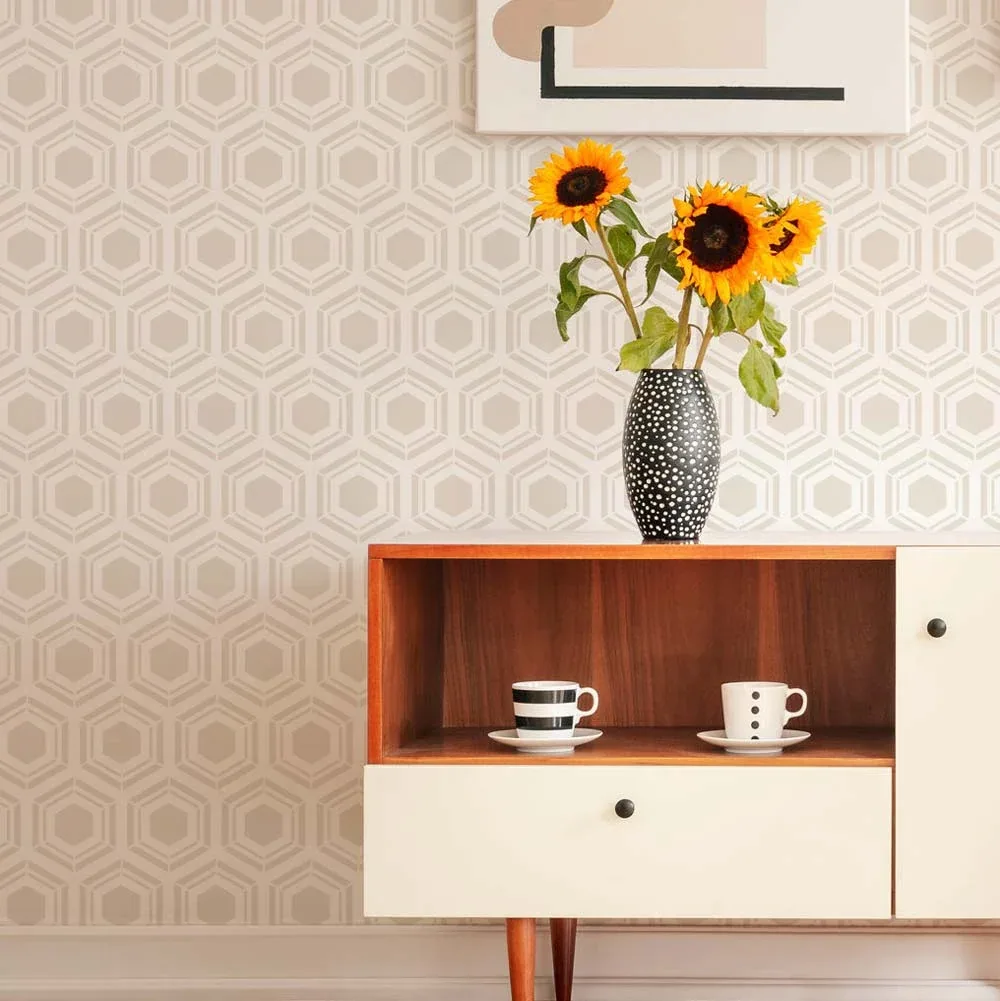
Soft terracotta hexagons spaced evenly add subtle movement without overwhelming the room. The muted tone keeps the wall calm while still providing visual interest. Pair the pattern with plain white trim for a balanced feel.
Secure a reusable stencil to the wall with painter’s tape. Roll low‑sheen paint over the stencil using a small foam roller. Lift the stencil carefully, then touch up any gaps with a fine brush.
If the pattern feels busy, switch to a lighter paint shade for the shapes. Test a small area first to see how the color reads in your light.
6. Brick Veneer Panel
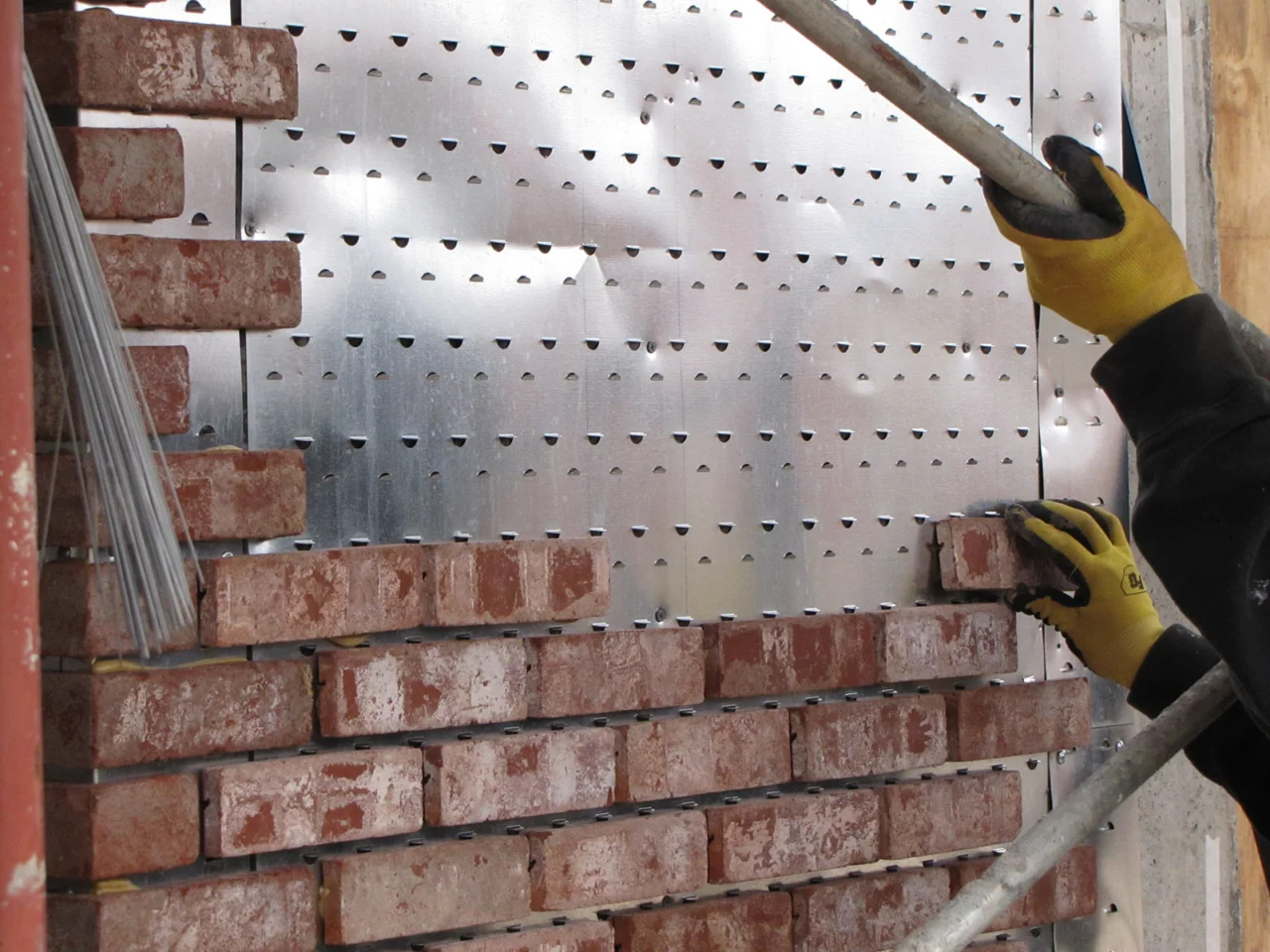
Thin brick veneer gives a rugged look without the weight of real brick. The texture pairs nicely with sleek metal light fixtures and simple furniture. Choosing a warm reddish‑brown veneer adds coziness to a modern space.
Mount a sturdy backboard, then adhere veneer sheets with construction adhesive. Fill the joints with thin‑set mortar, then wipe excess before it dries. Paint the mortar a matching shade to blend seams for a seamless look.
Brick can feel cool; add a nearby rug or warm lamp to soften the vibe. Seal the veneer with a clear matte sealer to protect against moisture.
7. Recessed Shelf with Textured Tiles
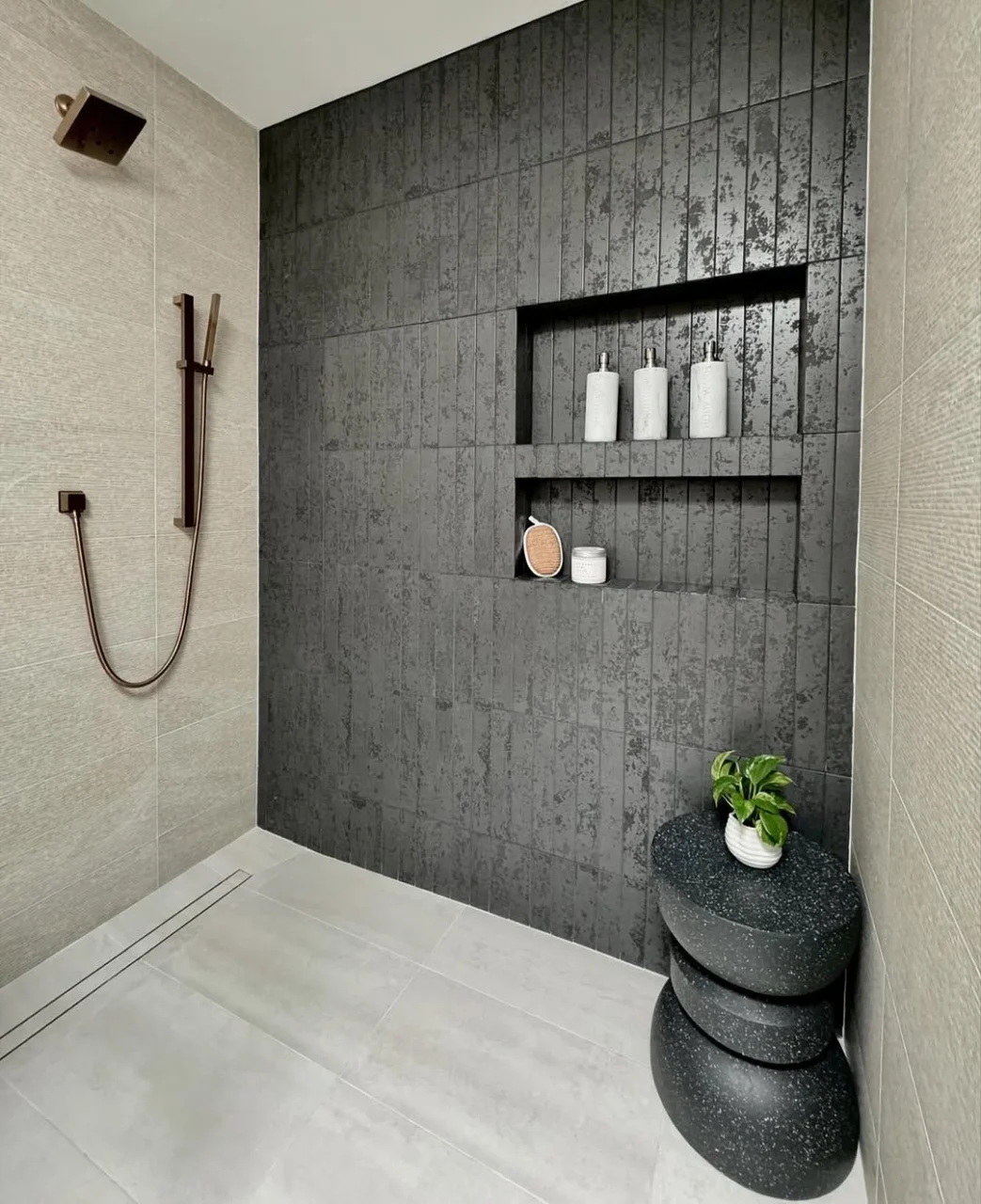
A shallow recessed shelf lined with matte white tiles adds subtle texture at eye level. The tiles catch light, creating a gentle sparkle that enlivens the wall. Use a simple grid pattern to keep the focus on the shelf contents.
Install sturdy brackets, then attach a plywood backboard cut to the shelf depth. Apply thin‑set mortar, press each tile into place, and leave small grout lines. Seal the grout with a clear waterproof sealant to guard against spills.
Smooth tiles can be slippery; keep a soft cloth nearby for quick wipes. Place decorative jars or small plants on the shelf to break up the pattern.
How do I choose the right texture for a small room?
Choose a light-colored, low-profile texture such as limewash or grasscloth. These options keep the space feeling open while adding visual interest. Pair them with simple furniture to maintain a spacious feel.
Can I apply texture to a rented apartment?
Yes, you can use removable options like fabric‑wrapped panels or peel‑and‑stick wallpaper. They adhere without damaging paint and come off cleanly when you move. Choose neutral tones to match any future décor.
What is the easiest DIY textured wall for beginners?
Stenciled geometric patterns are the simplest DIY option for beginners. All you need is paint, tape, and a reusable stencil. Follow the steps and you’ll see a polished result quickly.
How do I keep textured walls clean?
Dust textured walls regularly with a soft brush or low‑suction vacuum. Spot‑clean any marks with a damp cloth, avoiding harsh chemicals. Prompt cleaning prevents buildup and protects the finish.
Is textured wall paint more expensive than regular paint?
Textured wall paint can cost a bit more because of additives or tools. The extra cost covers special pigments and rollers that create the effect. Many homeowners find the visual upgrade worth the modest price increase.