Wabi‑sabi Interior Design Ideas for a Naturally Beautiful Home
Many homes look too perfect and end up feeling cold. You may notice smooth surfaces and matching décor that lack character. This can make a space feel more like a showroom than a lived‑in place.
This article shows simple ways to bring wabi‑sabi into your rooms. You’ll learn how to use natural textures, imperfect materials, and quiet colors. The goal is a home that feels calm and real.
Start by picking one room and one element to change. A small shift can set the tone for the rest of the house. Keep the budget modest and enjoy the process.
1. Embrace Imperfect Wood Floors
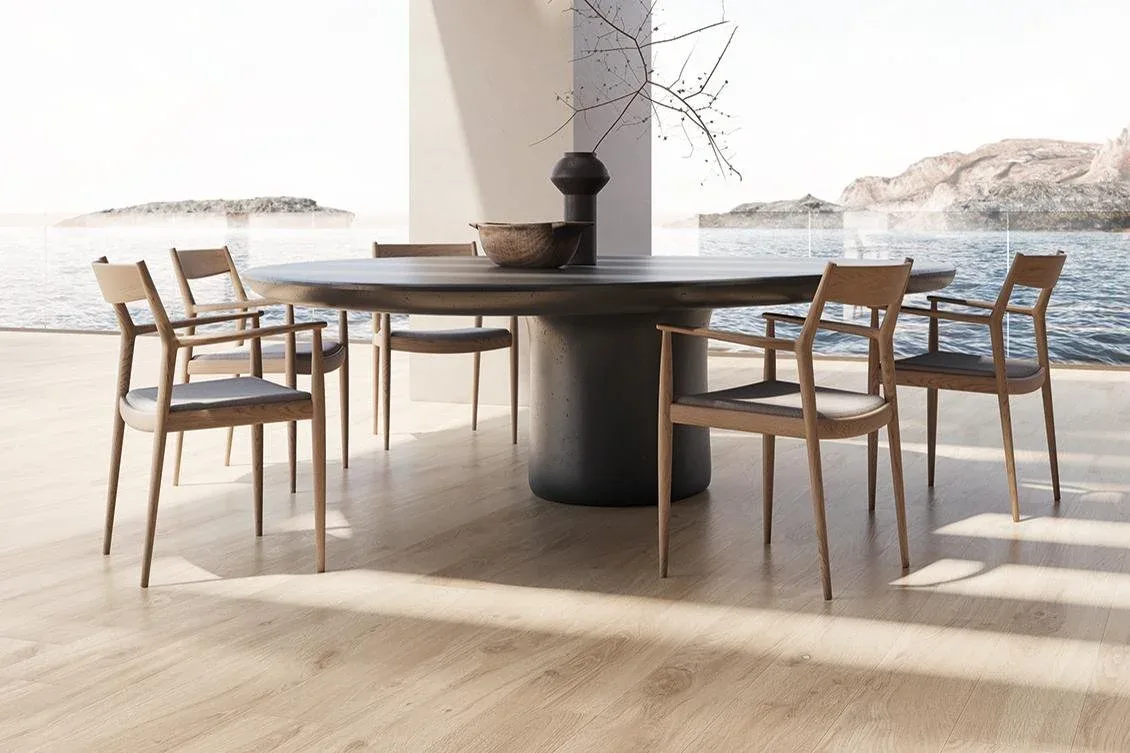
Polished floors often feel hard and show every speck of dust. They can make a room feel sterile rather than welcoming. A smoother surface can also hide the natural grain you might love.
Choose reclaimed wood or lightly sanded boards that let knots and grain show. The uneven texture adds warmth and tells a quiet story. You’ll notice a softer feel underfoot.
Pick oak with a natural finish and a matte seal. Place a warm greige rug near the entry to soften the look. A low coffee table in brushed brass balances the wood.
This option can be harder to clean if you have pets that shed. Small scratches may appear over time, so consider a protective seal if needed.
2. Use Hand‑Made Pottery as Functional Art
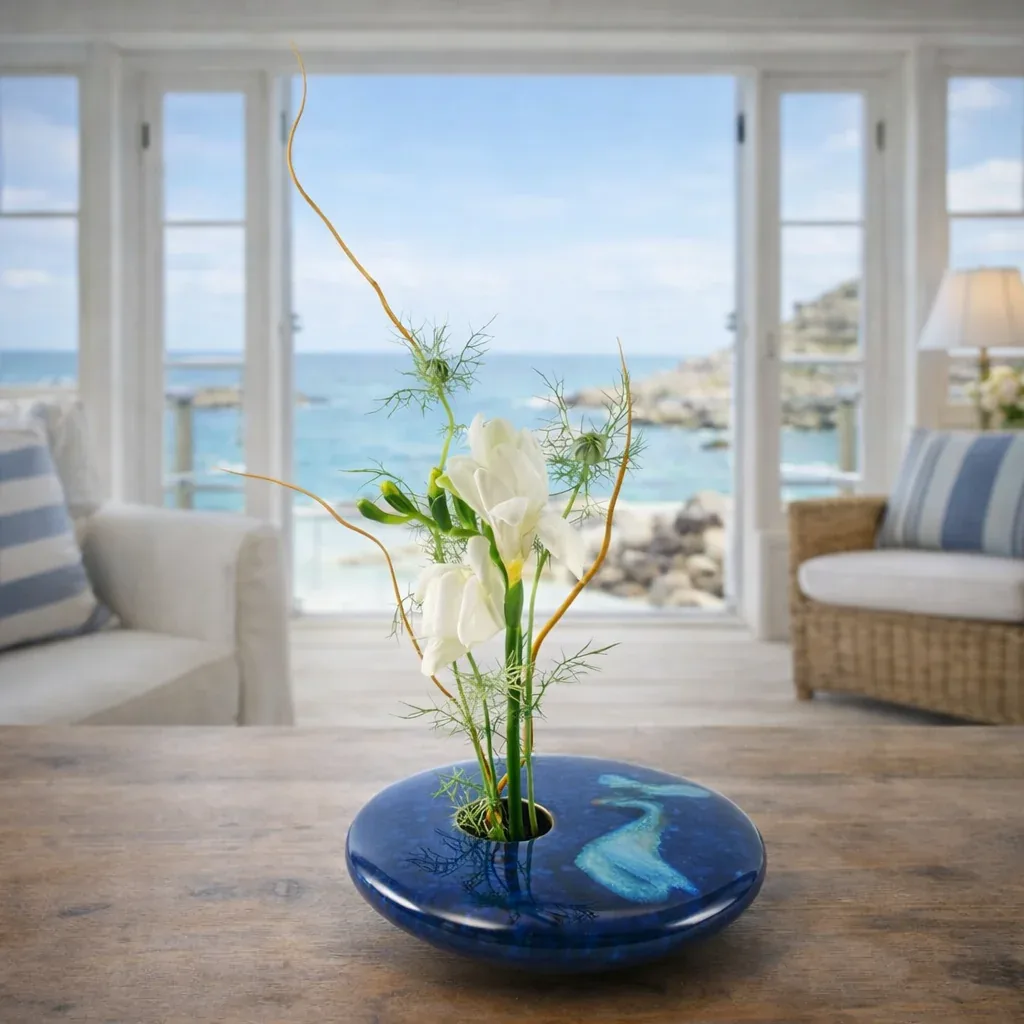
Mass‑produced dishes often look flat and lack personality. They can make a kitchen feel generic and uninviting. You may miss the chance to add a human touch.
Bring in simple earthenware bowls, mugs, and plates made by local potters. Their uneven rims and soft glaze add quiet charm. Use them for everyday meals or as display pieces.
Choose terracotta or muted teal pieces with a natural feel. Set a few on an open shelf or use a bowl as a plant pot. The colors blend well with wood and linen.
Hand‑made pottery can chip if dropped, so handle with care. It may not hold up to heavy daily use in a busy kitchen.
3. Add a Living Wall of Simple Plants
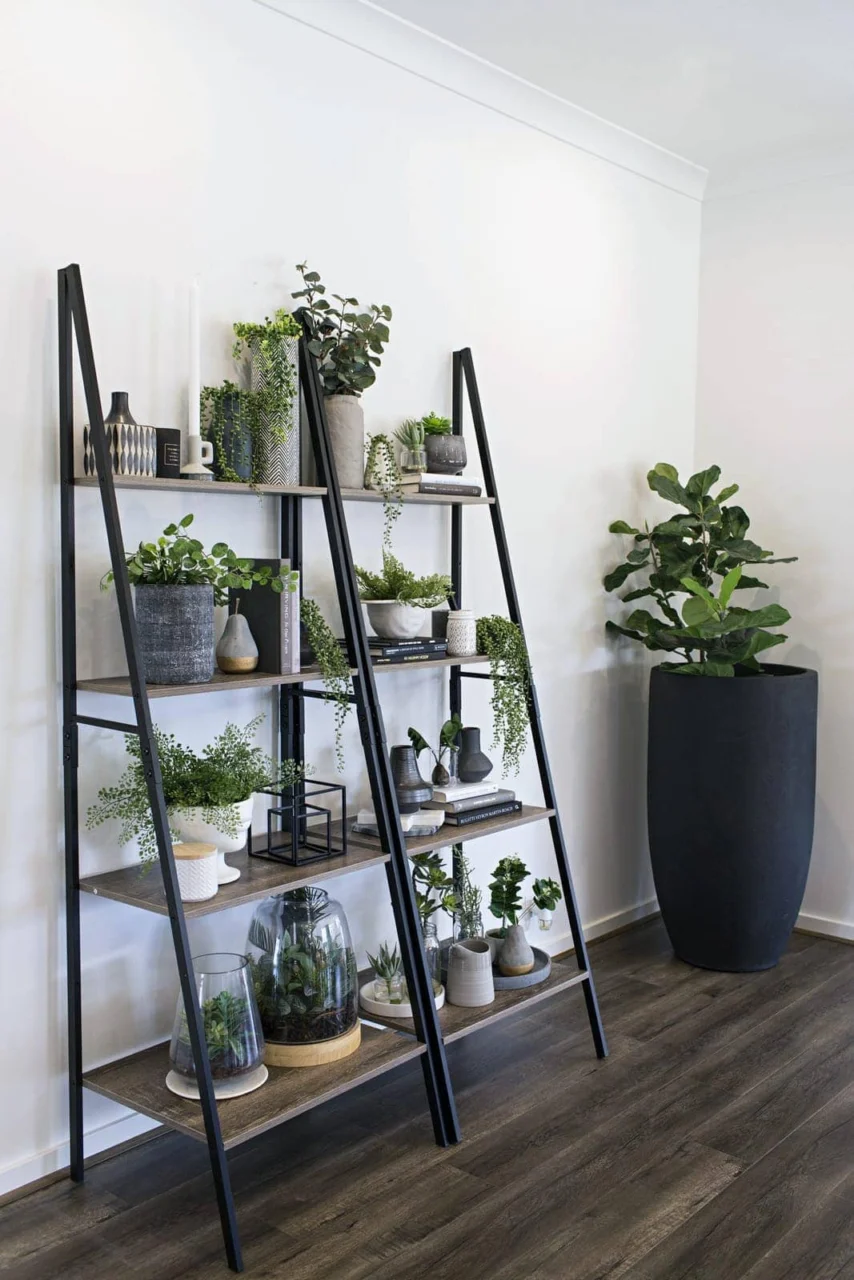
Empty walls often feel dead and draw the eye away from the room. They can make a space feel smaller than it is. Adding life can change the mood instantly.
Hang a few potted herbs or succulents in reclaimed wood frames. The pots bring texture while the plants breathe fresh air. This small garden feels natural and calm.
Pick moss, pothos, or jade in soft terracotta pots. Place the wall near a window for light. Keep the arrangement loose, not too crowded.
Plants need regular light and watering, so they aren’t ideal for dark rooms. Choose low‑maintenance varieties if you travel often.
4. Choose Low‑Gloss, Earth‑Tone Walls
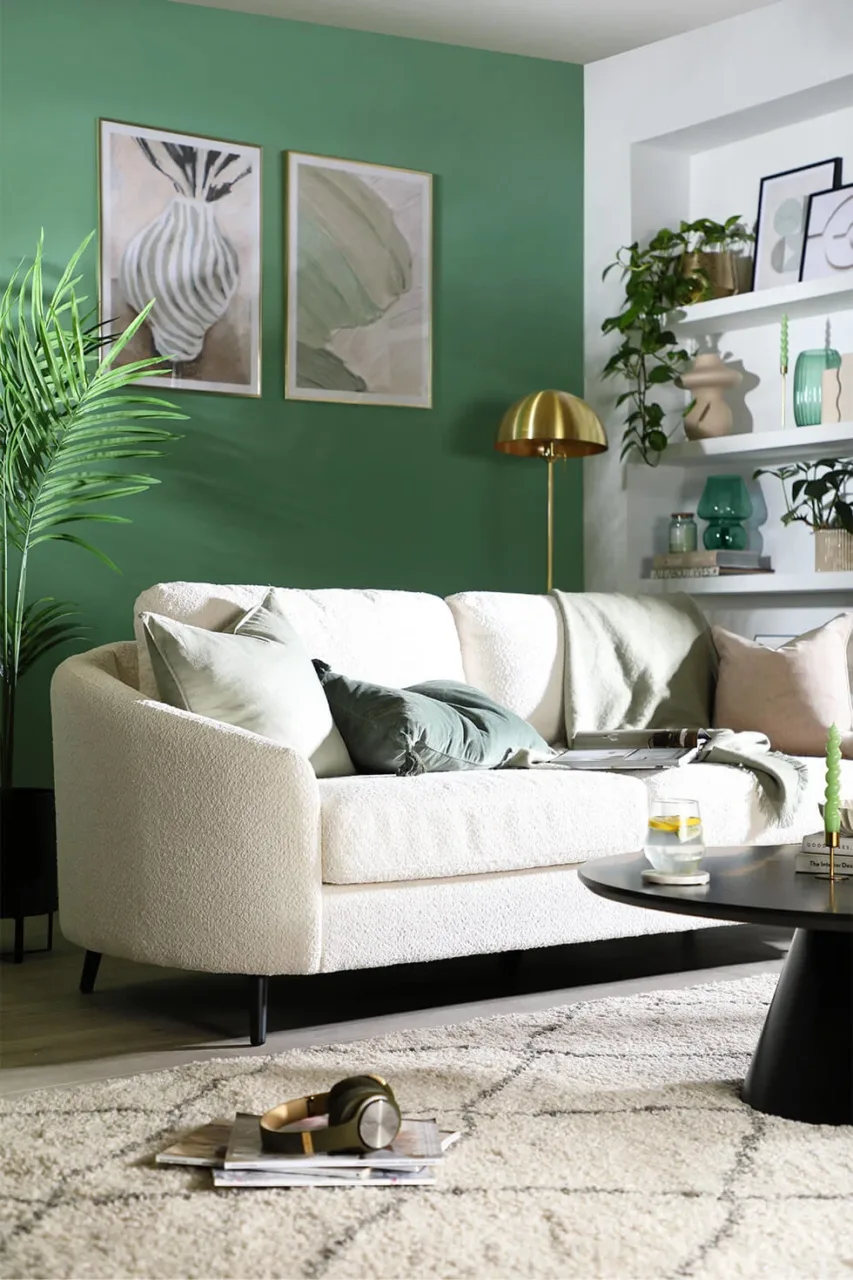
Bright white walls can feel harsh and reflect too much light. They may make a room feel clinical rather than cozy. A softer hue can soften the space.
Paint the walls in warm greige, soft olive, or muted terracotta. A low‑gloss finish adds a subtle texture that feels natural. The colors blend with wood and fabric easily.
Try a limewash technique for a slight, uneven surface. Pair the walls with linen curtains in a matching tone. The result is a quiet, lived‑in look.
Darker shades can make small rooms feel tighter, so test a sample first. Light rooms handle deeper colors better than cramped spaces.
5. Select Simple, Natural Furniture with Visible Joins
Sleek metal chairs often feel cold and impersonal. They can clash with softer, natural décor. A warmer seat invites you to stay longer.
Pick solid wood tables that show visible mortise‑and‑tenon joints. The joinery adds a quiet sense of craft. It also fits the wabi‑sabi love of imperfection.
Use a walnut dining table paired with woven linen cushions. Keep the cushions in muted earth tones for balance. The mix of wood and fabric feels inviting.
Wood can scratch over time, so regular oiling helps keep it looking good. Heavy use may show wear faster than upholstered pieces.
6. Light with Paper Lanterns or Soft Fabric Shades
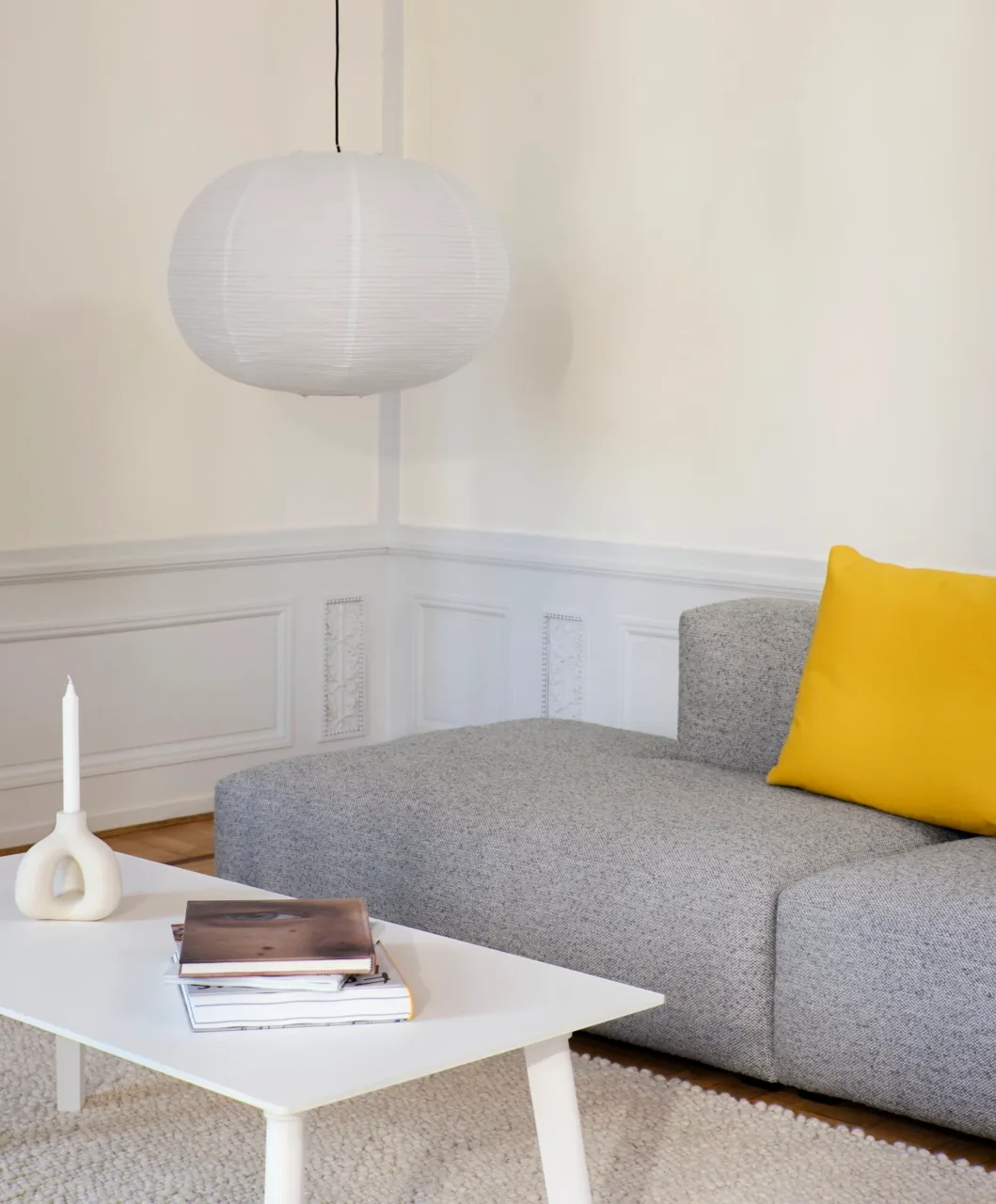
Harsh overhead lights create glare and can strain the eyes. They often make a room feel too bright and empty. Soft lighting adds calm and depth.
Replace bright bulbs with paper lanterns or lamps that have linen shades. The diffused glow feels warm and gentle. It also reduces eye strain in the evening.
Choose amber‑tinted paper and hang the lantern at about six feet high. Add a small table lamp with a brushed brass base for reading. The mix of materials stays simple yet interesting.
Paper lanterns should stay away from heat sources to avoid fire risk. Keep them out of direct sunlight to prevent fading.
7. Keep Décor Minimal and Allow Space to Breathe
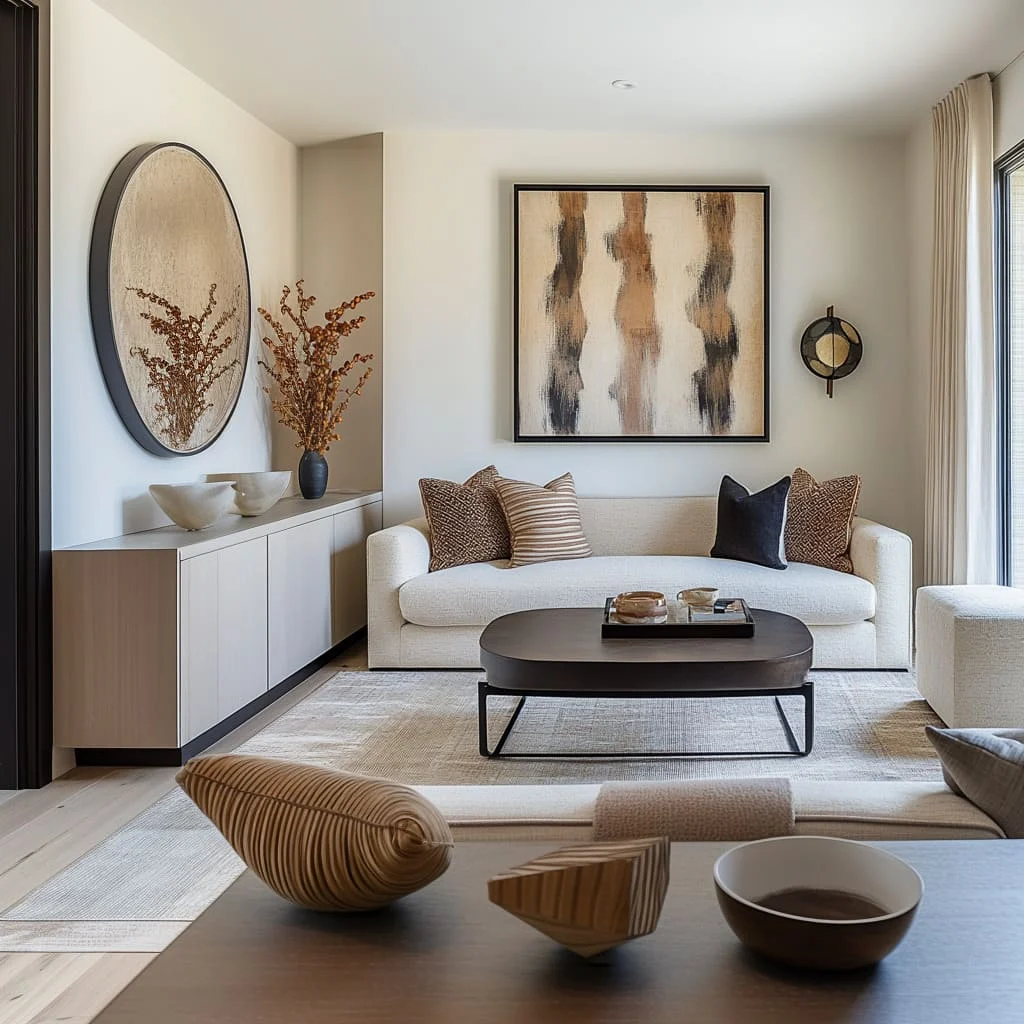
Cluttered shelves can feel busy and overwhelm the eye. Too many objects compete for attention, losing the quiet feel you want. A tidy surface invites relaxation.
Limit décor to a few items that you love and that fit the theme. Leave empty space so each piece can be seen. This creates a sense of balance.
Display a single ceramic vase, a small stack of books, and a woven basket. Keep the colors muted and the forms simple. The arrangement feels intentional and calm.
Some may feel the room is too sparse, especially if they like many keepsakes. Add a few personal items gradually if needed.
FAQ
How do I start wabi‑sabi style in a rental?
Begin with items you can move, like rugs, pillows, and wall hangings. Choose removable pieces that add texture without altering walls.
Can I use bright colors with wabi‑sabi?
Use muted tones as a base and add a single soft accent like deep olive. Bright hues can overwhelm the calm feel.
What flooring works best for pets?
A lightly finished reclaimed wood with a protective seal works well. It hides scratches better than glossy floors.
How often should I clean natural textiles?
Spot clean with mild soap and vacuum gently once a week. Too much washing can wear fibers.
Is it okay to mix modern pieces with wabi‑sabi?
Yes, as long as the modern items have simple lines and natural finishes. Too many sleek pieces can erase the imperfect charm.