DIY Seed Starting Station Ideas for Your Home and Garden
Starting seeds indoors can be messy and take up space, so consider starting station ideas. Most homes don’t have a set spot for seedlings. A simple station keeps everything tidy and healthy.
In this article you’ll see seven easy DIY stations. Each idea works with common rooms and low‑cost items. You can pick the one that fits your style.
Before you begin, note how much natural light each spot gets. Measure the area and plan for a water source nearby. A little planning saves time and extra trips to the garden.
1. Window Shelf Seed Station
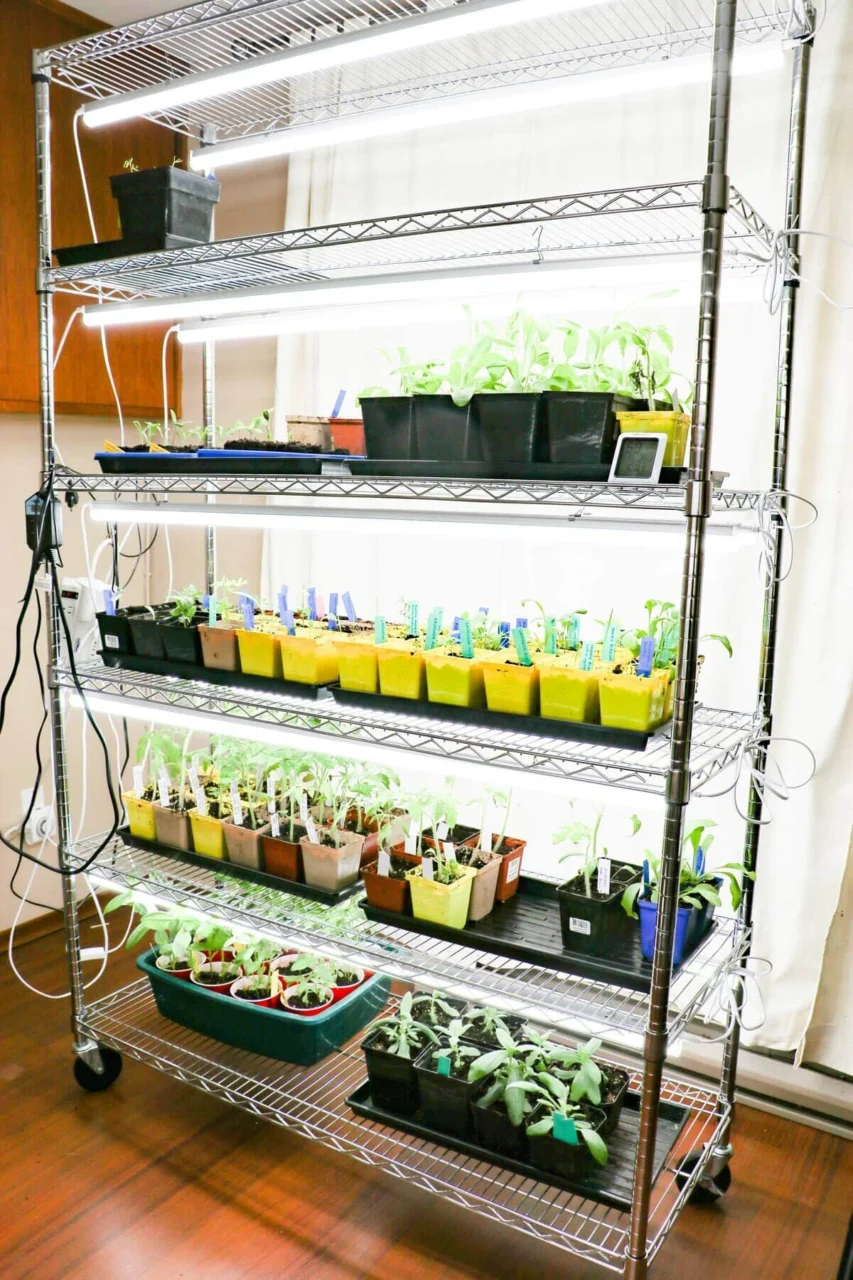
A bright windowsill is often crowded with herbs and mugs. You may not have enough flat space for seed trays. Without a proper spot seedlings can become leggy and weak.
Attach a shallow wooden shelf just below the sill. The shelf gives a flat surface that catches sunlight all day. It stays out of the way of kitchen traffic.
Use reclaimed pine, two metal brackets, and clear plastic trays. Paint the wood in soft limewash to blend with the wall. Add a small white LED strip for cloudy days.
The shelf can hold only light soil mixes. Heavy pots may cause the brackets to bend. If you need more depth, consider a deeper window box.
2. Kitchen Cart Seed Station
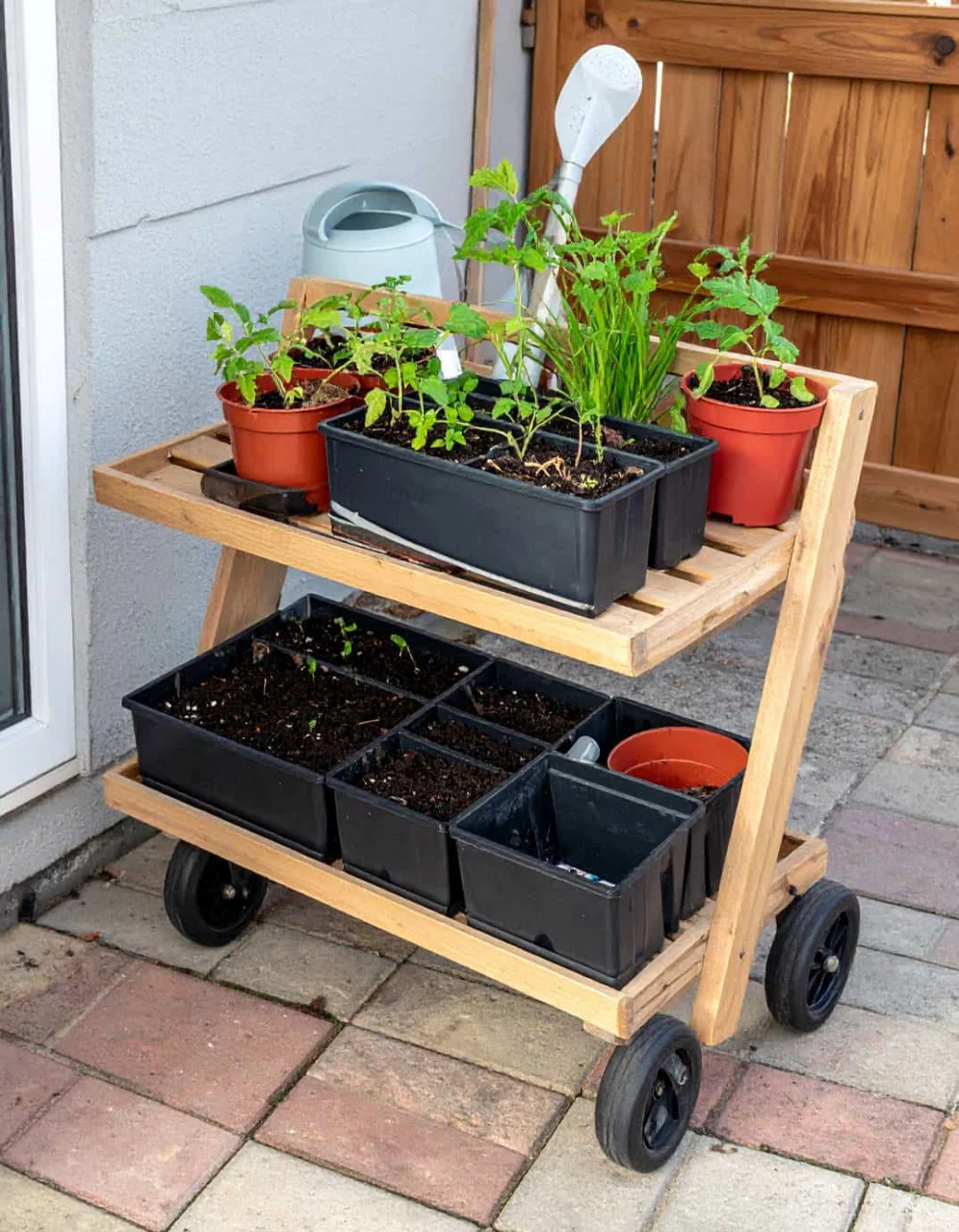
Many kitchens have a rolling cart that sits unused. It takes up floor space but offers a sturdy top. Without a plan, seed trays can tip over easily.
Turn the cart into a mobile seed hub. Place shallow trays on the top surface and lock the wheels. You can push the cart to a sunny spot as needed.
Paint the metal frame in warm terracotta for a cozy look. Add removable silicone mats to catch spills. Use drawer dividers to store labels and tools.
The cart may wobble on uneven floors. Heavy watering can cause the top to sag over time. A sturdy cart with reinforced legs works best.
3. Hanging Pegboard Seed Station
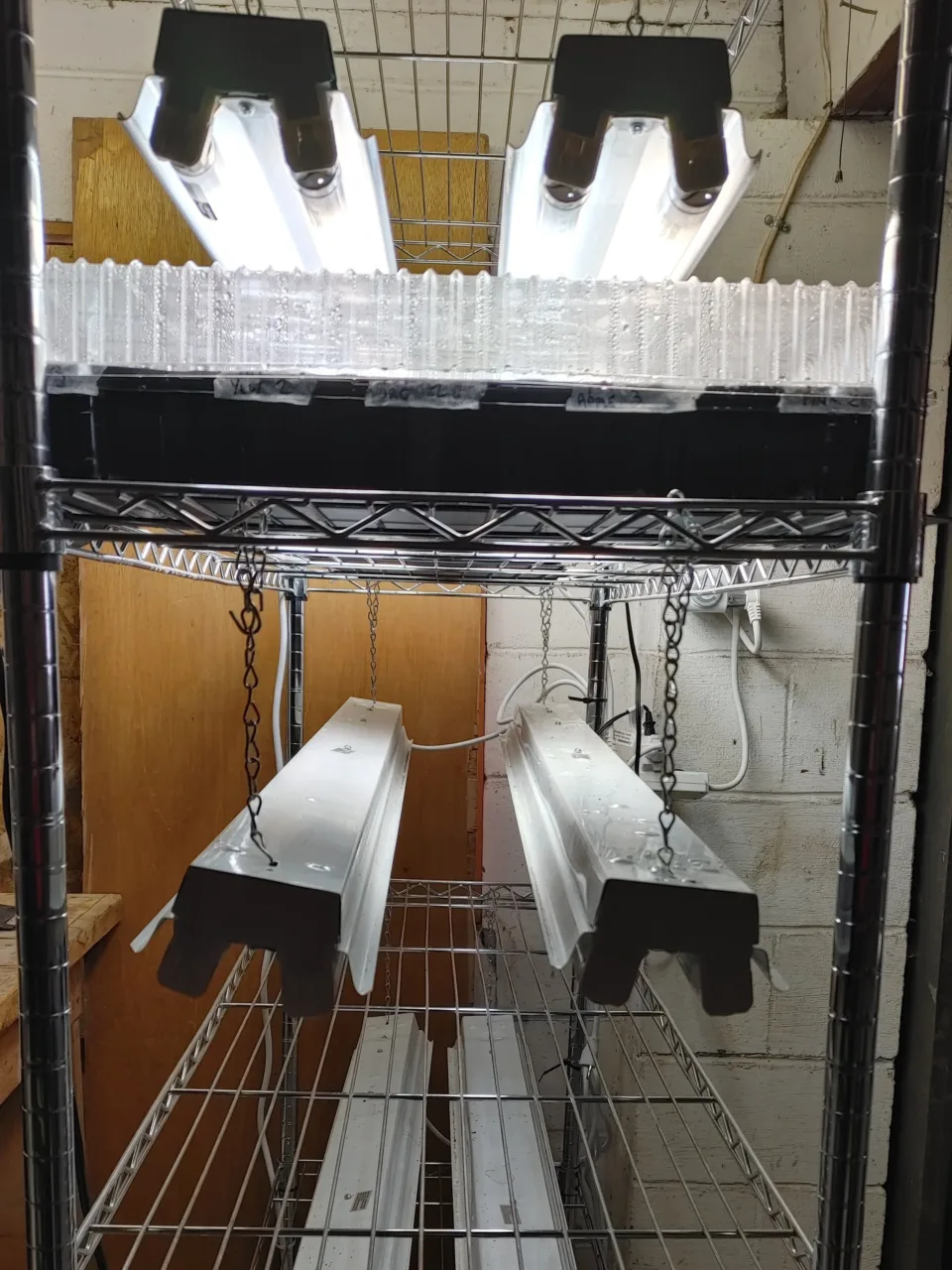
Empty wall space often goes unused in a hallway or pantry. You may need a way to keep seed trays off the floor. Floor clutter can make cleaning harder and seedlings dusty.
Mount a pegboard and hang small pots with sturdy hooks. The vertical layout frees up floor space and adds visual interest. You can rearrange hooks as seedlings grow taller.
Choose a pegboard in warm greige to match neutral walls. Use metal S‑hooks and small fabric bags for seed packets. Add a tiny clip lamp for extra light on cloudy days.
Very tall seedlings may outgrow the peg height quickly. You will need to move them to a lower shelf later. If ceiling height is low, this method works best for herbs.
4. Bookshelf Seed Station
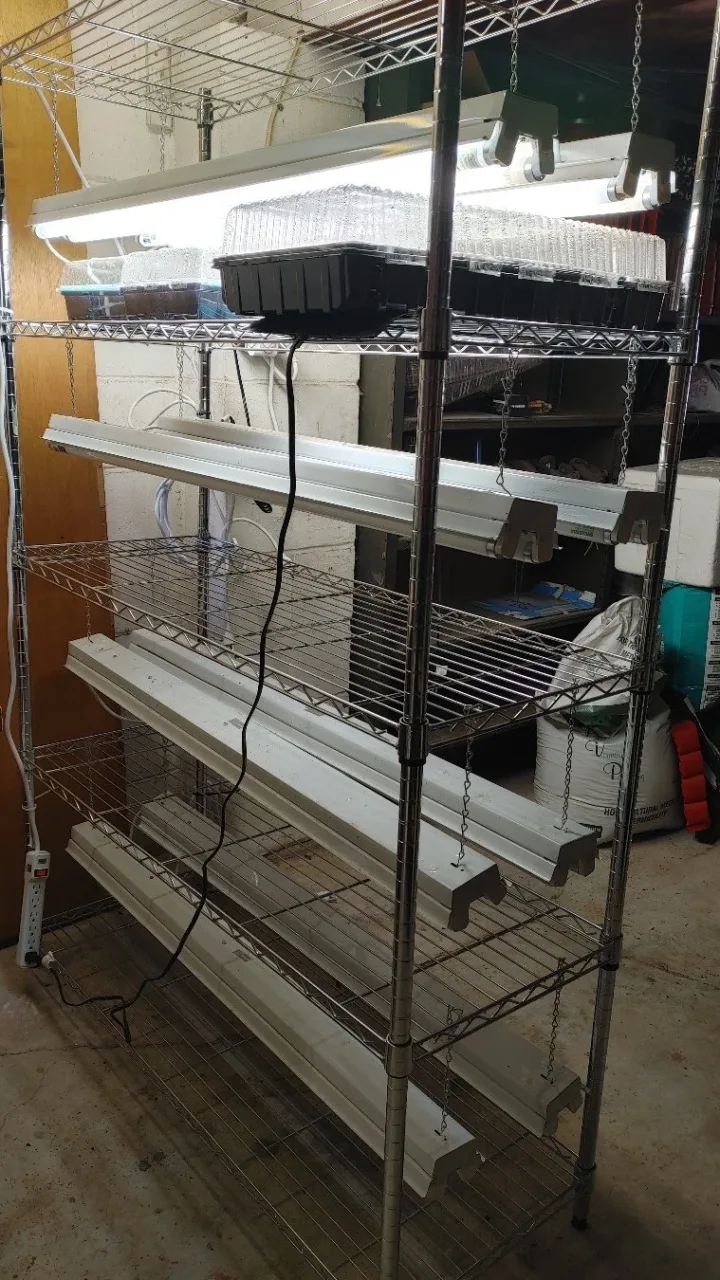
A full bookshelf can block light and hide dust. You might not want seedlings sitting among books. Dust from pages can settle on young leaves.
Reserve the bottom shelf for seed trays and a light strip. The lower level stays out of eye level but still gets light. A thin LED strip adds gentle illumination without heating the room.
Place linen baskets on the shelf to hold tools. Paint the back panel in soft teal for a calm backdrop. Use clear trays so you can see soil moisture easily.
Books can still shed spores that affect seedlings. Keep the shelf away from heavy reference books. If you have many large volumes, consider a separate small table.
5. Bathroom Vanity Seed Station
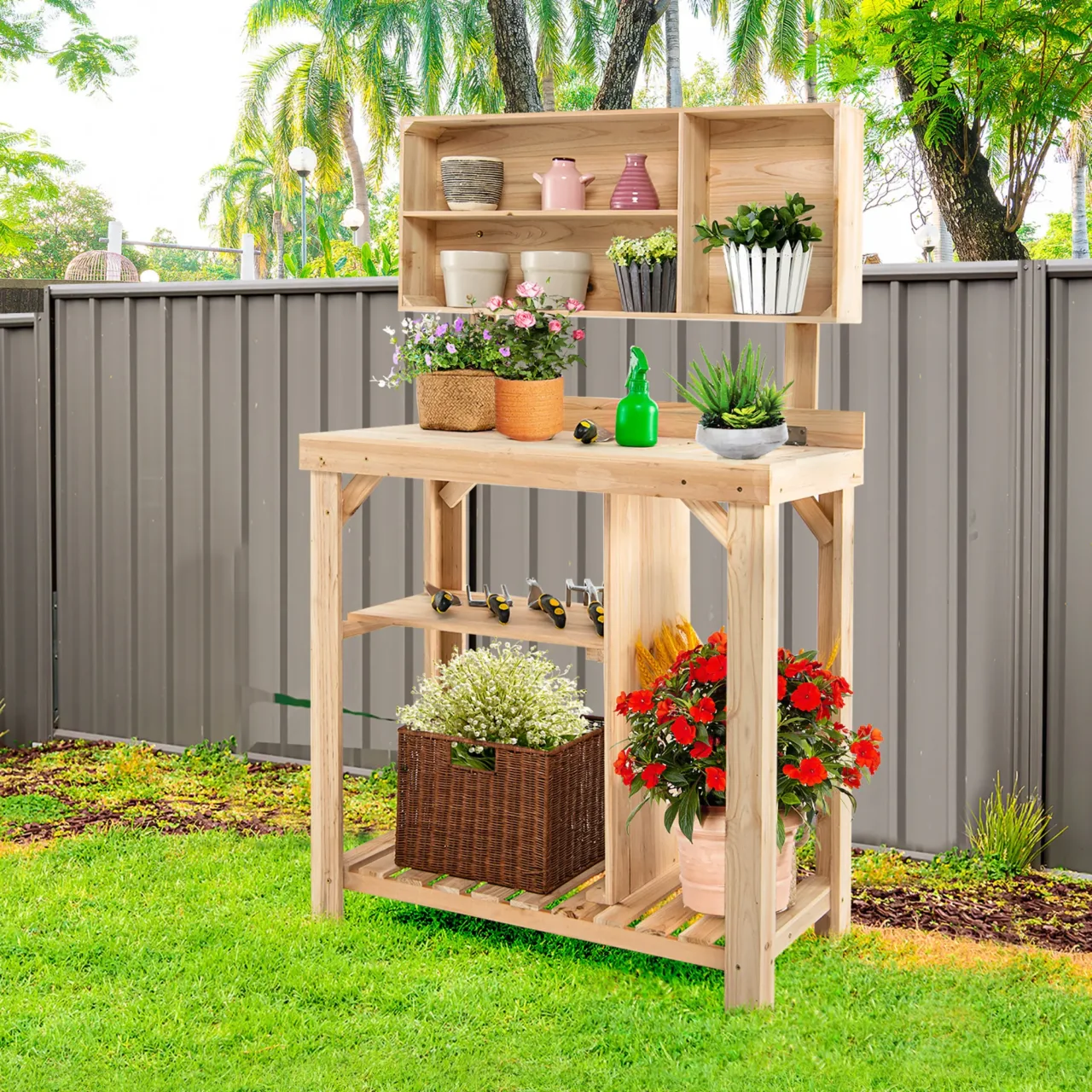
Bathrooms often have a vanity that is rarely used for plants. High humidity can be good for seedlings but also cause rot. A flat vanity top offers a stable area for trays.
Clear the top surface and place trays under a mirror. The mirror reflects light and makes the space feel brighter. You can keep a small spray bottle nearby for misting.
Choose a white vanity to bounce natural light. Add small terracotta pots for seedlings that need deeper soil. A low‑watt LED lamp above the mirror adds steady light.
Too much moisture can lead to mold on the soil surface. Ventilate the room after each watering to keep air moving. If the bathroom lacks a window, this spot may stay dim.
6. Closet Seed Nook
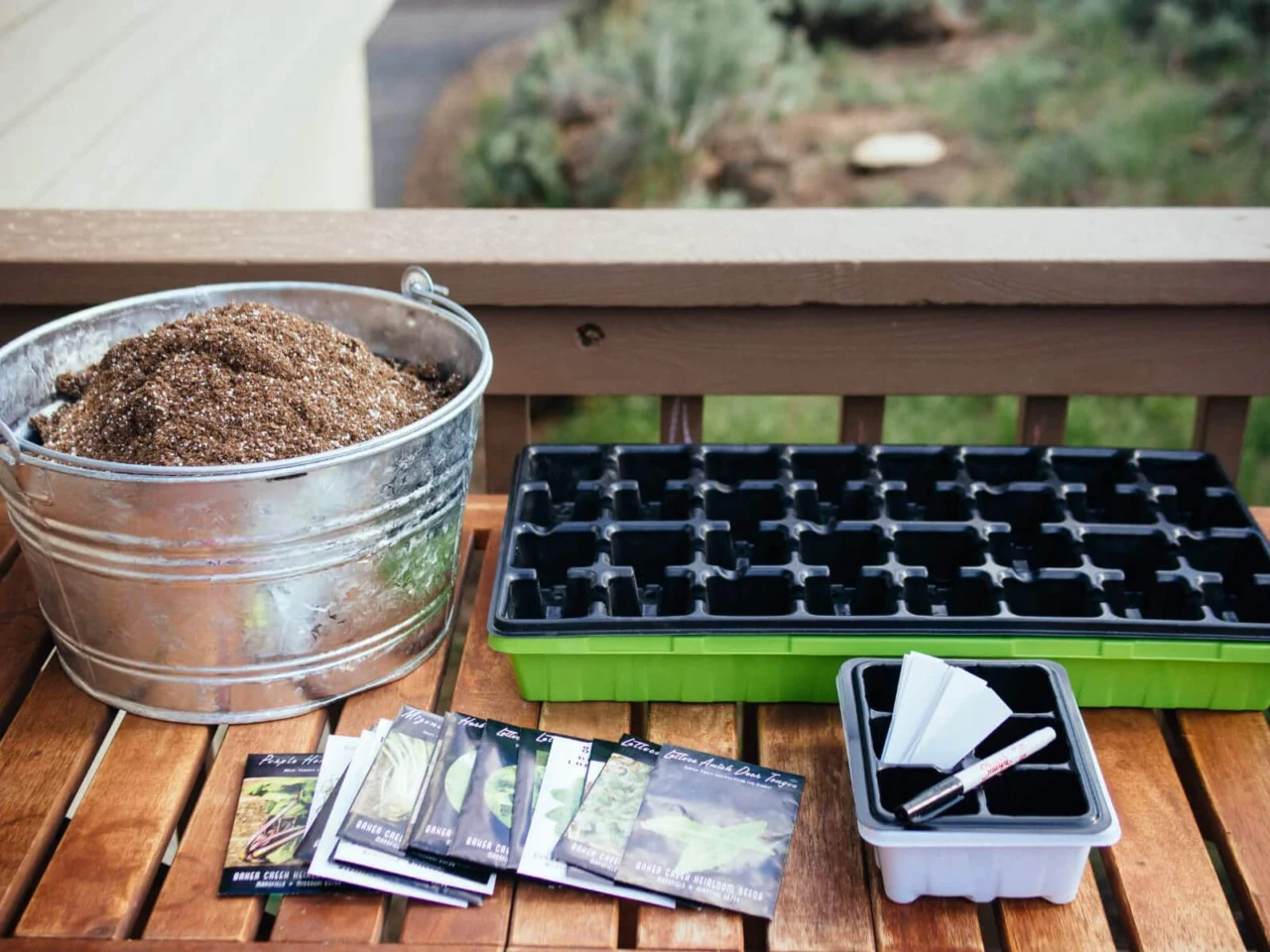
Closets often hide extra shelves that collect dust. You may not have a bright corner in the living room. Seedlings need a quiet spot with some light to thrive.
Install a narrow shelf inside the closet and add a clip‑on lamp. The shelf holds trays while the lamp gives focused light. Close the door to create a mini greenhouse effect.
Use a pine shelf painted matte black to reduce glare. A clip‑on LED with adjustable brightness works well. Place a small tray of pebbles underneath for drainage.
Winter days can leave the closet too dark for growth. You may need to add a grow light if natural light is low. A small fan can help prevent stale air buildup.
7. Garden Shed Bench Seed Station
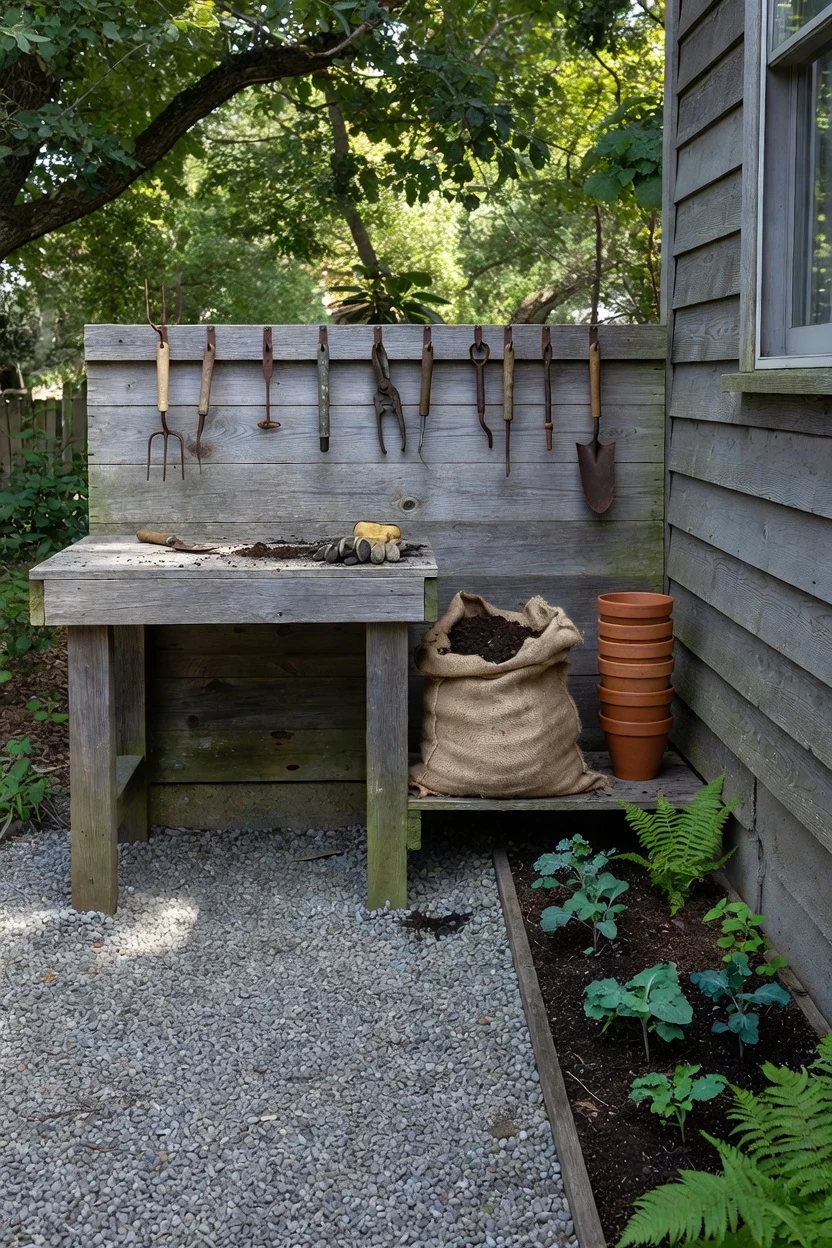
A garden shed bench often sits plain and unused inside. You might lack a sturdy table for seed trays during cold months. A bench can become a handy indoor station with a few tweaks.
Add a fold‑out tabletop that sits on the bench. The table provides a flat area for multiple trays. When not in use, fold it back to keep the bench clear.
Choose an oak bench for durability and warm tone. Cover the tabletop with a burlap runner to protect wood. Secure trays with natural rope ties for a rustic look.
The bench can collect dust from shed tools. You will need to wipe it down before each planting. If the shed is humid, add a small dehumidifier nearby.
FAQ
How often should I water seed trays?
Water the trays when the top of the soil feels dry. A light mist from a spray bottle works well for most seedlings. Avoid soaking the soil, as excess water can drown roots.
What type of light is best for starting seeds?
A cool white LED light that mimics daylight promotes strong growth. Place the light 6 to 12 inches above the tray. Keep the light on for 12 to 16 hours each day.
Can I use regular potting soil for seedlings?
Yes, but a light seed‑starting mix drains faster. Mix equal parts potting soil and coarse sand for better aeration. Too heavy soil can keep seedlings from breaking through.
How do I prevent mold on my seedlings?
Provide good air circulation and avoid over‑watering. A small fan on low speed helps keep the surface dry. Remove any yellowed leaves promptly to reduce spores.
What is an easy way to label my seed varieties?
Write the name on a small piece of cardstock and tape it to the tray. You can also use reusable plastic tags that slide into the tray edge. Labeling helps you track planting dates and germination rates.